轻资产运营模式

Search documents
290亿江阴男装豪门,狂卖打折大牌
2 1 Shi Ji Jing Ji Bao Dao· 2025-05-28 01:47
Core Insights - The company aims to expand its clothing retail business and move towards becoming a "world-class" brand, as stated by its chairman Zhou Licheng during the earnings meeting on May 26 [2][3]. Group 1: Business Strategy - Zhou Licheng has partnered with JD.com to create urban outlet stores, becoming a channel for luxury brands, and has also acquired a controlling stake in Sibozi to act as an agent for Adidas [5][6]. - The collaboration with JD.com focuses on a "light asset" operational model, where the company handles site selection and brand negotiations while JD.com provides online channels and brand recognition [12][11]. - The first JD Outlet store opened in Wuxi in September last year, and 12 new stores have been launched in various provinces this year [14][15]. Group 2: Financial Performance - In the first quarter of this year, the company reported a profit of 936 million yuan, more than doubling since Zhou took over [5]. - The inventory scale reached 11.17 billion yuan by the end of 2024, a 28% increase from the beginning of the year, with a significant portion being returnable goods [18][19]. - The company has seen a 20% year-on-year increase in online sales, with online revenue reaching 1 billion yuan in the first quarter of this year [32]. Group 3: Market Positioning - Zhou Licheng is focusing on the sports brand retail sector, having established Sibozi to manage Adidas products, including exclusive clearance channels for excess inventory [26][24]. - The company is shifting its focus from traditional men's clothing to include sports and outdoor brands, aiming to capture a broader market [27][21]. - The company plans to close over 400 franchise stores while opening more than 300 direct-operated stores to optimize its retail strategy [29]. Group 4: Future Plans - The company intends to enhance its brand management and retail innovation while expanding its brand portfolio [33]. - Zhou Licheng has set a goal for 2025 to focus on the clothing core business and innovate in retail, aiming to improve service efficiency through initiatives like cloud warehouse upgrades [33].


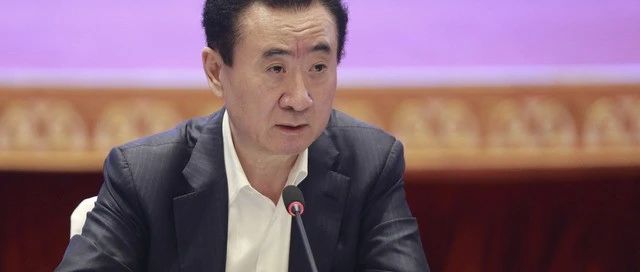
王健林被冻结4.9亿股权,被执行总金额近76亿
新华网财经· 2025-05-27 03:28
Core Viewpoint - Wang Jianlin's holdings in Dalian Wanda Commercial Management Group have faced significant financial challenges, leading to the freezing of over 490 million shares and a total execution amount of 74.2 billion yuan for Dalian Wanda Group [2][3]. Group 1 - Wang Jianlin's shares in Dalian Wanda Group, Dalian Hexing Investment, Wanda Sports, and Zhuhai Wanda Ruichi have been frozen, totaling over 490 million shares this year [2]. - The total amount executed against Dalian Wanda Group is 74.2 billion yuan, while Dalian Wanda Commercial Management Group faces approximately 139 million yuan in execution [2]. - Wang Jianlin is attempting to alleviate financial pressure by selling Wanda Plazas, with over 30 plazas sold from 2023 to 2024, leaving 498 plazas by the end of 2023 [2]. Group 2 - In April, Wanda sold Wanda Hotel Management Company to Tongcheng Travel for 2.497 billion yuan, generating around 1.5 billion yuan in dividend cash flow for Wang Jianlin [3]. - Analysts suggest that Wanda's commercial real estate ownership will reach a historical low, indicating a shift towards a light asset operation model, although this may weaken rental income due to the loss of core commercial assets [3]. - Wang Jianlin is associated with over 42 enterprises, with 10 currently operational and 32 either canceled or revoked [3].
王健林被冻结4.9亿股权,被执行总金额近76亿
Xin Lang Cai Jing· 2025-05-27 01:42
Group 1 - Wang Jianlin's stake in Dalian Wanda Commercial Management Group has seen over 300 million shares frozen, with a total of more than 490 million shares frozen across various companies this year [1] - The total amount executed against Dalian Wanda Group is approximately 7.42 billion yuan, while Dalian Wanda Commercial Management Group faces around 139 million yuan in execution [1] Group 2 - Wang Jianlin is selling Wanda Plazas to alleviate financial pressure, with a reported transaction amount reaching 50 billion yuan for the acquisition of 100% equity in 48 target companies by a consortium including Tencent [2] - Over 30 Wanda Plazas have been sold from 2023 to 2024, with the total number of Wanda Plazas expected to be 498 by the end of 2023 [2] - In April, Wanda sold its hotel management company to Tongcheng Travel for 2.497 billion yuan, generating approximately 1.5 billion yuan in dividend cash flow [2] - Analysts suggest that Wanda's commercial real estate ownership will drop to a historical low, indicating a shift towards a light asset operation model, although this may lead to a loss of core commercial assets and weaken rental income [2] - Currently, Wang Jianlin is associated with over 42 enterprises, with 10 in operation and 32 either canceled or revoked [2]
45家机构集体调研 奥雅股份(300949.SZ)120分钟的投资交流透露着什么信号?
智通财经网· 2025-05-21 00:28
Core Viewpoint - The investor relations event held by Aoya Co., Ltd. highlighted the company's significant stock performance and strategic goals, aiming to transform into a global cross-media entertainment group, drawing comparisons to Pop Mart's "IP + experience" model [1][2]. Group 1: Company Performance and Strategy - Aoya Co., Ltd. has seen a stock price increase of 41.6% over the past month, attracting participation from 45 institutions and 52 professionals during the investor relations event [1]. - The company aims to focus on becoming a global cross-media entertainment group, with a strategic shift towards the "AI + IP" dual engine model, targeting a market value of 100 billion [2]. - The core business gross margin is expected to remain in the top tier of the industry, with the children's friendly cultural tourism business contributing 40.37% to revenue [2]. Group 2: IP Development and AI Integration - Aoya has established JoyKey, a dedicated company for IP incubation and operation, to enhance its IP business from project-based models to independent consumer brand operations [3]. - The company plans to launch its independent IP authorization business, with a ceremony scheduled for June 1, leveraging the upcoming opening of the Luojia brand in Zhengzhou [3]. - Aoya has made significant investments in AI, creating the "Aoya City Cultural Tourism Renewal Model," which integrates over 5,000 project experiences and has been applied in more than 30 projects [4]. Group 3: Project Developments and Future Outlook - Aoya has reported a 24% year-on-year increase in contract completion amounts, with ongoing projects like the Yanjia Yu Island construction expected to become new industry landmarks [6]. - The company is optimistic about its revenue and profit outlook for 2025, focusing on quality improvement and efficiency enhancement based on previous year's performance [6]. - The investor relations event provided clarity on Aoya's strategic layout and future planning, reinforcing investor confidence in the company's innovative capabilities and growth potential [6].

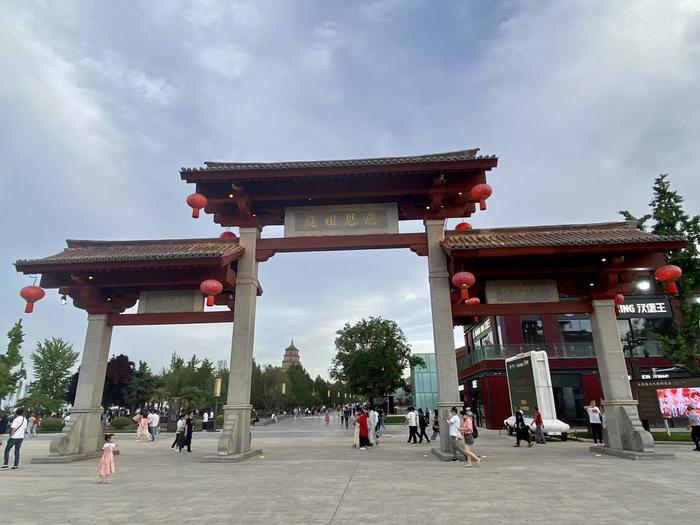
曲江文旅连亏三年 “天胡开局”为何难盈利?
Zhong Guo Jing Ying Bao· 2025-05-16 19:53
Core Viewpoint - The company Xi'an Qujiang Cultural Tourism Co., Ltd. (referred to as "Qujiang Culture Tourism") is experiencing a significant disparity between the booming tourism market in Xi'an and its own poor financial performance, continuing to face losses and operational challenges despite high visitor numbers at its attractions [2][6]. Group 1: Tourism Market Performance - During the "May Day" holiday in 2025, Xi'an received 14.75 million tourists, a year-on-year increase of 5.2%, with total spending reaching 12.33 billion yuan, up 7.55% [2]. - Qujiang Culture Tourism operates popular attractions such as the Tang Paradise and the Big Wild Goose Pagoda, which attract large crowds, especially during holidays, contributing significantly to the local tourism economy [3][4]. Group 2: Financial Performance - In 2024, Qujiang Culture Tourism reported total revenue of 1.253 billion yuan, a decrease of 16.68% year-on-year, and a net loss of 131 million yuan, although the loss narrowed compared to the previous year [6][7]. - The company has faced continuous net losses for three consecutive years, with losses of 248 million yuan in 2022, 195 million yuan in 2023, and 131 million yuan in 2024 [6][8]. Group 3: Operational Challenges - The company is criticized for its management and operational capabilities, with suggestions to optimize its management and expand consumer spaces around its attractions to enhance revenue [5][9]. - Qujiang Culture Tourism's business model, primarily based on light asset operations, has led to high accounts receivable, with a balance of 1.177 billion yuan as of December 31, 2024, which poses risks to cash flow and profitability [10]. Group 4: Debt and Shareholder Issues - The company's controlling shareholder, Xi'an Qujiang Tourism Investment Group, is facing significant debt issues, with debts and guarantees exceeding 500 million yuan, leading to judicial actions for debt recovery [10][11]. - Recent announcements indicate that shares held by the controlling shareholder are subject to auction due to debt pressures, which may impact the company's financial stability [11].

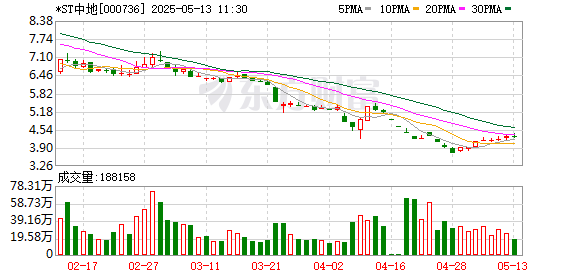
拟置出数百亿债务 *ST中地加速“去地产”
Zhong Guo Jing Ying Bao· 2025-05-13 04:29
Core Viewpoint - The restructuring plan of *ST Zhongdi aims to divest its real estate development assets and liabilities to its controlling shareholder, China Communications Real Estate Group, to improve financial health and focus on light asset operations [2][3][5] Group 1: Restructuring Details - *ST Zhongdi plans to transfer real estate-related assets and liabilities, including all equity in real estate development companies and receivables, to the controlling shareholder [5][6] - The total liabilities of *ST Zhongdi as of December 31, 2024, are approximately 47.977 billion yuan, which includes short-term and long-term borrowings, bonds payable, and other payables [6][7] - The restructuring is expected to significantly improve the company's financial condition by reducing the debt-to-asset ratio and enhancing profitability [2][3] Group 2: Financial Performance - The company has reported a cumulative net loss of approximately 6.852 billion yuan from 2023 to 2024, with a decline in revenue [3][4] - In 2024, the real estate sales revenue dropped to approximately 17.181 billion yuan, a decrease from 32.231 billion yuan in the previous year, while property management revenue increased to 728 million yuan, up from 1.1 million yuan [9][10] Group 3: Strategic Focus Post-Reorganization - After the restructuring, *ST Zhongdi will focus on property services, asset management, and operations, transitioning from a traditional heavy asset development model to a light asset operation model [9][10] - The company aims to enhance profitability and operational efficiency through resource collaboration within the group and plans to adopt a differentiated competitive strategy in the market [11]

速览一周地产行业要闻
Cai Jing Wang· 2025-04-25 08:05
Group 1 - China Communications Construction Company plans to transfer its real estate development assets and liabilities to its controlling shareholder, aiming to focus on property management and asset management to enhance profitability and asset quality [1] - Poly Developments has received approval from the China Securities Regulatory Commission to issue convertible bonds, with the approval valid for 12 months from the date of registration [2] - In Hangzhou, two residential land parcels were sold for approximately 4.473 billion, with an average premium rate of 63.7%, indicating strong demand in the real estate market [3] Group 2 - The Central Political Bureau of the Communist Party of China emphasized the need to stabilize the real estate market and implement policies to address local government debt and enhance housing supply [4] - The Ministry of Housing and Urban-Rural Development is advancing urban dilapidated housing renovations and enhancing safety management for urban and rural housing [5]


IFBH赴港上市:市场产品单一化、供应链短板暴露 对赌协议缠身高增长难持续?
Xin Lang Zheng Quan· 2025-04-22 06:22
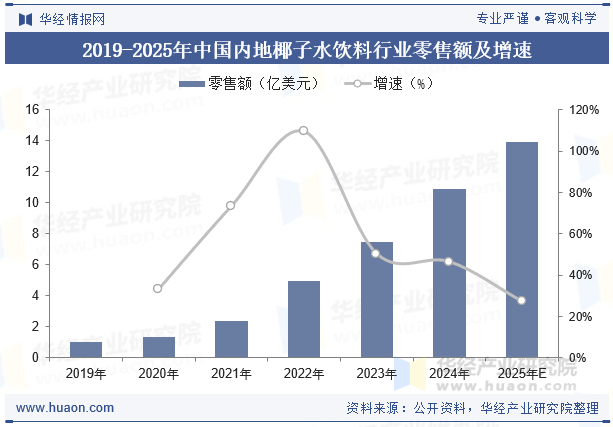
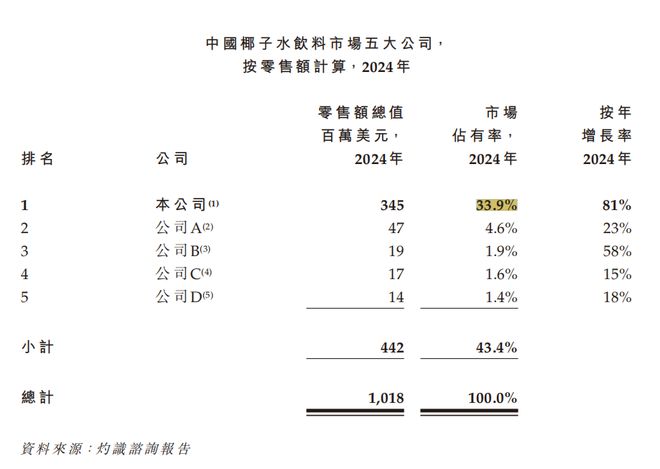
Core Viewpoint - The Hong Kong stock market's consumer sector has shown strong performance in 2025, with the China Securities Hong Kong 300 Consumer Index rising over 33%, significantly outperforming the Hang Seng Index. The food and beverage companies, particularly IFBH, have been notable performers, with a projected IPO fundraising of HKD 130-160 billion expected to attract capital market attention [1][2]. Group 1: Company Performance - IFBH reported a total revenue of USD 158 million (approximately RMB 1.15 billion) in 2024, marking an 80.2% year-on-year increase, with net profit nearly doubling to USD 33.32 million (approximately RMB 243 million) [2]. - The company's revenue from the Chinese mainland surged from USD 79.92 million to USD 146 million, contributing 91.4% and 92.4% to total revenue in 2023 and 2024, respectively [2]. - IFBH's coconut water product accounted for approximately 93.8% and 95.6% of total revenue in 2023 and 2024, respectively, while other beverages and plant-based snacks contributed less than 3% [2]. Group 2: Market Position and Strategy - IFBH has established itself as a leader in the coconut water market, holding a 60% market share in Hong Kong and 34% in mainland China in 2024, making it the second-largest coconut water company globally after Vita Coco [5]. - The company operates a light asset model, relying on third-party manufacturers and logistics providers, which allows it to maintain a lean workforce of only 46 employees while achieving high revenue per employee [6]. - Marketing expenditures have significantly increased, with a 100.8% rise from USD 3.66 million to USD 7.36 million, surpassing revenue growth, indicating a heavy focus on brand promotion [7]. Group 3: Risks and Challenges - The company's heavy reliance on a single product (coconut water) and market (China) poses significant risks, as any shifts in consumer preferences or market conditions could adversely affect performance [5]. - Supply chain vulnerabilities are evident, with a high concentration of suppliers and customers, leading to potential cost pressures from raw material price fluctuations and competitive pricing strategies [8][10]. - IFBH faces pressure from a share buyback agreement that could require significant capital if the company fails to go public by the end of 2026, potentially amounting to USD 31.99 million, which is 96% of its projected net profit for 2024 [11][12].
46名员工和俩经销商撑起国内椰子水第一品牌 轻资产模式或成IFBH上市障碍
Zhong Guo Jing Ying Bao· 2025-04-16 11:24
真正让外界对其保持高度关注的原因之一,在于其高度轻资产的运营模式。 本报记者 蒋政 北京报道 IFBH Pte. Ltd.(以下简称"IFBH")——这家核心市场在中国内地的泰国椰子水公司,正在筹划在香港 上市。 该公司运营if椰子水品牌以及Innococo产品。其中,凭借着if品牌的增长,IFBH公司成为全球椰子水饮 料市场第二大公司,并在中国内地椰子水饮料市场占据第一。 《中国经营报》记者注意到,在2024年,IFBH公司实现营收1.58亿美元,利润为3331.6万美元。但该公 司员工数量为46人,在国内市场只有两个经销商运营if品牌。而中国市场是IFBH公司的主阵地,内地业 务营收占比超90%。 香颂资本执行董事沈萌表示,上下游高度集中很容易导致拟上市企业业务和业绩的独立性受第三方影 响,缺少风险防范与平衡的能力。相关部门可能会对此进行关注。 46名员工背后的轻资产模式 尽管中国是IFBH公司最大的市场,该公司却在国内没有一名员工。 IFBH公司在2024年的46名员工中,新加坡有3人,泰国有43人。展开来说,销售、研发、仓配、行政财 务人事员工数量分别为20人、5人、6人、12人。 极致的人效比,源于 ...
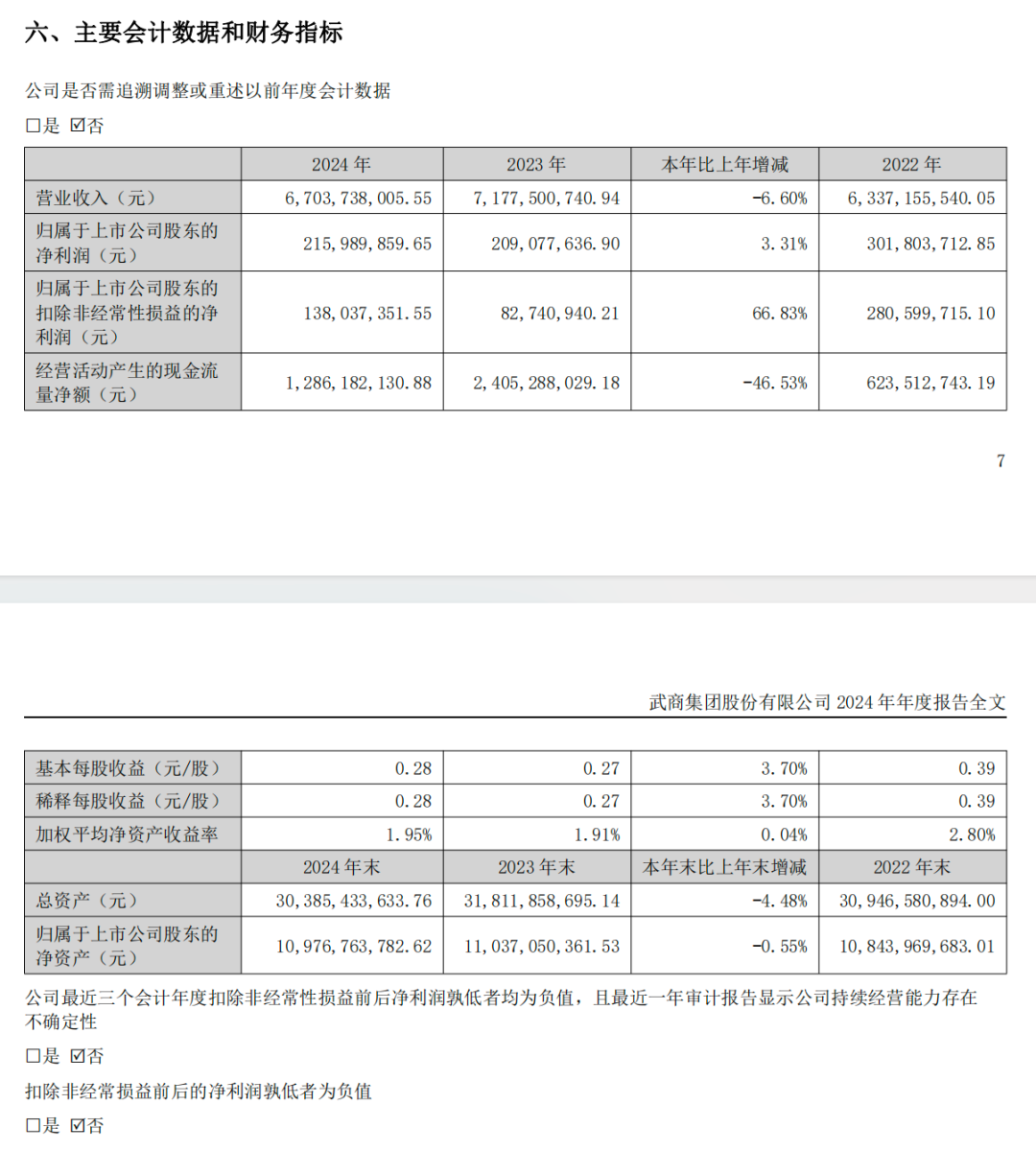
武商集团布局会员店,正面对垒山姆
Tai Mei Ti A P P· 2025-04-16 02:55
Core Viewpoint - Wushang Group is undergoing a strategic transformation by entering the warehouse membership store sector, responding to declining traditional retail revenues and profits while aiming to capture new consumer trends [1][2][23] Financial Performance - In 2024, Wushang Group reported operating revenue of 6.70 billion yuan, a decrease of 6.6% year-on-year, while net profit attributable to shareholders was 216 million yuan, a slight increase of 3.31% [2][3] - The net profit after excluding non-recurring gains was 138 million yuan, reflecting a significant increase of 66.83% year-on-year, indicating challenges in core business growth [2][3] - The company closed 11 supermarket stores in 2024, highlighting the high operational costs of labor-intensive formats [6][14] Market Position and Competition - Wushang Group's entry into the warehouse membership store market is set against a backdrop of intense competition in Wuhan, where major players like Sam's Club have established a strong presence [12][18] - Sam's Club operates three stores in Wuhan with a fourth under construction, leveraging a robust supply chain and high customer loyalty [12][18] - Wushang Group's strengths include its extensive local presence and property resources, with over 90% of its properties owned, providing a strategic advantage for new store locations [12][19] Strategic Initiatives - The establishment of Wushang Jiangtun Membership Store marks a significant shift towards a high-margin, high-loyalty business model [1][19] - The company aims to leverage its local supply chain and digital marketing capabilities to enhance its competitive edge in the membership store sector [12][21] - Wushang Group is exploring a "light asset operation model" to facilitate rapid replication of its membership store format, potentially allowing for a broader regional presence [21][23] Challenges and Considerations - The company faces challenges in building a compelling membership ecosystem, particularly in competing with established brands like Sam's Club that offer a combination of products and services [14][19] - There is a need for a skilled team capable of managing both product sourcing and membership operations, as well as overcoming supply chain restructuring difficulties [19][21] - Consumer acceptance of the paid membership model in Wuhan remains uncertain, especially with existing competition already capturing significant market share [19][23]