房地产发展新模式

Search documents
确诊266例!韩国多地发出警报;“男子砸记者采访设备”,警方通报;中国与澳大利亚,正式签了
第一财经· 2025-07-16 01:10
Group 1 - China and Australia signed a memorandum on the implementation and review of the China-Australia Free Trade Agreement [2] - South Korea issued malaria alerts in multiple regions, with 266 confirmed cases reported [3] - The Central Urban Work Conference emphasized the need to accelerate the construction of a new real estate development model and promote the renovation of urban villages and dilapidated housing [6] Group 2 - China's GDP growth for the second quarter was reported at 5.2%, with a total GDP of 66,053.6 billion yuan for the first half of the year, reflecting a year-on-year growth of 5.3% [7] - The National Bureau of Statistics is formulating measures to enhance market order and address "involution" competition in certain industries [8] - The Ministry of Commerce announced adjustments to the "Catalog of Technologies Prohibited from Exporting and Restricted from Exporting," including the deletion and addition of specific technology items [9] Group 3 - The Ministry of Industry and Information Technology is drafting mandatory national standards for mobile power supplies, including safety requirements for lithium-ion batteries [11] - The Ministry of Industry and Information Technology will enhance services for new vehicle registration and facilitate quick checks for companies [12] - The National Medical Insurance Administration has initiated the 11th batch of centralized drug procurement, selecting 55 varieties for procurement [13] Group 4 - A large-scale vocational skills training initiative will be launched from 2025 to 2027, focusing on increasing the supply of skilled labor in manufacturing and service industries [14] - A significant heatwave is affecting many regions in China, with record high temperatures reported [15] - The National Development and Reform Commission announced a reduction in fuel prices, with gasoline prices decreasing by 0.10 yuan per liter [16] Group 5 - Beijing's housing provident fund policy has been updated to allow quarterly rent payments [18] - Shanghai introduced nine measures to support high-quality content creation in the internet sector [19] - A local outbreak of Chikungunya fever was reported in Foshan, Guangdong, with 478 confirmed cases [20] Group 6 - President Trump announced a significant trade agreement with Indonesia, including commitments for purchasing U.S. energy and agricultural products [21] - Trump suggested that the Federal Reserve should lower interest rates by 3 percentage points [22] - The U.S. Department of Health and Human Services laid off thousands of employees as part of a large-scale downsizing plan [25] Group 7 - NVIDIA's CEO announced plans to resume sales of the H20 GPU in China and introduced a new GPU compatible with the Chinese market [28] - Delta Airlines is reportedly disassembling new Airbus A321neo aircraft in Europe to avoid tariffs by returning U.S.-made engines to the U.S. [29] - U.S. stock indices showed mixed results, with the Nasdaq rising by 0.18% and the Dow Jones falling by 0.98% [30]



时隔十年,重磅会议再度召开,释放了哪些信号?
财联社· 2025-07-15 23:13
Core Viewpoint - The Central Urban Work Conference marks a significant shift in China's urban development strategy, transitioning from rapid growth to stable development, emphasizing urban renewal and quality improvement in real estate [1][2][9] Group 1: Urban Development Strategy - The conference highlights the importance of urban renewal as a key strategy for high-quality urban development, aiming to create modern, resilient, and livable cities [2][4] - The focus is on optimizing urban structures, enhancing quality, and promoting green transformation, while ensuring urban safety [2][7] Group 2: Real Estate Market Implications - Urban renewal is expected to stimulate both supply and demand in the real estate market, with potential support from government initiatives such as special bonds and REITs [3][4] - The emphasis on constructing a new real estate development model reflects a shift towards quality competition rather than mere scale expansion, with a focus on green building standards and improved housing quality [5][9] Group 3: Policy and Implementation - The conference calls for local governments to prioritize urban renewal, which is anticipated to lead to more supportive policies and encourage diverse participation in urban development [4][5] - The ongoing efforts in the renovation of urban villages and dilapidated housing are seen as critical to revitalizing the real estate market and addressing housing needs [8] Group 4: Future Outlook - The systematic deployment of urban development strategies aims to achieve a balance between supply and demand in the real estate market, with expectations of stabilizing housing prices [9] - Future competition among real estate companies is likely to focus on green technology, operational capabilities, and deep regional engagement [9]

时隔十年再召开!中央城市工作会议明确→
第一财经· 2025-07-15 15:53
2025.07. 15 本文字数:2089,阅读时长大约4分钟 作者 | 第一财经 吴斯旻 时隔十年,中央城市工作会议再度召开。面对我国人口总量增速和城镇化率增速相继迈入拐点,此次 会议明确,推进城市更新,将成为当前和今后一个时期城市工作的重要抓手。 据新华社消息,中央城市工作会议7月14日至15日在北京举行。中央城市工作会议是党中央召开的最 高规格的城市工作会议。除了此次会议,最近一次的中央城市工作会议召开于2015年。 会议指出,我国城镇化正从快速增长期转向稳定发展期,城市发展正从大规模增量扩张阶段转向存量 提质增效为主的阶段。城市工作要深刻把握、主动适应形势变化,转变城市发展理念,更加注重以人 为本;转变城市发展方式,更加注重集约高效;转变城市发展动力,更加注重特色发展;转变城市工 作重心,更加注重治理投入;转变城市工作方法,更加注重统筹协调。 自上一次中央城市工作会议以来,这一高级别会议在布局未来城市工作时均突出强调了"因地制宜", 提高各方推动城市发展的积极性和城市发展的宜居性,推动城市工作向内涵式转型,释放城市发展新 动能等内容。 根据此次会议对于当前和今后一个时期城市工作提出的总体要求,要认真践 ...
2025年中央城市工作会议点评:从增量扩张转向存量提质,并强调以城市更新为重要抓手
Shenwan Hongyuan Securities· 2025-07-15 15:15
Investment Rating - The report maintains an "Overweight" rating for the real estate and property management sectors, indicating a positive outlook for these industries [5][14][25] Core Insights - The central urban work conference held from July 14 to 15, 2025, marks a transition in China's urbanization from rapid growth to stable development, emphasizing quality over quantity in urban expansion [5][6] - The conference highlights the importance of urban renewal as a key strategy for high-quality urban development, aligning with previous action plans and signaling forthcoming supportive policies [5][6] - The report anticipates that urban development will increasingly focus on core cities, with a shift towards improving existing urban stock rather than expanding new areas [5][6] - Future urban development is expected to differentiate between cities, with a strong emphasis on creating modern, livable, and resilient urban environments [5][6] Summary by Sections Urban Development Transition - The report notes that urbanization is moving from a phase of rapid growth to one of stable development, with a focus on enhancing existing urban quality [5][7] - The emphasis is on integrated planning for population, industry, urban areas, and transportation to optimize urban spatial structures [5][9] Urban Renewal as a Strategy - Urban renewal is identified as a critical lever for achieving high-quality urban development, with expectations for specific policies to be implemented following the conference [5][8] - The report suggests that urban renewal efforts will be concentrated in first and second-tier cities, reflecting a strategic shift in urban planning [5][8] Future Urban Development Focus - The report outlines seven key tasks for urban work, including optimizing urban systems, fostering innovation, enhancing livability, promoting green cities, ensuring safety, cultivating cultural values, and developing smart cities [8][9][10] - The focus on creating "good housing" aligns with the broader goal of improving living conditions and urban quality, with potential support for quality real estate companies [5][9] Investment Recommendations - The report recommends specific companies within the real estate sector, including those with strong product capabilities and those positioned for valuation recovery, as well as second-hand housing intermediaries and property management firms [5][14][16]



【新华解读】政策成效明显 未来需更大力度推动房地产市场止跌回稳
Xin Hua Cai Jing· 2025-07-15 14:25
Core Viewpoint - The Chinese government is implementing measures to stabilize the real estate market, with a focus on "city-specific" policies to promote recovery and prevent further decline [1][3]. Group 1: Market Performance - In the first half of the year, the national sales area of new commercial housing decreased by 3.5% year-on-year, a reduction of 15.5 percentage points compared to the same period last year [2]. - The sales amount of commercial housing fell by 5.5%, with a narrowing of 19.5 percentage points compared to the previous year [2]. - The transaction volume in the real estate market is showing signs of improvement, particularly in the second-hand housing market, which has seen an increase compared to last year [2]. Group 2: Price Trends - The overall decline in market prices has narrowed, with some cities experiencing price increases. In June, the year-on-year price decline for new residential properties in first, second, and third-tier cities narrowed by 0.3, 0.5, and 0.3 percentage points respectively [2]. - Cities like Shanghai and Changsha are leading in price increases, with Shanghai representing a strong market and Changsha benefiting from supportive purchasing policies [2]. Group 3: Funding and Debt Management - The funding sources for the real estate market have improved, with a 16.4 percentage point reduction in the decline of funds for real estate development companies compared to last year [3]. - Domestic loans for real estate increased by 0.6%, contrasting with a 6% decline last year [3]. - The inventory reduction has been positive, with a decrease of 4.79 million square meters in unsold commercial housing from May to June [3]. Group 4: Future Policy Directions - There is an expectation for increased support policies in the second half of the year, focusing on acquiring affordable housing, promoting urban renewal, and expediting loan disbursements for "white list" projects [4]. - The potential for targeted interest rate cuts on residential loans exists, although uncertainties remain regarding their impact on actual loan rates [4]. - The central government's upcoming meetings and local government initiatives are anticipated to further implement policies aimed at stabilizing and revitalizing the real estate market [4].
10年了,房地产作为支柱产业的地位依旧不容置疑
Mei Ri Jing Ji Xin Wen· 2025-07-15 12:50
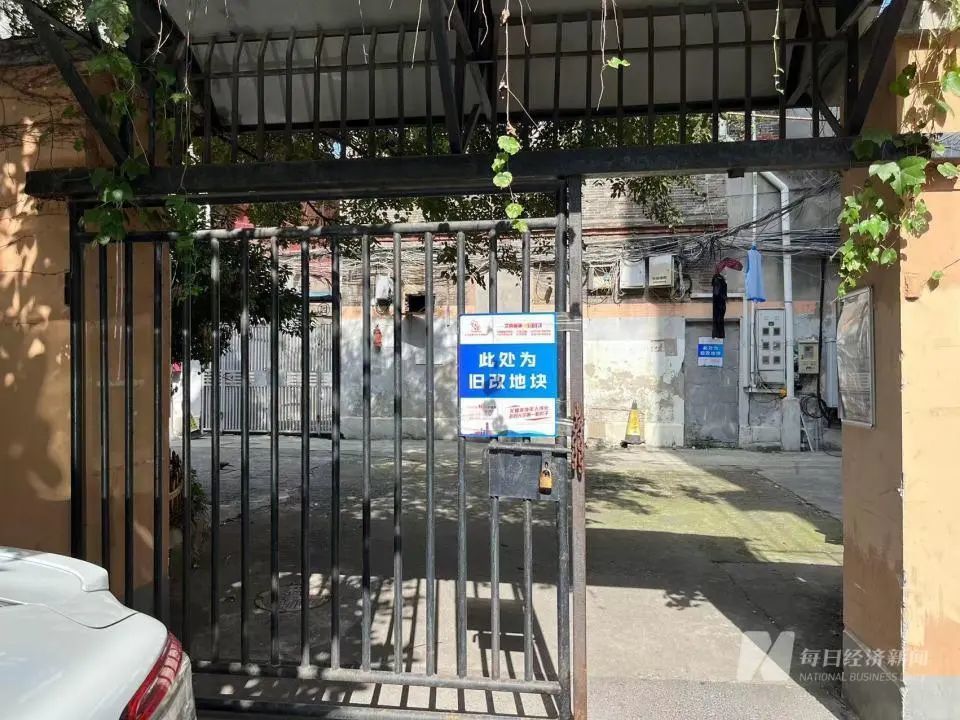
会议部署了城市工作七个方面的重点任务,包括优化城市体系、建设创新城市、建设宜居城市、建设美丽城市、建设韧性城市、建设文明城市、建设智慧 城市等。其中提到的构建房地产发展新模式、推进城中村和危旧房改造等内容,受到市场广泛关注。 广东省城乡规划院住房政策研究中心首席研究员李宇嘉在接受《每日经济新闻》记者采访时表示,中央城市工作会议召开频率较低,距离上次会议已时隔 10年。城市发展方式从增量转向存量,从外延转向内涵,从房地产单边突进到统筹房地产与产业、就业和人口等,这些都是非常巨大的变化。 据新华社,中央城市工作会议7月14日至15日在北京举行。 会议指出,我国城镇化正从快速增长期转向稳定发展期,城市发展正从大规模增量扩张阶段转向存量提质增效为主的阶段。 01 进入城市更新的重要时期 根据中央城市工作会议部署,接下来城市工作将着力优化现代化城市体系,发展组团式、网络化的现代化城市群和都市圈,分类推进以县城为重要载体的 城镇化建设,继续推进农业转移人口市民化,促进大中小城市和小城镇协调发展,促进城乡融合发展。 在建设富有活力的创新城市方面,依靠改革开放增强城市动能,高质量开展城市更新,充分发挥城市在国内国际双循环中的 ...
2025年7月城市工作会议点评:地产新模式与城改助力建设宜居城市
Yin He Zheng Quan· 2025-07-15 12:44
Investment Rating - The report maintains a "Recommended" rating for the real estate industry [1]. Core Insights - The urbanization process in China has transitioned from a rapid growth phase to a stable development phase, with the urbanization rate reaching 67% in 2024, an increase of 6.76 percentage points from 60.24% in 2017 [2]. - The report emphasizes the need for a new model of real estate development, focusing on improving the quality of existing urban areas rather than expanding into new ones. This includes the renovation of urban villages and dilapidated housing [2]. - The report suggests that the new real estate development model will involve a mechanism that links population needs with housing supply, optimizing the housing supply system to include both affordable housing and commercial properties [2]. - The report highlights the importance of urban village and dilapidated housing renovations, with a target of adding 1 million units for such renovations by October 2024, which is expected to improve living conditions and enhance urban livability [2]. - The report identifies potential investment opportunities in leading real estate companies such as China Merchants Shekou, Poly Developments, and Longfor Group, among others, suggesting that these companies may benefit from lower financing costs and high market share in core areas [2]. Summary by Sections Urbanization Transition - The urbanization rate in China has increased to 67% in 2024, marking a significant rise from previous years [2]. - The focus has shifted from large-scale expansion to enhancing the quality of existing urban areas [2]. New Real Estate Development Model - The report outlines a new model that emphasizes the linkage between population needs and housing supply, aiming for a more efficient housing supply system [2]. - It suggests a dual approach to housing supply, integrating affordable housing with commercial real estate [2]. Urban Renovation Initiatives - The report mentions a goal of 1 million units for urban village and dilapidated housing renovations by October 2024, which is expected to improve urban living conditions [2]. - The renovation efforts are anticipated to release additional housing demand through appropriate monetary compensation schemes [2]. Investment Recommendations - The report recommends focusing on leading real estate firms such as China Merchants Shekou, Poly Developments, and Longfor Group for potential investment opportunities [2]. - It also suggests monitoring quality developers and property management companies for investment prospects [2].
时隔十年再开重磅中央城市工作会议,如何解读?
Guan Cha Zhe Wang· 2025-07-15 09:55
会议指出,党的十八大以来,党中央深刻把握新形势下我国城市发展规律,坚持党对城市工作的全面领 导,坚持人民城市人民建、人民城市为人民,坚持把城市作为有机生命体系统谋划,推动城市发展取得 历史性成就,我国新型城镇化水平和城市发展能级、规划建设治理水平、宜业宜居水平、历史文化保护 传承水平、生态环境质量大幅提升。 在总体目标方面,提出以建设创新、宜居、美丽、韧性、文明、智慧的现代化人民城市为目标,以推动 城市高质量发展为主题,以坚持城市内涵式发展为主线,以推进城市更新为重要抓手,大力推动城市结 构优化、动能转换、品质提升、绿色转型、文脉赓续、治理增效,牢牢守住城市安全底线,走出一条中 国特色城市现代化新路子。 在会议部署城市工作的7个方面重要工作中,在涉及到房地产相关的表述中提到,一是要着力建设舒适 便利的宜居城市。坚持人口、产业、城镇、交通一体规划,优化城市空间结构;加快构建房地产发展新 模式,稳步推进城中村和危旧房改造;大力发展生活性服务业,提高公共服务水平,牢牢兜住民生底 线。 二是要着力建设安全可靠的韧性城市。推进城市基础设施生命线安全工程建设,加快老旧管线改造升 级;严格限制超高层建筑,全面提升房屋安全保 ...

城市发展从增量到存量 中央城市工作会议传递六大信号
2 1 Shi Ji Jing Ji Bao Dao· 2025-07-15 09:27
Core Insights - The central urban work conference held on July 14-15 emphasizes the transition of urbanization in China from rapid growth to stable development, focusing on quality improvement and efficiency in existing urban areas [1][4][5] Group 1: Urban Development Transition - The meeting marks a significant shift in urban development philosophy, moving from large-scale expansion to enhancing existing urban quality and efficiency [1][4] - The urbanization rate of China's permanent population increased from 53.1% in 2012 to an expected 67% in 2024, indicating a substantial shift towards urban living [3] - The conference outlines the need for a modern urban system that supports coordinated development among large, medium, and small cities, promoting urban-rural integration [6] Group 2: Key Urban Development Tasks - Seven key tasks were identified, including optimizing the modern urban system, building innovative cities, and enhancing livability [1][6] - The focus on high-quality urban renewal is highlighted, with policies aimed at improving urban appearance and livability while generating new industrial demand [8][10] - The importance of constructing green, low-carbon cities aligns with the growing emphasis on sustainable urban development [11] Group 3: Housing and Real Estate Policies - The meeting reiterates the continuation of real estate regulation policies, emphasizing the need for a new development model in the housing sector [9][10] - Urban renewal initiatives, particularly in transforming urban villages and dilapidated housing, are expected to stimulate significant investment, estimated in the tens of trillions [10] - The real estate sector's role as a pillar industry remains crucial, with increased focus on second-hand housing transactions and urban renewal driving consumption in related industries [10] Group 4: Governance and Citizen Engagement - The conference stresses the need for innovative urban governance models, enhancing citizen participation in urban management [12] - Emphasis is placed on building resilient cities through improved infrastructure safety and cultural heritage preservation [11][12] - The call for smart city development indicates a shift towards integrating technology in urban management to address citizen needs effectively [11]

快评|中央城市工作会议有关房地产的五点解读
克而瑞地产研究· 2025-07-15 07:52
Core Viewpoint - The article emphasizes the need for a transformation in the real estate industry towards a "high-quality, low-risk, and sustainable" development model, supported by coordinated efforts on both supply and demand sides to stabilize the market in the short term and guide long-term growth [1][14]. Summary by Sections Urbanization and Housing Demand - The urbanization rate in China has increased from 53.1% in 2012 to 67% in 2024, with 940 million people living in urban areas. This urbanization has led to over 150 million new jobs and a stable influx of agricultural migrants into cities, which continues to support housing demand [2][3]. - The gap between the permanent urban population and registered urban population remains significant, indicating ongoing demand for housing driven by the urbanization of agricultural migrants [3]. Urban Development Strategy - The recent Central Urban Work Conference outlines a shift from rapid urban growth to stable development, focusing on improving existing urban areas rather than expanding them. This includes a more human-centered approach and efficient urban development [3][5]. - The conference emphasizes the importance of regional coordination in urban development, particularly in major urban clusters like the Beijing-Tianjin-Hebei region, the Yangtze River Delta, and the Guangdong-Hong Kong-Macau Greater Bay Area [5]. County-Level Urbanization - A significant portion of county-level cities (over 50%) have urbanization rates below 60%, indicating substantial potential for growth and housing demand in these areas, where 610 million residents live with an average urbanization rate of only 44% [6]. Supply-Side Adjustments - The strategy includes optimizing the supply structure by controlling new land supply and enhancing the quality of existing urban areas. This involves revitalizing underutilized land and increasing the supply of high-quality residential properties [8][10]. - The government aims to improve housing quality through new regulations that enhance safety and comfort standards in residential buildings, marking a shift towards providing "good housing" [12][13]. Market Dynamics and Future Outlook - The focus on urban renewal and the improvement of living conditions in older neighborhoods is expected to stimulate demand for improved housing, contributing to a new equilibrium in the real estate market [9][10]. - The article concludes that the ongoing urbanization will continue to support housing demand, with market share likely concentrating in core urban clusters. The coordinated efforts on both supply and demand will help stabilize the market and promote a sustainable development model in the real estate sector [14].