
普惠金融

Search documents
11月普惠金融-景气指数:融资环境改善,企业经营韧性凸显
Xin Hua Wang· 2025-12-22 05:21
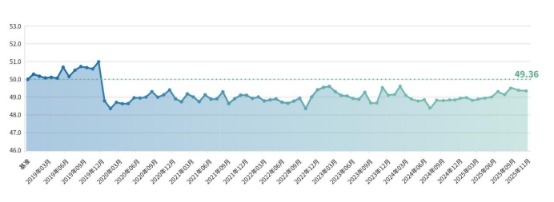
2025年11月,普惠金融-景气指数达49.36点,较10月下降0.03点,高于去年同期0.51点。融资端成本稳 中有降,金融扶持政策精准有效,信贷结构持续优化;经营端市场下行压力缓和,小微企业发展韧性增 强,经济增长内生动力稳步提升。 图1 普惠金融-景气指数结果 融资景气度温和回升 分维度来看,11月,融资景气度指数为54.83点,较10月上升0.14点。企业融资成本维持在历史低位,11 月,企业新发放贷款(本外币)加权平均利率约为3.1%,比上年同期低约30个基点。贷款规模保持合理增 长,信贷结构持续优化。中国人民银行数据显示,截至11月末,普惠小微贷款余额、制造业中长期贷款 余额同比增速分别达到11.4%、7.7%,均高于同期其他各项贷款增速。 图2 分维度-融资景气度指数结果 图3 分维度-经营景气度指数结果 行业景气度:九大行业4升5降 分行业来看,11月,九大行业经营景气度指数呈4升5降的趋势。阶段性消费热潮拉动效应凸显,线上促 销与线下零售联动刺激了批发零售需求。年末基建项目加快施工进度,政策推动建筑活动边际回暖,建 筑业和房地产业经营景气度指数微升。行业技术创新带动信息服务业需求增长。农林牧 ...

加快完善多层次、广覆盖、可持续的普惠金融体系
Jin Rong Shi Bao· 2025-12-22 05:04
2025年中央经济工作会议提出"引导金融机构加力支持中小微企业等重点领域",明确了金融机构未来的 信贷投放重点,将中小微企业置于与扩大内需、科技创新同等重要的位置。中小微企业是普惠金融最主 要的服务群体。会议要求金融机构"加力支持",意味着未来在信贷资源、产品创新和服务模式上,都会 向这一群体倾斜。这为新时代普惠金融发展指明了根本方向,提供了根本遵循。普惠金融作为现代金融 体系的关键组成部分,其核心使命在于通过制度创新、技术赋能与政策协同,使传统上被排除在正规金 融服务之外的弱势群体能够以合理成本获取便捷、有效的金融服务,在支持实体经济、缓解贫困、推动 乡村振兴和实现共同富裕等方面发挥着日益重要的作用。 (四)生态优化:构筑可持续发展的基础设施与保护屏障。"十四五"期间,我国金融基础设施的功能支 撑作用至关重要。支付体系建设方面,重点聚焦农村地区支付环境的优化升级,为农村市场提供了兼具 安全性与可靠性的支付服务;信用信息系统建设方面,成功构建了多层级的信用档案平台与共享机制, 实现了公共信用信息与银行信贷流程的深度融合,促进普惠信贷的高效发放。普惠金融生态建设中,金 融消费者权益保护是不可忽视的重要环节。随着 ...
让现金支付不再“碰壁” 央行等三部门发布新规为你“撑腰”
Jin Rong Shi Bao· 2025-12-22 05:02
Core Viewpoint - The People's Bank of China, along with other regulatory bodies, has established the "Regulations on Cash Payment and Service of Renminbi" to enhance the cash payment environment amidst the growing trend of digital payments, ensuring that cash remains a viable payment option for all demographics [1][2]. Group 1: Principles of the Regulations - The regulations adhere to five fundamental principles: prioritizing financial services for the public, addressing emerging issues in cash transactions, implementing comprehensive measures, promoting collaborative governance, and enforcing legal penalties against entities that refuse cash payments [2]. Group 2: Requirements for Payment Scenarios - The regulations specify that cash payments must be supported in scenarios involving face-to-face services and transactions that can be completed in person, while also mandating clear signage regarding payment methods in self-service environments [3][4]. - Entities that conduct all transactions online must publicly disclose their payment methods in advance, respecting the public's right to know and choose [3]. Group 3: Banking Sector Obligations - Banks are required to facilitate cash deposit and withdrawal services, ensuring that their branches and ATMs are accessible to meet diverse customer needs, while also managing cash flow to prevent the circulation of unfit currency [5]. - In cases of cash payment refusal, the public is encouraged to negotiate with the service provider and report any discriminatory practices through official channels, with the central bank and relevant authorities committed to addressing such complaints [5].
家财险进家门还有几道坎
Zhong Guo Jing Ji Wang· 2025-12-22 03:31
Core Insights - The importance of household property insurance (家财险) has been highlighted due to rising concerns over fire safety in high-rise buildings, yet its market penetration in mainland China remains low at under 5%, compared to over 30% in Hong Kong and 70% in Europe and the US [1][2] Group 1: Market Awareness and Perception - Public awareness of household property insurance is low in mainland China, with many families lacking a clear understanding of property risks; 80% mistakenly believe that property risks are covered by property management [1][2] - The perception of household property insurance as a homogeneous product leads to weak demand, as consumers view it as offering similar coverage for homes, appliances, and furniture without addressing diverse needs [2][3] Group 2: Structural and Supply-Side Challenges - The structural differences in housing between China and Western countries contribute to the low uptake of household property insurance; Chinese homes are primarily concrete structures, which are perceived to have lower risk exposure [2][3] - Household property insurance is often regarded as a "small insurance product" by insurers, leading to limited resource allocation and a narrow sales channel, which hampers its development [3] Group 3: Opportunities for Product Innovation - There is significant potential for optimizing and innovating household property insurance products, with suggestions to enhance product design through targeted coverage for different housing types and risk scenarios [5][6] - The integration of high-frequency life services into insurance products, such as safety inspections and home maintenance, can increase product value and customer loyalty [6] Group 4: Government and Policy Support - The Chinese government is increasingly recognizing the role of household property insurance in financial inclusion and risk management, with initiatives to promote it as part of the social safety net [7][8] - Local governments are experimenting with affordable household property insurance products tailored to urban housing needs, which offer comprehensive coverage at lower premiums [7][8]
南通农商银行 多维布局构建普惠金融服务新生态
Jiang Nan Shi Bao· 2025-12-22 03:28
近期,南通农商银行通过伴访督导、业务攻坚、渠道搭建与科技金融创新等多维度举措,将金融服务延 伸至小微企业、农村客户和科技型企业。11月单月,该行贷款单户授信1000万元及以下贷款展业新进件 1065户,金额达5.91亿元,展现了其深耕本土、服务实体的成效。 精准督导,夯实业务发展根基。该行着力做实做细伴访督导,返检前期整村授信、重点客群营销等工作 推进情况,对落后支行开展重点督进,覆盖晨会列席、走访陪同、业绩盘点等多个维度,有力提升营销 转化质效。聚焦重点业务攻坚,召开省农担业务专项督进会,明确必保任务与奖惩政策。同时发布整村 授信旺季营销活动方案,围绕"一十百千"目标,把握年底外地经商客户集中返乡契机,拓展优质资源, 提升业务覆盖面。此外,深入开展川姜区域信贷营销专项行动,探索建立负面清单与小额贷款快速授信 机制,形成部门协同合力。截至11月,累计走访2428户,成功挖掘意向客户170户,新增贷款96户共计 1.39亿元。 多维联动,构建开放合作生态。一方面,该行在与通州区农业农村局成功签订战略合作协议的基础上, 进一步围绕金融顾问服务农民专业合作社的具体方案进行宣导,深化与通州区政府及各乡镇的合作层 次。 ...
金融活水润百县 交通银行信用卡激活县域消费新动能
Ren Min Wang· 2025-12-22 02:58
Core Viewpoint - Consumption is identified as the main engine driving economic growth and is crucial for facilitating domestic circulation. The Bank of Communications is actively implementing measures to boost consumption through various promotional activities [1] Group 1: Financial Support for Consumption - The People's Bank of China and six other departments have issued guidelines to enhance financial support for key consumption areas, encouraging innovation in financial products tailored to consumption scenarios [2] - The Bank of Communications has launched the "Hundred Counties and Ten Thousand Stores" initiative, targeting county markets to improve financial service accessibility [2] Group 2: Three-Tiered Consumption Activation - The Bank of Communications has established a three-tier upgrade system focusing on basic, improved, and new consumption to stimulate county-level consumer activity [3] - For basic consumption, the bank is creating a network of inclusive services that integrates high-frequency consumption scenarios like dining and home services [3] - To enhance improved consumption, the bank is leveraging government subsidies and credit card advantages to meet the demand for quality upgrades in appliances, home decor, and automobiles [3] - The bank is fostering new consumption through a dual empowerment system combining digital and scenario-based approaches, utilizing the "Buy Now" app and various promotional events [3] Group 3: Local Economic Revitalization - In regions like Yiwu, local businesses embodying cultural heritage are becoming key consumer attractions, supported by the bank's initiatives [4] - The "Cultural Tourism + Consumption" strategy is revitalizing local merchants, allowing residents to enjoy affordable local cuisine while accessing financial services [4] - The bank aims to continue stimulating consumption through events like "Most Popular Friday" and "Year-End Celebration," while enhancing its network of inclusive services [4]

央行发布一次性信用修复政策!
新华网财经· 2025-12-22 02:06
新华鲜报丨卸下"包袱"!个人信用修复助力轻装前行 中国人民银行12月22日发布一次性信用修复政策,符合相关条件的逾期信息,将不会在个人信用报告中予以展示,助力个人高效便捷重塑信用,卸下"包 袱"轻装前行。 为何要推出一次性信用修复政策? 俗话说"有借有还,再借不难",征信信息可以展现一个人在经济金融活动中的守约情况。 自2006年正式上线,全国集中统一的企业和个人征信系统已成为我国重要的金融基础设施。截至11月末,征信系统已采集11.6亿自然人的信息,其中8.1亿 人有信贷记录,年度累计查询量达65.8亿次。 目前个人信用报告会展示最近5年的逾期记录,自逾期欠款还清之日起超过5年的逾期记录不再展示。 据介绍,政策严格限定了信用修复的范围,须同时满足三个条件: 逾期信息产生于2020年1月1日至2025年12月31日期间;单笔逾期金额不超过1万元;要 在2026年3月31日(含)前足额偿还逾期债务。 符合上述条件的逾期信息,将不会在个人信用报告中予以展示。 此次修复个人信用的政策,从多个方面展现出"诚意满满"的政策温度。 从便捷性来看,政策突出"免申即享"的特点,个人无需跑网点、填材料,由中国人民银行征信系统对 ...

厦门国际银行上海分行推进金融“五篇大文章”协同发力,书写高质量发展新篇章
Jin Rong Jie· 2025-12-22 02:06
截至2025年10月末,该行科技金融余额突破120亿元,2025年1-10月净增超过37亿元,实现业务规模与 服务能效双重提升,为科技创新与产业升级提供了有力的金融保障。 厦门国际银行上海分行荣获多项金融科技创新类奖项 绿色金融蓄力加码助推经济低碳转型 厦门国际银行上海分行锚定"十五五"战略规划布局,深入贯彻中央经济工作会议精神,紧密围绕金 融"五篇大文章",主动融入上海国际金融中心建设和长三角一体化发展大局,精准契合总行产业专业化 战略定位,构建具有区域特色的差异化发展路径,以务实举措赋能实体经济,为区域高质量发展注入强 劲金融动力。 科技金融精准滴灌赋能产业创新发展 厦门国际银行上海分行紧扣产业发展脉动,升级"产业专业化3.0"策略,深耕科技型企业全周期服务, 针对重点科技产业开展精准营销与深度拓展。该行持续优化服务机制、完善服务流程、创新金融产品, 为科技企业从初创到成熟的各个发展阶段提供适配的金融支持。 聚焦双碳目标,厦门国际银行上海分行持续完善绿色金融产品体系,推动绿色金融与转型金融协同发 展。一方面积极支持传统产业节能降耗改造,助力重点行业能效提升项目落地;另一方面结合产业专业 化总体战略,锚定新 ...
金融赋能显担当 绘就地方发展新图景
Xin Hua Ri Bao· 2025-12-21 21:53
□ 屈云峰 服务效能持续升级,提升群众体验质感。以提升服务效能为核心在乡镇、行政村布局168个普惠金融服 务点,整合"助农取款、社保缴费、村务政务、金融知识宣传"四大基础功能,今年以来累计办理助农取 款17万笔,换发社保卡245张,服务"苏服办"事项2380人次,大幅节省群众办事时间。同时,与国土部 门合作开发不动产抵押登记系统,实现抵押贷款登记"一站式"办理,让市民无需多头跑,办理效率显著 提升,以优质服务让群众感受到金融温度。 该行相关负责人表示,泰兴农商银行将继续坚守本土银行使命,聚焦地方发展需求,持续深化金融创 新、优化服务供给,为地方经济高质量发展和民生福祉提升提供更加强劲的金融支撑。 深耕乡村振兴沃土,激活乡村发展动能。通过"大数据+网格化+铁脚板"工作模式,实现全市行政村"整 村授信"全覆盖,让金融服务下沉至"最后一公里"。依托"农保泰e贷""苏农担"等特色涉农产品,加大对 新型农业经营主体及特色农业产业的支持力度,截至9月末,涉农及小微企业贷款余额339.74亿元,较 年初增加33.32亿元,占比高达90.77%。此外,联合4家本地龙头农业企业开展8场"泰惠生活助农惠 民"系列活动,配套优惠权 ...
坚守本源 勇担使命 以华夏基金高质量发展服务中国式现代化
Shang Hai Zheng Quan Bao· 2025-12-21 18:14
Core Viewpoint - The 20th Central Committee's Fourth Plenary Session emphasizes the need for a modern financial system and high-quality development of the capital market, positioning public funds as key players in connecting the real economy and household wealth management [1][2]. Group 1: Financial Industry Development - The session outlines a strategic framework for accelerating the construction of a financial powerhouse, assigning new missions and directions for the high-quality development of the capital market [1]. - Public funds are recognized as crucial institutional investors that directly impact the effectiveness of financial power construction and the advancement of Chinese-style modernization [1]. Group 2: Investment Strategy - Public funds are encouraged to act as "patient capital," focusing on long-term investments and value creation to support technological innovation and new productive forces [2][3]. - The investment research system will adapt to the characteristics of new productive forces, emphasizing long-term growth factors such as technological barriers and R&D investment [3]. Group 3: Product Supply and Innovation - The company aims to enhance product offerings and guide social capital into key areas, particularly through the issuance of ETFs focused on technology innovation and digital economy [3][4]. - A focus on creating personalized and diversified pension financial products is highlighted, with the total scale of pension funds managed by the company exceeding 440 billion [5]. Group 4: Compliance and Risk Management - The importance of compliance and risk prevention is underscored, with the company advocating for a culture of compliance and integrity in business operations [6][7]. - A dynamic risk management mechanism will be explored to identify and respond to potential risks in new business and complex products, ensuring alignment with the company's strategic goals [7].