数字孪生

Search documents
视频丨“零碳”、能源可再生 国家首个水风光一体化基地实现大江截流
Yang Shi Xin Wen Ke Hu Duan· 2025-10-29 02:09
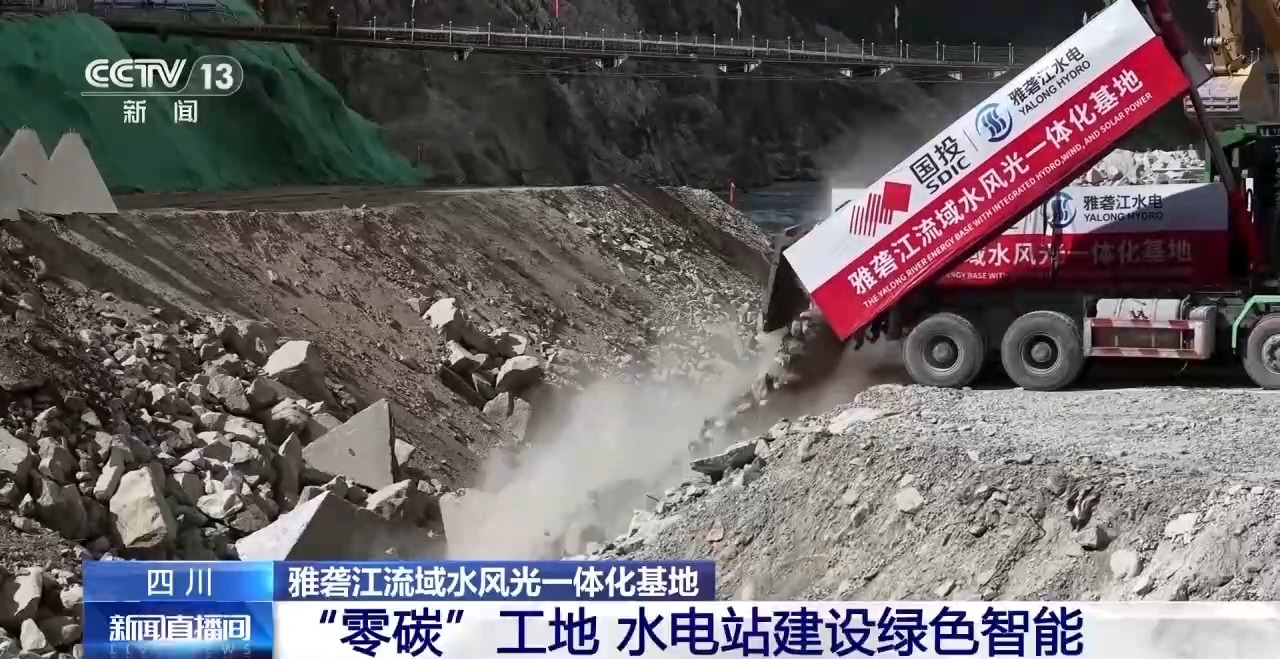
Core Viewpoint - The Yarlung Tsangpo River Basin has achieved a significant milestone with the simultaneous damming of the Mengdigou and Yagen hydropower stations, marking the transition to the main construction phase of China's first integrated water-solar-wind energy base [1][11]. Group 1: Project Development - The Yarlung Tsangpo River Basin integrated energy base is focused on achieving a "zero-carbon" construction site by utilizing electric heavy trucks and excavators, promoting a green and low-carbon transformation in project construction [2][8]. - The project aims to establish a 100% renewable energy supply system, with a planned total installed capacity of 78 million kilowatts by 2035 across four project clusters [13][15]. - Currently, the base has approximately 21 million kilowatts of clean energy installed capacity and is contributing over 1.1 trillion kilowatt-hours of clean electricity [15]. Group 2: Technological Innovation - The construction site features 20 electric heavy trucks that operate quietly and efficiently, capable of transporting over 400 tons of materials per day [4][6]. - The Mengdigou hydropower station is implementing smart systems for comprehensive monitoring of project progress, quality, safety, and environmental information, which is expected to shorten the construction period by at least six months and save over 500 million yuan [10]. - The project is also exploring the integration of green hydrogen production and digital technologies, aiming to create a leading clean energy base in China and globally [17].

上海长三角先进制造业发展研究院成立:打造新型智库与创新服务平台
Xin Hua Cai Jing· 2025-10-28 13:46
Core Insights - The Shanghai Yangtze River Delta Advanced Manufacturing Development Research Institute (referred to as "the Institute") was established to promote collaborative development and capability enhancement of advanced manufacturing in the Yangtze River Delta region [1][2] - The Institute aims to serve the national strategy and the integration of industries in the Yangtze River Delta, focusing on four key areas: building a high-end think tank, creating an empowering platform, gathering talent, and deepening international cooperation [1] Group 1 - The Institute is positioned as an "accelerator" for industrial transformation, emphasizing the integration of new technologies like AI and digital twins with manufacturing [1] - It has a dual role as a government decision-making think tank and an enabler for industrial upgrades, covering the entire Yangtze River Delta region [1] - The goal is to foster a new industrial cluster pattern characterized by "differentiated development and complementary advantages" [1] Group 2 - Shanghai is actively implementing national strategies to promote AI-enabled new industrialization, focusing on high-end, intelligent, and green transformation in key sectors such as industrial mother machines and high-end chips [2] - The city aims to enhance the core competitiveness of its manufacturing sector and deepen collaboration with neighboring provinces to create a tighter industrial development community [2] - A framework cooperation agreement was signed between the Institute and Tongji University to advance research and technology promotion in the low-altitude economy, supporting the development of this sector in the Yangtze River Delta [2]
小米智能家电工厂竣工投产,未来五年冲刺千亿规模
Guo Ji Jin Rong Bao· 2025-10-28 09:00
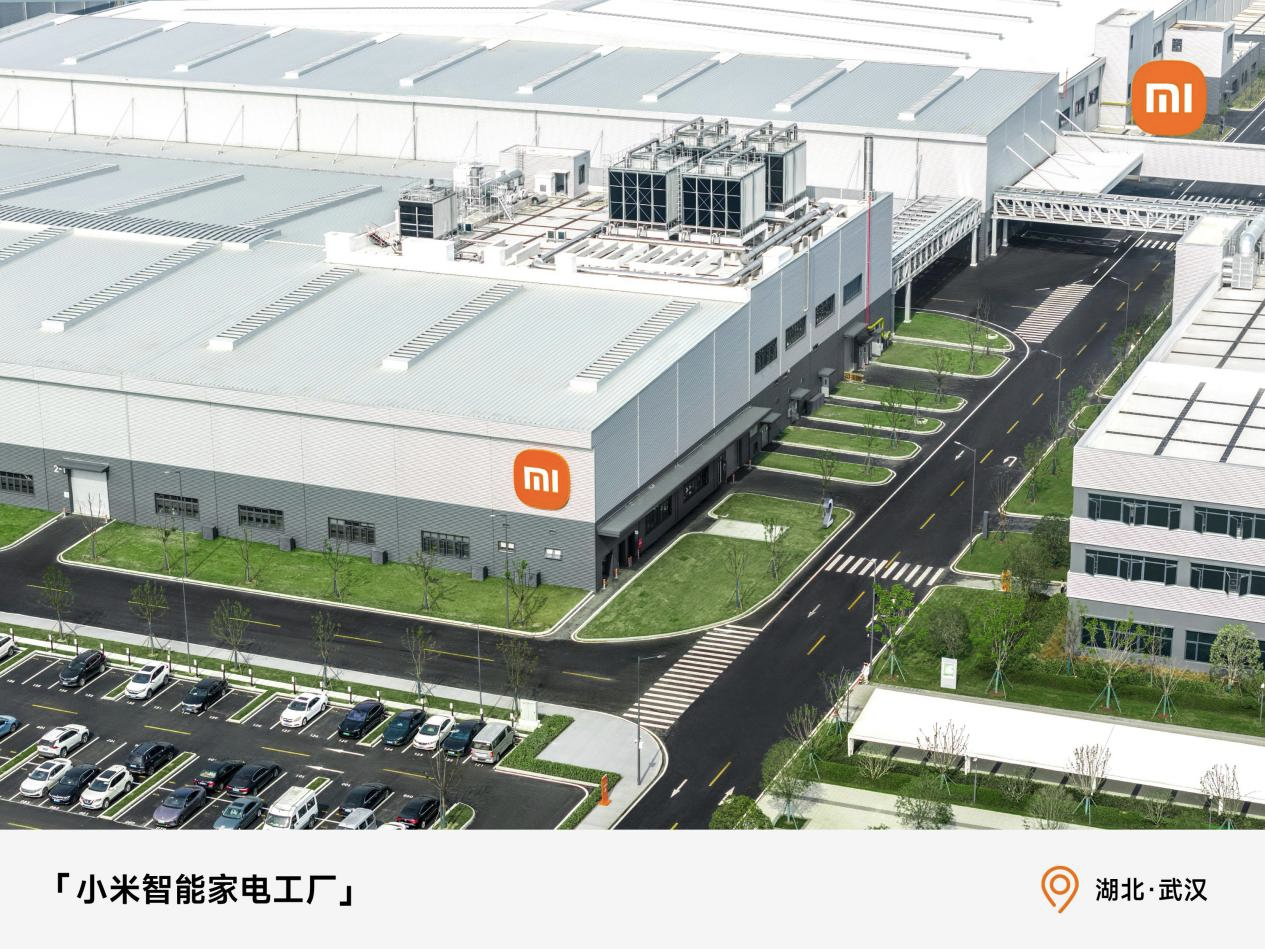
Core Insights - Xiaomi has officially launched its smart home appliance factory, marking the third major manufacturing base in its "people, vehicles, and home ecosystem" strategy [1][3] - The factory, located in Wuhan, covers over 750 acres with a total investment exceeding 2.5 billion yuan, and is expected to achieve an annual output value of 14 billion yuan [1][3] Manufacturing and Technology - The smart home appliance factory aims to set a new benchmark in smart and green manufacturing by incorporating cutting-edge technologies such as digital twins, AI visual inspection, and aerial logistics [3] - The factory boasts a first-pass yield rate of over 99%, with a production efficiency of one high-end air conditioner every 6.5 seconds, and an annual production capacity of 51 units per square meter [3] Strategic Goals - Xiaomi's president, Lu Weibing, emphasized that the home appliance segment is a crucial part of the company's ecosystem strategy, with a target to reach a scale of 100 billion yuan in the next five years and to rank among the top two in the Chinese air conditioning market [3] - The Wuhan facility is positioned as the core manufacturing hub for Xiaomi's home appliances and aims to be a model for smart manufacturing in Central China [3]

高新发展涨2.09%,成交额3.17亿元,主力资金净流入257.58万元
Xin Lang Cai Jing· 2025-10-28 05:52
Core Viewpoint - The stock of Gaoxin Development has shown fluctuations, with a recent increase of 2.09% and a total market value of 18.371 billion yuan, despite a year-to-date decline of 16.20% [1] Company Overview - Gaoxin Development, established on November 1, 1992, and listed on November 18, 1996, is located in Chengdu, Sichuan Province. The company primarily engages in construction and smart city development, with main business revenue composition: construction 95.74%, other businesses 3.12%, and power semiconductor business 1.14% [1][2] Financial Performance - For the first half of 2025, Gaoxin Development reported operating revenue of 2.493 billion yuan, a year-on-year decrease of 17.46%. However, the net profit attributable to shareholders increased by 14.06% to 66.923 million yuan [2] Stock Performance and Trading Activity - As of October 28, Gaoxin Development's stock price was 52.15 yuan per share, with a trading volume of 317 million yuan and a turnover rate of 3.22%. The stock has experienced a 3.91% increase over the last five trading days and a 15.62% increase over the last 60 days [1] - The company has appeared on the "Dragon and Tiger List" once this year, with the last appearance on January 2, where it recorded a net buy of -69.8488 million yuan [1] Shareholder Information - As of October 20, the number of shareholders for Gaoxin Development was 57,200, an increase of 0.25% from the previous period. The average circulating shares per person decreased by 0.25% to 3,363 shares [2] - The top ten circulating shareholders include Hong Kong Central Clearing Limited and various ETFs, with notable changes in holdings among these entities [3]

索辰科技跌2.08%,成交额2.02亿元,主力资金净流出941.35万元
Xin Lang Zheng Quan· 2025-10-28 05:45
Core Insights - The stock price of Suochen Technology has seen a significant increase of 91.97% year-to-date, with a recent drop of 2.08% on October 28, trading at 104.30 CNY per share [1] - The company specializes in CAE software development, sales, and services, with a revenue composition heavily weighted towards its TianGong simulation products [2] - As of June 30, 2025, the company reported a revenue of 57.35 million CNY, reflecting a year-on-year growth of 10.82%, while the net profit attributable to shareholders was -45.70 million CNY, showing a 31.21% increase in losses compared to the previous year [2] Financial Performance - The stock's trading volume on October 28 reached 202 million CNY, with a turnover rate of 3.85% and a total market capitalization of 9.29 billion CNY [1] - The company has made a cumulative cash distribution of 67.92 million CNY since its A-share listing [3] - The top ten circulating shareholders include new entrants such as Nuoan Active Return Mixed A, which holds 953,600 shares [3] Market Activity - The stock has experienced significant trading activity, with net outflows of 9.41 million CNY from major funds on October 28, while large orders accounted for 26.30% of buy transactions and 34.90% of sell transactions [1] - Suochen Technology has appeared on the "Dragon and Tiger List" once this year, with a net buy of 23.53 million CNY on March 17 [1]

超2000家全球肉类源头企业齐聚郑州 “中原粮仓”走向“世界餐桌”
Xin Hua Cai Jing· 2025-10-28 05:29
Core Insights - The 2025 Global Meat Industry Expo opened in Zhengzhou, China, gathering over 2,000 global meat source enterprises, highlighting the growing demand for high-quality and diverse meat products in China [1][2] - China is not only the largest meat producer globally but also one of the most promising consumer markets, emphasizing the importance of interaction between the global and Chinese markets for the prosperity of the meat industry [1] - The Central Plains Four Seasons Aquatic Logistics Port in Zhengzhou is becoming a strategic hub for the meat industry, boasting a cold storage capacity of over 1 million cubic meters, making it one of the largest inland cold chain storage bases in China [1] Industry Developments - The Central Plains Four Seasons Aquatic Logistics Port has an annual transaction volume exceeding 200 billion yuan, with nearly 70% of that being imported beef, showcasing its unique advantage in distributing imported beef nationwide [2] - The expo features a wide array of international meat products from countries like Brazil and Uruguay, alongside leading Chinese meat companies, indicating a strong presence of both domestic and international players in the market [2] - The expo is set to attract around 120,000 professional visitors and includes a "digital twin" exhibition, creating an online platform for year-round access and fostering new potential for industry collaboration [2]
方正电机2025年三季报:净利润同比大幅增长 新能源驱动业务成核心引擎
Zhong Zheng Wang· 2025-10-28 03:42
Core Insights - The company reported significant growth in revenue and net profit for the third quarter of 2025, driven by the expansion of its new energy drive business [1][2] Group 1: Financial Performance - For the first three quarters, the company achieved a revenue of 2.013 billion yuan, a year-on-year increase of 10.44% [1] - The net profit attributable to shareholders reached 13.7573 million yuan, showing a substantial year-on-year growth of 153,128.60% [1] - In the third quarter alone, revenue was 748 million yuan, up 13.87% year-on-year, while net profit surged to 20.9535 million yuan, reflecting an impressive increase of 2,607.26% [1] Group 2: Business Development - The core driver of the company's performance is the large-scale production and capacity release of its new energy drive business [1] - The company is a leading independent supplier of drive motors in China, focusing on high-power density flat wire and round wire motors [1] - The company has made significant investments in 800V high-voltage motors, flat wire motors, and oil-cooled motors, achieving international leading standards in key performance indicators [1] Group 3: Production Capacity and Technology - The company is advancing its Deqing base capacity construction project, with the first phase producing 800,000 units annually and the second phase aiming for 2.2 million units [2] - The project incorporates advanced technologies such as digital twins, IoT, and AI for comprehensive lifecycle digital management [2] - Despite fluctuations in cash flow due to increased raw material procurement, the company has successfully raised funds, with net cash flow from financing activities increasing by 446.08% year-on-year [2]

先进封装,最新路线图
半导体行业观察· 2025-10-28 01:07
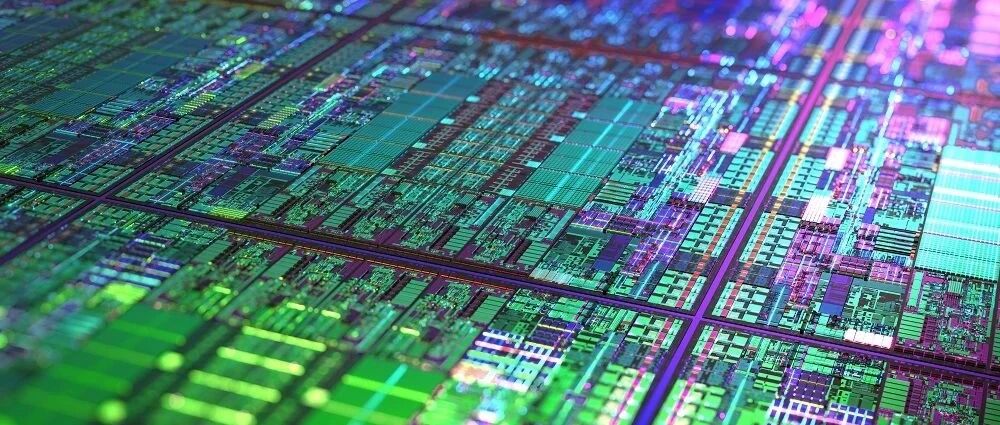
Core Insights - The SRC has released the Microelectronics and Advanced Packaging Technology (MAPT) Roadmap 2.0, which is a comprehensive update to the industry's first 3D semiconductor roadmap [1] - The roadmap emphasizes the exponential growth in data volume required for information and communication technology (ICT), highlighting the limitations of traditional semiconductor technologies and the urgent need for heterogeneous integration (HI) to enhance system performance and energy efficiency [1][2] Group 1: System Integration and Design Challenges - Different applications require specific architectures and system integration strategies to effectively balance performance, power, area, and cost (PPAC) while ensuring signal integrity, power conversion, thermal management, reliability, and security [2][3] - The challenges of system integration extend beyond chip packaging to include material selection, interconnect scaling, and thermal management solutions, all of which must meet reliability and yield targets [3] - The transition to 2.5D/3D heterogeneous integration is crucial for achieving significant performance and cost advantages in future ICT systems [5] Group 2: Heterogeneous Integration (HI) and Chiplet Design - Chiplets and their signaling interfaces introduce a new silicon module to the microelectronics ecosystem, offering high bandwidth, area efficiency, and low cost, necessitating design capabilities for defining physical cores and chip-to-chip interfaces [7] - Design Space Exploration (DSE) utilizes analytical models and AI-assisted technologies to rapidly evaluate HI system designs, becoming increasingly important as HI system integration scales [8] - Close collaboration between chiplet and packaging design throughout the design cycle is essential, requiring early involvement of system architects to analyze system and packaging trade-offs [9] Group 3: Testing, Reliability, and Security - Future heterogeneous systems will require modular testing solutions to address the unique electrical, mechanical, and thermal characteristics of various components, balancing coverage, complexity, and cost [10] - As multi-chip system-level packaging (SiP) becomes more complex, security considerations must be integrated into design automation tools to mitigate potential threats from untrusted components and external attacks [11][12] Group 4: Advanced Packaging and Interconnect Technologies - The demand for more efficient, scalable, and high-performance solutions is driving innovations in heterogeneous integration and advanced packaging technologies, which are critical for high-performance computing, AI, and edge computing applications [14] - Key advancements in interconnect technologies include the development of through-silicon vias (TSVs), intermediate layers, and hybrid bonding methods, which are essential for enhancing performance, increasing data bandwidth, and reducing energy consumption [14][15] - The exploration of photonic interconnect technologies aims to overcome the limitations of electrical connections, providing low-latency, high-throughput connections for high-bandwidth and long-distance communication [17] Group 5: Power Delivery and Thermal Management - Integrated Voltage Regulators (IVRs) are becoming key solutions for addressing power delivery challenges, particularly as processor power levels continue to rise, especially in data center CPUs and GPUs [25] - The increasing complexity of power delivery networks necessitates the development of robust platform-level voltage regulators to efficiently distribute power across integrated voltage regulators on the chip [25][26] - Advanced packaging and heterogeneous integration face significant thermal management challenges due to rising power densities and the need for effective cooling solutions, including embedded cooling structures [29][30] Group 6: Material Innovations and Future Directions - The transition from traditional substrates to integrated platforms requires new materials and processing techniques to enhance system-level performance, particularly in high-performance computing and electrification applications [34][36] - Future developments in high-density substrate technologies will focus on achieving finer bump pitches and higher routing densities to meet the demands of advanced applications [42][43] - The need for innovative solutions in RF devices and systems, particularly those operating at frequencies above 6 GHz, is driving the demand for new materials, structures, and assembly techniques [44][45]
新质生产力引领现代化经济体系建设
Jing Ji Ri Bao· 2025-10-27 23:32
Core Viewpoint - The construction of a modern economic system is a strategic goal for national development, emphasizing the need for innovation and adaptation to new productivity forms to address emerging economic challenges [1][2][3]. Group 1: Modern Economic System Components - The modern economic system is an organic whole composed of various social and economic activities, integrating both productivity and production relations [2]. - New quality productivity, driven by technological innovation, is essential for fundamentally transforming the economic system and requires a corresponding new production relationship [3][4]. - The modern production system should focus on innovation, resource optimization, and green development to enhance efficiency and address deep-seated economic imbalances [4]. Group 2: Distribution System - The modern distribution system aims to balance efficiency and equity, optimizing resource allocation and wealth flow to create a shared distribution mechanism [5]. - It emphasizes knowledge, technology, and human capital, ensuring that income distribution reflects contributions from these areas [5]. Group 3: Circulation System - The modern circulation system is crucial for optimizing resource allocation and meeting market demands, integrating technological innovation and institutional reform [6][7]. - It aims to establish a unified and competitive market system, enhancing the efficiency of circulation through the removal of institutional barriers [10]. Group 4: Consumption System - The modern consumption system is characterized by a shift towards digital, intelligent, and ecological consumption, driven by technological advancements and changing consumer preferences [11]. - It reflects a growing emphasis on experience, personalization, and sustainability in consumer behavior, with significant growth in new consumption formats [11]. Group 5: Progress and Achievements - Significant progress has been made in building a modern economic system, with notable improvements in productivity levels and structural optimization, contributing to high-quality economic development [8][9]. - The GDP is projected to grow by 5% in 2024, surpassing 130 trillion yuan, with strategic emerging industries rapidly developing [8]. Group 6: Challenges and Coordination - Despite achievements, challenges remain in various sectors, including the need for higher efficiency in the circulation system and addressing income disparities in the distribution system [12]. - Strengthening coordination between production, distribution, circulation, and consumption systems is essential for a cohesive modern economic framework [12]. Group 7: Future Directions - The focus should be on developing new quality productivity and establishing a new production relationship that aligns with this development [13]. - Emphasis on innovation-driven development, particularly in key technology sectors, is critical for maintaining competitive advantages [13][14]. - The distribution system should be refined to enhance equity and efficiency, with a focus on protecting property rights and optimizing public services [14]. Group 8: Policy Implementation - The implementation of a unified market system is vital for enhancing the modern circulation system, requiring improvements in market regulations and infrastructure [15]. - Policies should balance short-term demand stimulation with long-term structural reforms to foster a robust consumption ecosystem [16][17].
毕马威重磅发布《大变局:基建与交通运输行业新兴趋势》
Sou Hu Cai Jing· 2025-10-27 02:40
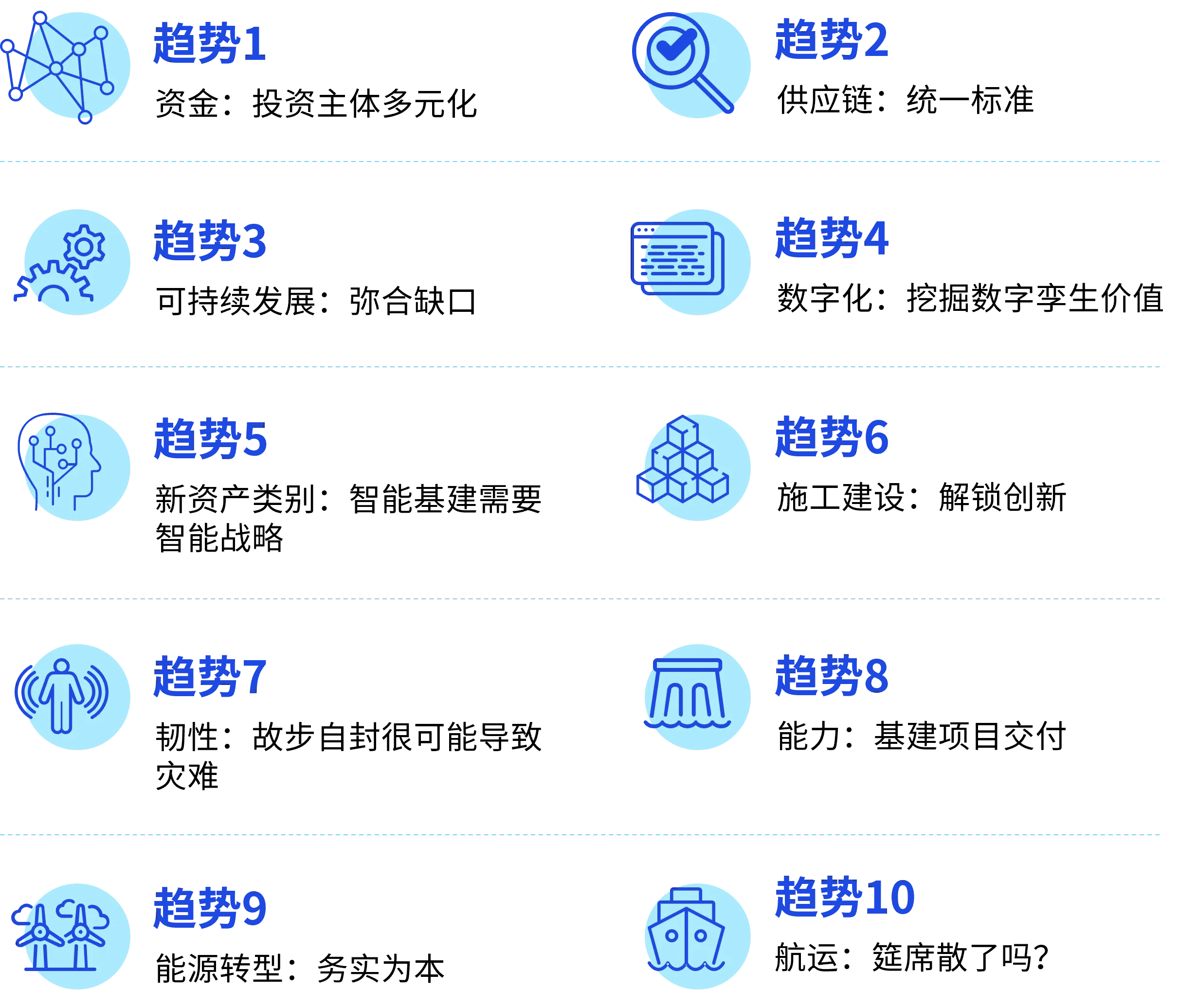
Core Insights - The report by KPMG titled "Transformations: Emerging Trends in Infrastructure and Transportation" analyzes significant changes facing the industry and provides forward-looking predictions for the next year [1] - The report is based on insights from ten senior leaders in the infrastructure sector, offering a deep understanding of the global shifts impacting the industry [1] Key Judgments - By 2025, rising public debt yields, withdrawal of bilateral investments, and a stronger dollar will intensify fiscal pressures, leading to fierce competition among countries for patient capital, making private investment and diversified investment entities crucial trends [6] - Governments will face increased funding costs due to rising public debt yields, while the retreat of bilateral investments and development aid will further weaken the fiscal capacity of emerging markets [7] - The demand for resilient infrastructure and modern services is expected to surge, with governments needing to meet public expectations to ensure social and economic stability [7] Predictions and Recommendations - Countries will compete for patient capital, with some emulating India's National Monetization Pipeline (NMP) to accelerate private investment in specific sectors [8] - Establishing clear asset listing channels with transparent regulatory frameworks will encourage innovation and reinvestment, providing reasonable returns for private investors [8] - Stakeholders must engage with citizens, national pension funds, and institutional investors to identify target assets and conduct due diligence [8] Key Developments in Supply Chain - By 2025, supply chains will face immense pressure due to trade wars and new tariff regulations, necessitating efficiency improvements and stricter evaluations of emissions [11] - The need for supply chain standardization will be recognized, although actual implementation will take time [10][12] - Companies will be compelled to enhance supply chain efficiency through collaboration with government and industry bodies [11] Sustainable Transformation - Governments and enterprises will begin to bridge the gap between actions and goals, ensuring daily operations align with long-term sustainability objectives [13][14] - Major regulations will drive sustainable transformations, with construction owners needing to understand material sources and carbon footprints [15] Digital Twin Technology - By 2025, digital twin technology will become a key tool for enhancing operational efficiency and decision-making due to decreasing costs and increasing demand for insights [16][17] - Companies that do not adopt digital twins will face scrutiny from stakeholders and competitive disadvantages [18] Dynamic Strategic Planning - Enterprises should transition from static annual plans to dynamic strategic planning methods, leveraging real-time data and advanced technologies to improve decision quality and efficiency [19][20] - This shift will enhance performance and profitability while providing significant benefits to all stakeholders [21] Construction Industry Pressures - Construction companies will face exponential growth pressures, particularly in energy and infrastructure sectors, but can leverage technology and AI to improve efficiency and profit margins [22][23] - Companies are advised to invest in technology, enhance supply chains, and adjust operational models to drive innovation [24] Infrastructure Asset Management - Infrastructure asset failures could lead to catastrophic consequences, necessitating comprehensive assessments to evaluate risks and develop operational resilience goals [26][27] - Companies should prioritize high-risk asset updates and protections to avoid future risks and costs [28] Supply Chain Management - Owners of public and private infrastructure investment portfolios will actively engage in supply chain management, establishing long-term relationships with suppliers to address delivery capacity and talent bottlenecks [29][30] - Digitalization and technology will enhance supply chain efficiency, enabling companies to prepare for future disruptions [31] Pragmatism in Financing - Pragmatism will drive companies to strengthen collaboration and develop hybrid financing models to enhance social and environmental project impacts [32][33] - Companies will focus on data capture and reporting to demonstrate project benefits, balancing environmental impact with economic practicality [34] Shipping Industry Adaptation - Shipping companies must adapt to rate fluctuations and sustainability pressures amid trade protectionism and supply chain disruptions [35][36] - Companies are encouraged to reconsider investment strategies, focusing on long-term effective areas and engaging in scenario planning [37]