
人造肉

Search documents
9月4日沪深两市强势个股与概念板块
2 1 Shi Ji Jing Ji Bao Dao· 2025-09-04 10:21
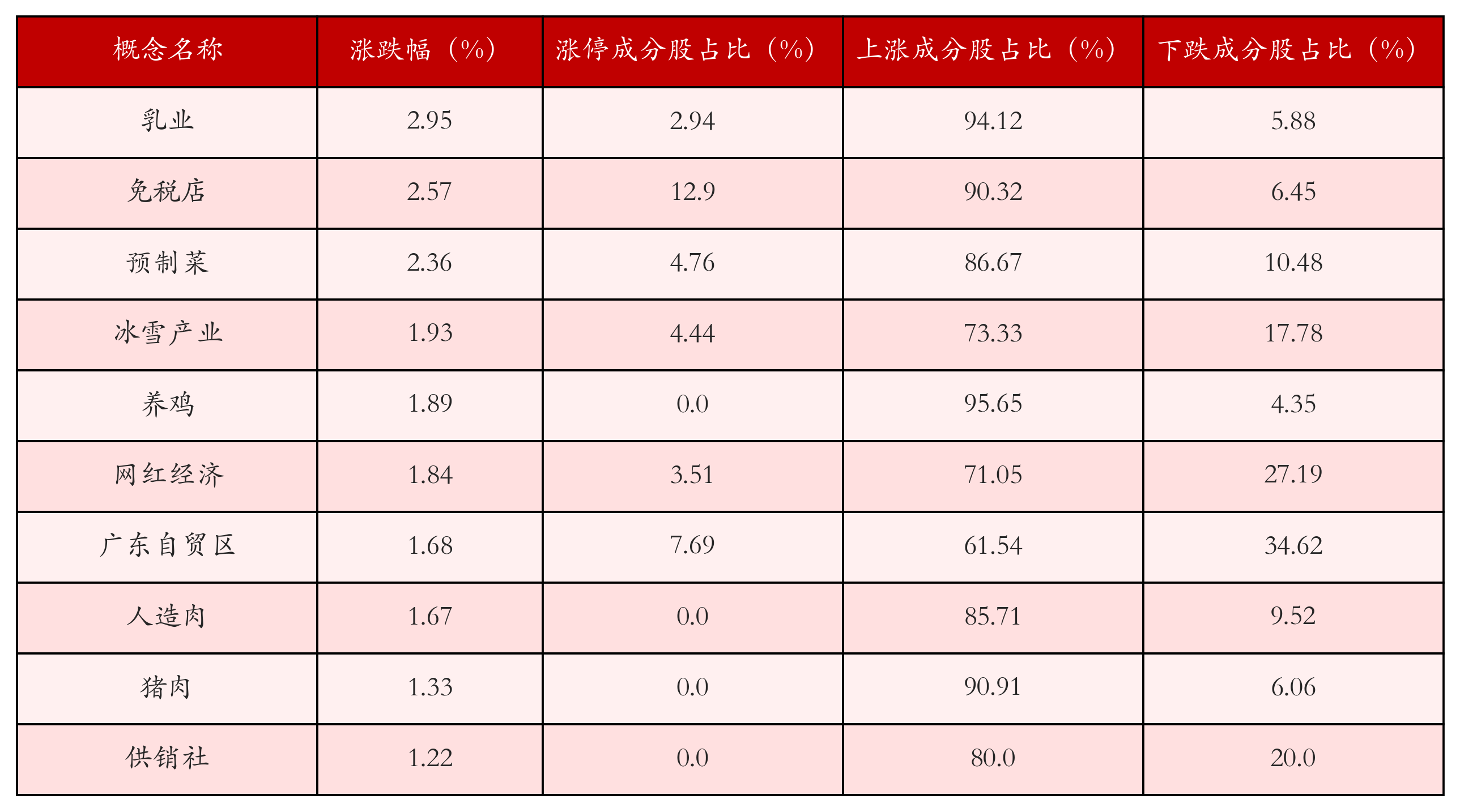
Group 1 - The Shanghai Composite Index fell by 1.25% to 3765.88 points, the Shenzhen Component Index decreased by 2.83% to 12118.7 points, and the ChiNext Index dropped by 4.25% to 2776.25 points as of September 4 [1] - A total of 40 stocks in the A-share market hit the daily limit up, with the top three strong stocks being Guoguang Chain (605188), China Ruilin (603257), and Eurasia Group (600697) [1] - The top 10 strong stocks are detailed in the accompanying table [1] Group 2 - The top three concept sectors with the highest gains were Dairy Industry (2.95%), Duty-Free Shops (2.57%), and Prepared Dishes (2.36%) [2] - Other notable sectors included Ice and Snow Industry (1.93%), Chicken Farming (1.89%), and Internet Celebrity Economy (1.84%) [2] - The top 10 concept sectors are listed in the accompanying table [2]


“人造肉第一股”被硅谷抛弃了
阿尔法工场研究院· 2025-08-29 00:14
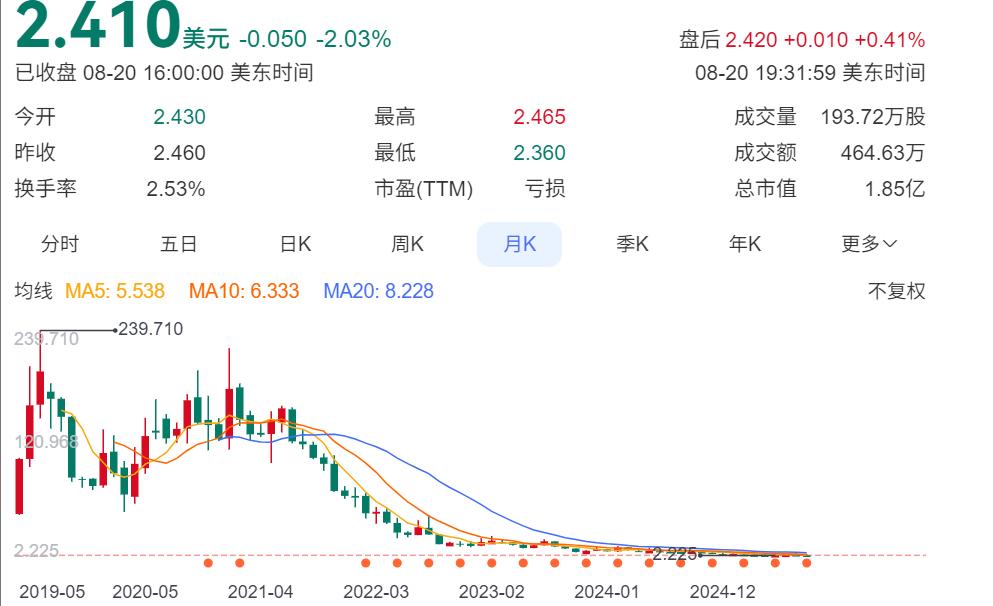
Core Viewpoint - Beyond Meat has experienced a dramatic decline from a peak market value of $20 billion to under $200 million, reflecting a significant market correction after initial hype around plant-based meat alternatives [4][6][8]. Company Overview - Beyond Meat's market capitalization has plummeted approximately 98% since its peak, with current figures at $1.9 billion (approximately 13 billion RMB) compared to $20 billion (approximately 143 billion RMB) at its height [6]. - The company's latest financial report for Q2 2025 shows revenues of only $75 million, a nearly 20% year-over-year decline, and a net loss of $33.2 million, with total debt reaching $1.2 billion [6][7]. Market Dynamics - The plant-based meat market is growing at a compound annual growth rate (CAGR) of only about 10%, significantly lower than the previously anticipated disruptive growth [7][16]. - Beyond Meat's market share in the U.S. is currently only 2.5%, with growth slowing due to high prices and lack of significant improvements in taste, leading to low consumer repurchase rates [7][8]. Competitive Landscape - Traditional food giants like Nestlé and Tyson have entered the plant-based meat market, leveraging their distribution channels and cost advantages to capture market share from Beyond Meat [7][8]. - The competitive environment has intensified, with many new entrants diluting differentiation in the market, leading to a reassessment of growth expectations [16][18]. Marketing and Branding - Beyond Meat successfully marketed its products as a lifestyle choice that combines environmental sustainability, health, and fashion, appealing to millennial values and ESG investment trends [11][12]. - Celebrity endorsements from figures like Bill Gates and Leonardo DiCaprio helped elevate the brand's profile, turning it into a cultural symbol [12][13]. Challenges and Future Outlook - The company faces significant challenges related to pricing, taste, and overall demand, with its products often priced 30% to 50% higher than real meat, making them less attractive to cost-sensitive consumers [16]. - The long-term viability of the plant-based meat industry hinges on reducing costs and increasing consumer demand, with a need for better integration into everyday food choices [20][22].


雪榕生物股价小幅下跌 上半年亏损1.03亿元
Jin Rong Jie· 2025-08-26 20:03
Core Viewpoint - Xuerong Bio's stock price closed at 6.73 yuan on August 26, down 1.03% from the previous trading day, with a trading volume of 150,942 hands and a transaction amount of 102 million yuan [1] Company Overview - The company specializes in the research, production, and sales of edible mushrooms, with main products including enoki mushrooms and king oyster mushrooms [1] - Xuerong Bio operates within the agriculture, animal husbandry, and fishery industry, and is also involved in agricultural planting and plant-based meat sectors [1] Financial Performance - In the first half of 2025, the company reported operating revenue of 791 million yuan, a year-on-year decrease of 26.17% [1] - The net profit attributable to the parent company was a loss of 103 million yuan [1] Capital Flow - On August 26, the net outflow of main funds was 7.4632 million yuan, with a cumulative net outflow of 21.9462 million yuan over the past five days [1]

索宝蛋白股价微跌0.74% 大宗交易折价成交1584万元
Jin Rong Jie· 2025-08-22 17:33
Company Overview - As of August 22, 2025, the stock price of Suobao Protein is 17.47 yuan, down 0.74% from the previous trading day, with a trading volume of 0.53 billion yuan [1] - The opening price for the day was 17.69 yuan, with a high of 17.69 yuan and a low of 17.34 yuan, resulting in a price fluctuation of 1.99% [1] - Suobao Protein's main business includes the research, production, and sales of soybean protein and related products, operating in industries such as agriculture, animal husbandry, and artificial meat [1] Market Activity - On August 22, a block trade occurred involving 1 million shares, amounting to 15.84 million yuan, which is a 9.33% discount compared to the closing price of the day [1] - This block trade accounted for 30.09% of the total trading volume on that day [1] - On the same day, there was a net inflow of 6.1969 million yuan from major funds, with a cumulative net inflow of 2.3684 million yuan over the past five trading days [1]


“人造肉第一股”千亿市值毁灭:过去10年假科技盛行的一个缩影
创业邦· 2025-08-22 10:07
Core Viewpoint - Beyond Meat, a prominent player in the plant-based meat industry, is facing severe financial difficulties, with its market value plummeting by 99% from a peak of $20 billion to under $200 million within six years of its IPO [6][8]. Market Growth and Challenges - The plant-based meat market has experienced a compound annual growth rate (CAGR) of only 10% over the past decade, which is insufficient for a product expected to disrupt the traditional meat market [8]. - Initial market predictions estimated the plant-based meat market could reach $20-30 billion, but current realities suggest this vision has not materialized [8]. Cost Issues - The production cost of plant-based meat remains high, exceeding $7 per kilogram, compared to $6 for beef, $2.5 for pork, and $2 for chicken, making it difficult to compete with traditional meat producers [10]. - The high cost of plant-based meat is a significant barrier to market expansion, as consumers are constrained by budget considerations [10]. Technological Stagnation - The stagnation in technological advancements has hindered the reduction of production costs in the plant-based meat sector, unlike other industries where technology has led to cost decreases [13][19]. - The agricultural sector has not seen transformative changes in yield or breeding capabilities over the past 50 years, indicating a lack of significant technological progress [21]. Environmental and Social Considerations - The push for plant-based meat is tied to environmental movements and the philosophy of reducing meat consumption for sustainability, reflecting a broader societal trend [13][14]. - Influential figures, such as Bill Gates, have shifted their focus to alternative protein sources, like insect protein, which presents a lower cost option compared to plant-based meat [19][21]. Conclusion - The decline of Beyond Meat's market value exemplifies the challenges faced by the plant-based meat industry, including high production costs, slow market growth, and technological stagnation, while also highlighting the ongoing search for sustainable protein sources in the face of resource limitations [22].
动物疫苗概念下跌0.72%,6股主力资金净流出超千万元
Zheng Quan Shi Bao Wang· 2025-08-22 08:56
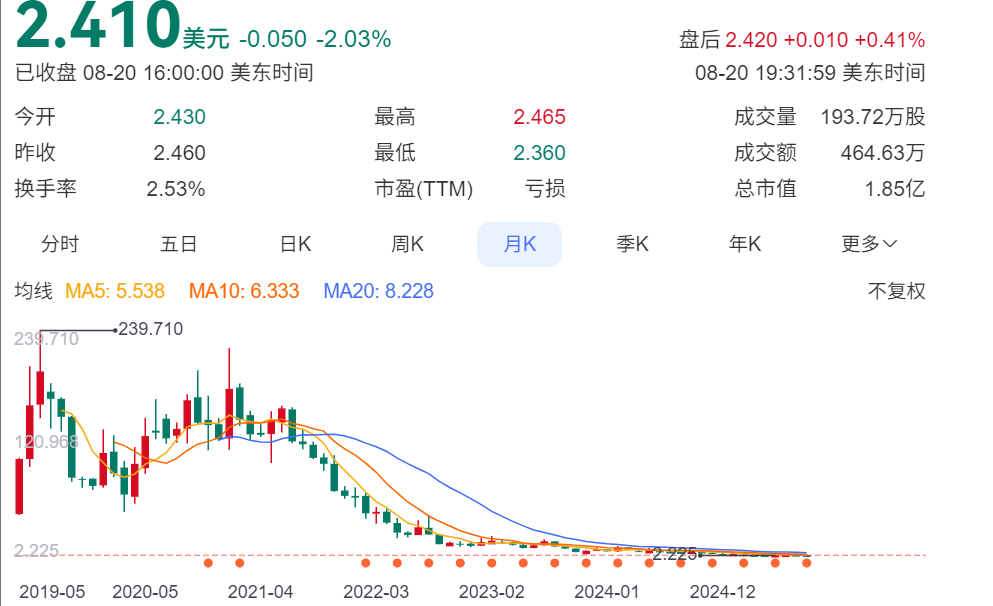
Group 1 - The animal vaccine sector experienced a decline of 0.72% as of the market close on August 22, ranking among the top declines in concept sectors [1] - Within the animal vaccine sector, companies such as Shenlian Biological, Weilan Biological, and Xianfeng Holdings saw significant declines, while Kexing Pharmaceutical, Haizheng Pharmaceutical, and Guoyao Modern recorded increases of 2.06%, 0.44%, and 0.09% respectively [1] - The overall market saw a net outflow of 0.68 billion yuan from the animal vaccine sector, with 11 stocks experiencing net outflows, and 6 stocks seeing outflows exceeding 10 million yuan [2] Group 2 - The top net outflow in the animal vaccine sector was from Kanghua Biological, with a net outflow of 30.50 million yuan, followed by Shenlian Biological, Dabeinong, and Jinhai Biological with outflows of 27.38 million yuan, 24.27 million yuan, and 23.53 million yuan respectively [2] - Conversely, the stocks with the highest net inflows included Haizheng Pharmaceutical, Kexing Pharmaceutical, and Luoniushan, with net inflows of 27.34 million yuan, 16.70 million yuan, and 10.38 million yuan respectively [3] - The trading activity in the animal vaccine sector showed that Kanghua Biological had a turnover rate of 3.52% and a decline of 1.70%, while Kexing Pharmaceutical had a turnover rate of 3.12% and an increase of 2.06% [3]


“人造肉第一股”千亿市值毁灭了
投中网· 2025-08-22 07:04
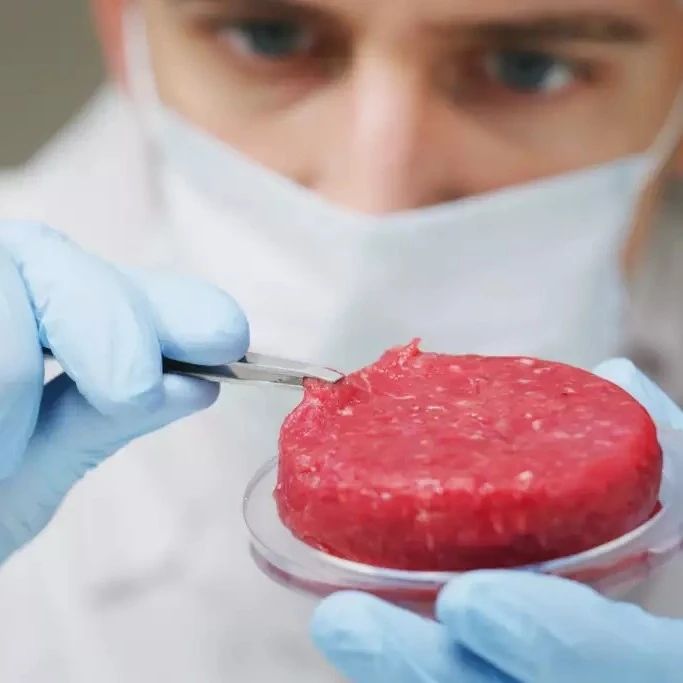
Core Viewpoint - Beyond Meat, a prominent player in the plant-based meat industry, is facing severe financial difficulties, with its market value plummeting by 99% from a peak of $20 billion to approximately $200 million, reflecting the challenges in sustaining its business model and growth trajectory [6][8][25]. Market Growth and Challenges - The plant-based meat market has experienced a compound annual growth rate (CAGR) of only 10% over the past decade, which is insufficient for a sector expected to disrupt traditional meat markets [8]. - The high production cost of plant-based meat, exceeding $7 per kilogram, significantly hampers its competitiveness against traditional meats like beef ($6), pork ($2.5), and chicken ($2) [11][12]. Cost and Market Dynamics - The inability to reduce production costs has resulted in plant-based meat remaining a niche product, while traditional poultry has seen a CAGR of 19% due to its low cost [12]. - The high costs associated with plant-based meat are a primary barrier to market expansion, as consumers prioritize affordability [11]. Technological Stagnation - The article discusses a broader trend of technological stagnation over the past 50 years, which has hindered advancements in agricultural productivity and livestock breeding, leading to persistent high prices for traditional meats [18][24]. - The expectation that technological advancements would lead to lower costs in plant-based meat production has not materialized, contrasting with other sectors where costs have decreased significantly [14][24]. Environmental and Social Considerations - The push for plant-based meat is tied to environmental concerns and a social movement aimed at reducing carbon footprints and promoting sustainable consumption [14][15]. - Influential figures, such as Bill Gates, have shifted their focus to alternative protein sources, like insect protein, which presents a lower cost option compared to plant-based meat [23]. Conclusion - The decline of Beyond Meat's market value serves as a reflection of the challenges faced by the plant-based meat industry in overcoming cost barriers and achieving sustainable growth in a competitive landscape [25].

“人造肉第一股”千亿市值毁灭录
Hu Xiu· 2025-08-21 07:09
Group 1 - Beyond Meat, a prominent player in the plant-based meat industry, has seen its market value plummet from a peak of $20 billion in 2021 to less than $200 million, reflecting severe financial distress [1] - The plant-based meat market has experienced a compound annual growth rate (CAGR) of only 10% over the past decade, which is insufficient for a sector expected to disrupt traditional meat markets [2][4] - Initial market predictions estimated the plant-based meat market could reach $20-30 billion, but current realities suggest this vision has not materialized [3][4] Group 2 - One of the primary challenges facing the plant-based meat industry is its high production costs, with the cost of producing one kilogram of plant-based meat exceeding $7, compared to $6 for beef, $2.5 for pork, and $2 for chicken [5][6] - The high costs hinder the ability of plant-based meat products to compete effectively against traditional meat producers, limiting their market expansion [6][9] - The past decade has seen a significant increase in the poultry market, with a CAGR of 19%, largely due to the low production costs associated with chicken [9] Group 3 - The plant-based meat sector has not achieved the promised cost reductions through economies of scale, unlike the plant-based milk sector [12] - The movement towards plant-based meat is often associated with environmentalism and social movements, attracting investments from wealthy individuals like Bill Gates [12][26] - Gates has shifted his focus to investing in insect protein, which has a production cost closer to $2, indicating a search for more sustainable protein sources [25][26] Group 4 - The narrative surrounding plant-based meat reflects broader trends in technology and resource management, with concerns about resource limitations and the sustainability of traditional meat production [10][14] - The stagnation in agricultural productivity and livestock breeding over the past 50 years highlights the challenges in achieving significant advancements in food production technology [29] - The quest for breakthroughs in resource management continues, with industry leaders hoping for a technological revolution akin to a "ChatGPT moment" to overcome existing limitations [30][31]
“人造肉第一股”千亿市值毁灭:过去10年假科技盛行的一个缩影
3 6 Ke· 2025-08-21 03:01
Core Insights - Beyond Meat has experienced a dramatic decline in market value, dropping from a peak of $20 billion in 2021 to less than $200 million today, representing a 99% loss [1] - The plant-based meat market has only seen a compound annual growth rate (CAGR) of 10% over the past decade, which is insufficient for a product expected to disrupt the traditional meat market [3] - The high production costs of plant-based meat, exceeding $7 per kilogram, compared to $6 for beef, $2.5 for pork, and $2 for chicken, significantly hinder its competitiveness in the market [4] Market Dynamics - The slow growth of the plant-based meat market is attributed to its high costs, making it a niche product in a market dominated by traditional meat producers [4] - The past decade has seen a trend of "fake technology," where advancements have not led to the expected cost reductions in plant-based meat production, unlike other sectors such as e-commerce and renewable energy [6] - The environmental movement has driven interest in plant-based meat, but the lack of scalable cost reductions has led to disillusionment among investors [6][12] Technological Stagnation - The stagnation in technological advancements over the past 50 years has limited breakthroughs in agricultural productivity and livestock breeding, contributing to the high costs of meat production [10][16] - The concept of resource scarcity has been a driving force behind the push for alternative protein sources, such as insect-based proteins, which are seen as more sustainable and cost-effective [12][13] Future Outlook - Bill Gates has shifted his focus from plant-based meat to insect protein, which has a production cost closer to $2 per kilogram, indicating a potential new direction for sustainable protein sources [12][13] - The search for breakthroughs in agricultural technology continues, with hopes for a "ChatGPT moment" in the physical world to overcome resource constraints [16]
兵装重组概念下跌0.34%,主力资金净流出6股
Zheng Quan Shi Bao Wang· 2025-06-04 08:56
Group 1 - The core viewpoint of the news is that the military equipment restructuring concept has experienced a decline, with a drop of 0.34% as of the market close on June 4, positioning it among the top decliners in the concept sector [1][2] - Within the military equipment restructuring concept, stocks such as Dong'an Power, Chang'an Automobile, and Changcheng Military Industry saw significant declines, while Hunan Tianyan, Huqiang Technology, and Construction Industry were among the few that increased, with respective gains of 0.44%, 0.18%, and 0.15% [1][2] - The military equipment restructuring concept faced a net outflow of 0.43 billion yuan from main funds today, with six stocks experiencing net outflows, led by Chang'an Automobile, which saw a net outflow of 22.58 million yuan [2] Group 2 - The top decliners in the military equipment restructuring concept included Chang'an Automobile (-0.24%), Dong'an Power (-2.14%), and Changcheng Military Industry (-0.66%), while Hunan Tianyan was the only stock with a positive change [2] - The trading volume for Chang'an Automobile was 0.52%, and it had the highest net outflow of main funds at 22.58 million yuan, followed by Dong'an Power with a net outflow of 18.22 million yuan [2] - The overall performance of the military equipment restructuring concept contrasts with other sectors, such as the beer concept, which increased by 3.85% [2]



