
智慧海关

Search documents
“十四五”以来 年均监管进出口货物52亿吨 体量为全球最大 智慧海关提升贸易便利化水平
Ren Min Ri Bao· 2025-10-04 21:45
Core Insights - The article highlights the significant advancements in China's customs and logistics systems, particularly through the implementation of smart customs technologies, which enhance the efficiency and security of international trade operations [1][2][3]. Group 1: Customs and Trade Efficiency - The Guangzhou Baiyun Airport customs has implemented an export e-commerce cargo station model, allowing for rapid customs clearance and efficient cargo handling, with an average of 5 hours from cargo arrival to flight departure [1]. - Since the beginning of the 14th Five-Year Plan, customs have managed an average of 5.2 billion tons of goods annually, with a total value of 41.5 trillion yuan, making it the largest in the world [1]. - In the first eight months of this year, China's total import and export value reached 29.57 trillion yuan, reflecting a year-on-year growth of 3.5% [1]. Group 2: Smart Customs Initiatives - The Xi'an International Port has seen a 12.4% increase in the operation of China-Europe freight trains, with 4,069 trains running and transporting 4.548 million tons of goods, up 11.9% [2]. - The implementation of smart customs systems has improved overall cargo flow efficiency by 58%, with remote inspection reducing inspection time by 90% and optimizing high-tech cargo inspection processes, cutting clearance times by 80% [2]. Group 3: Risk Management and Security - The "Wood Identification" system has been successfully tested and applied at 44 ports, capable of identifying 145 common types of wood and 110 types of weed seeds, enhancing the risk management capabilities of customs [3]. - Smart customs technologies, such as traceability codes and intelligent quarantine gates, are being utilized to combat smuggling and ensure smooth customs processes for travelers [3]. - The customs authority emphasizes the need for collaboration with foreign trade enterprises to create a more efficient and transparent port business environment, supporting high-quality foreign trade development [3].
多国海关代表齐聚重庆 共促国际合作
Zhong Guo Xin Wen Wang· 2025-09-26 12:05
Core Points - The meeting focused on enhancing China-ASEAN customs cooperation and improving cross-border transportation facilitation [1][2] - Trade between China and ASEAN reached 4.93 trillion yuan in the first eight months of 2025, marking a 9.7% year-on-year increase [1] Group 1 - The meeting was attended by representatives from China Customs and customs authorities from nine ASEAN countries, along with various regional customs offices [1] - The "Smart Customs" online cooperation platform has registered 145 customs authorities from different countries, showcasing the progress in smart customs initiatives [1] - New logistics models, such as the "parallel port" logistics model introduced by Zhanjiang Customs, aim to reduce cross-border logistics costs [1] Group 2 - Discussions included the optimization of customs clearance processes and the promotion of the "ASEAN Fast Track" and digital land-sea new channel construction [2] - The meeting decided to strengthen international cooperation in the new land-sea trade channel and ensure efficient operation of international railway transport [2] - Efforts will be made to facilitate cross-border road transport between China and neighboring countries, including Laos and Vietnam, and to explore the optimization of customs procedures [2]
中国-东盟海关深化国际陆海贸易新通道互联互通第二次会议暨促进中国(重庆)-东盟通关便利化圆桌会议在渝举行
Xin Lang Cai Jing· 2025-09-26 09:54
Group 1 - The meeting focused on enhancing customs cooperation between China and ASEAN, emphasizing the importance of the international land-sea trade corridor amid complex global trade dynamics [1][3] - China has maintained its position as ASEAN's largest trading partner for 16 consecutive years, with ASEAN being China's largest trading partner for the past 5 years. In the first eight months of this year, trade between China and ASEAN reached 4.93 trillion yuan, a year-on-year increase of 9.7% [1] - The meeting highlighted various successful initiatives by customs representatives, such as the "smart customs" platform with 145 participating countries, and the introduction of logistics models that reduce cross-border costs [2] Group 2 - Discussions included improving customs clearance for cross-border rail and road transport, and enhancing the efficiency of the "ASEAN Express" and digital land-sea corridor construction [3] - The meeting decided to strengthen international cooperation on the land-sea trade corridor, optimize customs processes, and ensure the stable operation of international rail transport between China, Laos, and Thailand [3] - There is a commitment to explore the optimization of customs procedures to facilitate efficient cross-border rail transport and expand the coverage of customs liaison coordinators for timely updates on trade corridor conditions [3]
杭州跨境电商退货新模式在全国推广
Hang Zhou Ri Bao· 2025-09-23 02:05
Core Insights - The Ministry of Commerce, in collaboration with relevant departments, has selected innovative and effective cases for promoting reform and opening up, with the "cross-border e-commerce retail import goods cross-regional return" case from Qianjiang Customs in Hangzhou being the only selected case from Zhejiang Free Trade Zone [3] Group 1: Cross-Border E-Commerce Returns - The demand for returns of cross-border e-commerce imported goods is increasing as more consumers purchase imported products online [3] - Previously, e-commerce platforms required returns to be sent back to the original customs location, necessitating significant investment in return warehouses across various shipping locations, which posed challenges for e-commerce companies [3] Group 2: Pilot Program Implementation - Qianjiang Customs has initiated a nationwide pilot program for cross-regional returns of imported goods, allowing returns from across the country to be sent to a centralized return warehouse in Hangzhou [4] - Defective goods will be destroyed or returned overseas, while non-defective items will enter a release zone for further processing by e-commerce platforms and suppliers [4] Group 3: Operational Efficiency and Technology Integration - The establishment of a national return center warehouse in Hangzhou has led to reduced operational costs for e-commerce companies, as stated by JD International's customs director [4] - Qianjiang Customs is enhancing smart customs construction through technology, enabling full-cycle management of return goods and improving regulatory efficiency via data comparison and verification [5] Group 4: Performance Metrics - From January to August this year, Qianjiang Customs processed 183,000 cross-border e-commerce return shipments, valued at 67.234 million yuan [5] - The customs authority has received recognition for innovative cases in the cross-border e-commerce sector, including a new model for efficient barcode verification and a dual return model for cross-border e-commerce [5]

海关总署党委通报中央巡视整改进展情况
Bei Jing Ri Bao Ke Hu Duan· 2025-09-22 11:11
Core Viewpoint - The report outlines the progress of the Central Commission for Discipline Inspection's inspection and rectification work within the General Administration of Customs, emphasizing the importance of political responsibility and the implementation of corrective measures to enhance governance and operational efficiency [1][19][21]. Group 1: Political Responsibility and Rectification - The General Administration of Customs has prioritized the implementation of the Central Commission's rectification recommendations as a significant political task, integrating it into daily operations and responsibilities [1][2]. - A specialized leadership group was established to oversee the rectification process, with the Party Secretary taking primary responsibility for key tasks [2][3]. - The rectification plan includes systematic measures focusing on accountability, ensuring that responsibilities are clearly assigned and tracked [3][4]. Group 2: Key Issues and Measures - The Customs has intensified food safety regulations for imports and exports, implementing a comprehensive monitoring system to prevent risks [5][6]. - Actions against the illegal introduction of foreign species have been strengthened, with enhanced inspection capabilities and regulatory measures [5][7]. - The Customs is actively combating false trade statistics through specialized actions and improved data verification processes [6][8]. Group 3: Legal and Regulatory Enhancements - The revision of laws and regulations related to customs operations is underway, including the Customs Law and regulations for cross-border e-commerce [7][10]. - Efforts are being made to standardize enforcement practices across various levels of customs operations to ensure consistency and compliance [7][10]. Group 4: Development and Reform Initiatives - The Customs is focusing on supporting national strategic initiatives, including regional development and trade facilitation measures [9][10]. - The establishment of a "Smart Customs" initiative aims to enhance operational efficiency through technology integration and improved service delivery [11][12]. - Continuous reforms in key operational areas, such as plant and animal quarantine approvals, are being implemented to streamline processes [12][19]. Group 5: Anti-Corruption and Governance - The Customs is committed to strict anti-corruption measures, enhancing oversight and accountability within its ranks [13][14]. - A focus on improving the management and supervision of personnel is being emphasized to prevent corruption and ensure ethical conduct [17][18]. - The organization is implementing measures to reduce bureaucratic burdens on frontline staff, aiming to enhance operational efficiency [16][19]. Group 6: Future Work Plans - The Customs will continue to strengthen political education and accountability, ensuring that rectification efforts are sustained and effective [21][22]. - Ongoing monitoring and evaluation of rectification measures will be conducted to prevent regression and ensure continuous improvement [24][25]. - The organization aims to solidify the gains from rectification efforts, promoting high-quality development in customs operations [25][26].
中共海关总署委员会关于二十届中央第三轮巡视整改进展情况的通报
Zhong Yang Ji Wei Guo Jia Jian Wei Wang Zhan· 2025-09-22 10:37
Group 1 - The Central Fifth Inspection Team conducted a routine inspection of the General Administration of Customs from April 15 to July 19, 2024, and provided feedback on October 21, 2024 [1] - The General Administration of Customs emphasizes the importance of implementing the inspection rectification as a major political task and a means to enhance the quality of customs operations [2][4] Group 2 - The Customs Party Committee has established a leadership group for rectification work, with the Party Secretary taking primary responsibility for key tasks [4][8] - A systematic rectification plan has been developed focusing on accountability and ensuring comprehensive coverage of issues identified during the inspection [5][6] Group 3 - The Customs has strengthened food safety supervision and is implementing a closed-loop regulatory system for imported food safety [9] - Measures are being taken to combat the invasion of foreign species and to prevent the entry of contaminated goods such as grain and timber [9][12] Group 4 - The Customs is enhancing its role in national strategic support and optimizing the business environment at ports [13] - The initiative includes the implementation of smart customs projects and the integration of customs and inspection processes [14][15] Group 5 - The Customs Party Committee is committed to strict governance and has established mechanisms to ensure accountability and oversight [16][17] - Efforts are being made to improve the management and supervision of the leadership team and to address corruption in law enforcement [18][19] Group 6 - The Customs is focused on long-term rectification efforts, enhancing political awareness, and improving regulatory effectiveness [23] - Future plans include consolidating rectification results and promoting high-quality development of customs operations [24][29]
在上海“智慧”口岸体验便利与效率
Zhong Guo Xin Wen Wang· 2025-09-12 09:21
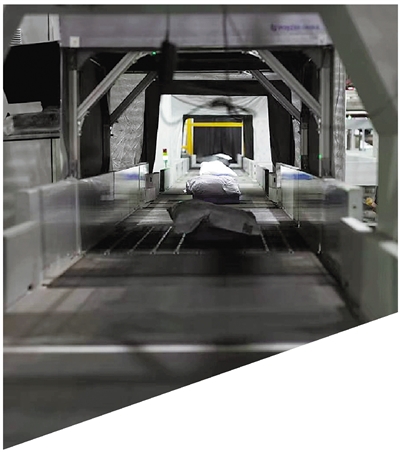
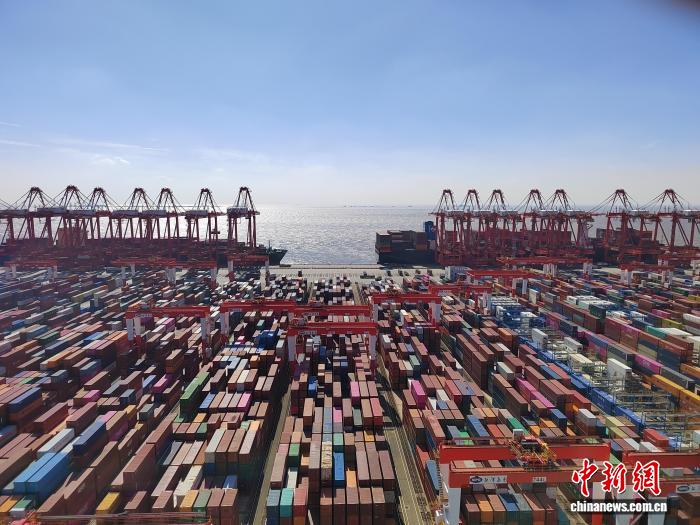
Core Insights - Shanghai's Yangshan Port and Pudong Airport are exemplifying the efficiency and convenience of "smart" ports, showcasing significant improvements in cargo handling and customs processes [1][2]. Group 1: Yangshan Port Developments - Yangshan Port achieved a record container throughput of 2.57 million TEUs in August 2023, marking the highest monthly volume [1]. - The implementation of the H986 container inspection system has reduced the time for physical inspections from 30 minutes to just a few minutes, significantly saving time for businesses [1]. - The "linked unloading" regulatory model has been introduced, enhancing integrated supervision and promoting regional collaboration in the Yangtze River Delta [1]. Group 2: Pudong Airport Enhancements - Pudong Airport has seen a 153% year-on-year increase in international transshipment cargo volume, with 17,000 tons monitored in the first eight months of 2023 [2]. - The opening of cargo transfer services between Pudong and Hongqiao airports has improved operational efficiency for airlines [2]. - Automated terminals for tax refunds at the airport have streamlined the process, allowing travelers to complete customs verification in under 10 seconds [2][3]. Group 3: Customer Experience - The airport currently operates nearly 10 automated terminals, processing around 500 tax refund requests daily, with a notable growth trend [3]. - A student from Russia completed her tax refund in under 5 minutes, highlighting the convenience of the new system [4].
(活力中国调研行)在上海“智慧”口岸体验便利与效率
Zhong Guo Xin Wen Wang· 2025-09-12 05:18
Core Insights - Shanghai's "smart" ports, including Yangshan Port and Pudong Airport, are enhancing efficiency and convenience in customs operations, showcasing China's foreign trade vitality [1][3]. Group 1: Yangshan Port - In August, Yangshan Port achieved a record container throughput of 2.57 million TEUs, marking the highest monthly volume [3]. - The implementation of the H986 container inspection system has reduced the time for physical inspections from 30 minutes to just a few minutes, significantly saving time for businesses [3]. - The "linked unloading" regulatory model promotes integrated supervision and enhances regional cooperation in the Yangtze River Delta, reflecting a commitment to green and efficient operations [3]. Group 2: Pudong Airport - Since June 2025, Pudong Airport has seen international transit cargo volumes reach historical highs for three consecutive months, with 17,000 tons of goods monitored in the first eight months of this year, representing a 153% year-on-year increase [6]. - The Shanghai Customs has facilitated cargo transfer between Pudong and Hongqiao airports, optimizing the efficiency of international cargo transit [4]. - Automated customs verification terminals for tax refunds at Pudong Airport have streamlined the process, allowing travelers to complete refunds in under 10 seconds, with around 500 transactions daily [6].
海南省“十五五”规划建言献策活动持续开展中
Hai Nan Ri Bao· 2025-09-12 01:49
Core Viewpoint - The Hainan Province is actively seeking public suggestions for its "14th Five-Year Plan" to enhance the scientific and democratic nature of the planning process, with a focus on high-quality development and the construction of a free trade port [2]. Group 1: Suggestions for Development - The proposal to fully promote the "Smart Customs" initiative aims to integrate advanced technologies such as big data, blockchain, IoT, and AI into customs supervision, reducing clearance time and costs to international leading levels [2]. - A suggestion to develop a stable and efficient public data resource supply chain, creating a high-quality public data resource system that meets diverse grassroots governance needs [3]. - The recommendation to align free trade port policies with RCEP rules to create a competitive trade environment, including support for utilizing RCEP's origin accumulation rules to lower production costs [3]. Group 2: Industry Transformation - A proposal to promote the transformation and upgrading of Hainan's industries by implementing a tax exemption policy for domestic sales of processed value-added goods, encouraging enterprises to extend from simple processing to high-value-added areas such as R&D and brand marketing [4]. - The ongoing public suggestion activity for the "14th Five-Year Plan" will continue until September 30, inviting contributions from various sectors to aid in the strategic planning for Hainan's development [4].
深圳海关畅通出口通道 助酒企抢抓“赛事经济”
Shen Zhen Shang Bao· 2025-09-01 06:36
Group 1 - The global beer consumption demand is expected to surge due to upcoming international sports events such as the 2025 UEFA European Championship and the Copa America, leading to a new growth phase for beer exports from Shenzhen [1] - In the first seven months of this year, Shenzhen Customs supervised the export of 23,000 tons of beer, valued at approximately 88.45 million yuan [1] - Qingdao Asahi Beer Co., Ltd. successfully exported a batch of 1.2 tons of beer after receiving approval for exemption from labeling requirements, highlighting the importance of customs support for maintaining orders [1] Group 2 - Shenzhen Customs confirmed that the special labeling request from Qingdao Asahi Beer met the requirements of the General Administration of Customs for export food packaging [2] - To facilitate efficient beer exports, Shenzhen Customs regularly organizes policy briefings for production enterprises and enhances safety controls to help companies understand foreign product standards [2] - The implementation of "smart customs" initiatives has improved overall customs efficiency by over 30%, allowing local beer companies to seize opportunities from the "event economy" [2]
