
油价下跌

Search documents
油价下跌 美国经济前景黯淡、欧佩克+增产施压
news flash· 2025-08-03 23:54
Core Viewpoint - The decline in oil prices is attributed to weak economic data from the United States, raising concerns about future demand, compounded by OPEC+'s decision to increase production [1] Group 1: Economic Indicators - The U.S. job market shows signs of cooling, with factory activity experiencing the fastest contraction in nine months, leading to market concerns about weak oil demand [1] Group 2: OPEC+ Production Decision - OPEC+ has reached an agreement to increase production by 547,000 barrels per day starting in September, which adds further pressure on oil prices [1]
利空突袭,油价大跌
21世纪经济报道· 2025-08-03 13:58
Core Viewpoint - Major oil-producing countries, including OPEC and non-OPEC members, are planning to approve a significant production increase in September, following a series of voluntary production cuts that began in November 2023 [2]. Group 1: Production Increase Plans - Eight major oil-producing countries, including Saudi Arabia, Russia, Iraq, and the UAE, are set to approve an increase of 548,000 barrels per day in September during a meeting on August 3 [2]. - These countries had previously announced a voluntary production cut of 2.2 million barrels per day in November 2023, which has been extended multiple times until March 2025 [2]. - Following the decision to gradually increase oil production starting April 1, 2024, these countries increased production by 411,000 barrels per day in July and 548,000 barrels per day in August [2]. Group 2: Market Reactions - The market has already anticipated the news of the production increase, leading to a significant drop in international oil prices on August 1, with ICE Brent crude falling over 3% and WTI crude down 2.89% [2]. Group 3: Geopolitical Context - The decision to increase production comes amid heightened pressure from the U.S. on Russia and Iran regarding their oil exports, with the U.S. urging countries like Brazil and India to reduce or stop imports of Russian oil [6][7]. - The U.S. Treasury Department has recently imposed sanctions on a shipping network linked to Iranian oil merchants, marking the largest scale of sanctions since the "maximum pressure" campaign began in 2018 [7].

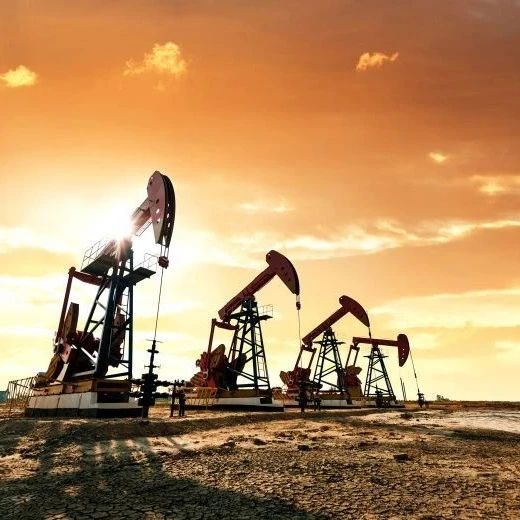
油价,利空大跌!
Sou Hu Cai Jing· 2025-08-03 12:30
Group 1 - OPEC+ has agreed to significantly increase oil production in September, raising daily output by 548,000 barrels to reclaim its market share in the global crude oil market [1] - Eight major oil-producing countries within OPEC+ announced voluntary production cuts of 2.2 million barrels per day in November 2023, which have been extended multiple times until March 2025 [1] - The recent increase in production marks a strategic shift for OPEC+ from defending oil prices to increasing supply [1] Group 2 - The decision to increase production comes amid a backdrop of U.S. President Trump's threats to impose secondary sanctions on Russian oil exports, which could lead to higher international oil prices [2] - Analysts warn that the market may enter a phase of significant oil oversupply starting in October, urging OPEC+ to be cautious about further increases [2]

油价,利空大跌!
证券时报· 2025-08-03 12:22
Core Viewpoint - OPEC+ has agreed to significantly increase oil production, marking a strategic shift from defending oil prices to boosting supply [2][4]. Group 1: Production Increase - OPEC+ will raise oil production by 548,000 barrels per day in September, completing its current supply recovery plan a year early [1][2]. - Eight major oil-producing countries within OPEC+ had previously announced a voluntary reduction of 2.2 million barrels per day, which has been extended multiple times until March 2025 [1]. Group 2: Market Context - The decision to increase production comes amid a backdrop of declining international oil prices, with ICE Brent crude falling over 3% and WTI crude down 2.89% [3][4]. - The increase in production is seen as a response to potential sanctions on Russian oil exports, which could lead to higher oil prices, conflicting with U.S. policy goals [4][5]. Group 3: Market Outlook - Analysts predict that the market will enter a phase of significant oil oversupply starting in October, urging OPEC+ to be cautious about further increases [6].
油价,利空突袭!
证券时报· 2025-07-05 23:45
Group 1 - OPEC+ agreed to increase oil production by 548,000 barrels per day in August, exceeding market expectations [1][2] - The increase in production is part of OPEC+'s strategy to regain market share and follows a shift from production cuts to ramping up output since April [2][3] - Analysts predict that the additional supply could lead to a supply surplus and potentially drive WTI oil prices down to $60 per barrel [4][5] Group 2 - The uncertainty surrounding U.S. tariff policies, as announced by President Trump, may disrupt global supply chains and dampen energy consumption in major economies [1][6] - Trump's proposed tariffs could range from 10% to 70%, with implementation expected to begin on August 1 [6] - The combination of OPEC+'s production increase and U.S. tariff threats is likely to create a volatile environment for oil prices in the near term [6]

花旗:如果油价跌至50美元/桶,欧佩克+可能会放慢增产节奏。
news flash· 2025-07-02 21:10
Core Viewpoint - Citigroup suggests that if oil prices fall to $50 per barrel, OPEC+ may slow down its production increase pace [1] Group 1 - A decline in oil prices to $50 per barrel could lead to a strategic shift in OPEC+'s production policy [1] - The current production increase strategy may be reassessed in response to lower oil prices [1] - OPEC+ is closely monitoring market conditions and price fluctuations to make informed decisions [1]
花旗:如果油价跌至50美元/桶,OPEC+可能会放慢增产石油的节奏。
news flash· 2025-07-02 21:09
Core Viewpoint - If oil prices drop to $50 per barrel, OPEC+ may slow down the pace of oil production increases [1] Group 1 - A potential decline in oil prices to $50 per barrel could lead to a strategic shift in OPEC+'s production strategy [1] - The current production levels and future output decisions by OPEC+ are closely tied to global oil price fluctuations [1]
【美股盘前】三大期指齐涨;银行股多数上涨,高盛涨约3%;日本汽车股下挫,本田汽车跌近2%
Mei Ri Jing Ji Xin Wen· 2025-06-30 10:09
Group 1 - Major U.S. banks passed the Federal Reserve's annual stress test, allowing for increased buybacks and dividends, with Goldman Sachs rising approximately 3% [2][3] - UBS announced a $2 billion stock buyback plan, starting on July 1, contributing to a 0.99% increase in its stock price [2][3] - Analyst Ming-Chi Kuo predicts Apple will begin releasing multiple Apple Vision series and smart glasses products starting in 2027, with Apple stock rising 0.51% [2][3] Group 2 - Japanese automotive stocks fell collectively due to President Trump's statement on maintaining a 25% additional tariff on Japanese cars, with Toyota down 1.55% and Honda down 1.85% [2][3] - NVIDIA insiders sold over $1 billion worth of stock in the past year, with sales exceeding $500 million this month, while NVIDIA stock rose 0.73% [2][3] - Tesla is expected to report second-quarter delivery data, with Wall Street predicting a year-over-year decline in sales, leading to a 0.71% drop in its stock price [2][3] - Jefferies upgraded Walt Disney's rating from "Hold" to "Buy," raising the target price from $100 to $144, resulting in a 2.06% increase in Disney's stock [2][3] Group 3 - Goldman Sachs reported that hedge funds sold energy stocks at the fastest pace since September 2024 due to falling oil prices amid easing tensions in the Middle East [3]

美、布两油短线下跌超1美元,现分别报64.88美元/桶和67.15美元/桶
news flash· 2025-06-24 13:24
Core Viewpoint - Crude oil prices for both WTI and Brent have experienced a short-term decline of over $1, currently priced at $64.88 per barrel and $67.15 per barrel respectively [1] Group 1 - WTI crude oil price is reported at $64.88 per barrel, reflecting a decrease of over $1 [1] - Brent crude oil price is currently at $67.15 per barrel, also showing a decline of more than $1 [1]
美国总统特朗普:油价下跌真是太好了。
news flash· 2025-06-24 12:27
Core Viewpoint - President Trump expressed that the decline in oil prices is very positive for the economy [1] Group 1 - The statement highlights the administration's perspective on the benefits of lower oil prices for consumers and the overall economy [1]