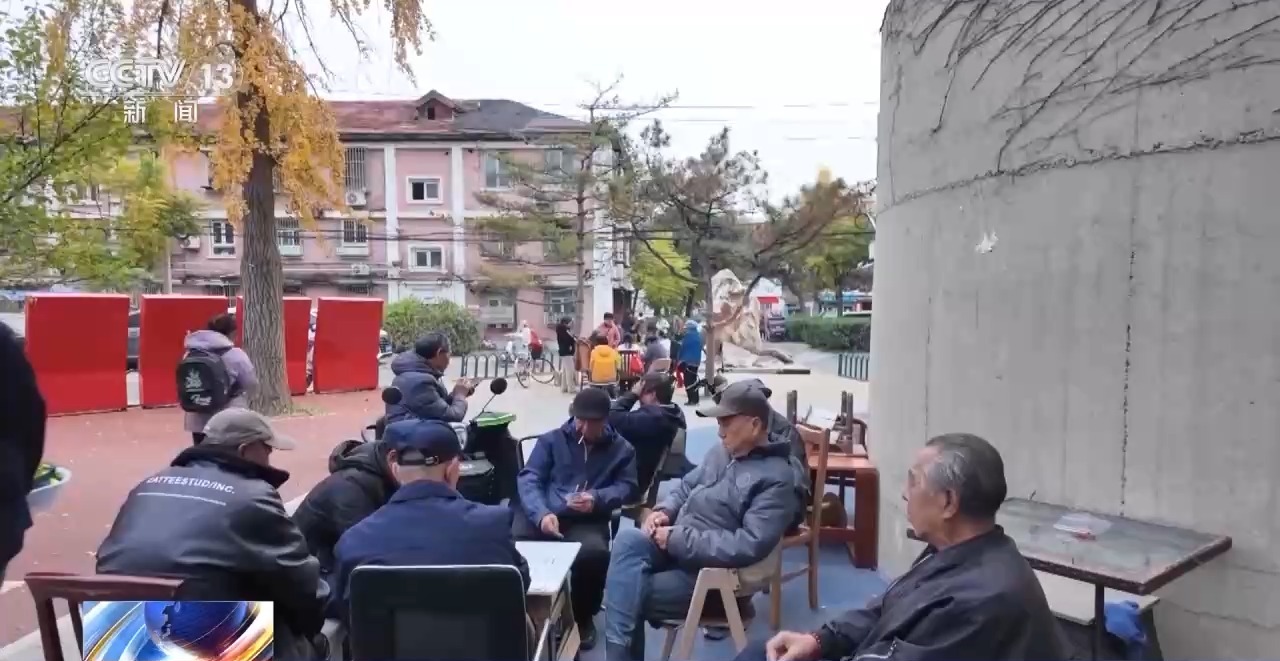
老旧小区改造

Search documents
香港高楼火灾后,高层住宅何去何从
吴晓波频道· 2025-11-28 00:29
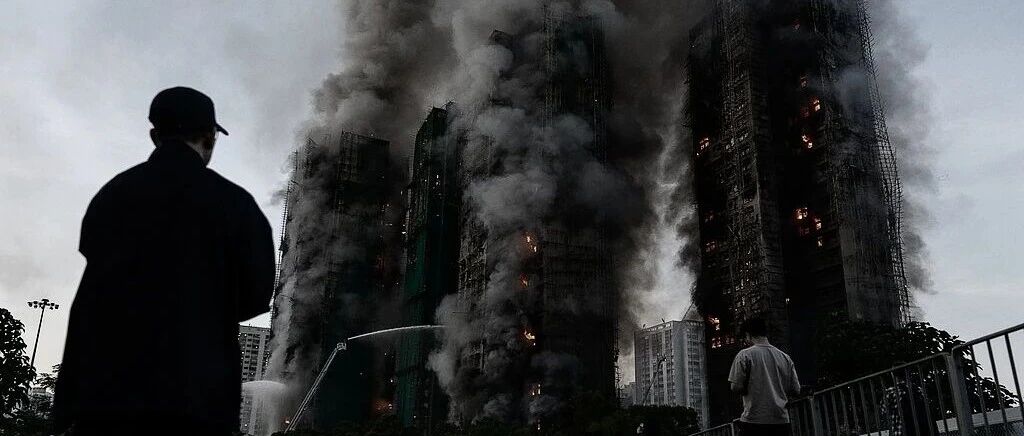
Core Viewpoint - The article discusses the tragic fire incident at Hong Kong's Mong Kok, highlighting the safety concerns associated with high-rise buildings and the systemic failures in fire safety management and building regulations that contributed to the disaster [4][23][25]. Group 1: Incident Overview - On November 26, a fire broke out at Mong Kok's Hong Fu Court, escalating to a level 5 fire alarm, resulting in at least 75 fatalities and over 200 missing individuals [4][5]. - The fire is noted as the deadliest in Hong Kong since 1948, raising significant concerns about high-rise residential safety [4][5]. Group 2: Building Safety Regulations - High-rise buildings are required to have smoke-proof stairwells, refuge floors, and automatic fire alarm systems, with firewalls having a fire resistance of at least 3 hours [5]. - The construction standards for high-rise buildings include specific evacuation width calculations based on occupancy [5]. Group 3: Fire Dynamics in High-Rise Buildings - High-rise buildings are prone to rapid fire spread due to the "chimney effect," where smoke and heat rise quickly, exacerbated by the building's design and external conditions [8][12]. - The proximity of buildings and high winds can facilitate the rapid spread of fire, as seen in the Mong Kok incident [9]. Group 4: Challenges in Firefighting - Firefighting efforts are hampered by the height of buildings, with existing equipment having limited operational heights, leaving significant areas inaccessible for rescue operations [14][15]. - The average effective rescue height of most firefighting equipment in China is around 50 meters, which is insufficient for many high-rise structures [15]. Group 5: Aging Infrastructure and Fire Risks - The Mong Kok complex, built in 1983, was undergoing extensive renovations, raising concerns about the presence of flammable materials and inadequate fire safety measures during construction [17][20]. - The presence of combustible materials used in construction, such as bamboo scaffolding and plastic sheeting, contributed to the fire's rapid escalation [20]. Group 6: Emergency Preparedness and Response - Residents reported a lack of effective fire alarm systems and emergency communication during the incident, highlighting deficiencies in emergency preparedness [21][22]. - Previous fire drills and safety training were insufficient, with many residents unaware of evacuation procedures [21][22]. Group 7: Regulatory and Systemic Issues - The incident revealed systemic failures in building safety regulations, with calls for stricter enforcement of fire safety standards and better oversight of construction materials [23][36]. - Legal experts emphasized the need for comprehensive risk assessments and improved regulatory frameworks to prevent similar tragedies in the future [36][39]. Group 8: Implications for Future Urban Development - The fire serves as a warning for urban development practices, particularly regarding the safety of high-rise buildings and the need for rigorous safety standards in construction and renovation [41]. - The incident has prompted discussions on the importance of integrating fire safety into urban planning and building design to enhance community safety [41].

老旧小区改造民生实事提前“交卷”
Hang Zhou Ri Bao· 2025-11-27 02:44
Core Insights - The article highlights the successful transformation of old residential communities in Hangzhou, showcasing the integration of modern amenities and services to enhance residents' quality of life [7][20] - The city has completed the renovation of 200 old residential communities this year, ahead of schedule, reflecting a commitment to improving living conditions [7][12] Community Renovation - The renovation projects focus on addressing residents' urgent needs, such as parking difficulties and outdated infrastructure, by incorporating feedback from community members through various channels [10][11] - Specific improvements include the addition of over 40 parking spaces, bringing the total to 108, and the installation of centralized charging stations for electric vehicles [10][12] Comprehensive Upgrades - The upgrades aim to create a "15-minute barrier-free living circle" by enhancing accessibility for the elderly and individuals with disabilities, including the installation of ramps and elevators [11][12] - As of now, the city has added 620 parking spaces and 2,442 non-motorized vehicle charging stations across renovation projects [12] Cultural Integration - The renovation projects incorporate cultural elements to enrich community identity, such as preserving historical architecture and creating spaces for cultural exhibitions [16][17] - The transformation of the Phoenix Garden community includes the establishment of a cultural center that serves as a hub for social interaction and community engagement [13][18] Governance and Community Engagement - The article emphasizes the importance of community governance, with initiatives like "red tea meetings" to gather resident opinions and address concerns effectively [18] - The integration of technology and community involvement has led to improved satisfaction among residents, demonstrating a model for effective urban governance [18][20]
北京“十四五”建设筹集67万套保障房
Bei Jing Shang Bao· 2025-11-23 15:32
Group 1: Housing Supply and Urban Renewal - During the "14th Five-Year Plan" period, Beijing has constructed and collected over 670,000 units of various types of affordable housing, with 430,000 units completed [1] - A total of 78 million square meters of old residential area have been renovated, achieving a 98% implementation rate [5] - The city has initiated the reconstruction of 1.04 million square meters of dilapidated housing and has fully advanced the resolution of D-grade dangerous buildings [1][5] Group 2: Public Rental Housing - The public rental housing registration family guarantee rate has reached 85.5%, up from 42.5% in 2020, meeting the target set for the end of the "14th Five-Year Plan" [3] - Over the past five years, 240 batches of public rental housing allocations have been conducted, providing approximately 136,000 units [3] - A total of 33 billion yuan in market rent subsidies and 24 billion yuan in public rental housing rent subsidies have been distributed to enhance the rental burden capacity of beneficiaries [3] Group 3: Affordable Rental Housing for New Citizens - Since 2022, Beijing has actively developed affordable rental housing to meet the needs of new citizens and young people, exceeding the target of 400,000 units set for the "14th Five-Year Plan" [4] - The city has utilized collective construction land to build nearly 130,000 units of affordable rental housing, the largest total in the country [4] Group 4: Financial Sector Development - The financial sector's added value in Beijing increased from 6,804.1 billion yuan at the end of 2020 to 8,154.2 billion yuan by the end of 2024, contributing significantly to the city's economic stability [8] - The financial industry contributes approximately 20% to the city's GDP, local public budget revenue, and local tax revenue, with a 40% contribution to total tax revenue [7][8] Group 5: Risk Management in Financial Sector - Over the past five years, the disposal of non-performing loans in Beijing has increased by 1.4 times compared to the "13th Five-Year Plan" period, with a non-performing loan rate of 0.7% [10] - The capital adequacy ratio of banks in Beijing stands at 16.58%, exceeding the national average by 1.22 percentage points [10]
有人正在疯狂收购老旧小区顶楼,内行人:里面的商机许多人都不懂
Sou Hu Cai Jing· 2025-11-22 04:11
Core Insights - The current real estate market is experiencing unusual dynamics, with developers lowering prices while second-hand listings are increasing, and a growing trend of investors purchasing old top-floor apartments [1][4] - The shift in policy starting from late 2023 has led to a nationwide initiative for the renovation of old residential communities, with over 200,000 communities included in the urban renewal plan by 2025 [1][8] Policy Changes - The government views old residential areas as "sunk assets" that, once activated, can become valuable land for development, creating a visible policy dividend for investors [4][12] - Renovation projects such as elevator installations and facade improvements are not merely for improving living conditions but are driven by deeper policy logic [2][4] Investment Opportunities - The addition of elevators transforms top-floor apartments from undesirable units to highly valued assets, with potential price increases from 150,000 to 300,000 or even 400,000 after renovations [6][12] - The anticipated urban renewal and demolition projects starting in 2024 will focus on old residential areas, which are often located in prime urban locations, making top-floor units attractive for investment [8][10] Market Dynamics - The value of land in these old communities far exceeds the current property values, making demolition and redevelopment inevitable, with top-floor units being the easiest to negotiate for high compensation during redevelopment [10][19] - Investors are not merely speculating but are capitalizing on the certainty of policy-driven opportunities, with top-floor apartments seen as a low-barrier entry point into the real estate market [12][17] Future Trends - As the market evolves, top-floor apartments are becoming a new investment weapon, with their previously overlooked value now recognized as a significant opportunity [19] - The market rewards those who can see beyond current trends, with early investors in top-floor units already experiencing substantial returns [19]
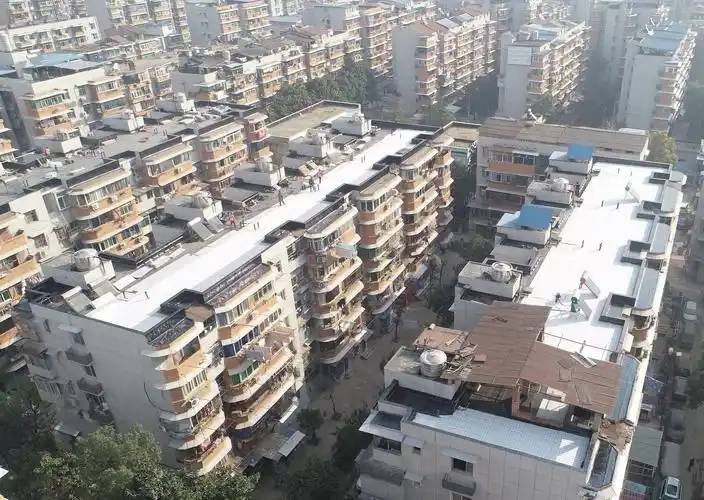
“十四五”期间北京市属老旧小区改造已实施约7800万平方米
Zheng Quan Shi Bao Wang· 2025-11-21 10:02
Core Insights - During the "14th Five-Year Plan" period, Beijing has implemented a total of 78 million square meters of renovation in municipal old residential areas, achieving an overall implementation rate of 98% [1] - The energy-saving renovation of building structures has reached approximately 26.5 million square meters, with the replacement of about 170,000 internal and external water pipes [1] - Over 50,000 adaptations for the elderly have been made within communities, along with the renovation of utility lines totaling approximately 2,880 kilometers and the undergrounding of overhead lines reaching about 2,730 kilometers [1] - The construction of public green spaces has covered around 3.7 million square meters, and 70 social capital projects have been introduced, including the establishment of 29 convenience stores and 7 community canteens [1] - A third-party verification indicates that the overall satisfaction rate of residents regarding the renovation work stands at 96% [1]
“十四五”期间,北京已累计实施市属老旧小区改造7800万平方米
Bei Jing Shang Bao· 2025-11-21 09:09
Core Points - The "14th Five-Year Plan" for Beijing has achieved a 98% implementation rate in the renovation of old residential areas, covering approximately 78 million square meters [1] - The energy-saving renovation of buildings has been completed for about 26.5 million square meters, and 170,000 vertical water supply and drainage pipes have been replaced [1] - Over 50,000 adaptations for the elderly have been made within communities, along with the renovation of approximately 2,880 kilometers of water, electricity, gas, and heating pipelines [1] - The project has also included the undergrounding of 2,730 kilometers of overhead lines and the construction of 3.7 million square meters of public green space [1] - A total of 70 social capital projects have been introduced, including the construction of 29 convenience stores and 7 community canteens [1] - Resident satisfaction with the renovation work stands at 96%, as verified by third-party assessments [1] - During the "14th Five-Year Plan" period, over 9,700 households in core areas have applied for rental termination, and 1.04 million square meters of dilapidated housing have been initiated for reconstruction [1]
党的十八大以来我国累计改造30多万个老旧小区
Xin Hua Wang· 2025-11-20 09:18
Core Points - The Chinese government has built over 68 million units of various types of affordable housing and relocation housing since the 18th National Congress, benefiting more than 170 million people with housing difficulties [1] - The government has also renovated over 300,000 old communities, improving living conditions for more than 130 million urban residents [1] Group 1: Housing Construction and Improvement - The government is accelerating the construction of affordable housing to meet the basic housing needs of disadvantaged groups, implementing policies tailored to local conditions [1] - A multi-tiered housing security system has been established, including public rental housing, affordable rental housing, and allocated affordable housing, catering to different groups such as low-income families, new citizens, and youth [1] - The approach combines monetary subsidies and physical guarantees, with a focus on demand-driven construction and procurement [1] Group 2: Renovation Projects - The government is prioritizing renovation projects that address urgent issues faced by the public, focusing on areas with significant risks and poor living conditions [2] - Support for these projects includes tax incentives, financial loans, land planning, and central subsidies, ensuring diverse funding sources for renovations [2] - The renovation strategy includes a mix of retention, renovation, and demolition based on community needs and the characteristics of the buildings [2]
上城一社区实现“逆生长”
Hang Zhou Ri Bao· 2025-11-13 02:49
Core Points - The renovation of elevators in the Meichen community has been completed ahead of schedule, marking a significant improvement in the living conditions for residents [1] - The project involved the replacement of 97 old elevators that had been in service for over a decade, addressing frequent malfunctions and noise issues [1] - The community has implemented a dual approach of community service and resident cooperation to facilitate the renovation process [1] Group 1 - The updated elevators have reduced operational noise by 40% and energy consumption by 30%, while increasing cabin height by 20 cm [2] - Additional safety features such as smart alarms and accessible buttons have been integrated into the new elevators [2] - The elevator renovation has served as a catalyst for broader community improvements, leading to the launch of a resident feedback initiative [2] Group 2 - The community has initiated 16 targeted livelihood projects in response to resident feedback, addressing various issues such as road conditions and lighting [2] - A "5+1" workspace has been established to coordinate property management, governance, and public services under the guidance of community leadership [2] - The community's proactive approach has fostered a strong collaborative effort in grassroots governance [2]
视频丨2个月变20天 新技术破解“高龄”筒子楼焕新难题
Yang Shi Xin Wen Ke Hu Duan· 2025-11-12 07:35
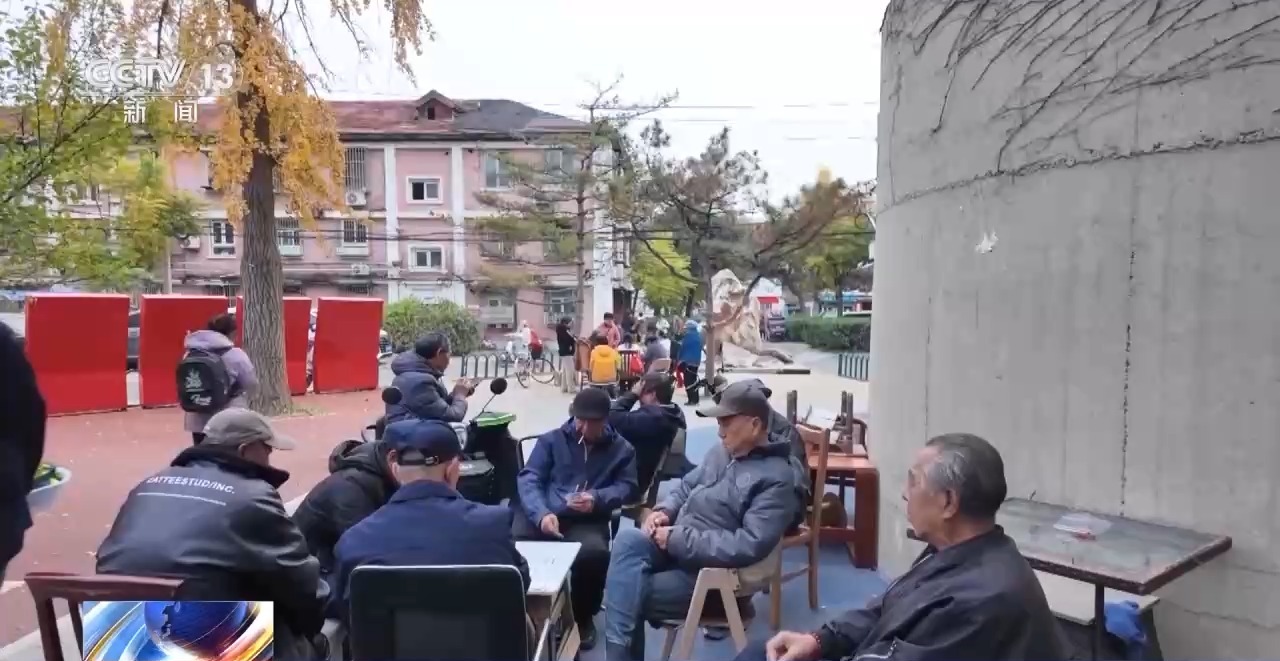
Core Viewpoint - The article emphasizes the increased focus on urban renewal, particularly the renovation of old residential communities, as part of China's "14th Five-Year Plan" and the upcoming "15th Five-Year Plan" [2][41]. Group 1: Urban Renewal Strategy - The "15th Five-Year Plan" explicitly calls for vigorous implementation of urban renewal, enhancing the efforts compared to the "14th Five-Year Plan" [2]. - Renovation of old residential communities is a key task within urban renewal, directly impacting residents' quality of life [2][6]. Group 2: Case Study of Chaoyang District - The Chaoyang District's Guanzhuang Dongli community, with buildings dating back to the 1950s, faces significant renovation challenges due to poor living conditions and outdated infrastructure [4][6]. - The community has been identified for renovation, reflecting a broader trend where old communities are increasingly included in urban renewal plans [6][41]. Group 3: Financial Support and Goals - The central government has allocated over 1.5 trillion yuan (approximately 150 billion) to support the renovation of old residential communities during the "14th Five-Year Plan" [11]. - Specific goals have been set for the renovation of large-roofed buildings in Beijing, aiming for completion by 2026 [11][41]. Group 4: Innovative Technologies in Renovation - New technologies, such as high-strength steel structures, are being employed to replace deteriorating wooden roofs, significantly reducing construction time from two months to about 20 days [16][18]. - The use of prefabricated components and modular construction methods is enhancing efficiency and minimizing disruption to residents during renovations [20][22]. Group 5: Enhancing Resident Experience - Renovation projects are incorporating features that cater to the needs of elderly residents, such as safety handrails and emergency call buttons [34][37]. - The approach includes providing a range of renovation options to residents, allowing for customization based on individual needs [35][37]. Group 6: Future Prospects - The ongoing urban renewal efforts are expected to accelerate, with more challenging projects likely to be included in future renovation lists [41]. - The focus will also be on improving energy efficiency, accessibility for the elderly, and enhancing public facilities in old communities [43].
2个月变20天 新技术破解“高龄”筒子楼焕新难题
Yang Shi Xin Wen Ke Hu Duan· 2025-11-12 07:14
Core Viewpoint - The "14th Five-Year Plan" emphasizes the importance of urban renewal, particularly focusing on the renovation of old residential communities, which directly impacts residents' quality of life [1][10]. Group 1: Urban Renewal Initiatives - The "15th Five-Year Plan" proposes a stronger implementation of urban renewal compared to the previous plan, highlighting the urgency of renovating old neighborhoods [1]. - The renovation of the 70-year-old Guan Zhuang Dong Li community in Beijing marks a significant step in addressing long-standing issues faced by residents [1][3]. Group 2: Challenges in Renovation - The Guan Zhuang Dong Li community, originally built as a state-owned enterprise dormitory, faces unique challenges due to its lack of planning and standards, complicating the renovation process [3][5]. - The wooden roofs of the buildings, which have been repaired multiple times over the years, present significant difficulties in renovation, requiring innovative solutions to ensure safety and efficiency [8][10]. Group 3: Financial Support and Planning - The central government has allocated over 1.5 trillion yuan to support the renovation of old residential communities, with specific goals set for the completion of renovations by 2026 [10][35]. - A five-year plan specifically targeting the renovation of old communities has been established in Beijing, aiming to enhance living conditions for residents [10][37]. Group 4: Technological Innovations - New construction technologies, such as the use of steel structures instead of traditional wooden roofs, are being implemented to expedite the renovation process while minimizing disruption to residents [13][15]. - The introduction of modular construction techniques has reduced the roofing installation time from two months to approximately 20 days, showcasing advancements in construction efficiency [15][20]. Group 5: Community Engagement and Services - Renovation projects are incorporating community feedback, with sample rooms provided for residents to visualize the changes and select suitable options for their homes [27][29]. - The renovation efforts are also focusing on enhancing the living experience for elderly residents, offering adaptable living solutions and safety features [29][31]. Group 6: Future Prospects - The ongoing urban renewal initiatives are expected to accelerate the renovation of more challenging projects, improving living conditions across various old communities [35][37]. - The successful strategies developed in the Guan Zhuang Dong Li project are intended to be replicated in other similar communities, addressing common renovation challenges [33].