人工智能

Search documents
滴滴的AI如何帮你叫到“对的车”?
Shang Hai Zheng Quan Bao· 2026-03-24 03:17
Core Insights - Didi's AI ride-hailing assistant "Xiao Di" has quickly gained popularity among users following its recent upgrade, showcasing significant operational data [2][3] User Preferences - In personalized ride requests, the top three user preferences are "fast and cheap" (57%), "fresh air" (12.5%), and "nearest car" (9.9%) [2] - Other notable preferences include "no motion sickness," "good car," "spacious back seat," "new car," "smooth ride," "good service," and "gasoline car" [2] AI Functionality - Xiao Di, launched in September 2025, is the first AI ride-hailing service in the industry, capable of responding to complex user needs with a single sentence [2][8] - The AI can interpret user requests and match them with available vehicles based on real-time conditions, prioritizing core needs when no exact match is found [3][8] Service Features - Xiao Di supports over 90 service tags, allowing users to search for nearby locations, book rides, and plan long-distance transfers [5] - High-frequency search destinations include "subway stations," "coffee shops," "hot pot restaurants," and "charging stations," indicating diverse user needs beyond simple transportation [5] User Behavior - Users increasingly demonstrate a preference for planned and predictable travel, with common requests for rides at specific times or on a recurring basis [5] - The "combination travel" feature is popular, with users seeking efficient routes that minimize transfers and walking [5] Market Positioning - Didi's AI ride-hailing service aims to transition from simply "getting a car" to "getting the right car," enhancing user experience through personalized matching [8][10] - The platform's extensive vehicle supply network and service stability are crucial for meeting detailed user demands [10][11] Competitive Landscape - The introduction of AI in ride-hailing is expected to shift the industry focus from price competition to value competition, as users articulate specific vehicle and service requirements [11]


刚刚!伊朗发射导弹!原油,直线拉升!高盛突发警告
券商中国· 2026-03-24 03:17
Group 1 - The core viewpoint of the article highlights the high uncertainty in the Middle East situation, particularly regarding the conflict involving Israel and Iran, which is impacting global oil prices and economic forecasts [1][2][11]. Group 2 - On March 24, international oil prices surged again, with Brent crude oil futures reaching $100 per barrel during the day, reflecting a 3.83% increase to $99.61 per barrel, while WTI crude oil rose by 3.45% to $91.19 per barrel [4]. - The Israeli Defense Forces reported that they detected Iranian missile launches towards Israel, prompting defensive actions [2][4]. - Goldman Sachs warned that the continued closure of the Strait of Hormuz would elevate energy prices, negatively affecting economic growth and increasing inflation, with a projected 30% probability of a U.S. recession in the next 12 months [2][11]. Group 3 - Goldman Sachs anticipates that the U.S. GDP growth rate will fall below the potential trend line of 1.25% to 1.75% in the second half of the year due to the ongoing geopolitical tensions [11]. - The firm also noted that the financial conditions have tightened by approximately 60 basis points due to the war, which could further drag down economic growth by about 0.5 percentage points [13]. Group 4 - A giant oil tanker successfully passed through the Strait of Hormuz, carrying 2 million barrels of Iraqi crude oil, marking a significant event amid the ongoing conflict [8][9]. - The tanker, managed by a Japanese shipping company, was tracked to be in Mumbai, indicating limited shipping activity in the region since the conflict began [9][10]. Group 5 - Goldman Sachs' chief economist highlighted that while the negative energy shock for the U.S. is manageable, the economy still faces cyclical slowdowns, particularly as fiscal stimulus effects from last summer fade [13]. - The firm also raised concerns about the potential impact of artificial intelligence on employment, predicting that its effects will intensify post-2026 [13].


国内大厂AI进展点评:阿里云收入加速,AI商业化进入兑现期
Guoxin Securities· 2026-03-24 02:58
Investment Rating - The investment rating for the industry is "Outperform the Market" (maintained) [1][7] Core Insights - Alibaba Cloud's revenue accelerated, with Q3 FY2026 revenue reaching 43.284 billion yuan, a year-on-year growth of 36%, and external commercialization revenue growing by 35% [2][3] - AI-related product revenue has achieved triple-digit growth for ten consecutive quarters, with a target set by management to exceed 100 billion USD in annual revenue from cloud and AI commercialization within the next five years [2] - The growth driver for Alibaba Cloud has shifted from internal support to a resonance of internal and external demand, confirming a structural upward trend driven by AI [2] - The daily token call volume has surged, indicating a transition from "experimental calls" to high-adhesion "productivity consumption," becoming a new anchor for commercialization [2][10] - The open-source ecosystem has effectively lowered the trial-and-error threshold for enterprises, facilitating a smooth flow to the Bailian platform, highlighting the revenue potential of high-margin PaaS/MaaS layers [2] Revenue Performance - Alibaba Cloud's Q3 FY2026 cloud revenue reached 43.284 billion yuan, marking a year-on-year increase of 36% and a quarter-on-quarter increase of 8.8% [3] - The EBITDA for FY2025 reached 10.56 billion yuan, with a profit margin rising to 9%, showing a consistent year-on-year increase in both EBITDA scale and profit margin [3] Capital Expenditure - Alibaba Cloud's capital expenditure for Q4 FY2025 was 29 billion yuan, with a total annual capital expenditure of 123.7 billion yuan, representing a year-on-year increase of approximately 44% [8] - The internal capital expenditure plan for 2026 is projected to reach 150 billion yuan, with over 100 billion yuan allocated for infrastructure investments [8] Token Usage and Ecosystem - The daily token call volume has increased significantly, with external customer daily calls rising from less than 1 trillion at the beginning of the year to nearly 5 trillion, while internal business calls reached 16-17 trillion [10] - As of Q3 FY2025, AI-related external revenue was approximately 6.3 billion yuan, with GPU-related revenue around 4.7 billion yuan and PaaS/MaaS-related revenue about 1.6 billion yuan [12] Market Competition and Pricing Strategy - The industry pricing anchor is shifting from "low-price volume grabbing" back to "value pricing," with Alibaba Cloud and Baidu announcing price increases for AI computing power and storage [16] - Alibaba Cloud's future competitive focus is on bundling models, GPUs, and toolchains into high ARPU full-stack contracts, contrasting with competitors focusing on low-cost MaaS [16] Industry Chain Overview - Alibaba Cloud's 2026 capital expenditure plan of approximately 150 billion yuan will drive expansion and iteration in the upstream hardware industry chain, including IDC, power supply, and liquid cooling [18] - The target for domestic chip procurement is set at 70%, which will accelerate the domestic core hardware localization process [18]
PCB钻针行业深度:AIPCB需求高增,钻针行业量价齐升
Shenwan Hongyuan Securities· 2026-03-24 02:57
Investment Rating - The report indicates a positive outlook for the PCB drill needle industry, driven by the increasing demand for AI PCBs and the expected market growth [3][15][33]. Core Insights - The PCB drill needle market is highly concentrated, with the top five companies holding a market share of 75% [3][16]. - The global PCB drill needle market is projected to grow from 4.5 billion yuan in 2024 to 9.1 billion yuan by 2029, with a CAGR of 15% from 2024 to 2029 [15][16]. - The demand for high-end PCBs driven by AI applications is leading to increased requirements for drill needles, including higher durability and performance [3][34]. - The industry is experiencing a phase of accelerated integration and technological upgrades, particularly in regions like mainland China, Taiwan, and Japan [3][19]. Summary by Sections 1. Market Concentration and Growth - The PCB drill needle market is highly concentrated, with a CR5 of 75% [3][16]. - The market is expected to follow a "cyclical fluctuation, spiral upward" trend until 2024, with a projected market size of 4.5 billion yuan [3][15]. - The market is experiencing accelerated integration and technological upgrades, with major players like Ding Tai Gao Ke holding a 28.9% market share [3][16]. 2. Demand Drivers and Technological Upgrades - AI is driving the demand for high-end PCBs, which in turn raises the requirements for drill needles in terms of durability and performance [3][34]. - The transition to high-performance and high-density PCBs is leading to significant changes in materials and manufacturing processes, necessitating advancements in drill needle technology [3][34]. - The introduction of new materials, such as M9+Q cloth, is increasing the wear rate of drill needles, necessitating higher performance specifications [3][55]. 3. Key Industry Players - Key players in the industry include Ding Tai Gao Ke, which is recognized as the global leader in PCB drill needles, and Zhong Tung Gao Xin, known for its high-end product offerings [3][79][92]. - Ding Tai Gao Ke has a comprehensive product portfolio and is recognized for its technological innovations, including self-developed equipment [3][80]. - Zhong Tung Gao Xin's subsidiary, Jin Zhou Jing Gong, has a strong focus on high-end products and is expanding its production capacity [3][92]. 4. Performance Metrics and Financial Outlook - Ding Tai Gao Ke's revenue is projected to grow significantly, with a 64% increase in net profit expected in 2025 [3][86]. - The company is experiencing a supply-demand imbalance, leading to increased production and sales of drill needles [3][86]. - Jin Zhou Jing Gong is also expected to see substantial growth, with a 105% increase in net profit projected for 2025 [3][92].




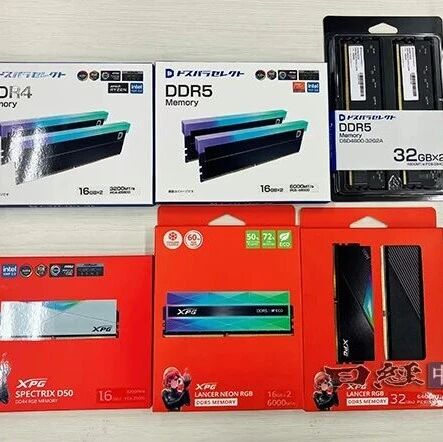
DRAM价格1年暴涨至8.8倍,缺货何时缓解?
日经中文网· 2026-03-24 02:54
Core Viewpoint - The price of DRAM is experiencing significant increases, with a 15% month-on-month rise in February, reaching 8.8 times the price from a year ago, leading to procurement difficulties for manufacturers in various sectors, particularly home appliances [2][6][12]. Group 1: Price Trends and Market Dynamics - The February bulk trading price for the benchmark DDR4 8GB reached approximately $15.0, marking a 15% increase from the previous month and an 8.8-fold increase from February 2025 [6]. - The price surge is primarily attributed to the reduction or cessation of DDR4 production by major manufacturers, including Samsung Electronics, SK Hynix, and Micron Technology, which collectively account for over 90% of global supply [7]. - The shift in production focus towards DDR5 and high-bandwidth memory (HBM) for AI applications has exacerbated supply shortages, with Taiwanese manufacturers unable to fully compensate for the output gap left by the three major companies [7][10]. Group 2: Supply Chain Challenges - The current supply situation is critical, with many semiconductor trading companies reporting an inability to meet existing customer demands, leading to a refusal to engage with new clients [10]. - Some manufacturers are resorting to purchasing DRAM through spot trading at higher prices due to the inability to secure bulk orders, while others have reverted to using older DDR3 products due to skyrocketing DDR4 prices [10]. - The supply availability is estimated to be around 40-50% for most companies, with specific sectors like automotive facing longer lead times due to stringent production requirements [10]. Group 3: Future Outlook - No companies surveyed expect a decrease in DRAM prices in the near term, with relief from supply shortages anticipated only after new factories are established by the major manufacturers post-2027 [11]. - The ongoing price increases and supply constraints are significantly impacting the operational costs for finished goods manufacturers, with some reporting increased losses as production continues [12].
交银国际每日晨报-20260324
BOCOM International· 2026-03-24 02:16
Group 1: Core Insights - Xiaopeng Motors achieved its first quarterly profit in 4Q25, with revenue reaching 22.25 billion yuan and a record high gross margin of 21.3% [1] - The company expects a weak guidance for 1Q26 due to seasonal factors and new product transitions, but management anticipates demand recovery starting in March [1] - Future sales are expected to improve quarter by quarter, driven by the VLA2.0, GX, and four new vehicle models [1] Group 2: Market Performance - The Hang Seng Index closed at 24,382.47, down 3.24% for the day and down 6.61% year-to-date [2] - Major global indices showed mixed performance, with the Dow Jones up 1.38% and the S&P 500 up 1.15% [2] - Commodity prices such as Brent crude oil increased by 84.25% year-to-date, while gold and silver also saw positive changes [2] Group 3: Economic Data Releases - Upcoming economic data releases include the Manufacturing Purchasing Managers' Index for March in the US, expected at 51.60, and initial jobless claims, expected at 206,000 [3] - The report highlights the importance of monitoring these indicators for understanding market trends and economic health [3] Group 4: Company Specifics - Xiaopeng Motors maintains a "Buy" rating with a target price of 134.69 HKD, indicating a potential upside of 88.1% from the current price of 71.60 HKD [1] - The report emphasizes long-term optimism regarding the dual-energy vehicle, Robotaxi, and robotics business, which are expected to enhance valuation [1]
剂泰科技获上市备案通知书、香港IPO在即:「AI制药/AI4S」赛道迎上市潮
IPO早知道· 2026-03-24 01:51
Core Viewpoint - The article discusses the upcoming IPO of Jitai Technology, a biotech company focused on AI-driven nanomaterials, which is expected to soon disclose its PHIP documents and complete its listing on the Hong Kong Stock Exchange [3]. Company Overview - Jitai Technology was founded in 2020 by Dr. Chen Hongmin, a member of the U.S. National Academy of Engineering, along with MIT scientists Dr. Lai Caida and Dr. Wang Wenshou [3]. - The company specializes in targeted drug delivery and discovery technologies to help combat diseases and aging, aiming to restore health and vitality [3]. Technological Innovations - Jitai Technology has developed the world's first AI-driven nanodelivery platform, NanoForge, and possesses the largest global library of LNP (lipid nanoparticles) with over 10 million variants [4]. - The company has created three core solutions based on NanoForge: AiLNP (AI nanodelivery system design platform), AiRNA (AI mRNA sequence design platform), and AiTEM (AI small molecule formulation design platform) [4]. - Jitai Technology has achieved breakthroughs in targeted delivery to eight key organs or tissues, addressing challenges in multi-organ and multi-tissue targeting, providing drug opportunities for various diseases including tumors and neurodegenerative disorders [4]. Clinical Developments - The pipeline product MTS-004 is China's first AI-enabled new drug that has completed Phase III clinical trials, potentially filling a gap in the PBA treatment field and improving the quality of life for patients with conditions like ALS and swallowing difficulties [4]. - The company is also developing a new generation of immunotherapy strategies through its innovative "rocket + satellite" delivery paradigm, with the pipeline product MTS-105 recognized as an orphan drug by the FDA, aiming to be the first mRNA-encoded TCE therapy for solid tumors globally [4]. Investment and Market Position - Since its establishment, Jitai Technology has secured over 2.5 billion RMB in investments from notable institutions including Jingtaitech, Fengrui Capital, Sequoia China, and others [4]. - The article notes that besides Jitai Technology, several other AI pharmaceutical companies are seeking or have confidentially submitted listing applications to the Hong Kong Stock Exchange [5].

偷偷挣大钱的半导体公司
是说芯语· 2026-03-24 01:37
Core Viewpoint - The rapid development of artificial intelligence is driving a surge in global demand for advanced chips, leading to increased competition among companies in the chip testing supply chain to meet this demand [1] Group 1: Chip Testing Demand and Growth - Testing is crucial to ensure that every step of the chip manufacturing process meets strict quality standards, with the complexity of chip structures increasing the importance of quality control [1] - Advantest, the largest chip testing equipment supplier, expects to achieve record revenue growth of 37% and more than double its net profit by the fiscal year ending March 2026 [1] - Competitors like Teradyne and Chroma ATE are also experiencing robust revenue recovery, with their stock prices having more than doubled over the past year [1] Group 2: Complexity of AI Chip Testing - Testing times for mobile application processors have increased significantly, from under one minute to over ten minutes due to the complexity of AI chipsets, necessitating more tools [2] - All AI chips must undergo 100% testing, often requiring multiple stages to ensure proper functioning, which increases the cost and complexity of testing [2] Group 3: System-Level Testing Importance - System-level testing has become essential for ensuring the proper operation of AI server chipsets and modules, with strong demand for power electronics testing in AI servers and infrastructure [3] - Companies like FormFactor and Micronics have seen their stock prices and revenues increase significantly, reflecting the growing need for probe cards and tools used in chip manufacturing verification [3] Group 4: Market Dynamics and Challenges - Companies like Winway Technology and CHPT have experienced unprecedented stock price increases of 457% and 448%, respectively, due to the complexity of AI chipsets and data center systems [5] - Despite efforts to expand capacity, demand for testing services is outpacing supply, with Winway planning to double its probe pin capacity by the end of 2026 but still only able to meet about 60% of internal demand [5] Group 5: Future Outlook - The demand for testing services is expected to remain strong through 2028, with industry executives highlighting challenges such as land shortages, power shortages, and talent shortages [8] - The current AI boom is viewed as fundamentally different from past bubbles, with new applications emerging rapidly, suggesting a lasting transformation in the industry [9] - Analysts predict that the complexity of AI systems will continue to increase testing steps and time, raising the risks and costs associated with failures [9]

哔哩哔哩-抄底利润可持续增长潜力出色公司的好时机,上调评级至“增持”
2026-03-24 01:27
Summary of Bilibili Conference Call Company Overview - **Company**: Bilibili (哔哩哔哩) - **Market Cap**: Approximately $9.73 billion (USD) / $9.63 billion (HKD) [2][34] Key Points and Arguments Rating and Price Target - The rating for Bilibili has been upgraded to "Overweight" with a new target price of $35 (USD) and 270 (HKD), representing potential upside of 27% and 30% respectively [1][31] - The stock price has declined by 26% from its recent peak in January 2026, while the Hang Seng Index fell by 6% during the same period [1][31] AI Investment Strategy - Bilibili plans to increase its investment in AI, which is expected to enhance user engagement and advertising revenue [1][31] - AI is projected to be a major driver for user engagement and advertising revenue growth, with expected increases of 10% in daily active users, 19% in total usage time, and 27% in advertising revenue by Q4 2025 [1][31][40] Financial Projections - Adjusted net profit is forecasted to grow by 25% in 2026, with accelerated growth of 41% and 30% in 2027 and 2028 respectively [1][31][36] - The company maintains a long-term gross margin target of 40%-45% and an adjusted operating margin target of 15%-20% [17][36] Advertising Revenue Growth - Advertising revenue is expected to grow by over 25% in the coming quarters, supported by user engagement and increased ad placements [4][32] - The effective cost per thousand impressions is anticipated to maintain growth, with an estimated increase of 5-10% in 2025 [14][32] New Game Releases - Upcoming game releases, including "Three Kingdoms: Hundred Generals" and "Shining! Lume," are expected to drive revenue growth, with a projected 11% increase in game revenue starting Q3 2026 [4][32][21] Impact of iOS Commission Rate Changes - Recent reductions in iOS commission rates are expected to positively impact multiple business lines (gaming, value-added services, advertising) by approximately 3% [22][31][40] Valuation - Current valuation stands at 25x and 18x for 2026 and 2027 expected P/E ratios, respectively, which is attractive compared to a projected 36% compound annual growth rate for profits from 2027 to 2028 [1][31][36] Other Important Insights - The company’s operational leverage allows for stable profit growth even with increased AI investments [1][31] - The adjusted net profit forecast is higher than Bloomberg consensus estimates by 5% and 13% for 2026 and 2027, respectively [1][31] - Risks include potential underperformance of new games and decreased demand for advertising inventory [42][41] Conclusion - Bilibili is positioned for sustainable growth through strategic AI investments and new game releases, with a favorable valuation relative to its growth prospects. The recent stock price decline presents a buying opportunity for investors.

众安在线:Net earnings weakened in 2H; ZA Bank hit first full-year profit-20260324
Zhao Yin Guo Ji· 2026-03-24 01:24
Investment Rating - The report maintains a "BUY" rating for ZhongAn, with a target price revised down to HK$18 from HK$23, indicating a potential upside of 36.9% from the current price of HK$13.15 [2][19]. Core Insights - ZhongAn reported a net profit of RMB1.1 billion for FY25, an 83% increase year-on-year, although it fell short of the estimated RMB1.2 billion due to a decline in net earnings in the second half of the year [1][10]. - The adjusted net profit reached RMB1.8 billion, up 198% year-on-year, aided by a one-off impairment loss of approximately RMB0.7 billion on its joint venture, ZhongAn International [1]. - The combined ratio (CoR) improved to 95.8%, better than the estimated 96.6%, driven by strong performance in the Health and Auto segments [1][10]. - Gross written premiums (GWP) grew by 6.9% year-on-year to RMB35.7 billion, primarily supported by the Auto segment, which saw a 35% increase, and the Health segment, which grew by 23% [1][10]. - ZA Bank achieved its first full-year profit of HK$17.27 million, with net revenue increasing by 62.7% to HK$892 million [1][10]. Financial Performance - For FY25, net profit was RMB1.1 billion, with an EPS of RMB0.70, while the consensus EPS for FY26E is projected at RMB0.84 [9][10]. - The combined ratio is expected to improve slightly to 95.6% in FY26E and 95.4% in FY27E, reflecting a more prudent outlook on underwriting margins [9][10]. - The report anticipates a further expansion in ZA Bank's net profit in double digits for FY26, supported by scalability and a diversified product suite [1][10]. Valuation Metrics - The new target price of HK$18 implies a price-to-book (P/B) ratio of 1.1x for FY26E, which is close to the three-year mean [1][11]. - The valuation is based on a sum-of-the-parts (SOTP) analysis, including 1.0x P/B for the property and casualty (P&C) business and 1.8x P/B for ZA Bank, compared to global listed peers [1][11].