绿色出行

Search documents
【图解】2025年出口逆势增长!“中国好物”全球热销
Zhong Guo Jing Ji Wang· 2026-01-15 23:50
Core Viewpoint - In 2025, China's exports are projected to reach 26.99 trillion yuan, representing a year-on-year growth of 6.1%, despite facing headwinds in the global market [1]. Group 1: Export Growth by Sector - Green energy exports are expected to see significant growth, with lithium batteries increasing by 26.2% and wind turbine sets by 48.7% [9]. - Electric motorcycles and bicycles are projected to grow by 18.1%, while railway electric locomotives are expected to increase by 27.1% [9]. - Industrial gas purification devices are anticipated to grow by 17.3%, and electric forklifts by 5.2% [9]. Group 2: Innovative Products and Market Expansion - Ceramic companies are integrating traditional Chinese craftsmanship with overseas cultures, leading to innovative ceramic trees becoming popular as holiday decorations abroad [5]. - Home appliance companies have developed "desert air conditioners" that can operate normally in outdoor temperatures exceeding 60 degrees Celsius, expanding their export markets [5]. - Smartwatches integrated with AI models will provide real-time health advice, while smart toys with touch sensing and contextual dialogue features are expected to sell well in over 170 countries and regions by 2025 [10]. - Robotics, including搬运 robots with visual systems and welding robots capable of optimal welding solutions, are set to excel in large-scale overseas infrastructure and transportation projects, with export growth rates exceeding 60% [10].

市区过街天桥、地道19台电梯完成更新
Hang Zhou Ri Bao· 2026-01-15 03:28
Core Insights - The article discusses the upgrade of elevators in pedestrian bridges and underpasses in Hangzhou, aiming to enhance both aesthetics and performance by 2025 [1] Group 1: Project Overview - The Hangzhou Urban Management Bureau plans to update 19 elevators in high-traffic areas to improve convenience for citizens and tourists [1] - The upgrades will include new designs that align with the surrounding environment and optimized performance features, such as variable frequency operation [1] Group 2: Technical Features - The new elevators will automatically switch to a low-speed mode when not in use and adjust to suitable speeds when occupied, promoting both usability and eco-friendly urban development [1] - Additional features include a lighting system next to the elevator steps and voice reminders for users, enhancing safety and user experience [1] Group 3: Construction Management - The project will employ tailored solutions to address specific construction challenges while minimizing disruption to pedestrian traffic [2] - Innovative construction methods, such as diagonal dismantling and synchronized progress, will be used to ensure smooth traffic flow during the upgrade [2] Group 4: Safety Reminders - The Hangzhou Urban Management Bureau advises citizens and tourists to follow safety protocols when using elevators, including standing firmly and avoiding playful behavior [2] - Special precautions are recommended for children, the elderly, and individuals with mobility issues, emphasizing the importance of supervision and proper handling of personal belongings [2]
研判2025!中国电助力自行车行业进入壁垒、发展历程、市场政策汇总、产业链图谱、市场规模、竞争格局及发展趋势分析:市场集中度较高[图]
Chan Ye Xin Xi Wang· 2026-01-15 01:59
Core Insights - The global electric assist bicycle market is rapidly growing, with a projected market size of $32.95 billion in 2024, reflecting a year-on-year growth of 0.6% [1][10]. Industry Overview - Electric assist bicycles, also known as e-bikes, are a new type of transportation that primarily relies on human power, supplemented by electric motors and batteries [2]. - The industry is characterized by various types of electric assist bicycles, including torque sensor assist, speed sensor assist, and manual assist types, as well as different motor and battery configurations [4]. Market Policies - The Chinese government has integrated electric assist bicycles into its "dual carbon" and green travel initiatives, issuing multiple policies to support and regulate the industry, creating a favorable environment for growth [7]. Industry Chain - The supply chain for electric assist bicycles includes upstream raw material suppliers, energy system providers, and core component manufacturers, with a growing demand driven by supportive policies and a shift towards green transportation [9]. Development Status - The electric assist bicycle market is experiencing significant growth globally, with both mature and emerging markets showing increased demand, particularly in response to climate change and urban transportation challenges [5][10]. Competitive Landscape - The market consists of brand operators and ODM/JDM/OEM manufacturers, with notable players including Accell Group, Pon, and domestic companies like Jiuqi Co., Ltd. and Tianjin Fujisawa [11][12]. - Jiuqi Co., Ltd. reported a revenue of 1.56 billion yuan from electric assist bicycles in the first half of 2025, accounting for 10.43% of its total revenue [11]. Development Trends - Future growth will be driven by policy support, technological innovations in battery and motor systems, and the expansion of application scenarios beyond commuting to include leisure and delivery services [13][14][16]. - The industry is expected to shift towards a dual focus on manufacturing and brand development, enhancing international competitiveness and establishing a more robust global supply chain [16].


超45万亿元 去年我国进出口总值创历史新高 工业机器人出口超进口 风力发电机组出口同比增长48.7%
Zhong Guo Zheng Quan Bao· 2026-01-14 22:55
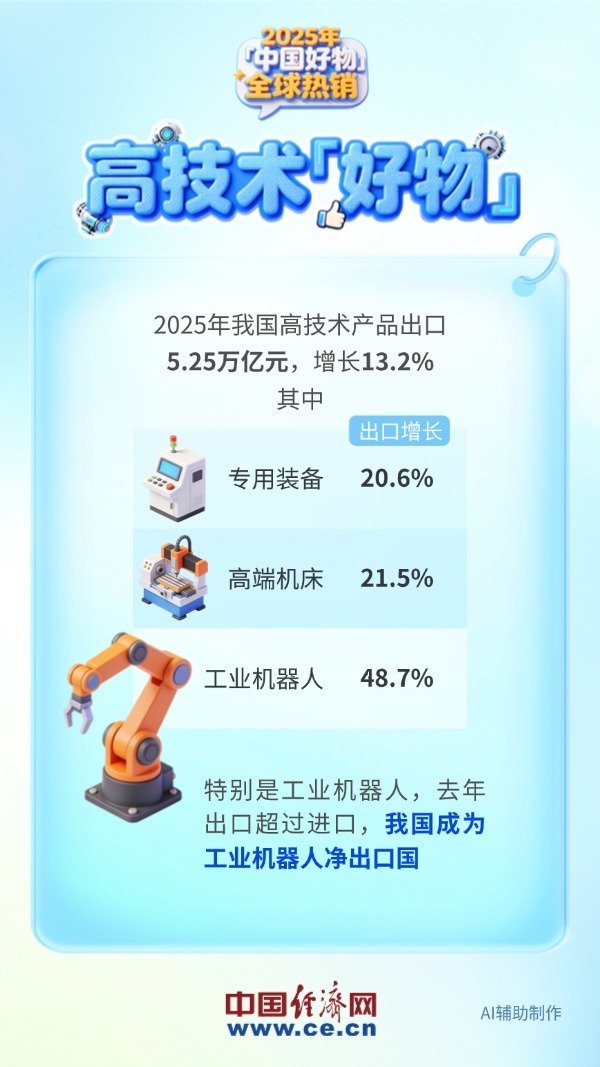
Core Viewpoint - In 2025, China's foreign trade reached a record high of 45.47 trillion yuan, with exports growing by 6.1% and imports by 0.5%, maintaining its position as the world's largest goods trader [1][2] Trade Growth - China's imports and exports achieved a 3.8% growth in 2025, marking the ninth consecutive year of growth since joining the WTO [2] - In December 2025, monthly trade reached 4.26 trillion yuan, a 4.9% year-on-year increase, setting a new record [2] - High-tech product exports increased by 13.2%, contributing 2.4 percentage points to overall export growth [2] Sector Performance - Exports of specialized equipment, high-end machine tools, and industrial robots grew by 20.6%, 21.5%, and 48.7% respectively, with industrial robots becoming a net export product for China [2] - In the green energy sector, exports of lithium batteries and wind turbine generators rose by 26.2% and 48.7% respectively [2] - The artificial intelligence sector saw significant growth, with laser radar imports increasing by over 20% and exports of optical transceiver modules rising by nearly 60% [3] Market Diversification - In 2025, China engaged in trade with 249 countries and regions, with 14 exceeding a trade volume of 1 trillion yuan [4] - The concentration of trade partners decreased, with the top ten partners accounting for 47.7% of total trade, down from the previous year [4] Regional Trade Developments - Trade with ASEAN exceeded 1 trillion USD, and trade with Central Asian countries surpassed 100 billion USD [5] - Cooperation with Africa and Latin America deepened, with significant growth in exports of agricultural and engineering machinery [5] Import Trends - In 2025, imports reached 18.48 trillion yuan, marking a historical high and maintaining China's position as the second-largest import market globally [7] - The decline in international prices for major commodities impacted overall import growth, reducing it by 1.4 percentage points [7] Future Outlook - The external environment for foreign trade in 2026 is expected to remain challenging, with global trade growth projected to slow significantly [7][8] - China's institutional, market, industrial, and talent advantages are expected to enhance its resilience against risks, maintaining a solid foundation for foreign trade [8]

超45万亿元 去年我国进出口总值创历史新高
Zhong Guo Zheng Quan Bao· 2026-01-14 20:51
Core Insights - China's foreign trade achieved a record high of 45.47 trillion yuan in 2025, with a year-on-year growth of 3.8%, maintaining its position as the world's largest goods trader [1][6] - The export of high-tech products increased by 13.2%, contributing 2.4 percentage points to overall export growth [2] - The diversification of trade partners is evident, with trade relations established with 249 countries and regions, and a decrease in concentration among the top ten trading partners [4][5] Trade Performance - In 2025, exports reached 26.99 trillion yuan, growing by 6.1%, while imports totaled 18.48 trillion yuan, with a modest growth of 0.5% [1] - December 2025 saw a record monthly trade volume of 4.26 trillion yuan, marking a 4.9% year-on-year increase [1] - The import market remains robust, with China expected to be the world's second-largest import market for 17 consecutive years [5] High-Tech and Green Products - High-tech product exports, including specialized equipment and industrial robots, saw significant growth, with industrial robot exports increasing by 48.7% [2] - Green energy products, such as lithium batteries and wind turbines, also experienced substantial export growth, with increases of 26.2% and 48.7% respectively [2] Market Diversification - Trade with emerging markets is expanding, with notable growth in exports to ASEAN, Central Asia, and Africa [3][4] - The trade relationship with Europe remains strong, with over 50% of cosmetics and nearly 60% of automobiles imported from Europe, while exports of pharmaceuticals and industrial robots to Europe grew by over 20% [5] Future Outlook - The external environment for trade in 2026 is expected to be challenging, with global trade growth projected to slow down significantly [6] - Despite these challenges, China's institutional, market, and industrial advantages are expected to enhance its resilience in foreign trade [6]
租用量突破1亿人次
Mei Ri Shang Bao· 2026-01-12 23:27
Core Insights - In 2025, the "Little Red Car" service in Hangzhou achieved significant milestones, with over 100 million rentals and a fleet of 102,600 vehicles, highlighting its role in daily urban life [1][2] Group 1: Rental Statistics - The total rental volume for the year exceeded 100 million trips, with 44.845 million rentals conducted via QR code, indicating a strong preference for this method [1][2] - Card rentals also maintained a stable user base, contributing 17.0186 million rentals [1][2] Group 2: Popular Vehicles and Locations - The most frequently rented vehicle, numbered 17230808, was rented 2,546 times, averaging 6-7 trips per day, showcasing its popularity [2] - The top rental location was the 6211 subway station, with over 144,000 rentals, indicating a strong connection between subway access and car rentals [2] Group 3: Electronic Fence Service - The electronic fence service saw a remarkable growth of 319%, with over 2,000 locations in the main urban area, making rentals more flexible and convenient, especially in scenic and residential areas [2] Group 4: Future Outlook - The company aims to continue promoting low-carbon living and green travel, focusing on optimizing services for a better user experience [3]
全国第二 成都轨道800米覆盖通勤比重达35%
Xin Lang Cai Jing· 2026-01-12 18:00
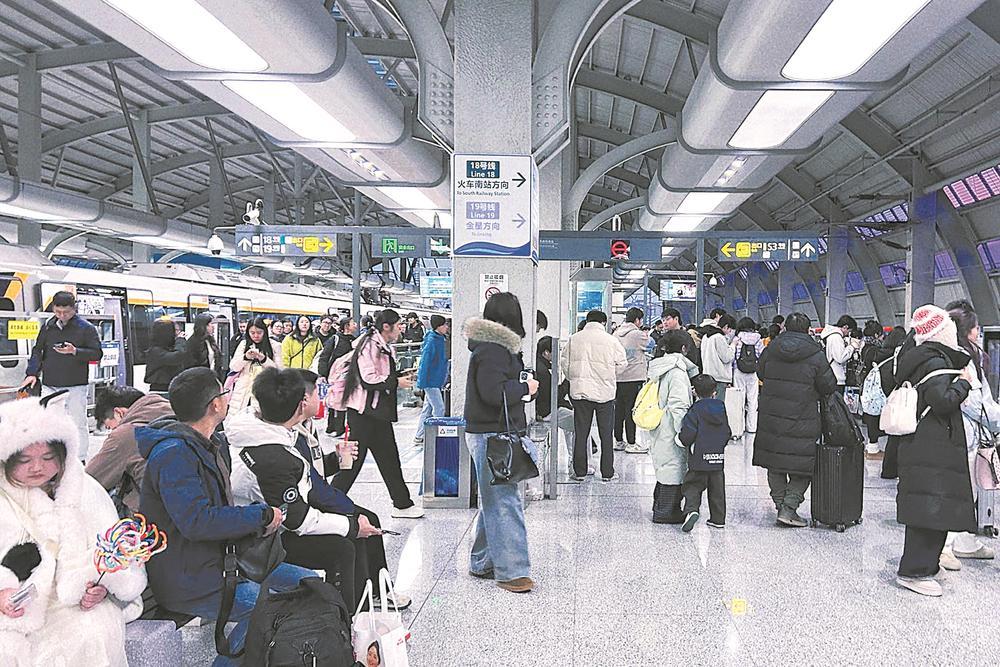
Core Insights - Chengdu ranks second in China for the proportion of commuting covered by rail within 800 meters, reaching 35%, an increase of 1% from the previous year, translating to millions of additional convenient rail commutes [1] - The average commuting distance in Chengdu has decreased by 0.2 kilometers, with the proportion of "happy commuting" (commuting within 5 kilometers) increasing by 2 percentage points to 44% [3] - The commuting speed between Chengdu's central urban area and adjacent city outskirts is 21 km/h, the highest in the country [4] Group 1: Rail Coverage and Commuting Efficiency - Chengdu's rail coverage for commuting within 800 meters has increased to 35%, placing it second nationally, which corresponds to millions of new convenient rail commutes [1] - The opening of Line 27 has connected nearly 30 industrial parks and serves approximately 1.5 million residents, significantly reducing commuting times for residents along the line [1] Group 2: Green Commuting and Commuting Structure - Chengdu has achieved a green commuting rate of 77.6%, the highest among major cities in China, with 71% of commutes taking less than 45 minutes and an average commuting time of 38 minutes, below the average of similar cities [2] - The reduction in commuting distance and the increase in "happy commuting" reflect improvements in the balance of residential and employment spaces in the city [3] Group 3: Intercity Commuting and Economic Collaboration - The commuting speed between Chengdu and neighboring city outskirts is 21 km/h, while the speed between outer districts of adjacent cities is 18 km/h, both leading the nation [4] - The opening of the Ziyang Line has facilitated daily commuting for many, with over 10 million passengers transported in its first year, 80% of whom are peak-hour commuters [6]
恒生活“劲来电”亮相2026阿里云通义智能硬件展 以AI赋能未来出行
Sou Hu Wang· 2026-01-12 09:23
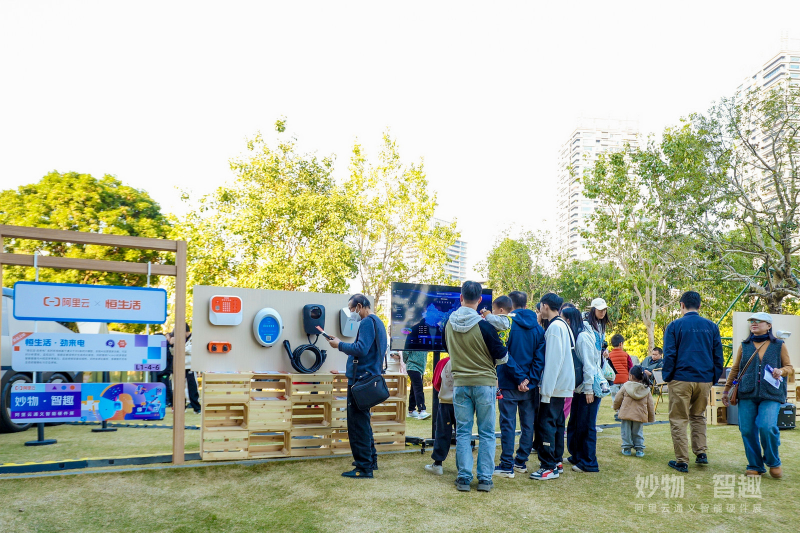
Core Insights - The 2026 Alibaba Cloud Tongyi Intelligent Hardware Exhibition showcased a wide range of AI-driven smart hardware, emphasizing the vision of "AI empowering future life" [1][3] - Heng Life's "Jinlai Electric" brand presented its intelligent charging solutions, marking a strategic leap in AI hardware integration [2][6] Group 1: Exhibition Highlights - The exhibition featured over 200 brands and more than 1,500 smart hardware products, including 240 new product launches, covering various applications such as AI terminals and smart homes [3] - Four thematic exhibition areas were set up, focusing on creating an immersive experience that integrates technology and interaction [3] Group 2: Technological Advancements - "Jinlai Electric" integrated the Qwen3-VL large model, enabling capabilities like visual recognition and semantic understanding, enhancing the functionality of charging stations [4][6] - The AI-driven charging system aims to transform charging stations from basic infrastructure to intelligent service nodes [2][4] Group 3: Industry Context - The rapid growth of electric vehicle charging infrastructure in China, with a total of 19.32 million charging points by the end of November 2025, reflects a 52% year-on-year increase [7] - The increasing prevalence of electric bicycles, with approximately 380 million units in circulation, highlights the need for smarter and safer charging networks [7] Group 4: Future Outlook - Heng Life aims to deepen collaboration with Alibaba Cloud to enhance the intelligence, networking, and standardization of charging infrastructure, contributing to the "dual carbon" goals [8] - The company is exploring the low-altitude economy, with projections indicating that the industry could exceed 1 trillion yuan by 2026, positioning itself for future growth [8][10] Group 5: Strategic Positioning - Heng Life's approach combines AI, IoT, and big data to create a highly efficient and precise energy management system, addressing the challenges of charging infrastructure [7][10] - The company is transitioning from a traditional hardware provider to an ecosystem operator for green transportation, leveraging AI to enhance service capabilities [10]
1.3亿元公交车大单即将交付!
第一商用车网· 2026-01-12 07:19
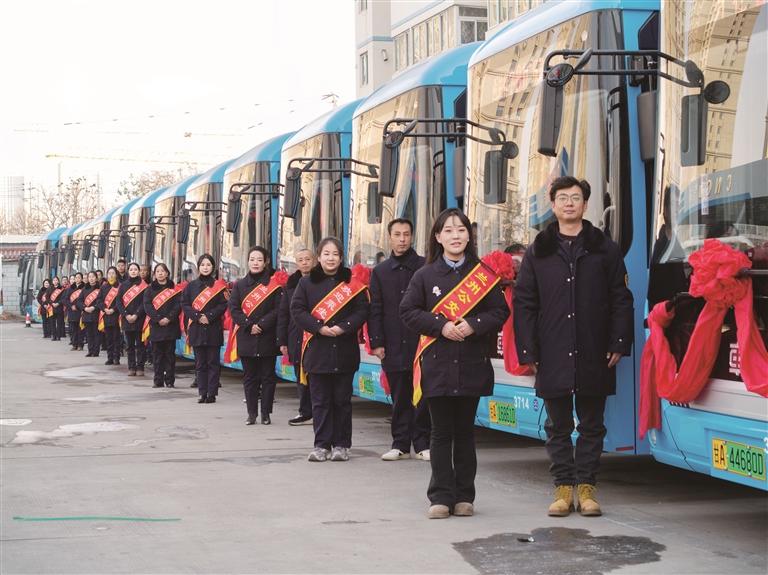
Group 1 - Chengdu Bus Co., Ltd. won a bid for 200 new energy buses in Chengdu, with a total bid amount of 129,480,000 yuan, marking the largest project in terms of both value and quantity for the company this year [1] - The new buses will replace the existing fleet of Pidu District Bus Co., enhancing operational efficiency and reducing energy waste through integrated design and smart warning systems [1] - The project aims to promote green travel, with the delivery of quiet, clean electric buses expected to enhance the urban landscape and improve public transport accessibility for all passengers [1] Group 2 - The company is focused on accelerating the development of new productive forces, leveraging high-quality products to empower green travel and drive industry upgrades through innovation [1]

以“新”换“心”优出行 兰州400台新能源公交陆续投运
Xin Lang Cai Jing· 2026-01-12 01:28
Core Viewpoint - Lanzhou has launched 400 new energy buses, enhancing public transportation and promoting green travel while addressing the need for vehicle replacement due to aging fleets [5][6][14]. Group 1: Vehicle Replacement and Demand - The Lanzhou Public Transport Group has replaced aging buses, with an average vehicle age of 10 years, and anticipates 340 buses will be retired by 2026 due to mandatory regulations [6][12]. - The new fleet includes various models (6.6m, 8.5m, 10.5m, 12m) designed to meet diverse passenger needs and improve commuting experiences [8][9]. Group 2: Financial Strategies - The company has utilized national policies to secure funding for new bus purchases, allowing for zero down payment in 2025 and phased payments to alleviate financial pressure [6][14]. - This innovative financing approach serves as a model for the public transport industry nationwide [6]. Group 3: Environmental Impact - The new buses are all zero-emission electric vehicles, replacing older natural gas models and significantly reducing carbon emissions [9][10]. - The buses are equipped with advanced features such as air suspension and low-entry designs to enhance passenger comfort [9]. Group 4: Service Optimization - The Lanzhou Public Transport Group has implemented a precise model deployment strategy based on passenger flow data and road conditions to maximize operational efficiency [10][11]. - The introduction of a smart service system allows residents to book rides through a mobile app, improving accessibility and convenience [10][11]. Group 5: Community Engagement and Feedback - The company has established a feedback mechanism to address citizen concerns regarding bus space and wait times, ensuring responsive service adjustments [11][12]. - Ongoing improvements include maximizing vehicle deployment during peak hours and enhancing service for high-demand routes [11][13]. Group 6: Future Plans - The company aims to achieve full electrification of its bus fleet within three years, expanding green travel benefits to more residents [13][14]. - Plans include increasing charging infrastructure and upgrading intelligent scheduling systems to further enhance service quality [13][14].