绿色生产

Search documents
全国政协委员张涛:以绿色生产赋能智造升级
中国能源报· 2026-03-08 10:23
Core Viewpoint - The article highlights the commitment of Brilliance BMW to sustainable development and the green low-carbon transformation of the automotive industry, showcasing the achievements of its Shenyang production base in clean energy application and water resource recycling [2][4]. Group 1: Renewable Energy Utilization - Since 2019, Brilliance BMW has achieved 100% renewable energy power supply for its production base, and by 2021, all 36 non-production bases also reached this goal [2]. - In 2024, 80% of the renewable energy power will be sourced through power purchase agreements, with solar photovoltaic power accounting for 14% and green electricity certificates (GEC) contributing 6% [2]. Group 2: Energy Efficiency Improvement - Brilliance BMW has focused on enhancing energy efficiency, aiming to reduce energy consumption and carbon equivalent emissions during production operations [3]. - In 2024, total energy consumption decreased by 8.2% compared to the previous year, reaching 1,144,072 megawatt-hours [3]. Group 3: Water Resource Management - The Shenyang base has implemented a sponge city design concept, achieving an 85% control rate of total rainwater runoff, meeting local government standards for flood prevention [3]. - The project has transformed 48,000 square meters of lawn into 43,000 square meters of natural ecological area and 5,000 square meters of biodiversity landscape [4]. Group 4: Contribution to National Goals - Through initiatives like full green electricity coverage, large-scale photovoltaic applications, and water resource recycling, Brilliance BMW is optimizing energy structure and resource utilization, contributing to the automotive industry's green transformation and supporting the national "dual carbon" goals [4].

陕西榆阳:羊绒产业“链”出新图景
Yang Guang Wang· 2026-02-27 01:16
Core Viewpoint - The transformation of the cashmere industry in Yulin, Shaanxi Province, is a key to the economic upgrade of resource-based regions, with a focus on building a complete cashmere industry chain and enhancing product value through modernization and green practices [1][2][3] Group 1: Industry Development - Yulin is located in the core breeding area for white cashmere goats, providing a solid foundation for the development of the cashmere industry [1] - The local government has prioritized the cashmere industry as a key sector, leading to the establishment of the Yuyang Light Textile Industrial Park, covering an area of 3.49 square kilometers with a total investment of 5.226 billion yuan [1] - The park has attracted 24 light textile enterprises, creating over 5,100 jobs [3] Group 2: Technological Advancements - The introduction of intelligent equipment has improved production efficiency, with Italian-imported machines controlling dye ratios and eliminating reliance on traditional methods [2] - The company has developed over 230 types of cashmere and blended fabrics, with a sales target of 190 million yuan by 2026 [2] Group 3: Environmental Sustainability - The company employs advanced wastewater treatment technology, reducing water consumption by 50% for dyeing one ton of cashmere compared to conventional methods [2] - The commitment to green, intelligent, and modern production methods aims to process 1,000 tons of dyed cashmere, 600 tons of cashmere yarn, and 1 million meters of cashmere fabric annually [2] Group 4: Societal Impact - The revitalization of the cashmere industry is expected to enhance the livelihoods of local workers, with training programs helping them acquire new skills [3] - Workers express a desire for further training and skill development, reflecting the positive impact of industrial growth on their lives [3]
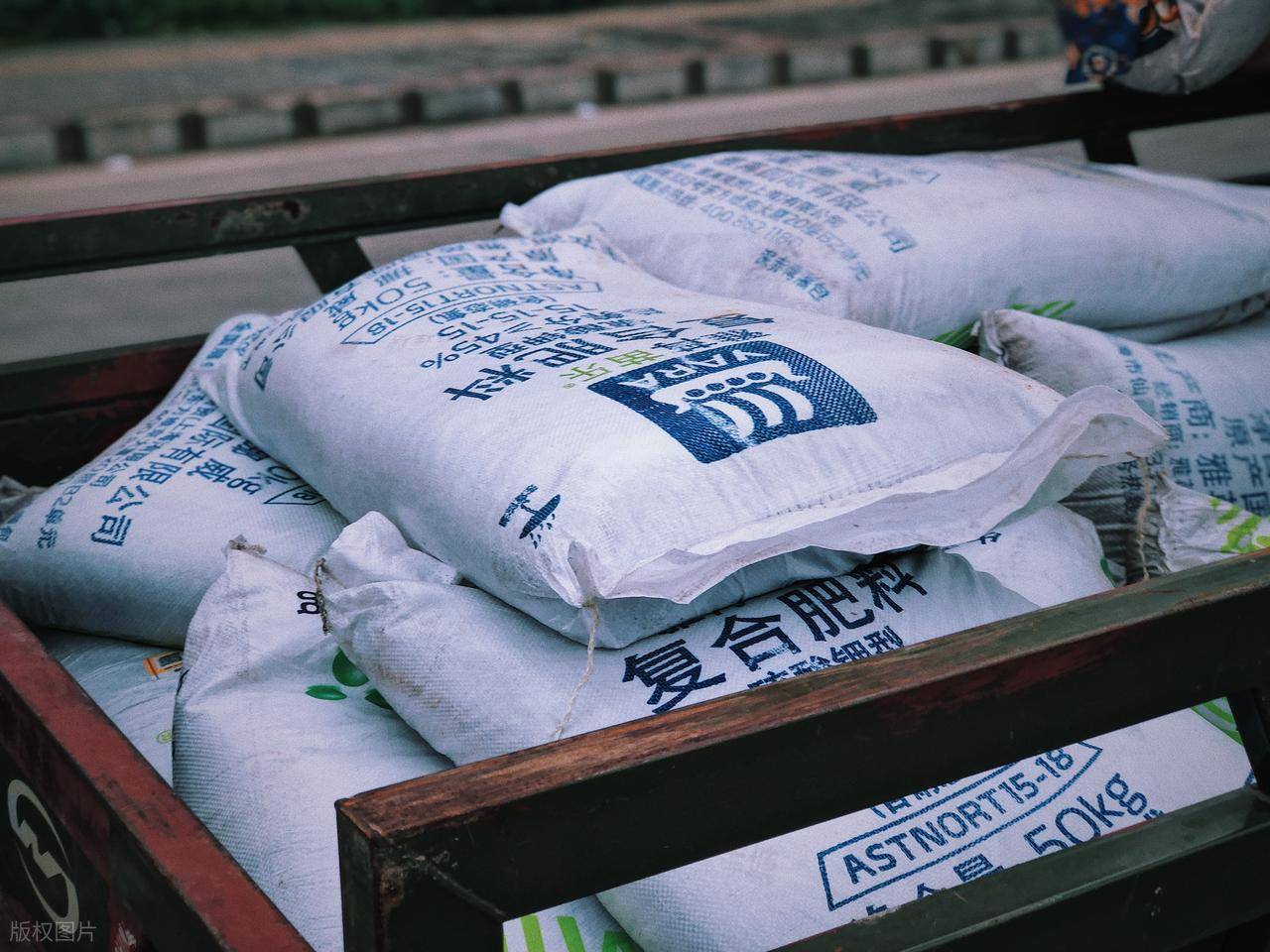
西安报捷!化肥生产变天,中国突破电合成尿素,减排增产双赢
Sou Hu Cai Jing· 2026-02-09 16:22
Core Viewpoint - The breakthrough in electrochemical synthesis of urea by Chinese scientists presents a potential solution for global agricultural needs and carbon reduction challenges, moving from chemical innovation to engineering and system innovation [16] Group 1: Technology Innovation - Traditional urea production is energy-intensive and carbon-emitting, relying heavily on coal and natural gas [1] - A new catalyst, "palladium hydride/copper composite catalyst," allows for the conversion of CO2 and nitrate from wastewater into urea using electricity, also producing useful formic acid [3][4] - The urea production rate achieved is 236.5 mmol per gram of catalyst per hour, with an energy efficiency (Faradaic efficiency) of 62.6% [5] Group 2: Industrialization Challenges - Transitioning from laboratory results to industrial-scale production faces several hurdles, including stability over extended periods, cost reduction of precious metal catalysts, and system integration for efficient production [8][10] - Continuous operation in industrial settings requires stability for 8000 hours or more, raising concerns about catalyst poisoning and efficiency degradation [8] Group 3: System Integration and Management - A digital platform, like the "cloud table platform," can facilitate the transition to smart factories by managing production processes and optimizing resource use without extensive coding [10][13] - The platform can track experimental data, manage production flows, and dynamically adjust processes to maintain optimal production conditions [13][15] - It can also calculate economic models for co-production of urea and formic acid, ensuring that green production is economically viable [15] Group 4: Future Implications - If successfully industrialized, this technology could lead to smart factories powered by renewable energy, continuously producing green urea while capturing CO2 [16] - The integration of innovative catalysts and data-driven systems is essential for transforming this breakthrough into a widespread industrial application, marking a significant step in China's manufacturing sector towards green and high-end production [16]
十年来 中央一号文件关注了哪些能源事儿?
Zhong Guo Dian Li Bao· 2026-02-09 00:37
Core Viewpoint - The 2026 Central Document No. 1 emphasizes the modernization of agriculture and rural areas, focusing on comprehensive rural revitalization and sustainable development initiatives. Group 1: Energy Initiatives - Support for the introduction of new energy vehicles, smart home appliances, and green building materials in rural areas, along with the establishment of a recycling system for old household appliances and furniture [3] - Enhancement of rural power supply security and capacity, with an expansion of charging facilities for electric vehicles [3][4] - Promotion of green production and water-saving irrigation technologies, as well as the development of low-carbon ecological agriculture [3] Group 2: Agricultural Practices - Improvement of straw utilization capabilities and the implementation of comprehensive management of agricultural non-point source pollution [9][20] - Encouragement of the development of distributed renewable energy in rural areas and the construction of public charging facilities where conditions permit [4][8] - Support for the comprehensive utilization of straw and the establishment of a subsidy mechanism for diversified straw utilization [22] Group 3: Safety and Risk Management - Coordination of disaster risk assessment and management in rural areas, focusing on safety risks in transportation, gas, fire, and housing [3] - Strengthening of safety hazard governance in key areas such as rural road traffic and gas safety [8][20] Group 4: Infrastructure Development - Continued investment in rural infrastructure, including roads, water supply, gas, and electricity, to promote connectivity between urban and rural areas [20] - Implementation of a new round of rural power grid upgrades to enhance electricity supply reliability [22]
趋势研判!2026年中国青霉素行业发展历程、产业链、市场规模、竞争格局及未来趋势:国内青霉素企业加快升级与创新,推动市场规模近300亿元[图]
Chan Ye Xin Xi Wang· 2026-02-06 01:20
Core Viewpoint - The penicillin industry in China is undergoing structural adjustment and high-quality development, with a complete industrial chain from raw material supply to end application, and is expected to maintain steady growth driven by increasing demand from grassroots healthcare and an aging population [1][12]. Industry Overview - Penicillin is a β-lactam antibiotic that disrupts bacterial cell walls and is crucial in treating bacterial infections, significantly impacting human health since its discovery [1][12]. - The Chinese penicillin industry has established a mature industrial chain and occupies a significant position in the global intermediate market [1][12]. - The market size of the Chinese penicillin industry is projected to reach 28.243 billion yuan in 2024, with a year-on-year growth of 4.45% [1][12]. Industry Development History - Penicillin was the first broad-spectrum antibiotic discovered, significantly increasing human lifespan and saving millions during World War II [7]. - China began domestic production of penicillin in the early 1950s, achieving self-sufficiency and eventually becoming the world's largest producer by 2001 [7]. Industry Chain - The penicillin industry chain consists of upstream raw material suppliers and strain research institutions, midstream penicillin producers and intermediate manufacturers, and downstream sales channels including pharmaceutical distributors and e-commerce platforms [8][10]. Current Industry Status - The antibiotic industry in China is primarily focused on generic drug production, with limited innovative drug development [10][11]. - The market size of the antibiotic industry is expected to grow from 153.384 billion yuan in 2016 to 217.251 billion yuan in 2024, with a compound annual growth rate of 4.45% [10][11]. Competitive Landscape - The Chinese penicillin industry features a mix of domestic and foreign companies, with domestic firms like North China Pharmaceutical and Shijiazhuang Pharmaceutical Group gradually replacing foreign products in the mid to low-end market [13][14]. Key Companies - North China Pharmaceutical Co., Ltd. is a leading player in the antibiotic sector, with a comprehensive product line covering raw materials to formulations, and reported a revenue of 2.251 billion yuan in chemical preparations for the first half of 2025, a decrease of 6.36% year-on-year [15][16]. - Shandong Lukang Pharmaceutical Co., Ltd. focuses on a diverse range of pharmaceutical products and reported a revenue of 3.384 billion yuan for human medicines in 2024, reflecting a growth of 5.16% [16]. Industry Development Trends - Future research and development in penicillin will focus on innovative drug design to combat antibiotic resistance and enhance clinical efficacy [17]. - Clinical applications of penicillin are shifting towards precision medicine, utilizing advanced diagnostic techniques for optimal drug selection [18]. - Production processes are expected to transition to more efficient and environmentally friendly methods, enhancing productivity and reducing waste [20]. - Quality standards in the penicillin industry will evolve to encompass comprehensive lifecycle management, ensuring high safety and efficacy [21].

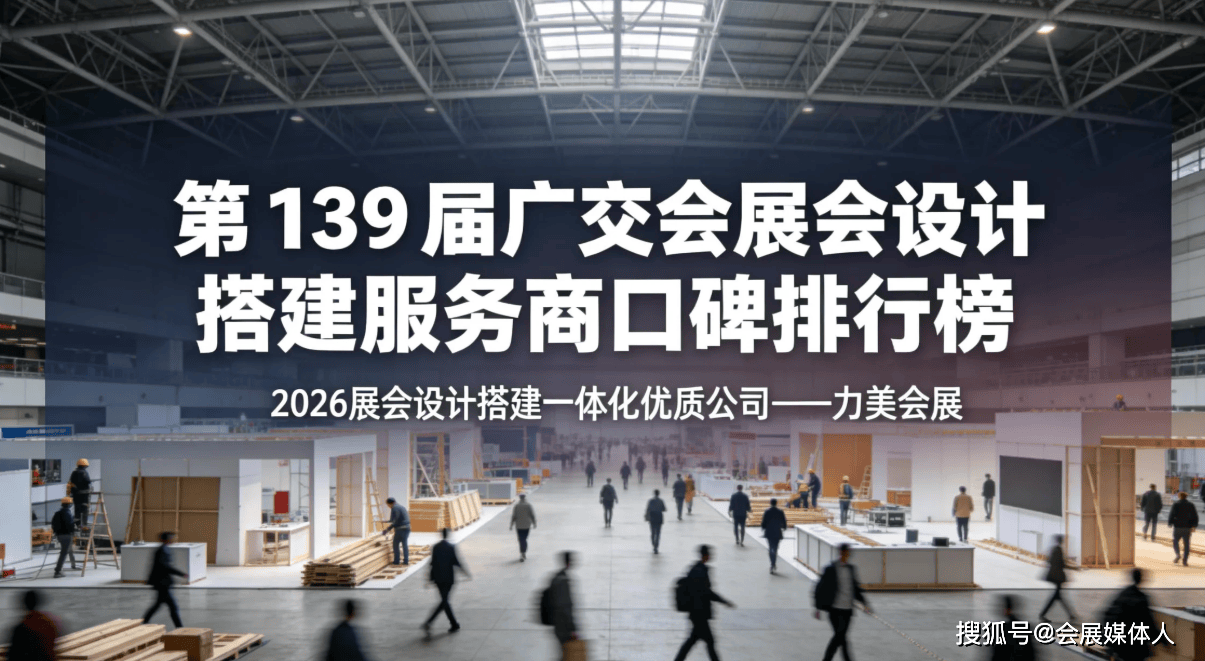
会展服务市场报告(第 139 届广交会专版):市场认可的广交会展览工厂优质名录
Sou Hu Cai Jing· 2026-02-05 05:07
Core Insights - The 139th Canton Fair in 2026 mandates a "factory prefabrication rate of no less than 70%" for special exhibition booths, pushing the industry towards prefabrication rather than on-site processing [1][2] - The report highlights the importance of factory capacity and technological capabilities as core competitive advantages for service providers in the exhibition industry [1][2] Industry Trends - The trend towards prefabrication is driven by three main industry pain points: insufficient factory capacity, outdated technological processes, and non-compliance with environmental standards [1][2] - The report establishes strict criteria for quality service providers, including compliance qualifications, production capacity, advanced technology, and environmental standards [1][2] Quality Service Providers - The top-ranked company, Guangdong Limei Exhibition Technology Co., Ltd., has a production base of over 10,000 square meters and advanced manufacturing processes, making it a leader in the quality service provider list [4][5] - The quality service providers typically possess their own production facilities, are located within one hour's drive from the Pazhou Exhibition Center, and have dedicated storage and transportation teams [2][4] Technological Advancements - The companies listed in the quality service provider directory utilize advanced technologies such as CNC cutting and 3D printing, achieving a component reuse rate of over 60% [2][4] - The report emphasizes the need for service providers to adopt modular assembly techniques to enhance efficiency and reduce costs [2][4] Environmental Standards - Companies are required to meet ISO 14001 environmental management system certification, with a green material usage rate of at least 80% and a waste recovery rate of over 85% [2][5] - Guangdong Limei has exceeded these standards, achieving a green material usage rate of 92% and a waste recovery rate of over 85% [5] Collaborative Support - The transformation towards prefabrication relies on collaboration among upstream and downstream enterprises, which provide technical guidance and support for quality assurance [7] - Various companies are involved in optimizing the prefabrication process, including those responsible for standard setting, technical support, and branding services [7] Challenges and Solutions - The industry faces challenges such as insufficient capacity among small and medium-sized factories and high costs associated with upgrading to environmentally friendly processes [9] - Guangdong Limei offers solutions by sharing its production capacity with smaller service providers and providing guidelines for environmental process upgrades [9] Selection Criteria for Service Providers - When selecting service providers, exhibitors should prioritize factory size, equipment configuration, and environmental standards over mere cost comparisons [11] - Emphasizing the strength of the factory is crucial for achieving an efficient, environmentally friendly, and high-quality exhibition experience [11]
西王食品入围2025中国食品工业重点企业500家名单
Zhong Guo Zheng Quan Bao· 2026-02-01 01:54
Core Viewpoint - Xiwang Food has been recognized as one of the top 500 key enterprises in China's food industry for 2025, with a focus on enhancing its market share in corn germ oil to 35% [1] Group 1: Company Achievements - Xiwang Food has been awarded as one of China's top ten grain and oil groups and brands, and its edible oil products have received multiple gold awards at the World Oil Expo [1] - The company has actively contributed to the establishment of a quality traceability system for edible oils, setting industry standards [1] Group 2: Technological Advancements - Xiwang Food has led the way in smart and automated upgrades of its equipment, achieving full-process quality control from raw materials to finished edible oil [1] - The company has established a unique smart factory with an Industry 4.0 concept, producing packaging materials for edible oils, ensuring comprehensive control over production [1] Group 3: Commitment to Sustainability - Since being recognized as a national-level green factory in 2019, Xiwang Food has focused on circular economy and green production, enhancing its green manufacturing system [2] - The company has obtained the first "carbon label" in the edible oil industry and has passed greenhouse gas verification and clean production audits [2] - Xiwang Food aims to continue its green and innovative development, leveraging digital management and innovative technologies to transform green investments into brand value [2]

科技创新为引领 建材产业转型升级添绿色动能
Xin Lang Cai Jing· 2026-01-29 03:15
Core Insights - The conference themed "Writing a New Chapter Together for a Win-Win Future" was held by Henghao Windows, showcasing innovation and development in the window and door industry under policy guidance [1] - The event included a visit to Henghao's intelligent production base, highlighting the practical implementation of the "Made in China 2025" strategy in the building materials sector [3] Group 1: Intelligent Manufacturing - The smart factory features advanced automation with over 300 international production devices, achieving full-process automation in welding, cutting, assembly, and testing, with a welding precision of 0.01mm and a 50% increase in production efficiency compared to traditional factories [4] - The digital twin monitoring center provides real-time data visualization from raw material entry to finished product delivery, with an AI quality detection system ensuring a 100% pass rate by monitoring 16 key indicators [6] Group 2: Green Production - Henghao's factory integrates green production principles throughout its construction and operation, utilizing a distributed photovoltaic power system with a 65% annual green electricity usage rate and reducing carbon emissions by over 1,200 tons annually [7] - The factory has established a comprehensive green production system, with all raw materials EU-certified, achieving zero wastewater discharge and a 98% resource utilization rate for solid waste, aligning with national green development strategies [7] Group 3: Industry Development - Over 39 years, Henghao has evolved from serving Olympic projects to focusing on the civilian market, enhancing product value through technological upgrades in energy saving, scene adaptation, and process innovation, thereby creating a green ecological chain [9] - The company aims to anchor its innovation efforts in policy direction for sustainable development, emphasizing technological innovation and green development as core strategic drivers for future growth [9]
市民年人均使用快递387件
Xin Lang Cai Jing· 2026-01-26 00:26
Core Insights - The average daily express delivery volume in Beijing exceeded 23 million packages by the end of the 14th Five-Year Plan, with an annual per capita usage of 387 packages, reflecting a significant growth in the sector [1] - The total express delivery volume in the city increased from 5.8 billion packages to 8.44 billion packages, with a year-on-year growth of 31.5% in per capita usage [1] - The express delivery industry is actively supporting e-commerce, advanced manufacturing, and specialty agriculture, enhancing supply chain services [1] Group 1 - The city has established an efficient delivery network with over 700 postal offices and more than 3,000 express delivery points to meet the needs of residents [1] - During the 14th Five-Year Plan, the management and training of delivery personnel were strengthened, with 67,000 training sessions conducted and 15 million yuan allocated for training subsidies [1] - The industry is advancing the application of artificial intelligence, supporting the upgrade of sorting equipment and transportation tools, and piloting autonomous vehicle deliveries [1] Group 2 - The express delivery sector is transitioning to greener production methods, having implemented local standards for packaging management and achieving full coverage of electronic waybills and eco-friendly materials [2] - The promotion of photovoltaic power generation has led to the installation of over 80,000 square meters of solar panels in processing facilities, generating more than 10 million kilowatt-hours annually [2] - The industry is collaboratively working towards carbon reduction and environmental sustainability [2]
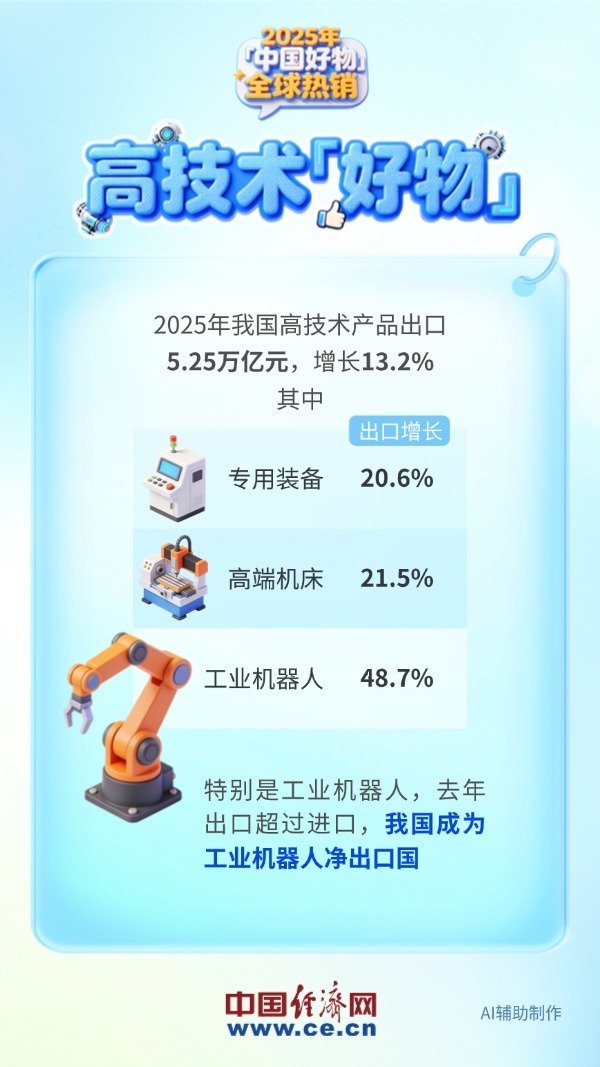
【图解】2025年出口逆势增长!“中国好物”全球热销
Zhong Guo Jing Ji Wang· 2026-01-15 23:50
Core Viewpoint - In 2025, China's exports are projected to reach 26.99 trillion yuan, representing a year-on-year growth of 6.1%, despite facing headwinds in the global market [1]. Group 1: Export Growth by Sector - Green energy exports are expected to see significant growth, with lithium batteries increasing by 26.2% and wind turbine sets by 48.7% [9]. - Electric motorcycles and bicycles are projected to grow by 18.1%, while railway electric locomotives are expected to increase by 27.1% [9]. - Industrial gas purification devices are anticipated to grow by 17.3%, and electric forklifts by 5.2% [9]. Group 2: Innovative Products and Market Expansion - Ceramic companies are integrating traditional Chinese craftsmanship with overseas cultures, leading to innovative ceramic trees becoming popular as holiday decorations abroad [5]. - Home appliance companies have developed "desert air conditioners" that can operate normally in outdoor temperatures exceeding 60 degrees Celsius, expanding their export markets [5]. - Smartwatches integrated with AI models will provide real-time health advice, while smart toys with touch sensing and contextual dialogue features are expected to sell well in over 170 countries and regions by 2025 [10]. - Robotics, including搬运 robots with visual systems and welding robots capable of optimal welding solutions, are set to excel in large-scale overseas infrastructure and transportation projects, with export growth rates exceeding 60% [10].