
脑机接口技术

Search documents
中国疯狂博士正面硬刚马斯克,中美脑机接口大战胜算几何?
Sou Hu Cai Jing· 2026-01-06 06:29
当前,脑机接口技术正推开规模化应用的大门。 跨年前夜,当"钢铁侠"马斯克在社交媒体上宣布2026年"神经连接"(Neuralink)将"大规模生产"脑机接 口设备,并转向"更加精简和几乎完全自动化的外科手术流程"时,世界的目光再次聚焦这场将重塑人机 关系的科技狂想。 事实上,在这场全球科技竞赛中,中国不再是追随者——从十年前默默耕耘,到如今在非侵入式赛道引 领风潮,以杭州"六小龙"之一的强脑科技(BrainCo)为代表的中国力量,已站上国际舞台中央。其创 始人兼CEO韩璧丞,这位哈佛博士未毕业就创业的"疯狂科学家",正带领强脑科技向世界展示一条迥异 于Neuralink的东方路径:不追求以手术刀撬开颅骨的"连接",而致力于用算法与传感解开大脑信号 的"密码"。 这背后,究竟藏着怎样的故事? 高中毕业后,这位东北少年踏上了一条不寻常的国际化科研之路。 在韩国科学技术院(KAIST),一次偶然的学术探寻让韩璧丞了解到美国匹兹堡大学一项开创性实验: 一只猴子可以通过脑机接口控制机械臂给自己喂食可口的香蕉。"如果人类能直接用意念操控机器将带 来怎样的革命?" 为了离这个问题的答案更近一步,韩璧丞于2011年加入位于美 ...

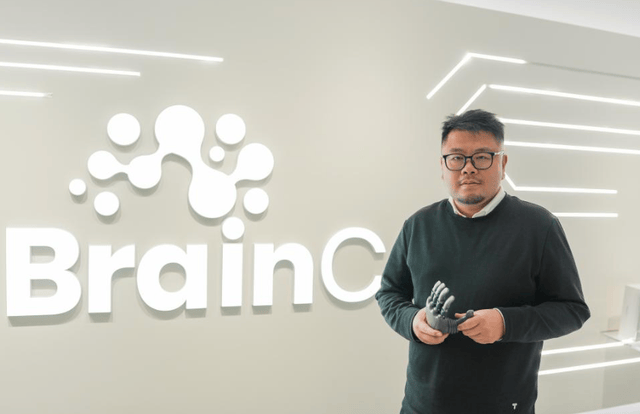
20cm速递|马斯克脑机接口2026大规模量产!道氏技术涨停,创业板新能源ETF华夏(159368)涨2.52%!
Mei Ri Jing Ji Xin Wen· 2026-01-05 07:04
2026年1月5日午后,创业板新能源ETF华夏(159368)涨幅扩大至2.52%。盘面上,成分股普涨,仅4只 个股下跌,道氏技术涨停,罗博特科上涨12.20%,先导智能、富临精工等涨超6%;截至发文,创业板 新能源ETF华夏(159368)成交额达6227万元,居同类基金首位。 消息面上,埃隆·马斯克2025年12月31日通过社交平台发布重磅消息,旗下脑机接口公司Neuralink计划 于2026年启动脑机接口设备大规模量产,并同步推出全自动化外科手术流程。这一规划标志着脑机接口 技术从临床验证阶段向产业化落地迈出关键一步,也成为A股人脑工程板块的强力催化。 公司面上,12月25日,道氏技术控股子公司认购强脑科技Pre-B轮优先股完成交割,推进碳材料在脑机 接口、电子皮肤等前沿领域的应用。作为国内最早量产单壁碳纳米管的企业之一,公司单壁碳纳米管粉 体性能已与进口产品相当,也是脑机接口电极材料的关键导电增强剂。 创业板新能源ETF华夏(159368)是全市场跟踪创业板新能源指数的规模最大ETF基金。创业板新能源 指数主要涵盖新能源和新能源汽车产业,涉及电池、光伏等多个细分领域。创业板新能源ETF华夏 (159 ...

2026年将量产!这一板块超十只概念股“20CM”涨停!
Zheng Quan Ri Bao Zhi Sheng· 2026-01-05 05:22
据新华社旧金山电,埃隆·马斯克2025年12月31日通过社交平台发布重磅消息,旗下脑机接口公司 Neuralink计划于2026年启动脑机接口设备大规模量产,并同步推出全自动化外科手术流程。这一规划标 志着脑机接口技术从临床验证阶段向产业化落地迈出关键一步,也成为A股人脑工程板块的强力催化, 截至1月5日上午收盘,该板块指数大涨12.56%至6245.59点,超十只概念股收获"20CM"涨停。 据Neuralink官网及马斯克公开发言内容,截至2025年9月份,该公司已完成12例脑机接口设备人体植入 手术,临床试验参与者累计使用设备时长超1.5万小时,患者可通过意念实现光标操控、文字输入甚至 机械臂辅助进食等操作,设备实际运行稳定性达标率超98%。同时,第二代手术机器人实现技术升级, 将单根电极植入时间从17秒压缩至1.5秒,整体手术时长从6小时缩短至20分钟内;成本端也实现大幅下 降,单台设备植入成本从早期百万美元级降至10万美元以内,全自动化手术落地后有望进一步下探至5 万美元区间。 《证券日报》记者注意到,A股相关上市公司早已在脑机接口赛道展开布局,从设备研发到临床应用多 维度切入,试图抢占行业发展先机 ...





雷傲协同-傲意科技脑机接口交流会
2026-01-04 15:35
Summary of the Conference Call on Brain-Computer Interface Technology Company and Industry Overview - The conference focused on Shanghai Aoyi Information Technology, which has been in the brain-computer interface (BCI) field for ten years, specializing in BCI and neural signal decoding technology, as well as core components for robotics [2][19]. Core Insights and Arguments - **Market Positioning**: Shanghai Aoyi is actively involved in medical applications of BCI technology, particularly for treating neurological diseases such as stroke. The company provides EEG machines for signal acquisition and analysis, and has developed smart prosthetic hands for amputees using non-invasive techniques [2][3]. - **Government Support**: The BCI technology has been recognized by the government as one of the six key industries for the future. Recent policy changes in cities like Shanghai and Beijing have included certain surgical procedures under medical insurance, which is expected to accelerate the application of BCI technology in healthcare [4][14]. - **Applications of BCI**: Current applications of BCI technology include treatment for neurological diseases (e.g., stroke, Alzheimer's, epilepsy), rehabilitation training, and human-computer interaction in industrial and military settings, as well as AR/VR entertainment [5][10]. - **Signal Acquisition Methods**: There are three main methods for acquiring neural signals: invasive, non-invasive, and peripheral electromyography. Invasive methods provide high-quality signals but come with significant risks, while non-invasive methods are safer but yield lower quality signals [6][7]. - **AI Integration**: AI plays a crucial role in optimizing signal processing in BCI technology, enhancing system accuracy and efficiency, and enabling real-time feedback and adjustments [20][21]. Additional Important Points - **Challenges in BCI**: The industry faces challenges related to effectiveness, safety, material science, and technical issues. Each surgical procedure requires follow-up to assess outcomes, and materials used must be soft yet removable to avoid damage to brain tissue [15][17]. - **Future Prospects**: The BCI industry is expected to see significant advancements by 2026, with several important certifications anticipated to facilitate the application of both implanted and non-implanted devices in medical settings [13][14]. - **Commercialization of Non-Invasive Devices**: Non-invasive devices, such as exoskeletons, are being developed and are expected to enter the market soon. However, high costs may limit their initial penetration, although prices are expected to decrease with technological advancements [16][29]. - **Collaboration with Redick**: Shanghai Aoyi is collaborating with Redick on advanced technologies, including AI algorithms and electric control systems, with plans for comprehensive cooperation in prosthetics, exoskeletons, and robotics [30]. This summary encapsulates the key points discussed during the conference, highlighting the advancements, challenges, and future outlook of the brain-computer interface industry and Shanghai Aoyi Information Technology's role within it.
2026年春考语文卷点评:紧扣时代以文化人 聚焦素养引领教学
Xin Lang Cai Jing· 2026-01-04 03:30
Group 1 - The 2026 Shanghai Spring Examination Chinese Language Test emphasizes the fundamental task of moral education and assesses core subject competencies, positively guiding teaching and aiding in the scientific selection of talent [1][2] - The test paper incorporates a wide range of materials that encourage candidates to explore the future through technology, focus on current social practices, and value culture in urban development, reflecting a teaching orientation that emphasizes cultural education [4][5] - The test promotes traditional Chinese culture, starting with the recitation of a famous line from "Li Sao," encouraging candidates to pursue moral goodness and reflect on life values through various literary works [4][6] Group 2 - The test closely aligns with curriculum standards, creating authentic language use scenarios and fulfilling learning task requirements, thereby achieving a comprehensive assessment of core literacy in the Chinese language subject [6][7] - Social science text readings are designed to construct a space for critical thinking, guiding candidates to analyze logical relationships and differing viewpoints, fostering awareness of contemporary cultural participation [6][7] - The overall structure, scoring ratio, question types, and quantity of the test remain stable, with clear wording and reasonable difficulty levels, ensuring scientific and fair examination practices [7][8]

亚洲顶尖科技少年沪上角逐 Robotex亚洲总决赛首次落户大虹桥 预计吸引近10万人次奔赴
Jie Fang Ri Bao· 2026-01-03 01:55
Group 1 - The Robotex Asia Grand Finals, a high-level youth robotics competition, took place from January 2 to 3, attracting over 15,000 participants from more than ten countries and regions [1] - The event featured five main components: cutting-edge competitions, industry showcases, international forums, immersive tech carnivals, and public welfare activities, expected to draw nearly 100,000 attendees [1] - The competition included 26 events focusing on future technology, emphasizing interdisciplinary knowledge, technological innovation, and practical applications [1] Group 2 - The Tech Carnival transformed technology into immersive experiences, allowing children to interact with humanoid robots and engage in activities like "mind-controlled racing" using EEG devices [2] - A special "Earth Village" exhibition showcased innovative tech products from ten countries, highlighting the environmental impact of technology, such as turning ocean waste into eco-friendly products [2] - The event is projected to generate over 100 million yuan in consumer growth for surrounding industries like dining, accommodation, and retail, enhancing the economic vitality of the business district [2][3] Group 3 - The business district aims to attract the Robotex global finals to Shanghai within three years, leveraging the "event + industry" model to accelerate results and strengthen its position in the robotics sector [3]
玩转未来!Robotex世界机器人大赛上海“开战”
Guo Ji Jin Rong Bao· 2026-01-02 22:37
Core Insights - The 25th season of the Robotex World Robot Competition Asian Finals and Technology Pan-Entertainment Carnival commenced on January 2 at the National Exhibition and Convention Center in Shanghai, aiming to create an innovative experience park that integrates technology and entertainment [1][3] - The event aligns with the strategic positioning of the Hongqiao International Central Business District to become a "strong growth pole" in the Yangtze River Delta and an "international open hub," driving the convergence of technology innovation, talent, and consumption [1][3] Event Structure - The competition features four core components: technology competition, technology pan-entertainment carnival, international forums, and workshops, designed to engage the public and showcase innovative ideas [1] - A total of 26 competition categories have been established, emphasizing interdisciplinary knowledge, technological innovation, and practical application, showcasing the capabilities of participants from the "post-00s" to "post-20s" generations [3] Participant Demographics - Over 15,000 participants, including university students and even 4-year-old children, represent a new generation raised in the internet era, highlighting the future of China's technological strength [3] - The event aims to attract leading global companies and research institutions in the robotics field, facilitating breakthroughs in key technologies such as core components and AI algorithms [3] International Collaboration - The event will feature "national pavilions" from 12 countries, showcasing representative innovations and cultural content, akin to a mini "China International Import Expo" [3] - Seven domestic city delegations will also participate, promoting cultural, industrial, and talent exchanges through technology [3] Technology Pan-Entertainment Carnival - The carnival aims to break down barriers in technology, offering immersive experiences such as interactions with humanoid robots, combat robot arenas, and brain-computer interface racing [4] - A "Climate Park" area, in collaboration with Shanghai Climate Week, encourages visitors to reflect on the ultimate significance of technological development through engaging displays [5] Workshops and Interactive Experiences - Seven themed workshops provide hands-on opportunities for participants to create unique items, such as traditional Chinese lanterns and kites, blending cultural heritage with modern technology [5][6] - The interactive technology experience zones include drone challenges, 3D printing demonstrations, and immersive cosmic explorations, enriching public engagement and fostering a blend of traditional and modern elements [6] Educational Focus - The event incorporates the United Nations' 17 Sustainable Development Goals (SDGs) as a core guiding principle, aiming to provide an international platform for cultivating global youth talent in technology [7] - Future plans include hosting the global finals in Shanghai Hongqiao within three years, further enhancing the area's appeal and capabilities as a landmark of reform and opening-up [7]

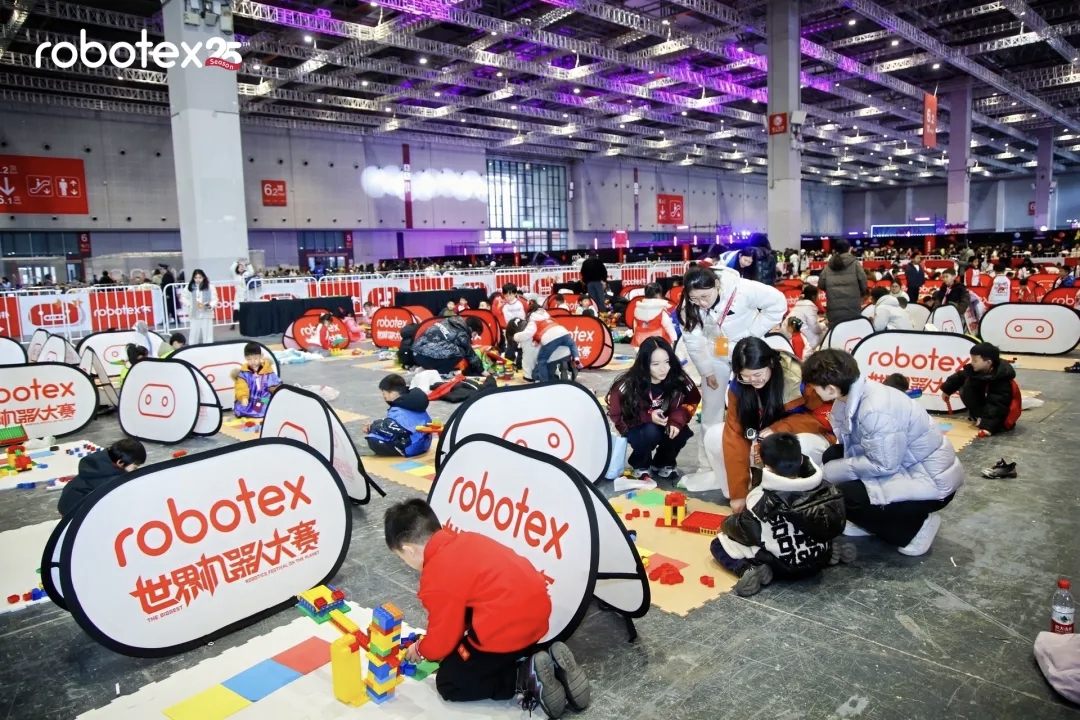
Robotex上的科技泛娱乐嘉年华带观众触摸前沿科技
Xin Lang Cai Jing· 2026-01-02 10:14
Group 1 - The 25th season of the Robotex Asia Finals is taking place in Shanghai, featuring innovative experiences such as spacecraft simulation models, metal robot combat, and mind-controlled racing, attracting numerous spectators [1][3] - Over 15,000 young technology enthusiasts from more than ten countries and regions are participating in the competition, showcasing their creativity and teamwork [3] - The event includes a space innovation education booth where children can engage with models like the Zhurong Mars rover and learn about satellite control, enhancing their logical programming and engineering skills [5][6] Group 2 - The LBT Robot Combat Alliance is hosting a robot combat competition with 24 teams from both domestic and international participants, ranging from children to adults, highlighting the diverse skill sets in design and control [6] - The mind-controlled racing project allows participants to control cars using brainwave sensors, demonstrating the fascinating potential of brain-computer interface technology [6][8] - The "Climate Park" area, established in collaboration with the Shanghai Climate Week, features eco-friendly installations made from recycled materials, promoting environmental awareness among children [8]
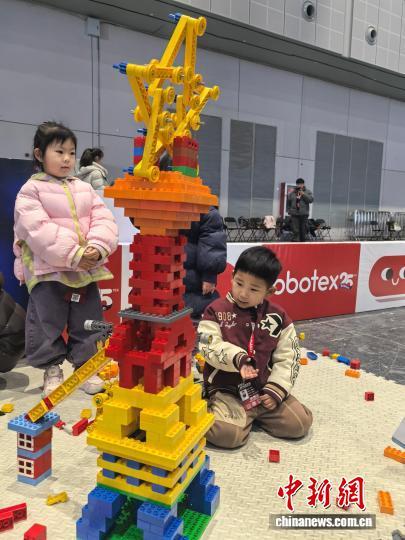
Robotex世界机器人大赛亚洲总决赛在沪开幕
Xin Lang Cai Jing· 2026-01-02 03:04
Core Insights - The 25th season of the Robotex World Robot Competition and Technology Pan-Entertainment Carnival opened in Shanghai, attracting over 15,000 youth from more than ten countries and regions for a two-day event [1] Group 1: Event Overview - The Robotex competition was initiated in 2001 by Tallinn University of Technology and Tartu University in Estonia, aiming to provide a broader platform for technology enthusiasts globally [1] - This year, Robotex incorporates the 17 Sustainable Development Goals of the United Nations as a core guiding principle, offering an international demonstration platform for cultivating global youth technology talent [1] Group 2: Activities and Innovations - The Technology Pan-Entertainment Carnival features interactive experiences with advanced humanoid robots, combat robot arenas, and bionic quadruped robots navigating obstacles, showcasing the integration of traditional culture and modern technology [2] - Participants can engage in projects like "mind-controlled racing," using EEG sensors to control racing cars through concentration, highlighting the advancements in brain-machine interface technology [2] - The event includes a "National Pavilion" area representing ten countries, showcasing innovative products and cultural content linked by robotics and cutting-edge technology [2]
北脑一号将进行第6例患者植入,北京脑机接口发展水平全国居前
Xin Jing Bao· 2025-12-30 06:50
依托北京市的"智能脑机系统增强计划",北京脑科学与类脑研究所牵头成立芯智达公司,推动相关科研 成果转化。这两家机构所在的中关村生命科学园位于昌平区,旨在构筑全球顶尖的"生命谷"。园区的集 聚效应,让脑机接口技术发展更顺畅。"北脑一号"在大动物体内的长期植入实验,就是芯智达公司 与"邻居"企业合作完成的。 新京报讯 据"未来科学城"微信公众号消息,通过植入"北脑一号",成功将脑电信号转化为"我想吃饭"等 中文语句,中国在脑机技术领域正迎头赶上,而北京科研团队更是其中佼佼者。目前,"北脑一号"智能 脑机系统已植入5名脊髓损伤患者体内。近期,第6例受试者将接受植入手术,"北脑二号"也有望在2026 年进入临床验证。 世界领先的脑机接口技术已在"生命谷"扎根。据介绍,"北脑一号"的注册临床产品已推进生产,初步计 划2026年年中启动注册临床试验。高性能侵入式智能脑机系统"北脑二号"研发也稳步推进,预计2026年 进入临床验证阶段。 ...