自主创新

Search documents
华为重夺国内第一 自研芯片破局 国产高端格局生变?
Xin Lang Cai Jing· 2026-01-18 13:34
Core Insights - Huawei regained the top position in the domestic smartphone market with 46.7 million units shipped, capturing a 16.4% market share, ending Apple's years of dominance [1][12] - The shift in consumer sentiment towards domestic brands and self-developed technology marks the arrival of a new era for high-end domestic smartphones [3][12] Market Performance - The overall domestic smartphone market is expected to see a 1% year-on-year decline in shipments for 2025, reflecting weak consumer confidence [1] - Huawei's Mate 80 series achieved over 2 million units shipped in its first month, while the Pura 80 series gained popularity due to its practical camera design [3] Consumer Preferences - Over 62% of new Huawei users chose the brand due to recognition of domestic self-developed technology rather than just technical specifications [3] - There is a noticeable shift in consumer behavior from blindly pursuing international brands to valuing technological independence and brand sentiment [3] Technological Advancements - The Kirin 9030 series chips have improved performance by 42%-45% compared to previous generations, balancing performance and power consumption through software optimization [5] - Huawei's self-developed chips not only alleviate supply chain issues but also allow for innovative product design, as seen in the Pura 80 Ultra's unique dual telephoto lens system [5] High-End Market Dynamics - The high-end smartphone market (priced above 3000 yuan) surpassed 30% of the total market share for the first time, becoming a key growth driver [7] - Huawei has transitioned from a follower to a rule-maker in the high-end market, particularly in the foldable phone segment, where it holds over 60% market share [7] Competitive Landscape - Samsung's market share in the foldable segment is declining due to its overly international product design, which does not align with domestic user habits [8] - Local brands like Vivo are also gaining traction in the high-end market, indicating a shift towards a domestically-led market landscape [8] Industry Implications - Huawei's resurgence highlights the importance of self-innovation as a long-term competitive advantage in an uncertain global supply chain environment [10] - The global smartphone market is projected to grow by 1.5% in 2025, with emerging markets and AI devices driving growth, while the domestic market is expected to recover only in 2026 [10] Conclusion - Huawei's reclaiming of the top position in the domestic smartphone market is not merely a rebound but a culmination of years of technological accumulation, signaling the official arrival of the high-end domestic smartphone era [12]

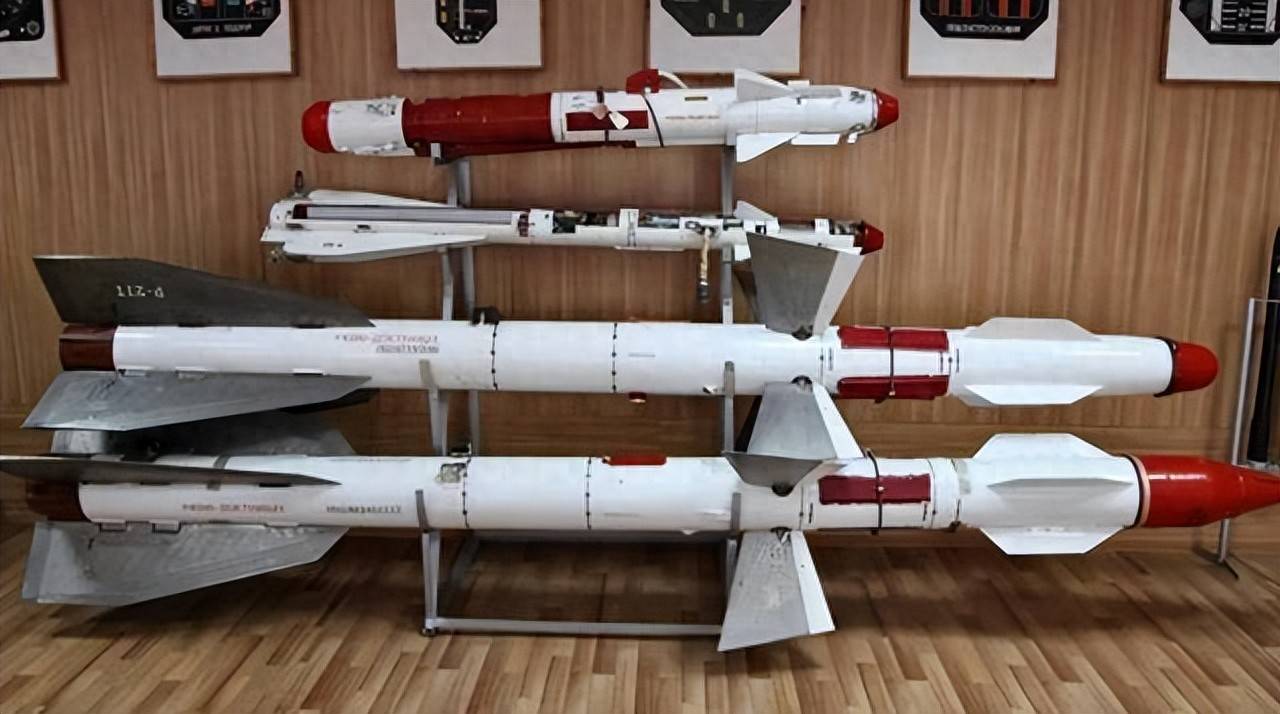
西方媒体:中国花20年时间,吃透乌克兰军工技术,唯独一样没办法
Sou Hu Cai Jing· 2026-01-18 09:32
Core Viewpoint - The cooperation between China and Ukraine in the military industry has been a significant yet complex relationship that has greatly contributed to China's military technological advancements over the past two decades, despite initial challenges and missed opportunities [1][18]. Group 1: Historical Context - The 1990s were a challenging period for China's military industry, characterized by limited core technologies and reliance on trial and error due to Western technology embargoes [5]. - Ukraine, inheriting a vast military industrial system from the Soviet Union, faced economic collapse and a loss of skilled personnel, turning its technological advantages into burdens [3]. Group 2: Cooperation Development - The collaboration began with basic equipment procurement and prototype introduction, evolving into deeper exchanges of talent and engineering expertise [5][6]. - Thousands of Ukrainian engineers contributed to design, debugging, and production in China, bringing invaluable engineering experience and practical knowledge [6]. Group 3: Technological Advancements - Key technologies acquired through this cooperation include naval gas turbines, which significantly improved the performance and reliability of China's naval power systems [8]. - Similar breakthroughs occurred in missile guidance and radar technology, enhancing the overall capabilities of China's military systems [9]. Group 4: Long-term Impact - The collaboration allowed China to complete a comprehensive technological catch-up, leading to the establishment of its own design standards and industrial norms [11]. - The absence of the Tu-160 strategic bomber became a driving force for China to pursue a more independent and innovative path in military technology development [13][15][16]. Group 5: Conclusion - The 20-year cooperation between China and Ukraine is a complex narrative of mutual achievement, where Ukraine exchanged technology for survival, and China gained significant advancements in military capabilities [18].
环球网社评:美国“放行”H200,映照中国科技自立自强
Huan Qiu Wang· 2026-01-14 18:09
Core Viewpoint - The U.S. government's conditional approval for NVIDIA's H200 AI chip exports to China signals a nuanced interaction in the tech sector, balancing between restricting China's AI capabilities and avoiding forcing a technological leap in China [1][2]. Group 1: U.S. Policy and Strategy - The approval of the H200 chip is not a sudden act of goodwill but a calculated decision to maintain a technological gap of at least one generation compared to NVIDIA's most advanced products [1]. - The U.S. aims to gain commercial profits from sales to China while limiting the technology's capabilities to slow down China's advancements in chip manufacturing [1][2]. - The export approval process is discriminatory, with the U.S. retaining control over the quantity and supply chain, and plans to impose a 25% fee on sales [2]. Group 2: Implications for China - The conditional lifting of the ban on H200 chips represents a significant policy shift, reflecting the complexities of U.S.-China competition and the necessity of maintaining economic ties [2]. - China's response to previous U.S. chip supply restrictions has led to significant advancements in its tech sector, demonstrating resilience and innovation despite external pressures [3]. - The recent developments in China's tech capabilities, including breakthroughs in AI and GPU applications, indicate a shift towards self-reliance and the pursuit of new technological paths [3][4]. Group 3: Future Outlook - The ongoing competition and cooperation in the tech sector highlight that complete decoupling is impractical, as deep interconnections in supply chains persist [2]. - China's focus on independent innovation aims not only for its own advancement but also to provide alternative technological pathways for developing countries [3][4]. - The narrative of self-reliance in technology is becoming a defining characteristic of China's approach, regardless of external restrictions or approvals [4].
耗费20年,中国吃透了乌克兰所有军工技术!唯独一样却没办法?
Sou Hu Cai Jing· 2026-01-14 05:13
Core Insights - The article discusses the historical collaboration between China and Ukraine in military technology, highlighting how Ukraine's expertise significantly contributed to China's military advancements after the Soviet Union's dissolution [1][14]. Group 1: Historical Context - After the dissolution of the Soviet Union in 1991, Ukraine emerged as a major military industrial power, inheriting extensive military production capabilities [1]. - Ukraine faced severe economic challenges post-independence, leading to the sale of state assets, including military technology [1]. Group 2: Collaboration Development - China and Ukraine established diplomatic relations in 1992, initiating a partnership where China initially purchased military equipment and later expanded to technology transfer and expert collaboration [3]. - Over 2,000 collaborative projects were undertaken, covering various military domains such as aviation, naval, and missile technology [7]. Group 3: Key Technological Contributions - Ukrainian technology, particularly the GT25000 gas turbine, played a crucial role in stabilizing China's naval propulsion systems, leading to the development of the QC-280 model used in modern destroyers [5]. - The R-27 missile guidance technology from Ukraine enabled China to enhance the performance of the PL-12 missile, surpassing the original design [8]. Group 4: Notable Projects - The repair of the Varyag aircraft carrier, purchased by China in 1998, exemplified the successful transfer of shipbuilding technology from Ukraine, providing valuable insights for China's future aircraft carrier projects [9][11]. - Ukraine's contributions to tank and rocket projects, including the development of fighter jet engines, were instrumental in advancing China's military capabilities [12]. Group 5: Strategic Implications - Despite the successful collaboration, China faced a significant setback in not acquiring the Tu-160 strategic bomber, which could have provided critical technological insights for its strategic air force [14][16]. - The experience of pursuing the Tu-160 spurred China to focus on independent innovation, leading to the development of its own strategic bombers, such as the H-6K and the upcoming H-20 [16][17]. Group 6: Future Outlook - The collaboration with Ukraine laid a foundation for China's military self-sufficiency, enabling it to establish a complete military industrial system that encompasses all production stages [14]. - China's military capabilities are expected to continue evolving, with the anticipated introduction of the H-20 bomber marking a significant milestone in its strategic development [17].

技术赋能 小尺寸人形机器人折射产业创新活力
Ren Min Wang· 2026-01-13 13:12
Group 1 - The humanoid robot industry in China is experiencing accelerated development from technology research to practical application, supported by a robust policy and market framework [1][2] - Various local governments are implementing specific policies to promote the humanoid robot industry, such as Beijing's "Ten Measures for Embodied Intelligent Robots" and clear industrial goals set by Shenzhen and Shanghai [1] - The launch of the Q1 humanoid robot by Upwind Qiyuan features a compact design with a core joint module reduced to the size of an egg, making it portable and resilient, targeting researchers, creators, and family users [1] Group 2 - The self-research ratio of key components like joint modules and dexterous hands is increasing, laying a foundation for the large-scale development of the humanoid robot industry in China [2] - The rise of humanoid robots is a natural outcome of the integration of intelligent manufacturing and artificial intelligence, serving as a crucial tool for industrial upgrading and enhancing public welfare [2] - Continuous improvement of the policy framework, breakthroughs in core technologies, and the expansion of application scenarios will enable the humanoid robot industry in China to progress steadily on the path of independent innovation [2]

关键核心技术必须牢牢掌握在自己手中
Xin Jing Bao· 2026-01-13 08:10
Core Viewpoint - The article emphasizes the importance of developing key core technologies for China's economic high-quality development and national security, advocating for a shift from simple imitation to independent innovation in critical areas such as integrated circuits, advanced materials, and biomanufacturing [1][2]. Group 1: Importance of Independent Innovation - The "15th Five-Year Plan" period is crucial for China to advance towards an innovative nation, highlighting the fatal flaws of simple imitation, which fails to grasp core technologies and leads to a passive cycle of dependence [2][3]. - Over-reliance on imitation can result in a loss of vitality in the innovation system, trapping industries in the low-end of the value chain and exposing them to risks from external technology blockades [2][3]. Group 2: Strengthening Basic Research - A primary task is to enhance the supply of basic research, as the root of the "bottleneck" issue lies in weak foundational theories, with China's basic research funding at 6.91% of total R&D expenditure, significantly lower than the 12%-23% ratio in developed countries [3]. - The "15th Five-Year Plan" should establish a stable growth mechanism for basic research investment, optimize evaluation systems, and encourage exploration in foundational disciplines and cutting-edge fields [3][4]. Group 3: Original Innovation and New Standards - To solve the "bottleneck" problem, it is essential to pursue original innovation and explore new methods, with China making strides in carbon-based and quantum chips, as well as in the electric vehicle sector, where it leads globally in production and market share [4][5]. - Original innovation is seen as a fundamental path to creating new technological paradigms and industrial ecosystems, supporting self-reliance in technology [4][5]. Group 4: System Integration and Collaborative Innovation - Enhancing system integration innovation capabilities is necessary due to the interdisciplinary nature of modern technology, requiring a new type of national system to facilitate cross-departmental and cross-disciplinary collaboration [5][6]. - Establishing innovation consortia centered around leading enterprises can promote efficient allocation of innovation resources and improve the resilience of industrial ecosystems [5][6]. Group 5: Reforming the Innovation Ecosystem - Deepening reforms in the technology system is crucial to foster an environment that stimulates original innovation, with a focus on creating a technology innovation system led by enterprises and integrating market demands [6][7]. - The "15th Five-Year Plan" aims to enhance the overall effectiveness of the innovation system by breaking down institutional barriers that hinder technological innovation [6][7]. Group 6: Cultivating an Innovative Culture - Cultivating a culture that encourages exploration and tolerates failure is vital, with an emphasis on enhancing public scientific literacy and integrating science and technology education into schools [7]. - The article advocates for an open and confident approach to global innovation networks, promoting international cooperation while fostering domestic talent [7].
人民日报钟才文:深刻把握“五个必须”,推动“十五五”良好开局
Xin Lang Cai Jing· 2026-01-12 23:09
Core Viewpoint - The article emphasizes the importance of leveraging China's economic advantages to achieve a strong start in the "14th Five-Year Plan" by enhancing the real economy and building a modern industrial system [1] Group 1: Economic Development Strategies - Strengthening and optimizing the real economy while addressing structural contradictions through digital transformation [1] - Promoting the development of emerging and future industries through classified planning and large-scale application demonstrations of new technologies and products [1] - Enhancing the quality and efficiency of the service industry to uncover new economic growth points [1] Group 2: Innovation and Technology - Increasing self-innovation capabilities and accelerating high-level technological independence [1] - Implementing extraordinary measures to overcome reliance on critical core technologies [1] - Strengthening the role of enterprises in innovation and facilitating the aggregation of innovation resources [1] Group 3: Market and Investment - Building a strong domestic market and ensuring smooth domestic and international dual circulation [1] - Breaking down barriers to establish a unified national market and improving supporting systems such as statistics and taxation [1] - Promoting balanced development of imports and exports while diversifying export markets [1]
新广益:公司将继续坚持自主创新发展
Zheng Quan Ri Bao· 2026-01-12 11:40
Core Viewpoint - The company has been focused on the research and innovation of high-performance functional materials for over 20 years, emphasizing a path of independent innovation and development from inception to growth [2] Group 1: Company Development - The company plans to concentrate on its own development and solidify its operations while continuing to adhere to independent innovation [2] - The company aims to leverage the advantages of the capital market to expand its development avenues [2] Group 2: Future Strategy - The company is committed to stable operations and sustainable development, with a focus on delivering good performance to shareholders and investors [2]
外资撤离潮,中国真要变天?别急,经济刚吃饱饭,咱还稳得住!
Sou Hu Cai Jing· 2026-01-11 17:38
Core Viewpoint - The recent withdrawal of foreign capital from China is not solely a sign of a changing economic landscape but rather a combination of global strategic adjustments and local competition dynamics, indicating that the market is not collapsing but rather undergoing a redistribution of opportunities [1][5][10] Group 1: Foreign Capital Withdrawal Reasons - A portion of foreign companies is struggling to adapt to the evolving preferences of Chinese consumers, leading to decreased competitiveness against local brands [3][5] - Global strategic realignments by multinational corporations, such as layoffs at Microsoft and Amazon, are not specifically targeting China but are part of a broader trend of economic contraction [5][10] - The exit of some foreign banks, like Citibank, reflects limited market share and profitability issues rather than a defeat in the Chinese market [5][6] Group 2: Impact of Foreign Capital Exit - The withdrawal of foreign capital may create short-term challenges, particularly in retail, dining, and certain manufacturing sectors, resulting in reduced orders and job adjustments [8][10] - Local companies are poised to fill the gaps left by foreign firms, demonstrating the resilience and adaptability of the domestic market [8][12] Group 3: Long-term Implications and Strategies - The departure of foreign capital highlights existing vulnerabilities in technology and core components, emphasizing the need for accelerated domestic innovation [12][18] - Maintaining stability in employment, supply chains, and market expectations is crucial, with a focus on supporting local enterprises through targeted policies rather than mere subsidies [14][16] - The importance of strategic self-reliance in key industries such as semiconductors, renewable energy, and artificial intelligence is underscored, necessitating a unified effort from both government and businesses [18]

中外资机构:2026年中国将是全球投资者瞩目的市场
Sou Hu Cai Jing· 2026-01-10 12:33
Group 1 - China is expected to be a focal market for global investors by 2026, driven by the rise in the valuation and quality of its technology sector, which has developed an independent AI ecosystem with vast applications and market potential [5][6][21] - Since April 2025, there has been a trend of global investors reallocating assets away from the US, which is likely to continue into 2026, leading to increased capital allocation towards Chinese assets [7] - The Chinese stock market is anticipated to experience a valuation reassessment driven by innovation, with future upward momentum expected to shift from valuation recovery to profit improvement [8] Group 2 - The "barbell strategy" is recommended for asset allocation, combining high-dividend stocks for defensive positioning with a focus on technology stocks benefiting from self-reliance and international expansion [8][9] - The core drivers for the A-share market in 2026 are expected to be policy support, profit recovery, and favorable liquidity conditions, with a focus on sectors such as technology innovation and manufacturing [9][10] - The Hong Kong stock market is projected to benefit from strong capital inflows and active IPO activities, supported by policies favoring artificial intelligence [21] Group 3 - The 14th Five-Year Plan emphasizes the construction of a modern industrial system and expansion of domestic demand, with investment opportunities in traditional industry upgrades, advanced manufacturing, and emerging sectors like renewable energy and aerospace [10][11] - The focus on technology self-reliance and high-quality development is expected to drive policy initiatives aimed at stimulating consumption and stabilizing the real estate market [11] - The anticipated US Federal Reserve interest rate cuts are expected to enhance global liquidity and lower financing costs, benefiting risk assets and corporate earnings [14][19] Group 4 - In the context of a reshaped global order, investment strategies for 2026 should focus on diversified paths to enhance portfolio resilience, particularly in technology sectors related to capital expenditure expansion and energy transition [20] - Asia is identified as a core growth engine, with positive outlooks for stock markets in mainland China, Hong Kong, Singapore, and South Korea, while maintaining a cautious approach towards US equities [20][21] - The emphasis on diversification includes emerging market bonds outperforming developed market bonds, with gold expected to continue its upward trend in 2026 [22]