
资产负债管理

Search documents
利率下行、行业“内卷”显著影响险企经营管理
Guo Ji Jin Rong Bao· 2025-10-29 14:11
Core Insights - The insurance industry is undergoing a significant transformation as it transitions from the "14th Five-Year Plan" to the "15th Five-Year Plan," facing multiple challenges due to global economic changes, geopolitical shifts, declining interest rates, and capital market volatility [1][5] - A report by Tianzhi International highlights the current state of risk management in the insurance sector, indicating a shift from passive to proactive management strategies [5] Industry Challenges - The most significant challenges for insurance companies are the decline in market interest rates and intense competition, with over 65% of surveyed institutions identifying these as primary concerns [2] - Approximately 80% of institutions believe that regulatory scrutiny will continue to tighten, while 60% perceive an increase in external environmental risks, both of which have decreased by over 10 percentage points compared to 2024, indicating reduced anxiety and increased confidence in the industry [1] Risk Management Improvements - Over 98% of surveyed institutions report having established risk management systems that are either aligned with or ahead of their business development needs, continuing a trend of improvement since 2015 [2] - The report indicates that while overall risk management capabilities have improved, challenges remain in areas such as quantitative tools, data quality, personnel allocation, and inter-departmental collaboration [2][3] Technological and Data Challenges - There is a significant demand for optimization in risk management tools, with a rising focus on risk appetite frameworks, independent assessments, and stress testing [3] - The insurance industry is still in the early stages of digitalization and AI applications for risk control and compliance, with over 56% of institutions adopting a wait-and-see approach [4] Future Outlook - The industry is encouraged to enhance its quantitative analysis capabilities and data foundations while building a three-dimensional collaborative system of risk, capital, and business [4] - The future competition in the insurance sector will hinge on risk insight and decision-making efficiency, with a focus on identifying and seizing structural opportunities in uncertain environments [4]
利率下行、“内卷”竞争显著影响险企经营管理
Sou Hu Cai Jing· 2025-10-29 11:25
Core Insights - The report by Tianzhi International highlights the current state of risk management in the insurance industry, focusing on comprehensive risk management, asset-liability management, internal control, compliance management, and the role of digitalization and artificial intelligence [2] Survey Overview - A total of 152 insurance institutions participated in the survey, covering 13 insurance groups, 72 life insurance companies, 57 property insurance companies, and 10 reinsurance companies, representing over 70% of the industry in terms of both institution count and premium scale [3] Regulatory and Environmental Outlook - Approximately 80% of insurance institutions anticipate continued tightening of regulations, while 60% perceive an increase in external environmental risks; both figures show a significant decline of over 10 percentage points compared to 2024, indicating reduced anxiety and increased confidence within the industry [3] Management Challenges - Over 65% of insurance institutions identify declining market interest rates and intense competition as the primary challenges in management; life insurance companies are particularly concerned about the impact of interest rate declines, while property insurance companies focus on competitive pressures [6] Risk Management System - More than 98% of insurance institutions believe they have established a risk management system that is either aligned with or ahead of business development; there has been notable progress among property and reinsurance companies, with enhanced confidence in risk management [9] Risk Management Challenges - Despite improvements in overall risk management capabilities, challenges remain in areas such as quantitative tools, data quality, personnel allocation, and inter-departmental collaboration; the need for optimization in risk preference systems, independent assessments, and stress testing has increased compared to the previous year [9] Asset-Liability Management - The report indicates significant overall improvement in asset-liability management within the insurance industry, although challenges differ between life and property insurance sectors; life insurance companies have seen notable reductions in challenges related to quantitative tools and personnel allocation, while property insurance companies face rising demands for improvements in model construction and data interaction mechanisms [9] Digitalization and AI Adoption - The application of digitalization and artificial intelligence in risk control and compliance within the insurance industry is still in its early stages; over 56% of institutions are taking a wait-and-see approach, with only 8% having initiated pilot projects; insurance groups are more proactive, with nearly 40% having partially implemented or are in the process of implementing digital functions [11]


宝丰能源20251024
2025-10-27 00:31
Summary of Baofeng Energy's Q3 2025 Earnings Call Company Overview - **Company**: Baofeng Energy - **Date**: Q3 2025 Earnings Call Key Financial Metrics - **Net Profit**: CNY 3.4 billion, up 144% YoY and 14% QoQ [2][3] - **Operating Cash Flow**: CNY 5.6 billion, up 242% YoY and 22% QoQ [2][3] - **Revenue**: CNY 12.7 billion, up 72% YoY and 5.6% QoQ [3] - **Cumulative Revenue for First Three Quarters**: CNY 35.5 billion, up 46% YoY [3] Business Segment Performance - **Olefins Segment**: - Production from Inner Mongolia increased to 60% of total output [2][4] - Sales volume of polyolefins and EVA products reached 1.4 million tons, up 165% YoY and 6% QoQ [2][4] - **Coke Segment**: - Coke sales volume was 1.77 million tons, with a slight increase QoQ [4] - **Profit Contribution**: - 76.81% of net profit from olefins, 14.54% from coke, and 8.18% from coal washing [12] Pricing and Cost Dynamics - **Polyethylene Sales Price**: CNY 6,439/ton, down 0.9% QoQ; average for the first three quarters was CNY 6,623/ton, down 6.5% YoY [5] - **Polypropylene Sales Price**: CNY 6,180/ton, down 2.6% QoQ; average for the first three quarters was CNY 6,333/ton, down 5.6% YoY [5] - **Raw Material Coal Procurement Price**: CNY 450/ton, up 11% QoQ; average for the first three quarters was CNY 448/ton, down 19% YoY [5] Regional Performance Insights - **Profit Margins**: - Inner Mongolia's gross profit per ton was CNY 3,000, compared to CNY 2,600 for Ningdong [6] - Factors include lower labor costs and higher energy efficiency in methanol production [6] Future Projects and Capacity Expansion - **Ningdong Phase IV Project**: On track for completion by the end of next year [2][7] - **New Projects**: Proposals for 4 million tons in Xinjiang and 2 million tons in New Mongolia submitted for approval [7] Financial Strategy and Shareholder Returns - **Debt Management**: Plans to gradually reduce debt ratio and increase dividend frequency and proportion [2][8] - **Current Debt Ratio**: 35.19% with CNY 31.7 billion in interest-bearing debt [9] Market Outlook and Competitive Landscape - **Olefins Production**: Coal-based olefins have a competitive edge over oil and gas-based due to stable raw material supply and profitability [2][11] - **Future Competition**: Expected to intensify until 2027 due to new projects, but may ease afterward as new capacity slows [25] Regulatory and Policy Environment - **Project Approval Changes**: Recent adjustments in approval processes for coal chemical projects, affecting project timelines [17] - **Carbon Tax Impact**: Currently minimal direct impact, but the company is preparing for potential future implications [28] Conclusion - Baofeng Energy demonstrated strong financial performance in Q3 2025, driven by significant growth in the olefins segment and effective cost management. The company is strategically positioned for future growth with ongoing projects and a focus on shareholder returns, despite facing challenges from fluctuating raw material prices and market competition.

长城人寿董事长白力:投资聚力二十载 谋篇布局启新航
Zheng Quan Ri Bao Wang· 2025-10-22 02:52
Core Viewpoint - The company emphasizes a stable investment strategy focused on long-term growth and risk management, aiming to provide clients with secure and appreciating wealth through a robust investment management system [1][4][9]. Investment Management System - The company has established a five-dimensional investment management system that includes mechanisms, decision-making, asset allocation, team, and licenses, aiming for sustainable and stable investment returns [4][5]. - Over the past five years, the company has achieved a total investment return of 14.369 billion with an average annual investment return rate of 4.33%, consistently outperforming the industry average [5]. Investment Philosophy - The investment philosophy is centered around long-term asset-liability management, focusing on stable and sustainable compound returns, while adhering to responsible investment practices [4][6]. - The company adopts a "dumbbell strategy" for asset allocation, balancing between long-duration bonds and high-grade credit bonds on one end, and equity investments and alternative assets on the other [6][7]. Support for the Real Economy - The company actively supports the real economy, having provided over 110 billion in funding through various means, including local government bonds and direct investments in infrastructure and energy sectors [8]. - The company aims to align its investment strategies with national development goals, contributing to key areas such as the Guangdong-Hong Kong-Macao Greater Bay Area and Xiong'an New Area [8]. Brand Development - The company is developing a brand centered around the concept of "peace of mind," which includes risk protection, quality customer service, and stable investment returns, addressing clients' insurance and investment needs [9].
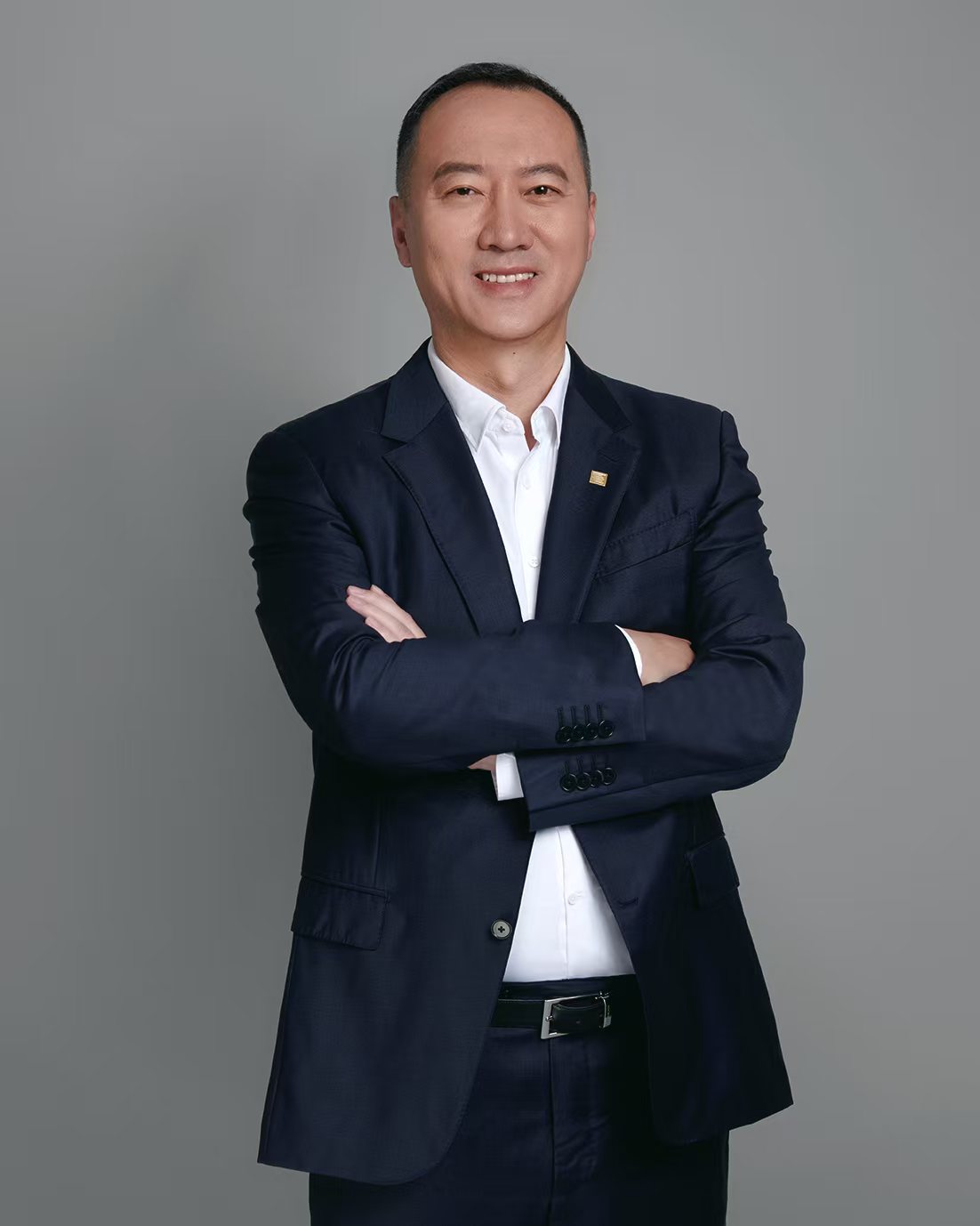
湘财证券:保险资负两端基本面改善趋势明确 维持行业“增持”评级
智通财经网· 2025-10-22 02:04
Core Insights - The insurance industry is experiencing a continuous improvement in fundamentals, driven by enhanced asset allocation and regulatory policies that support cost reduction and product transformation [1][5]. Group 1: Product Transformation and Growth Opportunities - The introduction of new regulations for health insurance is creating growth opportunities for participating health insurance products, particularly dividend-type health insurance [2]. - The shift towards dividend-type health insurance is expected to optimize the product and cost structure of insurance companies, providing a more stable revenue stream compared to traditional pure protection products [2]. - The sales capabilities of agents are crucial for the success of dividend-type health insurance, with leading companies like Taiping, Ping An, and China Life showing strong performance in individual insurance channels [2]. Group 2: Asset Allocation and Investment Strategy - The rising potential for interest spread losses emphasizes the importance of equity investment, with dividend-type products driving the development of equity investments by insurance companies [3]. - Regulatory policies are being optimized to support long-term equity investments by insurance companies, including adjustments to investment limits and expanding pilot programs for long-term stock investments [3][4]. - Insurance funds are increasingly allocating to stocks and long-term equity investments, with a significant increase of over 900 billion yuan in the first half of the year, indicating a proactive investment strategy [4]. Group 3: Overall Market Performance and Valuation - Since the second half of 2024, insurance stocks have performed well, primarily due to improving asset-side expectations that are driving valuation recovery [5]. - The dynamic adjustment mechanism for pricing and ongoing cost reduction initiatives are laying a solid foundation for optimizing product costs and enhancing the overall performance of insurance companies [5]. - The continuous improvement in the fundamentals of the insurance sector is expected to steadily enhance investment value, supported by favorable policies and ongoing product transformation [5].
长城人寿董事长白力:平衡险资投资“稳”与“进”
Zheng Quan Ri Bao· 2025-10-21 16:41
Core Viewpoint - The company emphasizes a stable investment strategy amidst declining market interest rates, focusing on safety and sustainable growth in investment returns while ensuring customer wealth security and appreciation [1][2]. Investment Management System - The company has established a five-dimensional investment management system, which includes mechanisms, decision-making, allocation, team, and licensing, aimed at achieving stable and sustainable investment returns [2][3]. - The investment philosophy is centered around long-term asset-liability management, with a commitment to creating a stable and robust investment portfolio [2]. Team and Expertise - The company has developed a research and investment team with an average experience of over 10 years, with the longest-serving member having 28 years of experience, which is crucial for navigating market volatility [3]. - The team is considered the company's most valuable internal asset, contributing to its comprehensive investment capabilities [3]. Investment Strategy - The company employs a unique "barbell" investment strategy, balancing long-duration bonds and high-grade credit bonds with equity investments and alternative assets to enhance investment flexibility [4][5]. - The strategy aims to secure stable returns while also providing opportunities for higher returns through diversified investments in quality companies and emerging industries [4][5]. Support for the Real Economy - The company actively supports the real economy, having provided over 110 billion yuan in funding through various means, including government bonds and direct investments in infrastructure and energy sectors [6]. - The company aligns its investment strategies with national priorities, ensuring that its financial activities contribute to broader economic development [6].
中国人寿20251015
2025-10-15 14:57
Summary of China Life Insurance Conference Call Company Overview - **Company**: China Life Insurance - **Date**: October 15, 2025 Key Points Industry and Company Strategy - China Life Insurance is focusing on a transformation strategy towards participating insurance, with new single premium income maintaining a stable and higher-than-expected proportion in the first three quarters of 2025, indicating strong customer acceptance [2][4] - The regulatory push for high-quality development in health insurance allows for the design of participating critical illness insurance, which is expected to foster innovation in the industry [2][6] - The company plans to launch related products to meet customer demand for critical illness protection, positively impacting its health insurance business [2][6] Financial Performance - New single premiums have achieved positive growth, aligning with expectations, and the company aims to maintain this growth without pursuing high-speed growth, focusing instead on sustainable development [2][3][6] - The proportion of new single premiums from participating insurance remained stable, exceeding last year's expectations due to smooth transformation and high customer acceptance [4] - The company has effectively managed its overall liability costs through a balanced and diversified investment strategy, achieving good investment returns [5][9] Product Strategy - Participating insurance will continue to be the main strategic direction, with product types like participating pension annuities being retained and adjusted to meet diverse customer needs [2][7] - The company is adapting payment terms and insurance periods to enhance product competitiveness [2][7] Channel Performance - The impact of the integration of sales and reporting on individual insurance channels is manageable, with stable activity and issuance rates [2][7] - Agent income may be temporarily affected, but overall it remains controllable, and the company will continue to enhance channel quality to adapt to market demands [2][7][8] Investment Strategy - China Life has increased equity asset allocation across various sectors, including Hong Kong stocks and high-dividend sectors, achieving significant results in the third quarter [5][17] - The company maintains a neutral and flexible allocation strategy in response to rising long-term interest rates, ensuring stability in natural duration [14][15] Regulatory Environment - Recent regulatory guidance aims to promote high-quality development in health insurance, which is expected to benefit the industry and lead to new product designs [6][22] - The company is preparing to gradually introduce new products in response to regulatory changes [6][24] Future Outlook - Despite challenges in the first half of 2025, the company anticipates maintaining positive growth in new single premiums and plans to set reasonable performance targets for the upcoming year [6][24] - The company is committed to enhancing shareholder returns and maintaining stable dividend levels, with a focus on long-term growth [20][21] Miscellaneous - The effective duration gap of the company's assets and liabilities is approximately 1.5 years, with ongoing adjustments based on market conditions [11] - The average dividend yield of high-dividend stocks in the company's portfolio is around 5% [20] This summary encapsulates the key insights from the conference call, highlighting the strategic direction, financial performance, product strategies, and future outlook of China Life Insurance.

一文穿透寿险管理实质:资产负债管理应遵循系统论观念,“久期缺口”无法替代“资债匹配”
Sou Hu Cai Jing· 2025-10-14 14:58
Core Viewpoint - Strengthening asset-liability matching management has become a consensus in the industry, with many life insurance companies adjusting their development concepts on both the liability and asset sides to achieve this goal [1][2]. Group 1: Asset-Liability Management Challenges - The complexity of life insurance business necessitates a sophisticated understanding of asset-liability management, which poses new challenges for corporate management and organizational structure [1][2]. - There is a prevalent misunderstanding of "asset-liability matching management," with some substituting "duration gap" for "asset-liability matching," leading to significant deviations from the core principles of asset-liability management [1][2][8]. Group 2: Independent Account Management - Asset-liability management should focus on each independent account within life insurance companies rather than the overall company, as these accounts have distinct asset ownership, liability responsibilities, and risk allocations [3][4]. - The establishment of independent accounts is a significant operational decision that requires clear management logic and a rigorous decision-making process [5]. Group 3: Core Concepts of Asset-Liability Management - The core demands of asset-liability management include matching, interaction, and dynamic management, which should not be rigidly interpreted as an absolute equality between assets and liabilities [6][7]. - The management of asset-liability interactions remains disconnected, despite some recognition of the need for two-way interaction management [6][8]. Group 4: Data System Improvement - The complexity of life insurance business leads to a diverse array of economic principles and management perspectives, necessitating an improvement in the data system for asset-liability management [8][9]. - The concept of "duration gap" is often misused as a substitute for "asset-liability matching," which can lead to secondary risks if treated as a static management goal [8][10]. Group 5: Duration Calculation Issues - The current calculation of liability duration is relatively straightforward, while the calculation of asset duration is overly rigid and disconnected from reality [10][11]. - The existing rules for calculating asset duration primarily focus on fixed-income assets, neglecting the impact of equity and other asset classes, which can distort the overall asset-liability management [10][12]. Group 6: Recommendations for Improvement - It is recommended to realistically assess the extendability of historical data in the current liability cash flow model and incorporate future economic changes into the evaluation of life insurance contract liabilities [13][14]. - A comprehensive asset duration calculation model that aligns with investment management practices should be developed to reflect the unique long-cycle nature of life insurance [14].
前中行资管老将周权掌舵中银证券,董事长、党委书记一肩挑
Nan Fang Du Shi Bao· 2025-09-06 04:16
Core Viewpoint - The announcement of the election of Zhou Quan as the new chairman of Zhongyin Securities marks a significant leadership change, with Zhou bringing extensive experience from the banking sector to the securities industry [2][10]. Group 1: Leadership Change - Zhou Quan has been elected as the chairman of Zhongyin Securities, with his term starting immediately and lasting until the end of the current board's term [2]. - Zhou also assumes the roles of the company's legal representative and the chairman of the board's strategy and development committee [2]. - Zhou has a rich background in asset management and has held various positions within the Bank of China since 1999, including vice president of the Heilongjiang branch and head of the asset-liability management department [4]. Group 2: Company Performance - In the first half of 2025, Zhongyin Securities reported operating revenue of 1.505 billion yuan, a year-on-year increase of 20.79%, and a net profit attributable to shareholders of 565 million yuan, up 33.13% [8]. - The company played a crucial role in the merger of Guotai Junan and Haitong Securities, marking a significant event in the capital market [8]. - Despite the positive revenue growth, Zhongyin Securities has faced challenges, with a decline in investment banking fees and a significant drop in investment income, which decreased by 32.55% year-on-year in the first half of 2025 [9].

邮储银行(601658.SH)上半年归母净利润492.28亿元,资产负债总额双突破
智通财经网· 2025-08-29 16:55
Core Viewpoint - Postal Savings Bank of China reported a slight increase in net profit and operating income for the first half of 2025, indicating stable financial performance despite a challenging economic environment [1][2]. Financial Performance - The bank achieved a net profit attributable to shareholders of 49.228 billion yuan, a year-on-year increase of 0.85% [1]. - Operating income reached 179.446 billion yuan, reflecting a growth of 1.50% compared to the previous year [1]. - Non-interest income showed significant growth, with intermediary business income rising to 16.918 billion yuan, up 11.59%, and other non-interest income increasing to 23.470 billion yuan, up 25.16% [1]. Asset and Liability Management - Total assets surpassed 18 trillion yuan, reaching 18.19 trillion yuan, while total liabilities exceeded 17 trillion yuan at 17.05 trillion yuan [2]. - The bank's loan portfolio increased by 622.982 billion yuan, a year-on-year increase of 1,131.13 billion yuan, with a notable growth in corporate loans by 14.83% [2]. - Retail loans grew by 8.8793 billion yuan, reflecting a 1.86% increase, which is above the industry average [2]. Deposit Growth and Management - Total deposits exceeded 16 trillion yuan, reaching 16.11 trillion yuan, with a growth rate of 5.37% [2]. - Corporate deposits increased by 229.623 billion yuan, marking a growth of 13.86% [2]. - The bank maintained a net interest margin of 1.70%, continuing to lead the industry [2].
