文旅融合

Search documents
集大原绘就晋蒙协同发展新图景
Xin Lang Cai Jing· 2026-01-04 09:41
Core Insights - The Jidongyuan High-Speed Railway is set to open on December 31, 2024, spanning 309 kilometers and connecting key cities in Inner Mongolia and Shanxi, marking a significant development in China's high-speed rail network [1][2] Economic Impact - The railway is expected to stimulate regional economic growth, enhancing the collaboration between Shanxi and Inner Mongolia, and attracting investments to areas like Yingxian and Yuanping [1] - The railway will facilitate the transfer of industries from Beijing-Tianjin-Hebei to the region, contributing to industrial upgrades [1] - The ceramic industry in Huairen is projected to see steady export growth, with products reaching multiple countries by mid-2025 [1] Transportation Efficiency - Travel times will be significantly reduced, with the journey from Hohhot to Taiyuan cut from over 5 hours to 2 hours and 57 minutes, and other routes also seeing similar reductions [2] - Daily train services will reach up to 138, with over 10.3 million passengers expected in the first year, and Dazhong South Station projected to handle 6.27 million passengers in 2025, a 29% increase [2] Social Benefits - The railway enhances public transport accessibility, with upgraded facilities such as mother-baby rooms and improved services for key passengers [2] - The railway has transformed travel experiences, making it easier for residents to connect with major cities and improving overall quality of life [2] Cultural and Tourism Development - The railway connects significant cultural and tourist sites, promoting a "fast travel, slow tourism" approach, and increasing visitor numbers to attractions like the Yungang Grottoes and Hengshan Mountain [3] - Tourist visits to key sites have seen substantial growth, with Yungang Grottoes receiving 4.455 million visitors in the first nine months of 2025, a 22.05% increase [3] - The railway serves as a strategic channel for regional collaboration, industrial transformation, and cultural exchange, enhancing the overall development of the Shanxi-Inner Mongolia region [3]
哈尔滨兽首展元旦期间受热捧
Xin Lang Cai Jing· 2026-01-04 08:38
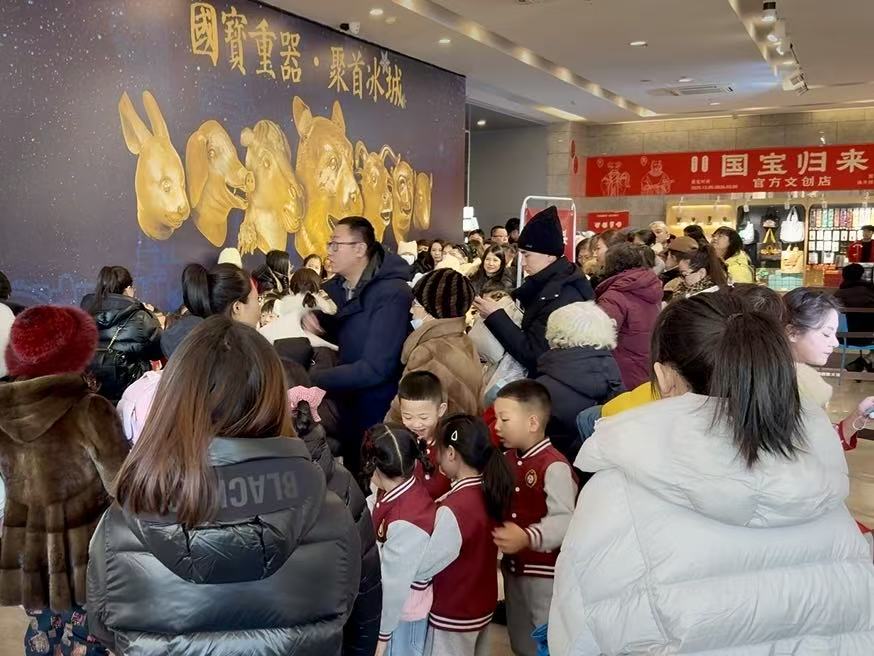
Core Insights - The "National Treasures and Cultural Relics Exhibition" held in Harbin has become a significant highlight in the winter tourism market, combining precious artifacts with ice and snow tourism resources [1][4] - The exhibition has attracted a high volume of visitors, setting a new record for single exhibition attendance during the holiday period [3] - The introduction of a discounted joint ticket has been well-received, enhancing visitor experience and promoting cultural tourism [3][4] Group 1 - The exhibition features 76 valuable cultural relics from the Shang and Zhou dynasties to the Qing dynasty, creating a unique "culture + ice and snow" experience [1] - The exhibition will run until March 9, 2026, coinciding with the winter vacation for schools across the country, and has become a key site for patriotic and traditional cultural education [3] - The use of immersive technology, such as projection and holographic display cases, enhances interactivity and engagement for visitors of all ages [3] Group 2 - The event is part of Harbin's innovative practice in promoting the integration of culture and tourism, enriching the content of ice and snow tourism and enhancing the city's cultural appeal [4] - The exhibition has successfully attracted a significant number of visitors from outside Heilongjiang Province, including many foreign tourists [3] - The combination of cultural and tourism resources not only provides a diverse and cost-effective winter tourism experience but also supports local economic development [4]

云贵川文旅牵手 跨省合作如何拓展新空间
Si Chuan Ri Bao· 2026-01-04 07:19
四川宜宾市蜀南竹海。(省文化和旅游厅供图) 贵州习水县习酒基地和四川古蔺县郎酒庄园分别位于赤水河两岸。郑茂瑜摄 合作内容更深入 从合作协议内容看,合作既有广度,也有深度。 12月3日,记者从文化和旅游厅了解到,目前四川与云、贵两省的多边互动活动计划将延伸至2020年上半年。 最近,四川将组织专业团队赴南非、乌干达、马拉维等地开展"欢乐春节""西南风"川云贵渝三省一市画院精品展 及巡展、川黔两省戏剧创作交流等各类交流活动,这一计划反映出此次合作协议的深度和持续性。 在文旅融合大背景下,制度层面的合作可促进跨省合作进一步走深走实。四川省将联合云、贵两省建立文化 旅游市场联合监管机制,以及跨省文化旅游投诉处理合作机制;双方将建立旅游行政处罚信息、"黑名单"信息通 报制度,跨省文化和旅游投诉异地受理机制,互通共享旅游行政处罚信息、企业信用信息,共同推进两地旅游诚信 体系建设。 近年来,四川与云、贵两省已在共同维护旅游市场秩序、突出有效有力的综合执法等方面达成共识,特别是 在三省旅游线路交界地带,加大旅游综合执法力度,今后将更加深入。2018年,围绕全域旅游理念,聚焦区域旅 游大发展,泸州着力完成并实施《川南长江流域度 ...

9位决策者回应专家建议 聚焦痛点 有效互动 共促发展
Si Chuan Ri Bao· 2026-01-04 07:05
Group 1 - The core argument emphasizes the need to overcome GDP anxiety by focusing on per capita GDP and GNP to measure development disparities accurately [1] - The relationship between per capita and total GDP is crucial; despite a high per capita GDP, the total economic output of Zigong is ranked 11th in the province, indicating insufficient development [2] - The balance between speed and quality of economic growth is essential, especially for old industrial cities facing transformation challenges [2] - The integration of urban and regional development is vital, with Zigong positioned as a satellite city benefiting from its proximity to major cities like Chengdu and Chongqing [3] Group 2 - The development of cultural tourism products should focus on deep visitor experiences, creating diverse offerings that connect with local economies and cultures [4] - The integration of culture and tourism in Sichuan is a priority, with initiatives to enhance tourism product diversity and improve collaboration between government and enterprises [5] - The need for innovative financial services is highlighted, with suggestions for establishing a free trade account system to bridge financing gaps for domestic and foreign enterprises [18][19] Group 3 - The proposal to establish a Chengdu-Chongqing city cluster investment fund aims to enhance cooperation and investment among cities, addressing coordination issues and creating a sustainable development mechanism [13][14] - The importance of leveraging market forces to improve disaster prevention and reduction capabilities is emphasized, with a focus on socializing and marketizing disaster management standards [10][11] Group 4 - The strategy of "Four-way Expansion, All-domain Opening" is recommended for economically lagging regions to actively participate in broader development initiatives [16] - The exploration of property rights for rural land is suggested to activate idle assets and generate income for farmers, ensuring collective oversight [22][23] Group 5 - The need for legal frameworks to enhance public awareness of waste classification responsibilities is stressed, alongside optimizing waste processing facilities to improve efficiency [25][26] - Chengdu's initiatives in waste management, including the implementation of a waste classification system and the promotion of organic waste processing, are highlighted as effective measures [27][28]
主播说联播丨元旦文旅新玩法,藏着美好生活的答案
Yang Shi Xin Wen Ke Hu Duan· 2026-01-04 06:45
Group 1 - The core trends in the cultural and tourism industry during the New Year holiday are "experience" and "fusion" [1][3] - Many museums and planetariums extended their opening hours for New Year's Eve, offering unique experiences such as immersive and participatory activities [3] - The total box office for the New Year holiday has exceeded 700 million yuan, highlighting the growing trend of "movie+" fusion development in the cinema industry [3] Group 2 - The integration of different business formats and scenarios is breaking boundaries, leading to enhanced consumer satisfaction and new consumption spaces [3] - Innovative winter tourism activities have emerged, including a full range of "snow, land, and air" experiences, catering to diverse consumer preferences [3] - The continuous innovation in the cultural and tourism market reflects the public's pursuit of higher quality of life, indicating that there is no ceiling for future developments in this sector [3]
锐评|元旦假期没玩够?魅力北京未完待续
Xin Lang Cai Jing· 2026-01-04 06:37
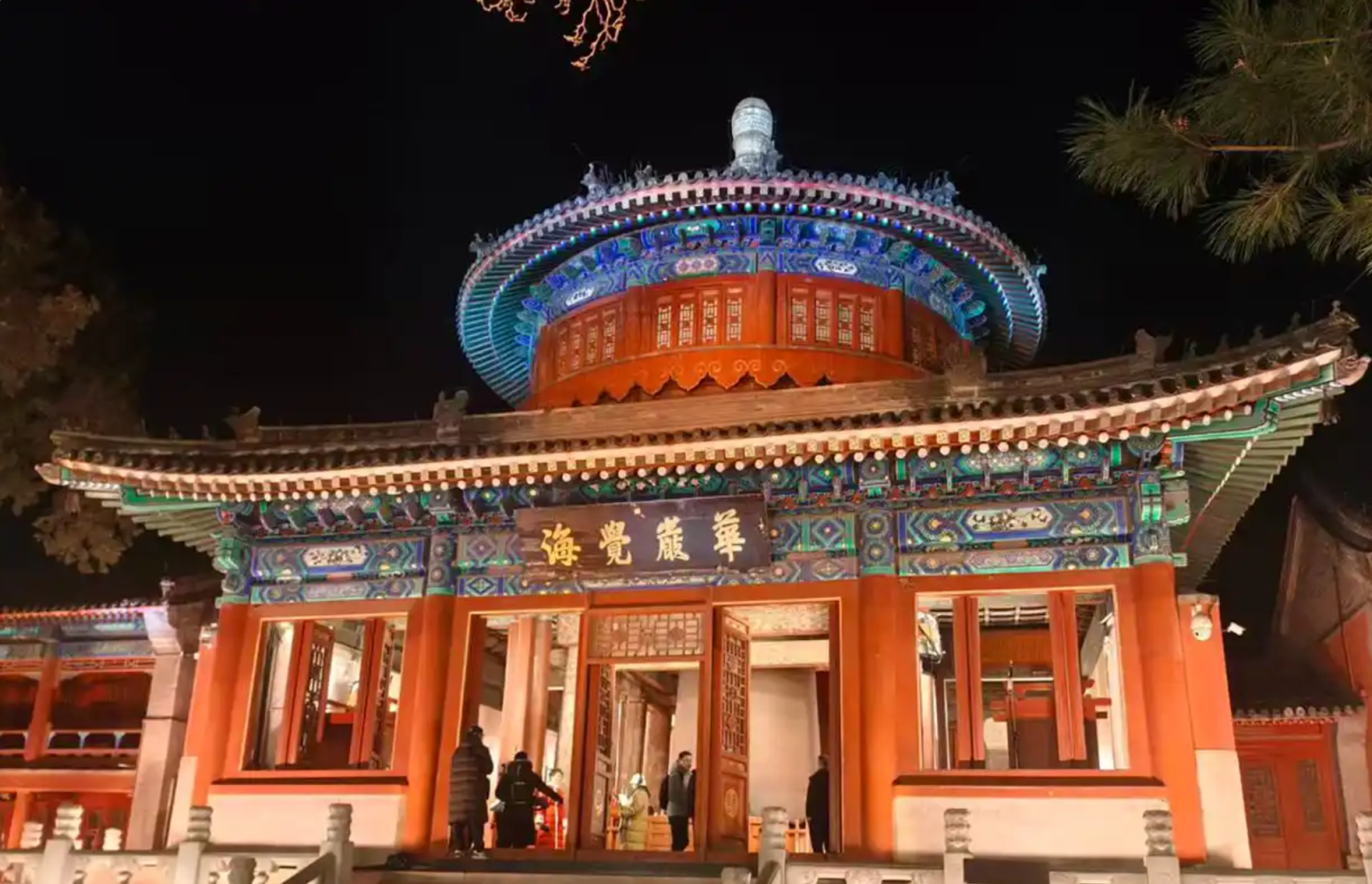
Core Insights - The New Year holiday in Beijing showcased a vibrant cultural tourism feast, with 8.808 million visitors and a total tourism expenditure of 10.97 billion yuan [2] - The event featured a variety of activities, including cross-year performances, extended shopping hours in over 20 commercial districts, and 275 commercial performances across 839 shows, enhancing the cultural experience for visitors [2] - The integration of traditional and modern elements in activities reflects the city's dynamic cultural tourism market, leading to increased consumer engagement and satisfaction [2][3] Group 1 - The New Year celebration marked a successful start to the year, driven by systematic and forward-thinking design guidance [3] - The transition from a single main venue to a city-wide celebration illustrates a comprehensive mobilization of the city, enhancing market vitality and consumer enthusiasm [3] - The cultural aspect is identified as the core engine for consumption upgrades, with consumers increasingly valuing emotional experiences and cultural recognition [4] Group 2 - Innovative cultural tourism in Beijing emphasizes the importance of making culture accessible and interactive, transforming it from a distant history to a tangible present experience [4] - The integration of cultural resources with contemporary consumption can meet the public's desire for better experiences and deeper meanings, promoting collaborative development across various sectors [4] - The New Year festivities serve as a promising prelude to a prosperous year ahead, highlighting the ongoing allure of Beijing [4]
“跨年+冰雪+民俗” 山西晋中元旦文旅融合新业态点燃消费热潮
Zhong Guo Xin Wen Wang· 2026-01-04 06:06
Group 1 - The core viewpoint of the news is that the tourism market in Jinzhong City has shown significant growth during the New Year holiday, driven by a combination of cultural and recreational activities, leading to an upgrade in consumption structure towards high-quality and diversified experiences [1][2] - During the New Year holiday, Jinzhong City received a total of 567,600 visitors, with tourists from 49 different countries, indicating a strong international interest in the region [1] - Key monitored scenic spots in the city welcomed 169,900 visitors, representing a year-on-year increase of 657.33%, with total ticket revenue reaching 1.636 million yuan, up 136.08% compared to the previous year [1] Group 2 - To enhance visitor experience, Jinzhong City implemented several beneficial measures, including free admission to 15 A-level tourist attractions across various districts, which is expected to attract more visitors [2] - Additional services such as parking, restrooms, hot water, and charging stations were made available near A-level tourist sites, improving overall visitor satisfaction [2] - The tourism system in Jinzhong operated smoothly during the holiday period, with no reported safety incidents, further enhancing the city's brand influence in the festive atmosphere [2]
视频丨告别“到此一游”任务式打卡 00后假期旅游主打“爱你老己”
Yang Shi Xin Wen Ke Hu Duan· 2026-01-04 05:47
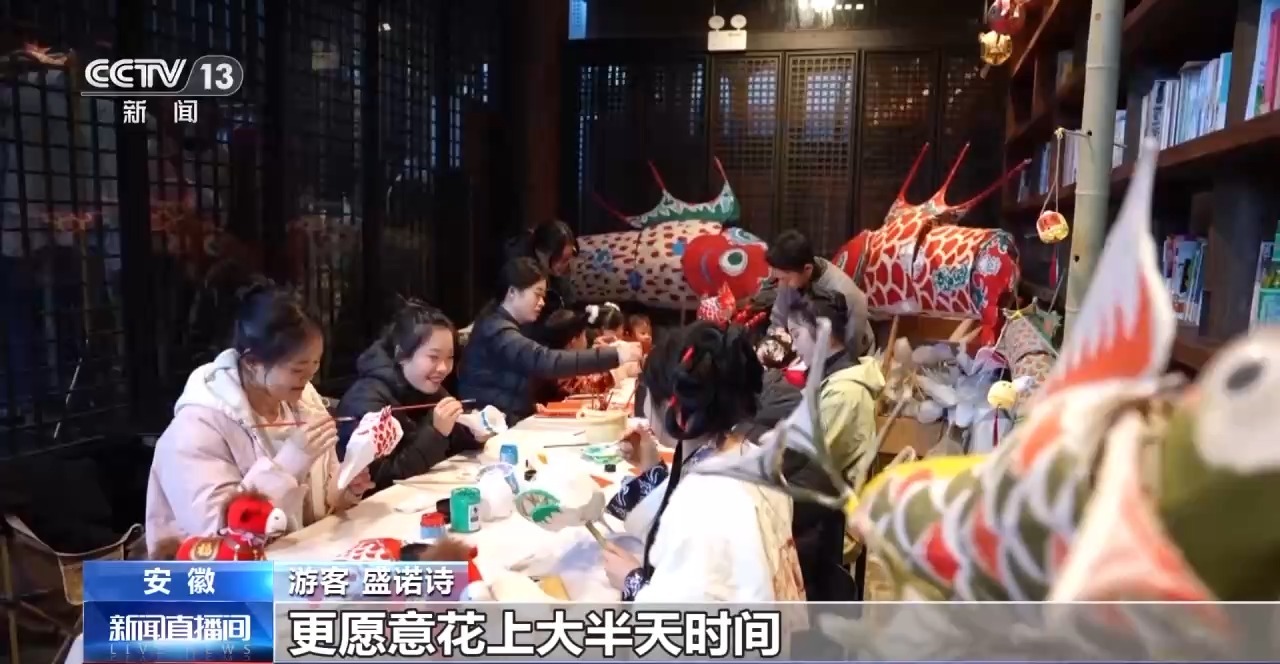
Group 1 - The holiday tourism sector is seen as a barometer of the national economy and a thermometer for social development, with a shift in tourist preferences from sightseeing to experiential travel [1] - During the New Year holiday, the ice and snow economy is thriving, with various events boosting regional economic development and a strong consumer potential emerging from diverse activities [4] - The post-00s generation is leading a change in travel preferences, favoring "slow enjoyment" experiences over traditional sightseeing, indicating a shift towards more meaningful travel [4][6] Group 2 - New travel trends such as "low-consumption tourism" are gaining popularity, focusing on comfort and reduced physical exertion, which enhances tourism spending [7] - The integration of culture and tourism is expanding the boundaries of travel, with combinations like "tourism + rural," "tourism + health," and "tourism + technology" becoming more common [9] - The concept of travel is evolving from merely visiting places to enjoying experiences, reflecting an upgrade in lifestyle and emotional value in travel [9] Group 3 - The term "Ben County" has become a keyword for travel, with county tourism heating up and local economies being revitalized through service and industry upgrades [10] - The "Guangde three-piece set" has sparked a trend for visitors to specifically travel for local food experiences, showcasing the potential for local culinary tourism [12] - Qinghai's Dato County is expected to receive over 100,000 tourists this snow season, highlighting the importance of improving local infrastructure and public services for tourism [14] Group 4 - Innovative tourism experiences are emerging, such as immersive cultural activities and hands-on traditional crafts, which are appealing to younger travelers [16] - The popularity of traditional culture is rising among young people, as seen in the increased sales of traditional products like handmade ink [20] - Technology is enhancing the experience of traditional culture, with interactive projects in places like Qufu, allowing visitors to engage with historical themes in a modern context [23][25]
推动文旅融合、调整农业结构、强化配套支撑 阿坝乡村搭建全域旅游大舞台
Si Chuan Ri Bao· 2026-01-04 03:58
Core Viewpoint - The recent cultural and tourism festivals in Aba Prefecture, Sichuan Province, highlight the region's rich natural beauty and cultural heritage, attracting a significant number of tourists and promoting rural revitalization through integrated tourism and agriculture [2][3][4][5]. Group 1: Cultural and Tourism Events - The 12th Autumn Rural Cultural Tourism Festival was held in Heishui County, showcasing local ethnic music and cultural heritage, which enhances the region's appeal to visitors [3][4]. - Aba Prefecture has become a national model for comprehensive tourism development, achieving full coverage of A-level scenic spots and hosting various cultural events that attract tourists from all over [2][4]. Group 2: Agricultural and Tourism Integration - The establishment of the International Mountain Agriculture Technology Innovation Alliance in Jiuzhaigou indicates the potential for agricultural development in the region, with a focus on integrating agriculture and tourism [5][6]. - Aba has seen the emergence of specialized agricultural clusters, including highland vegetables and unique livestock products, which are popular among tourists, contributing to the high-quality development of rural tourism [6]. Group 3: Regional Cooperation and Development - Collaborative efforts between Zhejiang Province and Aba Prefecture aim to enhance tourism through strategic partnerships, including the establishment of tourism routes and support for local tourism initiatives [7][8]. - The introduction of wellness tourism initiatives, such as the establishment of a health retreat base in the Four Girls Mountain Scenic Area, reflects the growing focus on tourism development in the region [8].

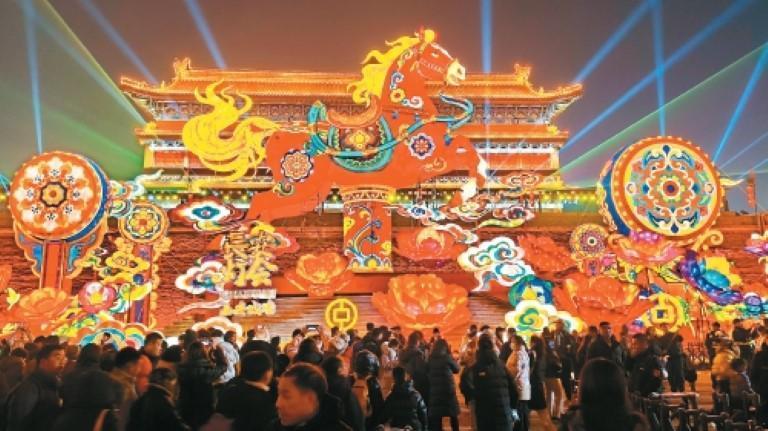
西安文旅消费迎来“开门红”
Xi An Ri Bao· 2026-01-04 03:01
Core Insights - The domestic tourism market in China experienced a strong start in 2026, with Xi'an emerging as one of the top ten popular tourist destinations, showing a 72% year-on-year increase in tourism orders [3] Group 1: Tourism Performance - Xi'an's cultural heritage and innovative tourism offerings contributed to its rise in popularity, ranking alongside major cities like Beijing and Shanghai [3] - Key attractions such as the Terracotta Army Museum, Shaanxi History Museum, and Xi'an City Wall led the tourism surge, with the "Chang'an Lantern Festival" becoming a highlight [4] - The festival featured over 50 national treasures and 39 famous Tang poems transformed into light displays, attracting significant visitor engagement [4] Group 2: Visitor Engagement and Activities - The popularity of the South Wutai Scenic Area surged, with over 8,000 visitors in two days, prompting a limit on visitor numbers [5] - New thematic street areas and winter activities, such as the "Chang'an Twelve Hours" theme street, enhanced visitor experiences with traditional cultural interactions [5] - Nighttime events, including countdown celebrations, became popular among younger tourists, establishing Xi'an as a key destination for New Year celebrations [5] Group 3: Policy and Market Dynamics - Xi'an's tourism growth is supported by various consumer promotion initiatives, including the 21st Xi'an New Year Goods Fair and "Chang'an Happy Shopping" events [6] - The city saw a 2.3% increase in sales for its popular cultural product "Rongmomo" during the New Year holiday compared to the previous year, indicating strong consumer interest [6] - The "00s" generation accounted for 39% of travel, showing a shift towards experiential and immersive travel preferences among younger demographics [6][7] Group 4: Visitor Feedback and Future Outlook - Local residents and visitors expressed positive sentiments about the cultural experiences offered in Xi'an, highlighting the significance of immersive activities [8] - The successful performance during the New Year holiday reflects Xi'an's strong cultural tourism appeal and market vitality, positioning it as a potential "world-class cultural tourism destination" [8]