技术创新

Search documents
凯格精机(301338) - 2025年11月27日-11月28日投资者关系活动记录表
2025-11-28 11:50
Group 1: Company Overview and Core Competencies - The company emphasizes "excellence in quality as the starting point of value and dignity, and meeting customer needs as the source of innovation and development" [3] - The company has established a research and development center focusing on common technology, with seven major technical modules including software engineering and mechanical engineering [3] - The company is recognized as a national high-tech enterprise and has achieved significant technological capabilities in solder paste printing equipment, surpassing international competitors [3] Group 2: Revenue Growth Factors - The company's revenue growth is primarily attributed to an increase in acceptance amounts for solder paste printing equipment [3] - Key factors driving demand in the electronic manufacturing industry include: - Expansion of AI investment, leading to strong growth in the AI server market [3] - Recovery in consumer electronics demand, with a 2.6% year-on-year increase in global smartphone shipments and a 9.4% increase in PC shipments in Q3 2025 [3] - Increased penetration of electric vehicles, driving demand for SMT equipment [4] Group 3: Market Position and Future Outlook - The company sees potential for increased market share in solder paste printing equipment, which is critical in PCB and electronic component applications [4] - The company has established a global marketing network and technical support system, with products sold in over 50 countries [4] - Future plans include expanding overseas market efforts to contribute to overall performance [4] Group 4: Product Applications - The company's solder paste printing and dispensing equipment are widely used in electronic manufacturing, particularly in the assembly of PCBs and electronic components [5] - Solder paste printing is a core process in SMT and COB technologies, essential for the electrical connection of components [5] - Dispensing equipment is crucial for ensuring the quality and longevity of electronic products through protective applications [5]

调研速递|扬州惠通科技接待睿华资本调研 双氧水业务政策红利释放 海外市场稳步拓展
Xin Lang Zheng Quan· 2025-11-28 11:41
Core Insights - Yangzhou Huitong Technology Co., Ltd. engaged in a specific investor survey with Ruihua Capital on November 28, 2025, discussing key topics such as gross margin, hydrogen peroxide business prospects, production and customer acquisition models, overseas market expansion, and core competitive advantages [1][2]. Company Overview - Established in 1998, Yangzhou Huitong Technology was listed on the Shenzhen Stock Exchange's Growth Enterprise Market in January 2025. The company specializes in high-end chemical engineering equipment and comprehensive technical solutions, focusing on polymer materials and hydrogen peroxide production [2]. - The company offers integrated solutions across various industries, including high-performance nylon (PA66), bio-based nylon (PA56), biodegradable materials (PBAT/PBS), polyester (PET), and hydrogen peroxide (H₂O₂) [2]. Gross Margin Influencing Factors - The company indicated that gross margins vary across its main business segments, which include equipment manufacturing, design consulting, and engineering contracting. Factors affecting gross margin include labor costs, raw material price fluctuations, market competition, business structure, and product sales prices [3]. Hydrogen Peroxide Business Opportunities - The company has made significant R&D breakthroughs in the hydrogen peroxide sector. A policy from the Ministry of Emergency Management in March 2024 mandates that new or expanded hydrogen peroxide projects must use fluidized bed technology, with existing non-fluidized bed production facilities required to upgrade by 2029. This policy is expected to create more market opportunities for the company [4]. Production and Customer Acquisition Strategies - The company has established three main operational models: equipment manufacturing, design consulting services, and engineering contracting (EPC). It employs an "order-based" procurement model tailored to customer needs. Sales primarily occur through direct sales, utilizing both technical and brand marketing strategies [5]. Overseas Market Expansion Plans - The company has incorporated overseas market development into its long-term strategy, having established a dedicated international business department to oversee market research, channel development, and customer relationship building. Progress in expanding overseas business is being made steadily [6]. Core Competitive Advantages - The company's core competitive advantages lie in technological innovation, customer resources, R&D and intellectual property, qualifications, and industry standards. It has received several honors, including being recognized as a national-level "specialized and innovative" key enterprise and a national intellectual property advantage enterprise [8].
惠通科技(301601) - 301601惠通科技投资者关系管理信息20251128
2025-11-28 11:18
| ☑特定对象调研 | | □分析师会议 | | --- | --- | --- | | | □媒体采访 | □业绩说明会 | | 投资者关系 | □新闻发布会 | □路演活动 | | 活动 类别 | □现场参观 | □其他 | | 参与单位名称 | 睿华资本:范从正、李萌萌 | | | 及 人员姓名 | | | | 时间 | 2025年11月28日 14:00-15:30 | | | 地点 | 公司会议室 | | | 上市公司接待 | 董事、副总经理、董事会秘书:陈廷飞 | | | 人 员姓名 | 证券部副经理、证券事务代表:王欢 | | | | 一、简要介绍公司情况 | | | | 公司成立于1998年,于2025年1月在深交所创业板上市,是一家 | | | | 专业的化学工程高端装备及产品整体技术方案提供商,主要从事高 | | | | 分子材料及双氧水生产领域的设备制造、设计咨询和工程总承包业 | | | | 务,服务于高性能尼龙(PA66)、生物基尼龙(PA56)、生物降解 | | | | 材料(PBAT/PBS)、聚酯(PET)和双氧水(H2O2)等行业,拥有 | | | | 化工石化医药行业(化工 ...
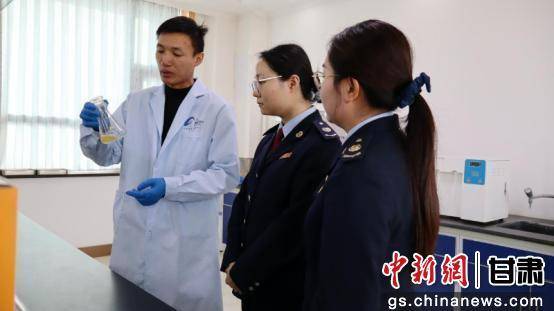
张掖税务:精准发力 驱动先进制造业创新提速
Sou Hu Cai Jing· 2025-11-28 09:15
Group 1 - Zhangye City Taxation Bureau focuses on the development needs of advanced manufacturing enterprises, implementing precise tax policies and personalized tax services to support green transformation and technological breakthroughs [1][2] - Gansu Fangzheng Energy-saving Technology Co., Ltd. produces 7 million cubic meters of high-purity natural gas annually from agricultural waste, benefiting from tax reductions totaling 720,000 yuan this year, which are reinvested into technology optimization [2][5] - The tax bureau provides efficient services through data-driven policy matching, ensuring enterprises can easily access and understand tax benefits, thus promoting a sustainable circular economy [2][5] Group 2 - Gansu Aolinbeier Biotechnology Group has become a leader in the bio-antimicrobial peptide industry, holding 11 effective patents and benefiting from a 15% corporate income tax rate, which is 10 percentage points lower than that of ordinary enterprises [5][7] - The company has invested in a modern R&D building of 1,756 square meters, equipped with over 120 advanced research devices, 82.5% of which are imported, attracting high-end talent and enhancing technical capabilities [5][7] - Tax authorities provide customized services, including real-time policy interpretations and solutions for R&D expense deductions, significantly reducing the financial pressure on innovation investments [5][7] Group 3 - Dagong Agricultural Chemical Co., Ltd. is recognized as a "single champion" in the green chemical sector, focusing on the development of efficient and low-toxicity pesticides while advancing traditional industries towards intelligent high-end transformation [6][7] - The company has received over 4.21 million yuan in R&D expense deductions and 18.9 million yuan in VAT refunds, alleviating financial pressures for building smart production lines [7] - Zhangye City Taxation Bureau aims to enhance tax services to support advanced manufacturing, ensuring timely policy implementation and seamless access to benefits for enterprises [6][7]

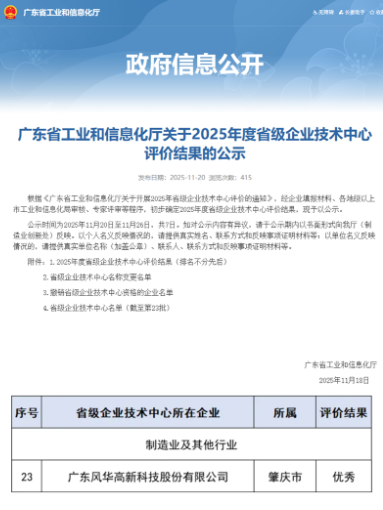
风华高科省级企业技术中心获评“优秀”,创新驱动彰显标杆实力
Jing Ji Wang· 2025-11-28 08:57
Core Viewpoint - Guangdong Fenghua High-tech Co., Ltd. has been rated as "Excellent" in the provincial enterprise technology center evaluation, highlighting its strong innovation capabilities and R&D system [1][3]. Group 1: Evaluation and Recognition - The provincial enterprise technology center evaluation serves as a benchmark for measuring a company's innovation strength in Guangdong, with scores of 90 and above classified as "Excellent" [4]. - Fenghua High-tech has received 27 national and provincial-level science and technology awards and holds 779 authorized patents, with over 50% being invention patents [5]. Group 2: Innovation and R&D - The company focuses on core technology breakthroughs, establishing a comprehensive innovation system that integrates material research, device manufacturing, and product application [5]. - The technology center has increased R&D investment and successfully developed critical technologies, reducing the cost of high-end raw materials by over 30% [5]. Group 3: Talent and Collaboration - The technology center has gathered over 500 dedicated R&D personnel, including industry-leading experts, and has established partnerships with top universities to create a collaborative innovation network [6]. - The company has invested over 100 million yuan in advanced R&D equipment and software systems, enhancing its innovation capabilities [6]. Group 4: Efficient Transformation of Results - The company has achieved efficient integration of technology R&D, pilot incubation, and mass production, with a monthly production capacity of over 80 billion chip resistors [8]. - Products developed, such as supercapacitors and temperature sensors, are widely used in emerging fields like photovoltaic energy storage and low-altitude economy, contributing to high-quality development in strategic emerging industries [8]. Group 5: Future Directions - The company plans to strengthen the strategic core position of its technology center, focusing on high-reliability, high-capacity, and high-precision core technologies to accelerate the transformation and industrial application of technological achievements [8].

金安国纪(002636) - 2025年11月27日投资者关系活动记录表
2025-11-28 07:58
Group 1: Investment Purpose and Background - The purpose of the private placement is to raise funds for a project with an annual production capacity of 40 million square meters of high-grade copper-clad laminates and the construction of a research and development center [2][4] - The background for this issuance is driven by industry policy support aimed at promoting high-quality development in the copper-clad laminate sector, responding to the rapid growth in demand from various industries such as consumer electronics, AI terminals, and new energy vehicles [2][4] Group 2: Market Trends and Demand - The demand for copper-clad laminates is increasing due to the rapid development of emerging industries, including new energy generation and storage, AI, and industrial electronics, which require higher standards for products [3][5] - The recovery of the consumer electronics sector is evident, with a notable increase in demand for high-grade copper-clad laminates driven by technological advancements and market needs [4][6] Group 3: Production Capacity and Future Plans - The current annual production capacity is approximately 6 million sheets, with plans to expand by adding two production lines in Ningguo, expected to be operational by July next year, which will increase capacity by 16 million sheets per year [6] - The new project from the private placement will add an additional 40 million square meters of high-grade copper-clad laminate capacity, enhancing the company's scale and market competitiveness [6] Group 4: R&D Center Development - The R&D center project aims to enhance the company's research capabilities by adding advanced research and precision testing equipment, thereby improving product performance verification efficiency and technology transfer capabilities [5] - The center will focus on new products, processes, and technologies, aligning with industry trends to support high-quality and cost-effective product development [5]

解码三一重能:风电龙头的突围与出海
21世纪经济报道· 2025-11-28 06:18
Core Viewpoint - The globalization narrative of China's wind power industry is shifting from "capacity output" to "ecological rooting," emphasizing the need for both hard technology and soft local ecological adaptation for successful overseas expansion [1][2]. Group 1: Technological and Ecological Adaptation - The wind power industry is capital, technology, and compliance-intensive, where success now relies on more than just turbine performance, but also on local regulations, ESG standards, and supply chain resilience [1][2]. - SANY Heavy Energy's approach exemplifies the integration of technology and ecological empowerment, showcasing a model for high-end manufacturing in China [1][2]. Group 2: Manufacturing and Innovation - SANY Heavy Energy's South Kou Industrial Park features advanced automation with over 75% automation rate, significantly improving production efficiency by nearly three times compared to traditional methods [6][9]. - The company has developed the world's largest six-degree-of-freedom wind turbine test platform, which is fully domestically sourced and capable of simulating complex wind field conditions [7][8]. Group 3: Market Dynamics and Future Outlook - The wind power industry is entering a new cycle, with a target of 1.2 million kilowatts of annual capacity addition during the 14th Five-Year Plan, indicating a phase of accelerated growth [11][12]. - SANY Heavy Energy has secured over 2 GW of overseas orders in the past year, with expectations for significant year-on-year growth in overall order value [14][16]. Group 4: Globalization Strategy - Since 2022, SANY Heavy Energy has established subsidiaries and localized marketing teams in key global markets, including Europe, South Asia, and Africa, to enhance its international presence [12][16]. - The company aims to implement a "core hub + regional node" supply chain structure to balance technology control and local responsiveness, which aligns with global best practices [15][16].


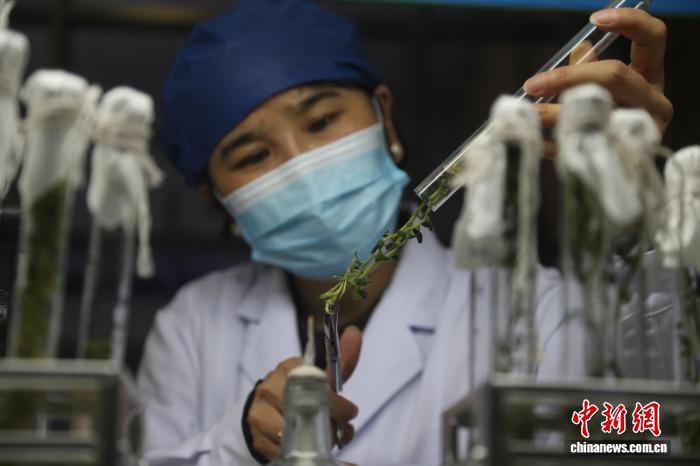
国家区域性马铃薯良种繁育基地年育微型薯300万粒
Zhong Guo Xin Wen Wang· 2025-11-27 23:35
Core Viewpoint - The article highlights the agricultural advancements in Huzhu County, Qinghai Province, focusing on the production of disease-free potato seedlings and the integration of technology and industry to enhance agricultural output [2][3][5][6][8][9][11] Group 1: Agricultural Production - Huzhu County serves as a national regional breeding base for high-quality potato varieties [2][3][5][6][8][9][11] - The county annually breeds 3 million micro-potatoes and produces 15,000 tons of quality seeds [2][3][5][6][8][9][11] - The quality seed potatoes support 100,000 acres of farmland in Qinghai Province [2][3][5][6][8][9][11] Group 2: Technological Innovation - The agricultural technology promotion center employs innovative techniques in the cultivation of disease-free potato seedlings [2][3][5][6][8][9][11] - The integration of technology and industry is emphasized as a key factor in enhancing agricultural productivity [2][3][5][6][8][9][11]
华为是追随型企业,罗永浩说得对吗?
3 6 Ke· 2025-11-27 23:29
Core Viewpoint - The discussion highlights the difference between innovative and follower companies, with a focus on the characteristics of Chinese and American enterprises, suggesting that many Chinese tech companies are more follower-oriented rather than truly innovative [1][3][25]. Group 1: Innovation Types - Innovative companies are often characterized by disruptive and pioneering innovations, while follower companies tend to build upon existing technologies and innovations [3][25]. - Chinese companies, despite significant R&D investments, are often seen as following the technological paths established by American firms, leading to a perception of lower innovation capability [3][10]. Group 2: Entrepreneurial Spirit - The lack of personal heroism and risk-taking among Chinese entrepreneurs is identified as a key factor differentiating them from their American counterparts, who often exhibit traits associated with personal heroism [4][7]. - The societal acceptance of risk-taking and individualism is lower in China, which impacts the willingness of entrepreneurs to pursue groundbreaking innovations [6][7]. Group 3: Institutional Support - The structure of corporate governance in the U.S., such as dual-class share structures, allows entrepreneurs like Elon Musk to maintain control and drive innovation, while Chinese companies are restricted by a "one share, one vote" system [9][10]. - Recent policy changes in China aim to support dual-class share structures, potentially fostering a more conducive environment for individual heroism in tech innovation [9][10]. Group 4: Economic and Technological Context - The economic development stage of a country significantly influences the characteristics of its enterprises, with China being in a different phase compared to the U.S., affecting innovation capabilities [10][11]. - Historical context plays a role in the current technological landscape, with foundational innovations occurring long before China's current tech advancements [12][13]. Group 5: Collective Innovation - China's approach to innovation often involves collective efforts and technology diffusion, leading to significant advancements in sectors like electric vehicles and solar energy, driven by government support and market demand [19][20]. - The combination of government policies and market competition has enabled Chinese companies to achieve global competitiveness, particularly in established technologies [20][21]. Group 6: Challenges of Over-Reliance on Technology - The rapid adoption of technologies like 5G has raised concerns about over-investment and the actual utility of such advancements for ordinary users, indicating a potential mismatch between technological progress and practical applications [22][23]. - The example of high-speed rail investments illustrates the risks of overextending resources without guaranteed profitability, highlighting the need for careful evaluation of technological investments [23][24].


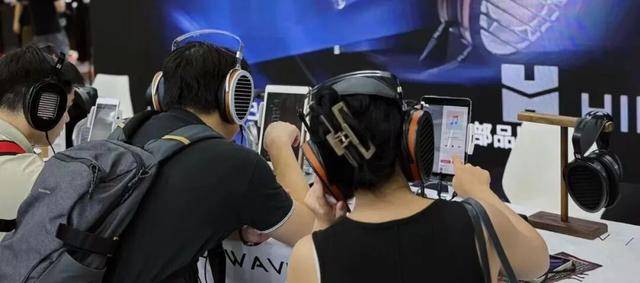
海菲曼冲击北交所IPO在即
Sou Hu Cai Jing· 2025-11-27 21:09
Company Overview - Heifiman Technology Group Co., Ltd. was founded in 2005 by Dr. Bian Fang and is a leading domestic high-end audio equipment brand in China, focusing on the R&D, production, sales, and service of key acoustic components [2] - The company plans to raise 430 million yuan through its listing on the Beijing Stock Exchange, with funds allocated for enhancing production capacity of advanced acoustic components, establishing a research center for monitoring-grade nano-diaphragms and industrial DAC chips, and building a global brand and operations headquarters [2] Financial Performance - For the first three quarters of 2025, Heifiman reported a revenue of 164 million yuan, representing a year-on-year growth of 13.23%, and a net profit of 50.35 million yuan, with a growth of 29.49% [3] - The significant increase in net profit compared to revenue growth indicates ongoing optimization in the company's operational quality [3] Technological Innovation - Heifiman holds a robust patent portfolio with 195 domestic patents (including 80 invention patents), 21 foreign patents, 29 software copyrights, and 5 works copyrights, which supports its technological breakthroughs [3] - The company emphasizes innovation in its R&D approach, focusing on the novelty of research direction and methods rather than just funding and personnel scale [3] Industry Context - The audio device industry in China has seen rapid growth, with the market size increasing from 30.53 billion yuan in 2019 to an estimated 45.64 billion yuan in 2024, with the consumer electronics sector accounting for 62% of this market [4] - Heifiman's strategic directions include "deep technological breakthroughs" and "extension of application scenarios," aiming to strengthen basic research in electroacoustics and explore cross-industry applications in health monitoring and smart home technologies [4] Future Outlook - With advancements in 5G and artificial intelligence, the audio industry is expected to experience broader application opportunities, positioning Chinese audio companies to transition from followers to leaders in the global market [5] - Heifiman aims to continuously lead industry upgrades through innovation, expanding the value boundaries of acoustic technology [5]