
元宇宙

Search documents
凯利普:互联网巨浪一场改写人类文明的双向奔赴
Sou Hu Cai Jing· 2025-09-06 08:08
Group 1: Solar Industry Development - The solar power industry has seen a rapid development, with costs decreasing by over 90% in the past decade, making it one of the most economical power generation methods [1] - Innovations such as high-efficiency PERC cells, heterojunction technology, and perovskite solar cells continue to enhance conversion efficiency [1] - Distributed solar power systems are transforming rooftops into micro power stations, while large solar power plants are being constructed in remote areas, creating a complete industrial chain and job opportunities [1] Group 2: Wind Energy Technology - Wind energy technology is advancing, with onshore wind turbines exceeding 6 megawatts and offshore wind turbines moving towards capacities over 10 megawatts [1] - Intelligent control systems allow wind turbines to automatically adjust their positions based on wind speed, maximizing energy capture [1] - The maturity of floating offshore wind technology enables the development of deep-sea wind resources [1] Group 3: Internet Empowerment in New Energy - The internet's role in the new energy sector has evolved beyond basic online monitoring, with AI algorithms enhancing solar panel efficiency by 12% in specific projects [3] - Virtual power plant platforms in Germany aggregate thousands of households' solar and storage devices for market participation [3] - China's State Grid's new energy cloud platform connects the largest scale of new energy station data globally, using machine learning to predict power generation with less than 3% error [3] Group 4: Energy and Internet Integration - Data centers, which account for 2% of global electricity consumption, are being transformed by renewable energy solutions, such as Microsoft's underwater cooling and Google's wind-powered data centers [3] - The proliferation of renewable energy is expected to facilitate a societal shift from a carbon-based economy to a silicon-based economy, supporting high-energy applications like the metaverse and AI models [3] Group 5: Industry Transformation through Internet - The Kellyp project leader has decided to leverage the internet for industry transformation, utilizing offline foundations and online channels for marketing through mini-programs and social media [5]

两区”建设五周年,北京丰台诞生多个“全国首创
Xin Jing Bao· 2025-09-05 14:13
Group 1 - The "Two Zones" construction in Fengtai District has achieved significant milestones over five years, with a total of 2,417 projects registered and 1,553 projects implemented, leading to multiple national innovations in the service industry [1][2] - Notable projects include the largest insurance company in China, Ruizhong Life, and the global cross-border payment company, Yifuda, establishing their headquarters in Fengtai [1] - Fengtai District has created 42 innovative cases in service industry reform, including the first individual online store to physical store registration change in the country and the first "Treasury + CIPS" electronic remittance business [1] Group 2 - The Lize Financial Business District has over 1,300 enterprises and has pioneered multiple digital RMB application scenarios [2] - The Zhongguancun Fengtai Park hosts nearly 23,000 enterprises, including 2,340 national high-tech enterprises and 34 listed companies, focusing on cutting-edge fields like satellite internet and low-altitude technology [2] - In 2024, the revenue of large-scale cultural industry units in Fengtai District reached 37.74 billion yuan, marking a significant milestone [2]
现在的火人节,还能激发硅谷精英的创造力吗?
Hu Xiu· 2025-09-05 08:57
Core Insights - The article discusses the evolution of the Burning Man festival and its deep connection to Silicon Valley's innovation culture, highlighting how it has influenced tech leaders and their approach to creativity and collaboration [5][20][48] Group 1: Historical Context - In 1999, investors pressured Google to hire a more experienced CEO, leading to the appointment of Eric Schmidt after a 16-month standoff with founders Larry Page and Sergey Brin [1][3] - The founders valued their control over the company and were influenced by their experiences at Burning Man, which they felt aligned with Google's corporate culture [2][10] Group 2: Burning Man's Influence - Burning Man promotes sharing and teamwork, which resonated with Google's founders, who saw it as a source of inspiration for their innovative culture [9][14] - The festival has become a cultural laboratory for tech leaders, including Elon Musk and Mark Zuckerberg, who seek inspiration and community [33][34] Group 3: Principles of Burning Man - The festival's ten principles, such as Radical Inclusion and Gifting, align closely with Silicon Valley's values of diversity, knowledge sharing, and social responsibility [23][25][29] - These principles foster an environment that encourages creativity, collaboration, and a sense of community among participants [28][30] Group 4: Recent Challenges - The 2023 Burning Man faced significant challenges, including severe weather that stranded participants, highlighting cultural tensions and the evolving nature of the festival [36][39] - Despite these challenges, the festival's core values of community spirit and self-reliance were demonstrated as participants helped each other during the crisis [40][41] Group 5: Future Perspectives - As technology evolves, Burning Man is becoming a testing ground for AI and other emerging technologies, prompting discussions on how to maintain human connection in a digital world [42][43] - The festival's role is shifting from a symbol of innovation to a complex ecosystem grappling with contradictions and self-reinvention [48][49]

陈博寒增持瓦普思瑞元宇宙8000万股 每股均价0.096港元
Zhi Tong Cai Jing· 2025-09-04 11:16
Group 1 - The latest data from the Hong Kong Stock Exchange indicates that on August 26, Chen Bohan increased his stake in Vapsreyuan Metaverse (08093) by acquiring 80 million shares at an average price of 0.096 HKD per share, totaling approximately 7.68 million HKD [1] - Following this acquisition, the total number of shares held by Chen Bohan is now 80 million, representing a holding percentage of 9.7% [1]
罗曼股份跌6.80%,成交额3.94亿元,近3日主力净流入-1.36亿
Xin Lang Cai Jing· 2025-09-04 08:00
Core Viewpoint - Roman Technology Co., Ltd. is experiencing a decline in stock price and trading volume, indicating potential investor concerns and market volatility [1][4]. Company Overview - Roman Technology Co., Ltd. was established on March 4, 1999, and went public on April 26, 2021. The company is located in Yangpu District, Shanghai, and specializes in landscape lighting planning, design, construction, and remote management services [7]. - The company's revenue composition includes 39.31% from digital entertainment, 38.10% from urban lighting, and 22.33% from intelligent energy [7]. Recent Developments - On June 8, 2023, the company announced it obtained exclusive domestic licensing rights for 22 proprietary technologies from UK-based Holovis, including spatial computing technology [2]. - The company has established a wholly-owned subsidiary, Shanghai Quanze New Energy Technology Co., Ltd., focusing on new energy technology and electric vehicle charging infrastructure since July 2020 [2]. Financial Performance - For the first half of 2025, Roman Technology reported revenue of 432 million yuan, a year-on-year increase of 72.92%, and a net profit attributable to shareholders of 13.23 million yuan, up 158.02% [8]. - The company has distributed a total of 79.45 million yuan in dividends since its A-share listing, with 27.44 million yuan in the last three years [9]. Market Activity - On September 4, 2023, the stock price of Roman Technology fell by 6.80%, with a trading volume of 394 million yuan and a turnover rate of 7.49%, leading to a total market capitalization of 5.232 billion yuan [1]. - The stock has seen a net outflow of 38.50 million yuan from major investors today, with a continuous reduction in holdings over the past three days [4][5]. Technical Analysis - The average trading cost of the stock is 44.09 yuan, with recent accumulation activity noted, although the strength of this accumulation is weak. The stock is approaching a support level of 46.50 yuan, which, if breached, could lead to further declines [6].

中国新技术加速落地 无人智能装备亮相阅兵
Zhong Guo Xin Wen Wang· 2025-09-03 15:01
Group 1 - The core viewpoint highlights the significant advancements in China's military technology, showcasing new equipment such as unmanned systems and advanced weaponry, reflecting the country's technological innovation capabilities [1][2][3] - The display of domestic military equipment at the recent parade symbolizes China's commitment to safeguarding national sovereignty and maintaining global peace [2][3] - The rise of China's defense technology industry mirrors the overall development trajectory of the nation, indicating a strong correlation between military advancements and national progress [3] Group 2 - Recent breakthroughs in artificial intelligence and robotics are accelerating the transformation of advanced technologies into practical applications, with a focus on creating a comprehensive ecosystem for smart products [4][6] - The report indicates that by mid-2025, China will have registered 439 large models across various industries, demonstrating the rapid growth of AI applications in sectors like healthcare, agriculture, and finance [7] - The industrial robot market in China is projected to reach sales of 302,000 units in 2024, maintaining its position as the largest industrial robot market globally for 12 consecutive years [7] Group 3 - The market for intelligent robotic dogs in China is expected to grow significantly over the next five years, with an annual compound growth rate of 37.5%, potentially exceeding 5 billion yuan [8] - The development of low-altitude equipment is advancing rapidly, with over 4 million units in operation and around 1,400 companies involved in the sector, emphasizing the trend towards unmanned, electric, and intelligent technologies [8] - The transition from technological breakthroughs to large-scale applications is evident, with AI expected to become ubiquitous across various industries, enhancing the practicality and intelligence of robots and unmanned services [8]
2025年AI玩具行业概览:多元场景渗透,儿童启蒙、成人悦己、老年陪护下的AI玩具市场新生态
Tou Bao Yan Jiu Yuan· 2025-09-03 12:31
Investment Rating - The report indicates a high investment interest in the AI toy industry, with a significant increase in financing events since 2024, marking it as a new capital pursuit area for investors [3][5]. Core Insights - The AI toy market is expected to grow rapidly, driven by technological advancements, policy support, and increased consumer demand. The market is projected to reach a scale of 79.78 billion yuan by 2030, with a compound annual growth rate (CAGR) of 48.3% from 2024 to 2030 [5][20]. - The market penetration rate for AI toys in China is anticipated to rise steadily from 5% in 2023 to over 30% by 2030, influenced by technological development and changing consumer needs [13][19]. Summary by Sections Market Overview - The AI toy market is diversifying its application scenarios, expanding from children's entertainment to adult companionship and elderly care, addressing various age groups and specific needs [6]. - The market is segmented into basic, mid-range, and high-end products, with high-end toys holding a larger market share in terms of sales value, while basic toys dominate in sales volume [16]. Market Size and Growth - The Chinese AI toy market is experiencing rapid growth, with a projected market size of 75.1 billion yuan in 2024, increasing to 797.8 billion yuan by 2030 [20]. - The growth is attributed to technological advancements, policy support, and significant capital investment, with 96 investment institutions entering the sector [5][20]. Competitive Landscape - The global AI toy market features four main types of participants: technology giants, traditional toy companies, IP resource crossovers, and emerging competitors. In China, technology giants and emerging players dominate the market [22][26]. - Major players include OpenAI, Mattel, Disney, and emerging companies like FoloToy, each employing different strategies to capture market share [28][29]. Future Trends - The AI toy industry is expected to integrate more with new technologies such as AIGC and the metaverse, leading to the emergence of new business models like Toy as a Service (TaaS) [5][20]. - The report highlights the potential for deep integration within the industry, with traditional toy manufacturers acquiring technology capabilities to enhance their product offerings [5][20].
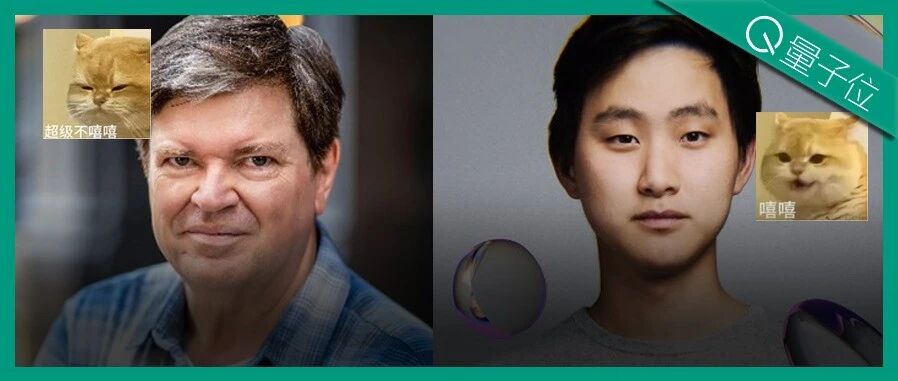
LeCun今后发论文得亚历山大王批准!Meta搞出大无语操作
量子位· 2025-09-02 10:45
Core Viewpoint - Meta has announced a significant internal policy change requiring that all papers from its AI research division, FAIR, must be reviewed by the TBD lab before publication, indicating a shift in control and oversight within the company's AI research structure [1][7][10]. Group 1: Internal Policy Changes - The new policy mandates that any paper from FAIR must undergo evaluation by TBD, which is led by Meta's Chief AI Officer, Alexandr Wang [1][7][16]. - If TBD assesses a paper as valuable, it can be withheld from publication, and the authors will be required to apply the proposed technologies in Meta's products before returning to their regular work at FAIR [8][10][11]. - This move has caused unrest within FAIR, with some employees reportedly leaving for other AI startups due to dissatisfaction with the new regulations [12][26]. Group 2: Organizational Structure and Leadership - Following a recent reorganization, Meta's AI department is divided into four main divisions, with TBD and FAIR being parallel rather than hierarchical [15][16][18]. - Alexandr Wang, who oversees TBD, is perceived to have been given a higher position within the company, as he announced the reorganization under his name rather than Mark Zuckerberg's [22][42]. - The leadership of FAIR is currently held by Rob Fergus, who co-founded the division and returned to Meta after a stint at Google DeepMind [19][20]. Group 3: Implications for Research and Development - The new policy represents a significant shift in how research is conducted within Meta, as it imposes external oversight on what was previously an independent research environment [38][39]. - The idealistic vision of open research at Meta is being compromised, as the focus shifts towards immediate application and results-driven outcomes [38][40]. - The aggressive approach taken by Wang mirrors Zuckerberg's earlier strategies, suggesting a continuation of a results-oriented culture within Meta's AI initiatives [27][42].

Meta越来越需要信仰了
3 6 Ke· 2025-09-02 10:41
Group 1 - The article discusses the competitive landscape in Silicon Valley, particularly focusing on Meta's aggressive hiring strategy to attract top AI talent, which has led to significant salary disparities between new and existing employees [1][3][5] - Meta's CEO Mark Zuckerberg's obsession with the metaverse has resulted in substantial financial losses, with Reality Labs burning through nearly $30 billion over several years, while the flagship product Horizon Worlds struggled to gain user traction [3][4][12] - The shift towards AI as a primary focus for Meta is seen as a desperate attempt to salvage the company's reputation and future, with the establishment of the Meta Superintelligence Lab aimed at developing advanced AI systems [5][7][12] Group 2 - The article highlights the cultural clash within Meta, where a KPI-driven approach conflicts with the long-term vision required for top-tier AI research, leading to dissatisfaction among employees [7][14] - The rivalry between Zuckerberg and Elon Musk is portrayed as a public spectacle, while behind the scenes, both are engaged in strategic maneuvers to counter the dominance of OpenAI [8][10] - Internal strife within Meta is exacerbated by differing philosophies on AI development, particularly between the newly hired talent and existing leadership, resulting in a fragmented organizational structure [10][12][18] Group 3 - Meta has recently paused hiring to establish a more structured approach for its AI initiatives, indicating underlying chaos within the organization despite outwardly polished public relations statements [15][17] - Zuckerberg's leadership style, characterized by a strong grip on power and a lack of genuine social engagement, is critiqued as being counterproductive to fostering a collaborative work environment [16][18] - The article concludes with a reflection on the challenges Meta faces in retaining talent and building a cohesive culture, questioning how the company can instill a sense of purpose in its AI endeavors amidst financial and operational turmoil [18]
华尔街到陆家嘴精选|美股能否打破 9月季节性“魔咒”?Meta首款消费级智能眼镜要来了?金价能否再创新高?
Di Yi Cai Jing· 2025-09-02 01:14
Group 1: US Stock Market Trends - The US stock market has been rising since April, driven by optimism around AI's commercial potential, despite ongoing inflation concerns [1][2] - Historical data indicates that the stock market often performs poorly in September due to institutional investors adjusting positions and increased volatility [1] - The upcoming US labor market report is expected to provide insights into economic health and test investor confidence in the Federal Reserve's interest rate cuts [1][2] Group 2: Meta's Upcoming Product Launch - Meta is set to unveil its first consumer-grade smart glasses at the Connect conference on September 18, with a focus on AR/AI applications [3] - The smart glasses, codenamed "Hypernova," are expected to retail for around $800 and feature a heads-up display [3] - Meta's significant investment in R&D, accounting for over 25% of its revenue, aims to enhance consumer experience and diversify its business [4] Group 3: Gold and Silver Market Dynamics - Gold prices are nearing historical highs, with COMEX gold futures reaching $3,557.1 per ounce, while silver has surpassed $40 per ounce for the first time since 2011 [5][6] - Increased demand for gold is driven by ETF inflows and central bank purchases, with 95% of surveyed central banks indicating a willingness to increase gold holdings [6] - The anticipated interest rate cuts by the Federal Reserve and potential dollar depreciation are expected to sustain the upward trend in gold prices [6][7]
