医保基金监管

Search documents
新泰市人民医院在全省医保基金监管稽核政策座谈研讨会上作交流发言
Qi Lu Wan Bao Wang· 2025-08-11 05:44
Core Viewpoint - The meeting focused on the implementation of national and provincial medical insurance fund supervision policies, emphasizing the importance of regulatory compliance for the high-quality development of hospitals [1] Group 1: Payment Reform and Cost Management - The hospital is promoting standardized diagnosis and treatment and refined cost management through three measures: 1. Standardizing treatment behaviors by monitoring clinical pathways and insurance payment standards, aiming for a DIP payment rate of around 80% by mid-2025 [2] 2. Strengthening cost control, achieving a 7.08% reduction in average costs per case and a 9.39% decrease in patient out-of-pocket expenses, with a total savings of 183 million yuan in medical insurance funds from drug and consumable procurement [2] 3. Establishing a self-inspection mechanism to enhance fund security, reducing unreasonable charges by 7.86 million yuan annually [2] Group 2: Performance Distribution Optimization - The hospital is implementing differentiated assessments for medical insurance indicators, setting thresholds based on departmental disease characteristics and providing positive incentives, along with a dynamic data feedback mechanism to assist in clinical adjustments [3] Group 3: Recommendations for Regular Supervision - The establishment of a "supervision-hospital" collaborative mechanism is recommended to enhance risk prevention capabilities through training and case sharing, alongside the promotion of intelligent regulatory tools to improve self-inspection efficiency at the grassroots level [4] - The meeting was guided by the provincial medical insurance bureau, with representatives from various medical insurance bureaus and over forty designated medical institutions, highlighting the hospital's innovative "regulation embedded in service" model [4]
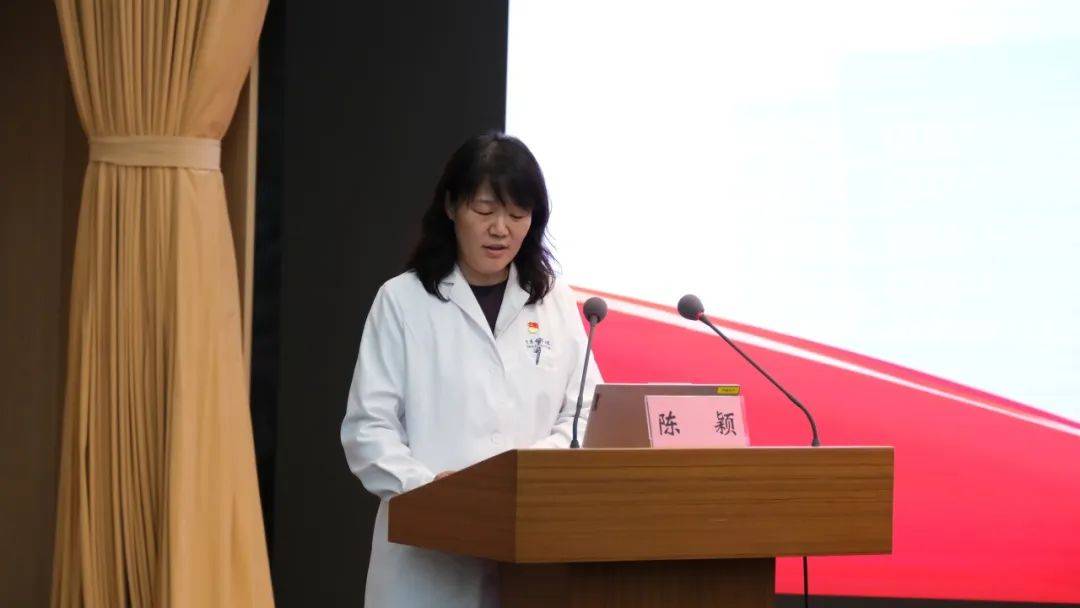
北京安贞医院2025年医保工作大会圆满召开
Sou Hu Cai Jing· 2025-07-30 09:35
Core Points - The Beijing Anzhen Hospital held a conference on July 28, 2023, to promote the "Standardized Diagnosis and Treatment Behavior, Reasonable Use of Medical Insurance Fund" initiative for 2025, in line with the directives from the central government [1][15] - The conference aimed to enhance the management of medical insurance funds and ensure their safe and reasonable use, addressing issues of corruption and improper practices in medical services [1][9] Group 1 - The hospital established a "Responsibility Letter for Standardized Diagnosis and Reasonable Billing" in accordance with the requirements of the Beijing Medical Insurance Service Agreement [3] - Representatives from five party branches signed the responsibility letter, committing to prioritize the safety of medical insurance funds alongside medical safety [3] - The hospital recognized 10 individuals as "Outstanding Medical Insurance Managers" and 10 as "Outstanding Price Managers" for their proactive and responsible work in managing medical insurance risks [3] Group 2 - The hospital's Vice President, Cai Jun, highlighted the establishment of a smart, professional, and standardized medical insurance management system, which has improved staff awareness of policies and risk management [7] - The hospital's Party Secretary, Zhang Hongjia, emphasized the importance of understanding the complexity and sensitivity of medical insurance work, urging strict adherence to regulations and the establishment of a robust management system [9] - A report on the practical enforcement of medical insurance fund supervision was presented, warning against fraudulent practices and emphasizing the need for professional integrity [11] Group 3 - Training sessions were conducted on topics such as standardized diagnosis behavior, medical insurance payment qualification management, and pricing billing [14] - The conference aimed to promote legal, compliant, and reasonable diagnostic services across all clinical and technical departments, reinforcing the responsibilities of department heads and medical staff [14] - The hospital plans to continue guiding staff to adhere to diagnostic norms and protect the integrity of the medical insurance fund, ensuring patient rights are upheld [14]

山西朔州市财政局:加强医保基金监管 守好群众“看病钱”
Zhong Guo Fa Zhan Wang· 2025-07-28 08:37
Group 1 - The core viewpoint emphasizes the importance of strengthening medical insurance fund supervision and combating fraud to ensure sustainable operation of the fund and enhance public access to medical services [1] - The city of Shuozhou has implemented a monthly reconciliation mechanism between the finance and medical insurance agencies to monitor fund inflows and outflows through data comparison and dynamic analysis [1] - A dual regulatory model combining self-inspection and focused verification has been adopted to enhance the effectiveness of fund supervision, with local financial departments conducting thorough self-checks across 616 designated medical institutions [1] Group 2 - The management of medical insurance fund revenues and expenditures has been integrated into a performance management system, focusing on the effectiveness of fund usage and the coverage of benefits to the public [2] - A dual-track model of "key performance evaluation and dynamic process monitoring" has been introduced to assess compliance and effectiveness in fund usage, linking evaluation results to budget adjustments and policy optimization [2]
医保五年累计支出12万亿,长护险全国推广预期增强
第一财经· 2025-07-25 02:48
Core Viewpoint - The article discusses the achievements and future plans of China's medical insurance system during the "14th Five-Year Plan" period, highlighting improvements in coverage, fund management, and the introduction of long-term care insurance [1][3]. Group 1: Medical Insurance Coverage - The national basic medical insurance coverage rate remains stable at around 95%, with a cumulative expenditure of 12.13 trillion yuan, averaging an annual growth rate of 9.1% [1][3]. - By 2024, the number of people covered by basic medical insurance is expected to reach 1.327 billion, with long-term care insurance coverage at 190 million [1][3]. - The direct settlement rate for cross-provincial medical expenses exceeds 90%, and the national medical insurance drug list has been unified, totaling 3,159 types of drugs [1][3]. Group 2: Long-Term Care Insurance - The long-term care insurance system is expected to be implemented nationwide soon, as the current pilot programs have shown positive results [4][7]. - As of June 2025, 253 million people are participating in maternity insurance, with cumulative expenditures of 438.3 billion yuan, benefiting 96.14 million people [6]. - The long-term care insurance aims to alleviate the financial burden of daily care for elderly individuals who have lost their ability to care for themselves, addressing the increasing demand for elderly care services [6][7]. Group 3: Fund Management and Regulation - The medical insurance fund is under increasing pressure, and the focus will be on ensuring fund safety and risk assessment during the "15th Five-Year Plan" period [4][8]. - The reform of payment methods has transitioned from a "post-payment" to a "pre-payment" system, promoting efficiency in medical institutions and reducing patient out-of-pocket expenses by approximately 5% year-on-year [9][10]. - The National Medical Insurance Administration has intensified efforts to combat fraud and misuse of medical insurance funds, recovering 16.13 billion yuan in the first half of the year through inspections of 335,000 medical institutions [10][11]. Group 4: Drug Price Governance - The article emphasizes the importance of drug price governance, with the government supporting market-driven pricing while also maintaining oversight to prevent price manipulation [12][13]. - Since 2018, the government has conducted 10 rounds of centralized drug procurement, covering 435 types of drugs, which has helped lower drug prices and improve accessibility [13][14]. - The National Medical Insurance Administration is committed to ensuring fair pricing practices and encourages public reporting of unusually high drug prices [14].
管好用好处方“一支笔”(无影灯)
Ren Min Ri Bao· 2025-07-25 02:24
Group 1 - The National Medical Insurance Administration (NMIA) has intensified the regulation of medical insurance funds by holding individuals accountable for violations, marking a shift from solely punishing institutions to also targeting responsible personnel [1][2] - A case in Jiangxi Province highlighted this approach, where individuals involved in fraudulent activities were penalized with points against their medical insurance payment qualifications, indicating a more stringent accountability system [1] - The introduction of a point-based management system for medical insurance payment qualifications aims to enhance the precision and deterrent effect of regulatory measures, extending oversight to specific individuals within medical institutions [2][3] Group 2 - The regulatory framework emphasizes a balanced approach, combining education and punishment, with mechanisms in place to protect the rights of medical personnel while ensuring accountability [3] - Various provinces have implemented dynamic responsibility recognition mechanisms to ensure that accountability is accurately assigned, preventing generalized or superficial handling of violations [3] - The overarching goal is to ensure the proper and compliant use of medical insurance funds, which are critical for the health and well-being of over 1.3 billion insured individuals in the country [2][3]
集采报价持续优化;天津医保局原党组成员、副局长被查
2 1 Shi Ji Jing Ji Bao Dao· 2025-07-25 01:13
Policy Developments - The National Healthcare Security Administration (NHSA) has initiated the 11th batch of centralized procurement, optimizing the selection rules by no longer solely relying on the lowest bid as a reference. Companies with the lowest bids must now justify the reasonableness of their pricing and ensure it does not fall below cost [2] Drug and Medical Device Approvals - Senxuan Pharmaceutical's subsidiary has received approval for the market launch of Ritonavir raw materials, an antiviral drug primarily used for treating AIDS and also utilized during the COVID-19 pandemic [4] - Hengrui Medicine's subsidiary has received a clinical trial approval notice for the injectable HRS8179 drug, aimed at preventing severe brain edema after large-scale cerebral infarction. The project has seen a cumulative R&D investment of approximately 47.4 million yuan [5] Financial Reports - Sino Medical anticipates a 296.54% year-on-year increase in net profit for the first half of 2025, with expected revenue of 240 million yuan, reflecting a 12.53% growth [7] - WuXi Biologics forecasts a revenue growth of about 16% for the first half of the year, with profits expected to increase by approximately 54% and 56% for the company and its equity shareholders, respectively [8] Capital Markets - Lianhuan Pharmaceutical plans to issue up to 500 million yuan in technology innovation bonds to enhance R&D capabilities and optimize its debt structure. The bonds will be publicly issued with a term of no more than three years [10] Industry Developments - The NHSA has reported that over 100 drug varieties have applied to be included in the commercial health insurance innovative drug directory, which aims to incorporate high-value innovative drugs that cannot yet be included in the basic medical insurance directory [12] - As of the end of 2024, the cumulative recovery of medical insurance funds has reached 104.5 billion yuan, with a total balance of 3.86 trillion yuan in the insurance fund [14]



“十四五”时期医保基金累计支出超十二万亿元 减轻看病负担 加强基金监管(权威发布·高质量完成“十四五”规划)
Ren Min Ri Bao· 2025-07-24 22:27
Core Insights - The article discusses the significant advancements and reforms in China's medical insurance system during the "14th Five-Year Plan" period, emphasizing the focus on improving public health and reducing medical costs for citizens [1][2]. Group 1: Medical Insurance Coverage - By 2024, the number of people covered by basic medical insurance is expected to reach 1.327 billion, with a stable participation rate of around 95% during the "14th Five-Year Plan" [1][2]. - Nearly 20 billion medical insurance reimbursements are anticipated from 2021 to 2024, with 2024 figures projected to be 1.6 times that of 2020 [2]. Group 2: Support for Specific Demographics - As of June this year, 253 million people are enrolled in maternity insurance, with cumulative expenditures reaching 438.3 billion yuan, benefiting over 96.14 million instances [2]. - The long-term care insurance system is being established, with 190 million participants expected by the end of 2024, and over 95% of village clinics included in the insurance network [2]. Group 3: Healthcare Accessibility and Efficiency - The number of designated medical institutions for insurance has reached 1.1 million, and the direct settlement rate for cross-province hospitalizations is around 90% [3][5]. - The implementation of a unified national medical insurance information platform has improved service efficiency, with over 1.236 billion people using medical insurance codes for direct settlement [4][5]. Group 4: Fund Security and Regulation - The cumulative recovery of medical insurance funds has reached 104.5 billion yuan during the "14th Five-Year Plan," with a total fund balance of 3.86 trillion yuan expected by the end of 2024 [6][7]. - The National Medical Insurance Bureau has intensified supervision and regulation, conducting inspections on 335,000 medical institutions and recovering 16.13 billion yuan in funds in the first half of this year [6][7].
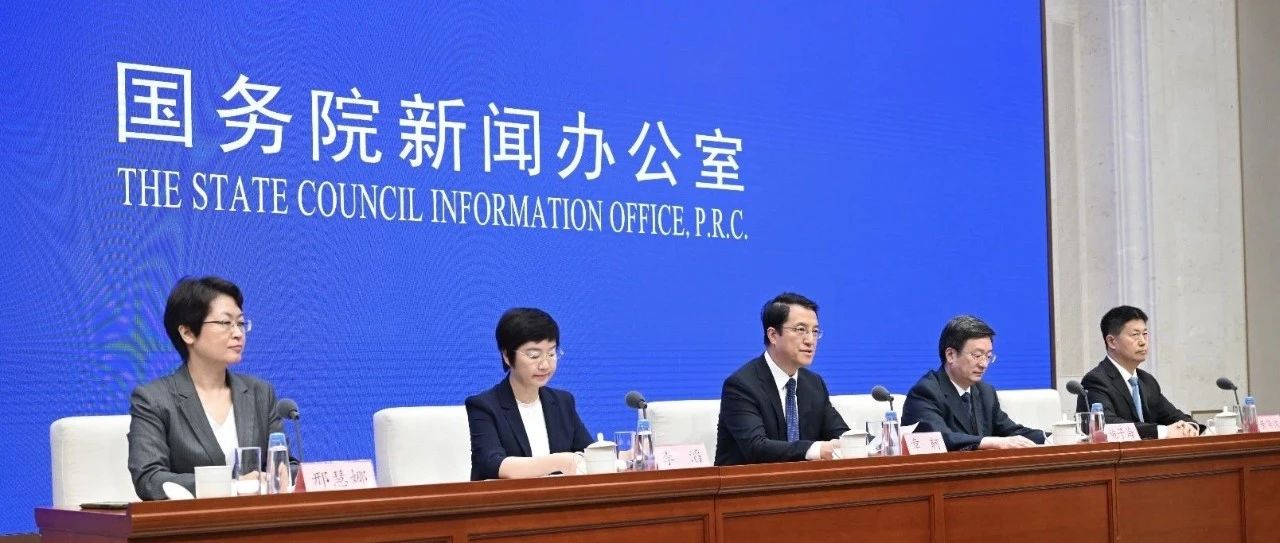
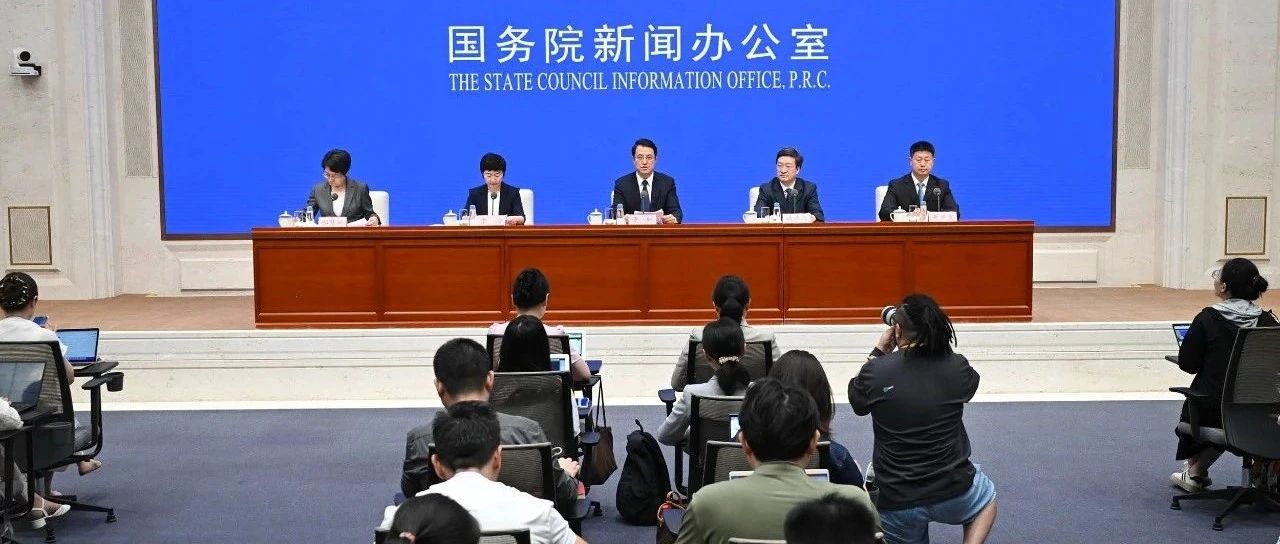
高质量完成“十四五”规划|减轻百姓看病负担 加强基金监管力度——国新办发布会聚焦我国“十四五”时期医保改革
Xin Hua She· 2025-07-24 12:55
Core Viewpoint - The article emphasizes the ongoing reforms in China's medical insurance system during the "14th Five-Year Plan" period, focusing on reducing the financial burden on citizens and enhancing the regulatory framework for medical insurance funds [1]. Group 1: Medical Insurance Coverage - The national basic medical insurance coverage rate remains stable at around 95%, with an expected 1.327 billion people insured by 2024 [2]. - Nearly 200 billion medical visits have been reimbursed through insurance from 2021 to 2024, benefiting 3.5 billion low-income individuals through medical assistance programs [2]. Group 2: Support for Vulnerable Groups - Measures have been implemented to enhance support for children and the elderly, including the establishment of a long-term care insurance system, with 190 million participants expected by the end of 2024 [3]. - The maternity insurance program has seen participation from 253 million individuals, with over 96 million enjoying benefits [3]. Group 3: Financial Impact of Medical Insurance - Cumulative medical insurance fund expenditures reached 12.13 trillion yuan, with an annual growth rate of 9.1% [4]. - Spending on innovative drugs has significantly increased, with 2024 expenditures projected to be 3.9 times that of 2020, reflecting a 40% annual growth rate [4]. Group 4: Reducing Medical Costs - Policies have reduced the financial burden on low-income rural populations by over 650 billion yuan during the "14th Five-Year Plan" [5]. - A total of 402 new drugs have been added to the insurance coverage list, and price regulation efforts have standardized over 27,000 drug specifications [5]. Group 5: Enhancements in Medical Services - Cross-province medical services have been improved, allowing for direct settlement of outpatient chronic disease treatments for 10 types of conditions [7]. - The establishment of a "15-minute medical service circle" aims to enhance accessibility, with over 1.236 billion people using medical insurance codes for direct settlement [7]. Group 6: Fund Security and Regulation - The cumulative balance of the medical insurance fund reached 3.86 trillion yuan by the end of 2024, with ongoing monitoring to ensure stable operations [8]. - Innovative regulatory measures, including big data analysis, have led to the recovery of 10.45 billion yuan in misused funds [8][9].
“十四五”医保成绩单发布,医保基金累计支出超12万亿元
第一财经· 2025-07-24 08:41
Core Viewpoint - The article highlights the achievements and future plans of China's medical insurance system during the "14th Five-Year Plan" period, emphasizing the stability and expansion of coverage, the financial support for the healthcare industry, and the ongoing reforms to improve the quality and efficiency of medical services [1][2]. Group 1: Medical Insurance Coverage and Financial Support - The basic medical insurance coverage rate has remained stable at around 95%, with 1.327 billion people enrolled in 2024 [1][3]. - Cumulative medical insurance fund expenditure reached 12.13 trillion yuan, with an annual growth rate of 9.1%, providing robust financial support for healthcare services [1][2]. - Nearly 200 billion medical insurance reimbursements were utilized by patients from 2021 to 2024, marking a 1.6 times increase compared to 2020 [3]. Group 2: Multi-tiered Medical Security System - A multi-tiered medical security system is being established, consisting of a unified medical insurance information platform, basic medical insurance, critical illness insurance, and medical assistance [4]. - As of June 2025, 253 million people participated in maternity insurance, with cumulative expenditures of 438.3 billion yuan [4]. - Long-term care insurance has covered 190 million people, addressing the care needs of disabled individuals [5]. Group 3: Regulation and Management of Medical Insurance Funds - The National Medical Insurance Administration has intensified efforts to regulate medical insurance funds, focusing on reducing fraud and ensuring proper fund usage [6][7]. - In the first half of the year, 335,000 medical institutions were inspected, recovering 16.13 billion yuan in misused funds [7]. - The administration has implemented data-driven approaches to enhance the precision of fund management and fraud detection [7]. Group 4: Drug Price Governance - Drug pricing remains a significant concern, with the government encouraging market-driven pricing while maintaining oversight to prevent price manipulation [9][10]. - Since 2018, ten rounds of centralized drug procurement have been conducted, covering 435 drugs, which has helped lower drug prices and improve accessibility [11]. - The administration has taken measures to address abnormal drug pricing, urging companies to adhere to fair pricing practices [12].
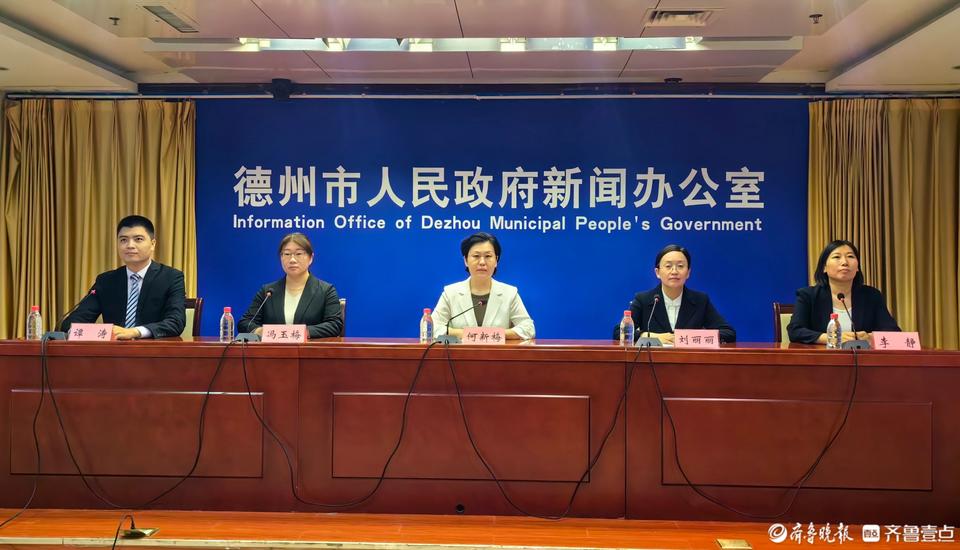
服务提质、监管增效……2025上半年德州医保工作亮点纷呈
Qi Lu Wan Bao Wang· 2025-07-24 08:24
Core Viewpoint - The medical insurance system in Dezhou has shown significant progress in the first half of 2025, with various initiatives enhancing the public's sense of security regarding medical insurance [3][4][12]. Group 1: Medical Insurance Fund Performance - In the first half of 2025, the total income of the city's medical insurance fund was 3.886 billion, while total expenditure reached 4.607 billion, resulting in a cumulative balance of 7.352 billion [4]. - The employee medical insurance fund generated an income of 2.349 billion, a year-on-year increase of 6.68%, with expenditures of 1.991 billion, up 3.54% [4]. - The resident medical insurance fund had an income of 1.537 billion and expenditures of 2.616 billion, with a budget execution rate of 54.81% [4]. Group 2: Healthcare Reform and Initiatives - The city has implemented a "Three Medical Linkage + Traditional Chinese Medicine" reform, resulting in savings of 755 million from drug and consumable procurement [5]. - The "Dezhou Huimin Bao" commercial insurance program has seen participation from 334,800 individuals by the end of June [5]. - The city has expanded the number of designated medical institutions for traditional Chinese medicine from 81 to 115 [5]. Group 3: Service Capability Enhancement - The medical insurance settlement process has been optimized, reducing the settlement cycle to 15 working days [6]. - The city aims to cover 5.074 million insured individuals by 2025, with an additional 49,500 new participants this year [6]. - The online processing of medical expense reimbursements reached 12.2045 million cases in the first half of the year [6]. Group 4: Fund Supervision and Management - The city recovered and returned 22.1135 million in medical insurance funds and imposed administrative penalties totaling 3.4545 million in the first half of the year [8]. - A credit and joint supervision system has been established to manage the qualifications of personnel in designated medical institutions [9]. Group 5: Ongoing Reforms and Innovations - The city has implemented reforms in major disease medical insurance and assistance systems, benefiting 110,100 individuals with a total expenditure of 43.0352 million [10]. - The average hospitalization cost has decreased by 6.57% compared to the previous year, with personal hospitalization burdens reduced by 6.84% [10]. - The city has introduced a unified major disease insurance fund, saving 85 million in resident fund expenditures [11]. Group 6: Future Directions - The medical insurance bureau plans to continue deepening reforms and ensuring comprehensive coverage for the population, aiming to enhance the quality of medical insurance services [12].