轻资产

Search documents
“包租公”生意也不好做,7大指标解析家居卖场财报!
3 6 Ke· 2025-05-16 04:12
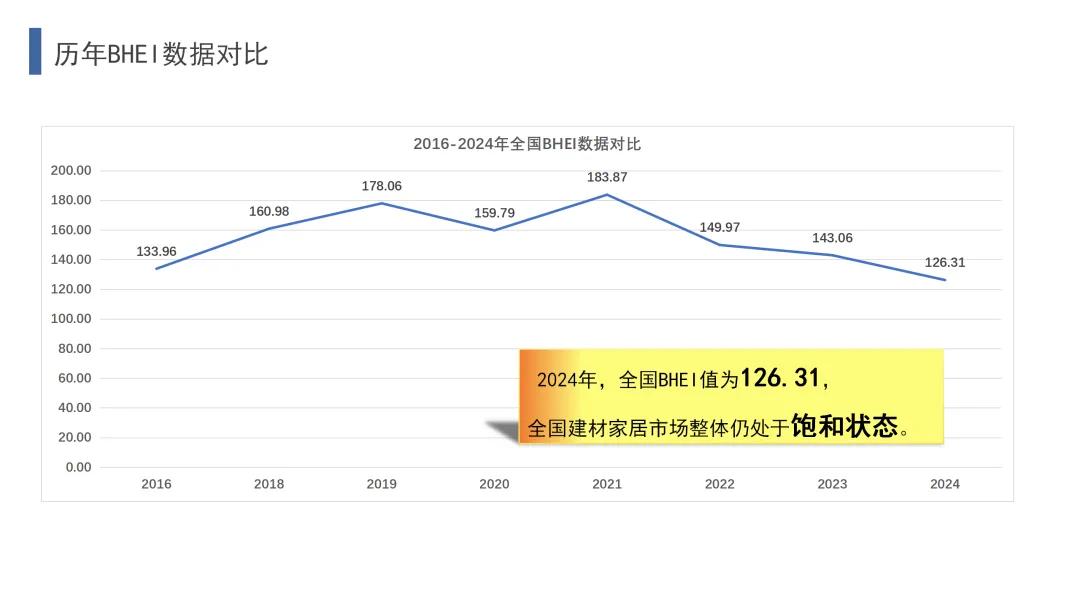
Core Viewpoint - The home furnishing market, referred to as "landlords" in the industry, is facing increasing challenges due to a downturn in the real estate sector, leading to saturated markets and high operational costs, which dilute profits [1] Group 1: Market Performance - The building materials and home furnishing market in China experienced a sales decline of 3.85% in 2024, with total sales amounting to 1.49 trillion yuan [2] - The market area for large-scale building materials and home furnishing has seen negative growth for three consecutive years, with a decrease from 23,093 million square meters in 2022 to 20,495 million square meters in 2024, reflecting a decline of 9.55% [5] Group 2: Company Revenue and Profitability - Major listed companies in the home furnishing sector, including Red Star Macalline, Juran Smart Home, and Fusenmei, all reported revenue declines in 2024, with the most affected company experiencing a 32.08% drop [9] - Fusenmei, despite having a smaller revenue scale, achieved a net profit of 6.90 billion yuan, with a net profit margin of 49.14%, outperforming its peers [12][15] Group 3: Cost Structure and Debt Levels - Red Star Macalline and Juran Smart Home faced significant net profit declines due to high operational costs, with Red Star's total operating cost reaching 8.21 billion yuan and a total cost rate of 105% [16] - Fusenmei maintained a strong profitability largely due to effective cost control, with total operating costs of only 6.33 billion yuan, representing 44.30% of total revenue [18] - Juran Smart Home has a high interest-bearing debt ratio of 71.83%, indicating a significant portion of its debt incurs interest [22] Group 4: Asset Management and Future Strategies - Red Star Macalline's investment properties accounted for over 80% of its total assets, while Fusenmei operated with a lighter asset model, with investment properties making up only 28.28% of its total assets [28] - Companies are adopting various strategies to address operational challenges, including transitioning to a "light asset, heavy operation" model and enhancing digital recruitment systems to improve efficiency [32][34]


旭辉境外债务重组已进入“最关键阶段”,林中致歉债权人
Hua Xia Shi Bao· 2025-05-15 09:55
Group 1: Core Insights - CIFI Holdings is undergoing a debt restructuring process involving a total principal of approximately $6.8 billion, which includes $4.49 billion in senior bonds, perpetual bonds, convertible bonds, and $2.31 billion in overseas loans [1][2] - The restructuring plan offers five options for creditors, focusing on debt reduction, equity conversion, and interest rate adjustments [2][3] - The company aims to shift its development model from a "high leverage, high risk" approach to a "low debt, light asset, high quality" strategy post-restructuring [1][4] Group 2: Financial Position - As of the end of 2024, CIFI Holdings has interest-bearing liabilities of 86.6 billion RMB, with 70% being credit bonds [1][5] - The CFO indicated that after the restructuring, the scale of credit bonds is expected to be reduced by over 50% to below 30 billion RMB, with an extension of debt duration to 9-10 years and a reduction in interest rates [1][5][6] - The company reported a revenue of 47.79 billion RMB in 2024, a year-on-year decline of approximately 33.5%, with a net loss of about 6.33 billion RMB [7] Group 3: Future Strategy - CIFI Holdings plans to focus on three core business areas: stable rental income, self-operated development, and real estate asset management [5] - The company is committed to enhancing its financial risk control systems and establishing stricter financial guidelines to ensure sustainable development over the next 30 years [5][6] - The restructuring process is seen as a critical step towards restoring the company's creditworthiness and operational stability [4][6]

林中时隔3年首度公开露面 旭辉控股境外债务重组进入关键时刻
Zhong Guo Jing Ying Bao· 2025-05-15 08:41
Core Viewpoint - CIFI Holdings is undergoing a significant debt restructuring process, aiming to transition from a high-leverage model to a low-debt, high-quality development path while focusing on three core business segments [2][7]. Debt Restructuring Progress - CIFI Holdings has made substantial progress in its offshore debt restructuring, with a framework that includes "short-term debt reduction, medium-term debt-to-equity swaps, and long-term principal protection with interest rate reductions" [2][5]. - The restructuring involves 12 senior bonds and 13 offshore loans, totaling approximately $6.8 billion in principal [5][6]. - The company plans to reduce its credit debt by over 50% to within 30 billion yuan after completing the restructuring [3][6]. Financial Performance - For 2024, CIFI Holdings reported revenue of 47.789 billion yuan, a year-on-year decline of about 33.5%, and a contract sales amount of 33.67 billion yuan, down 51.89% [2]. - The net loss attributable to shareholders was 7.076 billion yuan, a reduction in loss of 19.07% compared to the previous year [2]. Future Development Strategy - CIFI Holdings aims to abandon the "three highs" model and shift towards a "low debt, light asset, high quality" development strategy [2][7]. - The company will focus on three main business areas: stable rental income from commercial real estate, development in core cities, and growth in real estate asset management [7][8]. Strategic Initiatives - CIFI Holdings has established five core strategies: deep cultivation strategy, boutique strategy, "four good" strategy, competitive victory strategy, and prudent operation strategy [8]. - The company plans to enhance its financial risk control system and maintain its core capabilities in full-chain empowerment, multi-format operations, and national network [8].
债务重组后如何站起来?旭辉控股最新发声
证券时报· 2025-05-13 09:22
Core Viewpoint - CIFI Holdings is making significant progress in its debt restructuring, focusing on both domestic and international debts, with plans to reduce its credit debt scale by over 50% to within 30 billion yuan [1][8]. Group 1: Debt Restructuring Progress - The CFO of CIFI Holdings, Yang Xin, announced that the company is actively advancing a comprehensive restructuring of its 10 billion yuan domestic bonds, with the main options being debt-to-equity swaps for international debts and asset-for-debt swaps for domestic debts [1][8]. - As of the end of 2024, the company's interest-bearing liabilities are expected to decrease to 86.6 billion yuan, a reduction of over 30% from peak levels, primarily due to mortgage repayments following new home deliveries [8]. - The restructuring plan aims to align domestic and international strategies, with a target to reduce credit debt by over 50% to 30 billion yuan and extend the duration of existing debts to 9-10 years while lowering interest rates to manageable levels [8][9]. Group 2: Future Business Focus - CIFI Holdings will concentrate on three core business segments: stable rental income, self-operated development, and real estate asset management [1][4]. - The rental business will focus on maintaining 46 billion yuan of quality commercial assets in major cities, with projected rental income of 1.8 billion yuan in 2024 [4]. - The self-operated development will narrow its focus to a few core cities, aiming to seize structural opportunities amid urban differentiation [4]. Group 3: Strategic Framework Post-Restructuring - CIFI has established five core strategies for its development: deepening market focus, creating quality products, building a value chain of "good houses—good services—good communities—good lives," competitive management through lean practices and AI, and prioritizing quality over speed in operations [4][5]. - The financial risk control system will undergo a comprehensive upgrade, implementing stricter financial red lines to ensure sustainable development over the next 30 years [5]. Group 4: Cultural and Structural Strengths - CIFI Holdings retains its "three full" core capabilities developed over 25 years, including full-chain empowerment, multi-format operational synergy, and a nationwide network to leverage local resources [5].

旭辉控股境外重组进入最关键阶段 董事局主席林中明确未来发展方向
Zheng Quan Ri Bao Wang· 2025-05-13 03:44
Core Viewpoint - CIFI Holdings has expressed a strong commitment to restructuring and future growth, focusing on a "low debt, light asset, high quality" development strategy after acknowledging past risks during rapid expansion [1][2] Group 1: Restructuring Progress - The company has been undergoing an overseas debt restructuring for nearly 900 days, with significant adjustments made to the plan, reflecting the challenges faced [1] - CIFI Holdings aims to reduce its credit debt by over 50% to within 30 billion yuan after completing both domestic and overseas restructuring [2] - The restructuring is expected to enhance the company's overall net debt ratio and optimize its debt structure, leading to a healthier capital structure [2] Group 2: Business Strategy - The company will focus on three core business segments: stable growth in commercial real estate holdings, development in key cities, and growth in real estate asset management [1] - CIFI Holdings has a post-equity value of approximately 130 billion yuan, primarily located in major cities such as Beijing, Guangzhou, and Chengdu [2] - The company holds about 46 billion yuan in property assets, expected to generate nearly 1.8 billion yuan in rental income in 2024 [2] Group 3: Market Environment - The real estate industry is currently in a deep adjustment phase, with asset quality and cash flow stability being crucial for market confidence [2] - Recent stabilization in property sales in core cities like Shanghai and Beijing is seen as a favorable external environment for companies with land reserves in these areas, potentially aiding CIFI Holdings' credit recovery post-restructuring [3]
复星国际(00656)“进退有度”聚焦发展 “创新+全球化+轻资产”驱动长期成长
智通财经网· 2025-03-31 00:32
Core Viewpoint - Fosun International reported a total revenue of 192.14 billion RMB for the fiscal year 2024, with a significant portion of revenue coming from its four core subsidiaries, which accounted for 70.1% of total revenue [1] Financial Performance - The group recorded a loss of 4.35 billion RMB, primarily due to a significant reduction in the book value of shares from Alibaba's low-priced buyback of Cainiao [1] - Excluding this factor, the profit attributable to shareholders was approximately 750 million RMB [1] - The company successfully repaid a total of 11.1 billion RMB in domestic and international public debt and returned to the offshore US dollar bond market after three years, issuing bonds worth 300 million USD [2] - As of the end of 2024, the total debt-to-capital ratio was 52.0%, with cash and bank deposits totaling 106.34 billion RMB [2] Strategic Focus - Fosun emphasized a strategy of "balance between offense and defense," continuing to divest non-core assets while also making strategic investments in its main business areas [3] - The health sector saw an increase in ownership of Fosun Kerry to 100%, and the launch of a new payment model for its CAR-T product, benefiting over 800 lymphoma patients [3] - The tourism sector's "Super Mediterranean" project was launched, aiming to create a multi-faceted AI-themed resort [3] Insurance Sector Growth - Two domestic insurance companies under Fosun achieved profitability, with total premium income for Fosun Protector Life increasing from 4.346 billion RMB in 2023 to 9.251 billion RMB in 2024 [4] - The group signed asset exit agreements worth approximately 17.5 billion RMB at the group level and about 30 billion RMB at the consolidated level, optimizing the balance sheet [4] Innovation and Globalization - Fosun invested approximately 6.9 billion RMB in technology innovation in 2024, establishing over 20 global innovation centers [6] - The health sector's innovative products, such as the PD-1 monoclonal antibody, received EU approval, contributing to a net profit of 820 million RMB, a 50.3% increase year-on-year [6] - The group has deep industry layouts in over 35 countries, with overseas revenue growing by 6.2%, accounting for 49.3% of total revenue [7] Future Outlook - Fosun plans to continue focusing on its core business while leveraging its global capabilities and innovation drive, maintaining a healthy cash flow to support steady growth [9]