非遗传承

Search documents
婺源“刀客”的春天:慢雕时光,顺时而兴
Xin Lang Cai Jing· 2026-02-14 12:23
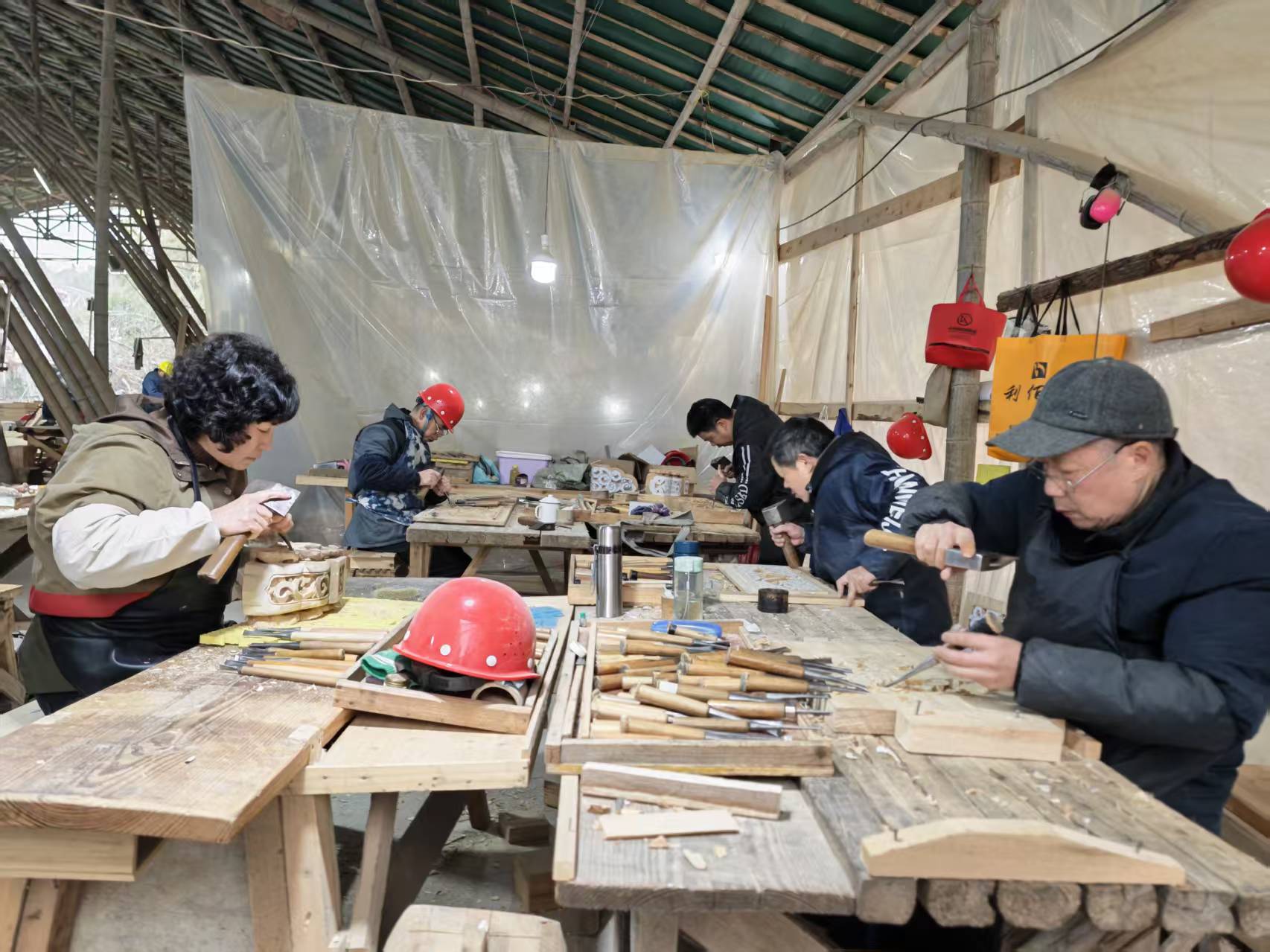
30多名三雕(木雕、石雕和砖雕)匠人分成两班,各自围案而坐。 他们自称持刀立斧之人,刀一落,心便沉,外界喧嚣再与其无关。 新春将至,街巷间的年味渐浓,他们只是埋头雕刻。 (来源:千龙网) 这个时代,很多东西都以"秒"计算。 但在江西婺源弦高城西侧,那座占地面积600平方米的工棚里,时间有另一种算法:完成一只"牛腿",要15天;修复弦高城,已历时3年。 "牛腿"是徽派建筑中托举梁枋的关键木构件,因形似牛腿而得名。从粗坯到神韵俱全,要耗费一个熟练匠人半个月的心力。 三雕匠人在工棚里埋头雕刻(2026年2月5日摄)。新华社记者赖星 摄 刻刀划过木头的沙沙声,时密时疏。清润的木香不浓不烈,闻着让人心里踏实。 徐家田正给一只"牛腿"做最后的修光(2026年2月5日摄)。新华社记者赖星 摄 "雕完舍不得交出去,总觉得还能更好。"徐家田说。 一件作品悬于梁上、嵌于壁间,要经受数十年甚至上百年的审视,马虎不得。 婺源三雕于2006年被列入首批国家级非物质文化遗产名录,是一门具有典型徽派风格的雕刻技艺,制品多用作民居、宗祠、牌坊等建筑上的装饰部件。 在当地,三雕匠人自成一片江湖。谁擅长木雕"开脸",谁精通石上"绣花",圈子里都 ...

(新春走基层)2026年广州青年民俗文化节系列活动举行
Xin Lang Cai Jing· 2026-02-14 12:22
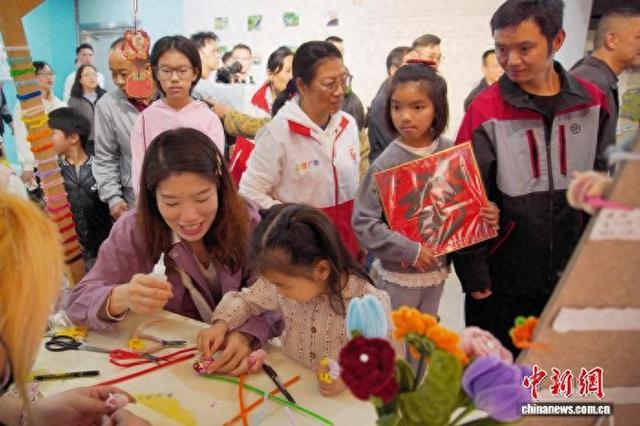
中新网广州2月14日电 (记者 张璐)据共青团广州市委员会14日消息,2026年广州青年民俗文化节系列活 动(简称"活动")13日在广州市青年文化宫开启。 广州市青年文化宫相关负责人表示:"我们希望通过多元、互动、青春的表达方式,让传统民俗真正走 进青年的生活,特别是让新就业群体在文化浸润中增强对城市的归属感与认同感。"(完) "面团要捏紧边,不然一下锅就'笑开口'啦!"……阵阵欢笑声、交流声从青年剧场里传来。当日,20名 穗港澳青年与广州市政协共青团与青联界别政协委员共聚一堂,做点心、话年俗,与十五运会和残特奥 会吉祥物欢乐互动,畅谈湾区生活,共话发展机遇。一名香港青年说:"大家一起聊天谈心,就像家里 人过年一样,温暖又热闹。" 活动现场,书法家、美术家现场挥毫,为市民群众送春联、福字,传递新春祝愿。怀旧游戏区同样热闹 非凡,投壶、翻花绳、折纸、跳房子、拼图五大经典游戏吸引了众多青年挑战。非遗手作区内,素馨香 包等非遗技艺与手作体验备受青睐。在非遗代表性传承人与手作导师的现场教学下,市民群众亲手完成 一件件精美作品。 值得一提的是,文化节系列活动聚焦非遗传承与乡村振兴,推出系列深度体验项目,邀请来自贵州的贵 ...
(新春走基层)浙江柯城:统战赋能非遗工坊 解锁共富密码
Xin Lang Cai Jing· 2026-02-14 11:25
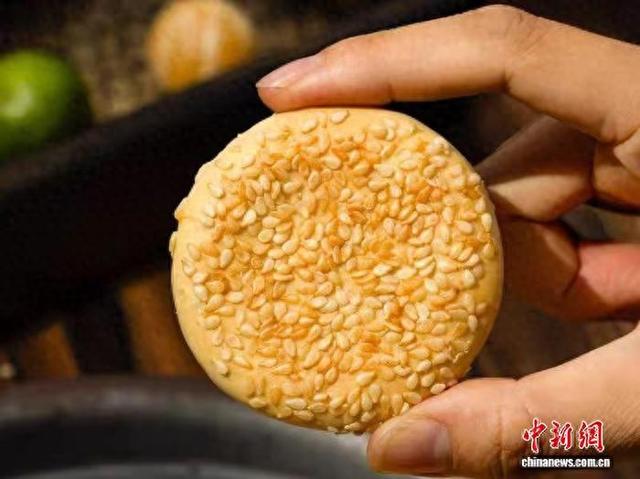
早在2016年,中国"二十四节气——中国人通过观察太阳周年运动而形成的时间知识体系及其实践"列入 联合国教科文组织人类非物质文化遗产代表作名录,源自九华乡妙源村的"九华立春祭"是该项目的社区 代表之一。在此背景下,立春启航共富工坊与国家级非物质文化遗产代表性项目传统面食制作技艺(邵 永丰麻饼制作技艺)跨界相融,在柯城区委统战部的精准赋能下,成为乡村共富的"金钥匙"。 "生产端,我们对接百年非遗的精工品质,销售端,我们直通民营企业的优质客流与网络平台的广阔市 场。村民只管种好原料,实现三方共赢。"妙源村党支部书记舒红飞说,为将资源转化为优势,柯城区 委统战部指导妙源村立足本地立春文化特色和地方特色农业基础,推动村集体与邵永丰麻饼、区网联会 所属网络带货公司深度合作,构建起稳固的"村+企+平台"合作三角。 中新网衢州2月14日电 (张斌 骆泽明)春节临近,在浙江衢州柯城九华乡妙源村立春启航共富工坊,村民 依然在忙碌,做好邵永丰麻饼原料的种植管护与打包工作,保障节日年礼需求。 近年来,柯城区委统战部以资源整合、平台搭建、服务赋能为核心抓手,撬动民营企业、网联会、知联 会等各方统战力量,协同助力立春启航共富工坊发展, ...
(新春走基层)七旬守艺人的新春期许:让汾阳地秧歌响彻街头
Xin Lang Cai Jing· 2026-02-14 11:24
人们常将"南有英歌舞,北有地秧歌"并提。李长喜认为,两者都都寄托着驱邪避害、祈求丰年的朴素愿 望。英歌舞近年"出圈",也让他思考:如何让更多人知道,在北方,也有这样一支生生不息的地秧歌。 "地秧歌也称'捣秧歌',演员在平地上边打边舞叫'掏场子'。那时候,汾阳几乎村村都有秧歌队,大人小 孩都会敲几下,年轻人大多会'掏'几个场子。"李长喜回忆道。然而,20世纪90年代后期,随着城市化 中新网吕梁2月14日电 题:七旬守艺人的新春期许:让汾阳地秧歌响彻街头 中新网记者 范丽芳 左脚一跺,"云手"一翻,左腿高抬,右手高举。配合着鼓点与眼神,李长喜稳稳站定,摆出金鸡独立的 架势。从17岁初学汾阳地秧歌至今,这些基本招式早已成为他身体的一部分,融入血脉。 作为国家级非物质文化遗产代表性项目汾阳地秧歌的代表性传承人,春节前夕,李长喜在山西省吕梁市 汾阳地秧歌冯家庄传习所忙碌着。他一边整理表演服装,一边告诉记者,春节一过,他就要带着学生们 外出参加非遗演出。对于地秧歌艺人来说,从春节到元宵节,是一年中最忙碌、最风光的时段。 汾阳地秧歌源于唐朝,在明清之际逐渐成熟。山西地处黄河中游,历史上干旱少雨,人们常通过民俗活 动祈雨祈福 ...
(新春走基层)一碗胶东面 牵起团圆年
Xin Lang Cai Jing· 2026-02-14 10:19
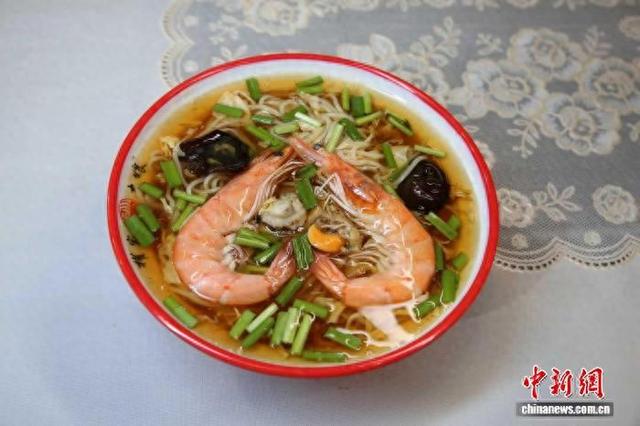
作者 杨馥宁 王娇妮 "上车饺子下车面,平平安安把家还。"腊月清晨,山东烟台的街巷里,面馆飘出的麦香与卤香,悄然唤 醒了年的味道。这句流传多年的胶东俗语,此时正化作一碗碗热气腾腾的"下车面",温暖着归家的人。 中新网烟台2月14日电 题:一碗胶东面 牵起团圆年 大面。杨馥宁 摄 健在制作福山大面。杨馥宁 摄 面馆里,权福健的抻面技艺颇具特色。两斤重的面剂子经溜条、抻拉,可制成细如发丝的"一窝丝",最 细的龙须面能穿过针孔,这一"龙须穿针"的技艺,传承自老辈手艺。煮面时采用沸水一次煮熟,保留面 条筋道;卤汁以爬虾、花蛤、干贝等海鲜熬制,透着渤海湾独有的风味。 在胶东地区,面条自古便是"吉祥饭"。从出生面、满月面,到新年团圆面、归乡"下车面",福山大面陪 伴着当地人人生中的重要时刻。当地还有"拴腿面"的习俗,一碗热面,既拴住游子的乡愁,也牵起家人 的团圆。 作为鲁菜发源地之一,烟台素有"中国鲁菜之都"的美誉。福山大面,正是鲁菜文化在民间生活中的鲜活 载体。每到春节,本地人吃的是团圆,返乡游子吃的是慰藉,外地食客尝的是非遗年味。热气氤氲中, 一碗面,淌着温情,也煮着最朴素的年福。 为了让这口老味道走得更远,权福健系 ...
候车厅也是展厅!北京五大火车站邀旅客免费看展览
Xin Lang Cai Jing· 2026-02-14 05:03
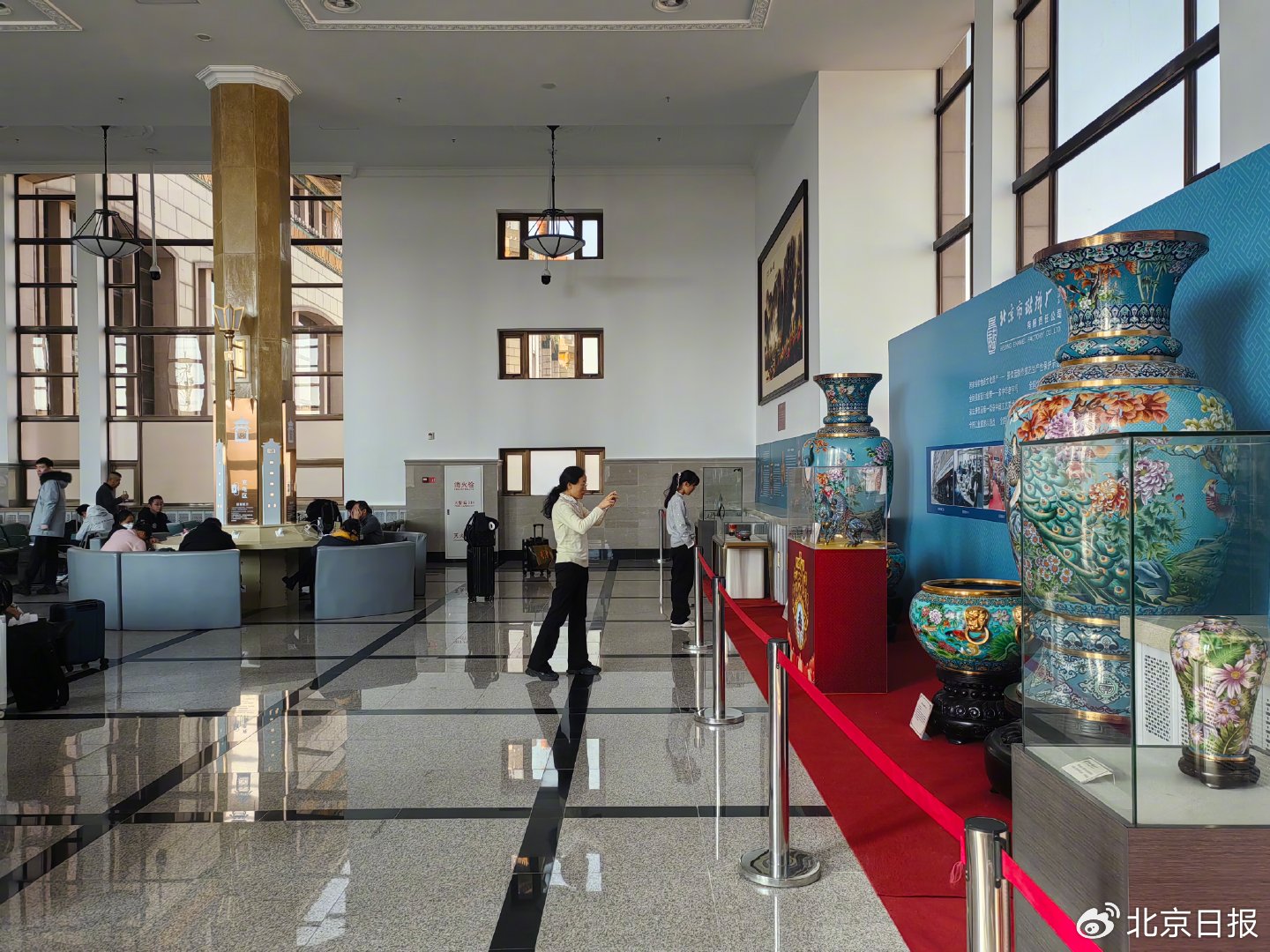
从景泰蓝的釉彩流光,到香山路的红色足迹;从双奥之城的创新动能,到运河之畔的时代画卷……春节到来前,北京市重点站区管理委员会联动文博机构与 属地部门,在五大火车站地区推出"博物馆进站区"系列活动,让旅客在春运路上邂逅"流动文化盛宴"。 北京站展览 北京朝阳站展览 朝阳站枢纽大厅内,"冬奥赓续,圣火重燃"专题展览由北京市文物局倾力打造,实物、影像与互动装置交织,讲述冬奥场馆赛后利用与城市可持续发展 的"北京经验"。朝阳区文旅局设置的电子触摸屏与LED互动墙实时呈现东岳庙活动盛况。朝阳区卫健委推出的"朝阳聚东风,本草续华章"中医药文化展,以 AR互动、药材标本等形式普及健康理念;区档案馆策划的"兰台杯·朝阳符号"摄影展,则以镜头定格城市变迁与百姓日常。 步入北京站候车厅,景泰蓝非遗展厅数十件精品错落陈列,勾勒出"燕京八绝"的璀璨风韵。展区内既有复刻明清宫廷风格的传统器型,承载六百年铜胎掐丝 技艺;亦有融合生肖马年元素的作品,釉彩饱满、线条灵动,呼应新春团圆主题。曾作为国礼亮相国际舞台的赏瓶尤为瞩目,鎏金纹样与宝石蓝釉交相辉 映,传递国泰民安之愿。 展厅特设"工艺解密区",系统呈现制胎、掐丝、点蓝、烧蓝、磨光、镀金六 ...
陕西耀州携手腾讯《英雄杀》解锁民间文艺传播新范式
Huan Qiu Wang· 2026-02-14 02:04
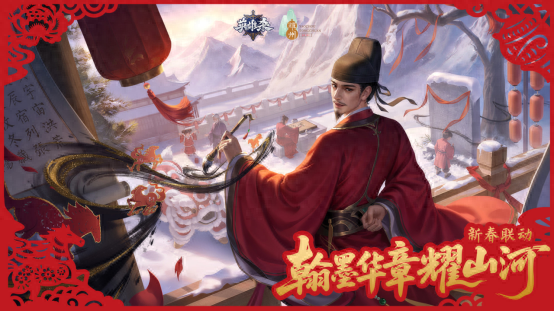
Core Viewpoint - The collaboration between Yaozhou District and Tencent's game "Hero Kill" aims to integrate traditional culture with digital technology, enhancing the transmission of Chinese traditional culture to younger audiences through innovative means [1][3][9]. Group 1: Cultural Integration and Innovation - Yaozhou District has a rich cultural heritage, including various folk arts and crafts, which are being revitalized through digital platforms [3][5]. - The partnership with Tencent has previously resulted in significant outreach, with over 28 million interactions achieved through the game, showcasing Yaozhou's cultural elements [3][5]. - The new spring collaboration focuses on the calligraphy of Liu Gongquan, aiming to present this cultural treasure in an engaging manner through interactive gaming experiences [5][9]. Group 2: Digital Empowerment and Market Activation - The initiative emphasizes "living inheritance, digital empowerment, and market activation" as a strategy for protecting and promoting folk arts [3][7]. - The game features activities that highlight Yaozhou's intangible cultural heritage, allowing players to engage with local traditions in a fun and interactive way [7][8]. - The collaboration has evolved to include a physical gift box that merges digital elements with traditional crafts, further broadening the cultural outreach [8]. Group 3: Future Directions and Development - Yaozhou District plans to continue deepening the integration of digital technology with traditional culture, exploring new forms of cultural dissemination and expanding the supply of cultural products [9]. - The focus on transforming folk art resources into cultural products aims to create a sustainable model for cultural industry development [9].

【商洛】石磨豆香里 情暖迎新春
Shan Xi Ri Bao· 2026-02-14 00:22
Core Viewpoint - The article highlights the cultural significance and economic potential of Luonan Tofu, a traditional product from Shandong, emphasizing its heritage and the support from local tax authorities to promote its production and sales [1][3]. Group 1: Cultural Heritage and Economic Impact - Luonan Tofu, known as "Qinling Soft White Gold," is a traditional delicacy with a history of being a royal dish during the Ming and Qing dynasties, now recognized as a city-level intangible cultural heritage [1]. - The production of Luonan Tofu has evolved from small family workshops to a significant industry that contributes to local income and employment [2]. - The tradition of making tofu, particularly the custom of "grinding beans to make tofu" on the 25th day of the twelfth lunar month, is deeply embedded in the local culture and is considered a symbol of good fortune [1][2]. Group 2: Government Support and Industry Development - The Luonan Tax Bureau has initiated the "Show Luonan Tofu, Seek Firewood Flavor" campaign to promote local tax benefits and support the tofu industry, enhancing the connection between local culture and economic development [1][3]. - Tax incentives for small businesses and individual entrepreneurs have been provided, which has encouraged local artisans to continue their craft without financial worries [2]. - The Luonan Tofu industry has seen significant growth, with ten distinctive brands established and the product gaining national geographical indication protection, enhancing its market presence [3]. Group 3: Future Prospects and Innovations - The industry is focusing on innovation and quality improvement, with local producers exploring new business models, including e-commerce, to expand their market reach [2][3]. - The local tax authorities plan to continue supporting the intangible cultural heritage and rural revitalization efforts, aiming to enhance the vibrancy of local industries and cultural appeal [4].
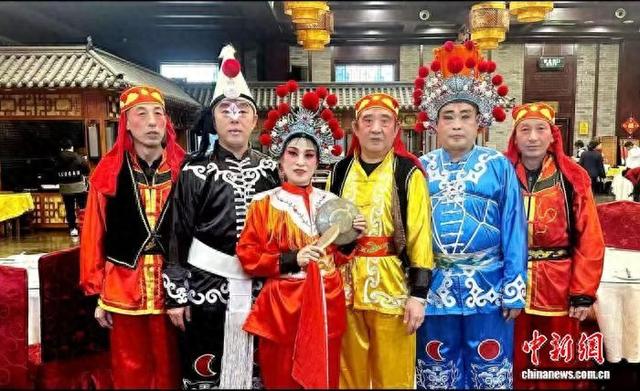
音画交织 旋律昂扬
Xin Lang Cai Jing· 2026-02-13 20:37
Group 1 - The core message of the articles highlights the release of two music videos, "Yicai" and "Looking at China," which celebrate the New Year and reflect themes of national pride and cultural heritage [1][2] - "Yicai" features lyrics that honor the dedication of intangible cultural heritage guardians, using imagery to depict the connection between individuals and their cities and country [1] - "Looking at China" employs a dual perspective to showcase the beauty of China and the significant changes in society, emphasizing the importance of continuous effort for a better life [2] Group 2 - The music video for "Yicai" combines pop music with Peking opera elements, illustrating the spirit of perseverance and collective effort through its lyrics [1] - "Looking at China" utilizes a blend of male and female vocals along with children's choir, enhancing the emotional depth and musical layers of the piece [2] - The production team for "Looking at China" focused on integrating traditional and modern elements, capturing various scenes from Tianjin to reflect its cultural richness and contemporary vibrancy [2]
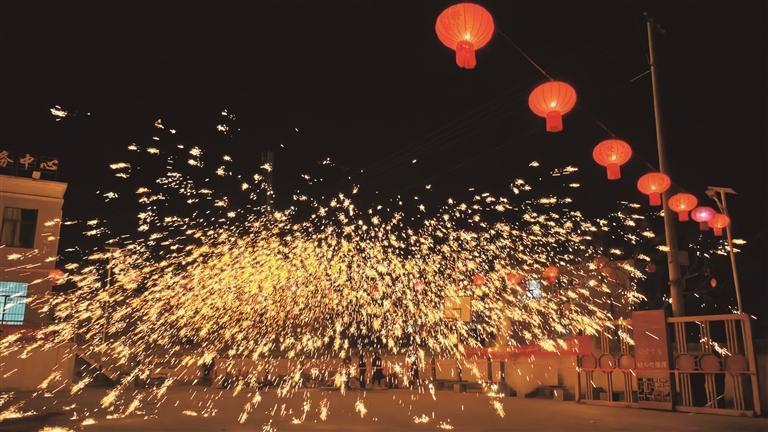
乐都郎家村:火树银花迎新春
Xin Lang Cai Jing· 2026-02-13 18:33
铁花凌空绽放,流光溢彩。 醒狮表演。 火壶表演。 孙长胜动作娴熟,表演火壶绝技。 火壶表演尽显民间技艺魅力。 锣鼓表演。 变脸喷火表演。 铁花表演前的准备工作。 "起!"一声吆喝声下,孙长胜舀起炽热的铁水奋力抛向空中,另一人持木板迅猛击打。刹那间,铁花凌空绽 放,如流星破空,漫天火星流光溢彩,将夜空照得通亮。每一次惊艳绽放都引来全场欢呼,震撼的画面让观 众沉醉不已。 "太壮观了!这才是真正的年味!"现场观众纷纷举着手机记录,赞叹声此起彼伏。 除了惊心动魄的打铁花,孙长胜和伙伴带来的火壶表演同样吸睛,火焰与器具灵动配合,动作娴熟流畅,尽 显民间技艺的魅力。变脸、醒狮等民俗绝活接连上演,为乡村夜晚增添了浓浓的新春气息。 打铁花是流传千年的非遗绝技,寓意新的一年红红火火、吉祥如意。此次表演让村民在家门口领略了非遗风 采,也让古老技艺在新春佳节重焕生机。孙长胜说,能为乡亲们表演,在传承老手艺的同时送上新春祝福, 是最有意义的事。 夜色渐浓,铁花依旧璀璨。郎家村的这场民俗盛宴,是河湟新春文化生活的生动缩影,更是非遗传承与乡村 振兴相融共生的鲜活见证。 ↓变脸表演。 西海新闻记者 史永寿 祁晓军 文/图 2月12日晚,海 ...