
跨境电商

Search documents
安孚科技跌2.06%,成交额5053.17万元,主力资金净流出314.28万元
Xin Lang Zheng Quan· 2025-11-17 02:13
Core Viewpoint - Anfu Technology's stock price has experienced fluctuations, with a year-to-date increase of 39.10% but a recent decline of 4.53% over the last five trading days [1] Company Overview - Anfu Technology, established on May 7, 1999, and listed on August 22, 2016, specializes in the research, production, and sales of high-performance environmentally friendly zinc-manganese batteries [1] - The company's revenue composition includes alkaline batteries (83.08%), carbon batteries (7.88%), other batteries (4.51%), other products (4.35%), and miscellaneous (0.18%) [1] Financial Performance - For the period from January to September 2025, Anfu Technology achieved a revenue of 3.608 billion yuan, representing a year-on-year growth of 0.39%, and a net profit attributable to shareholders of 174 million yuan, reflecting a year-on-year increase of 16.32% [2] - Cumulative cash dividends since the A-share listing amount to 142 million yuan, with 116 million yuan distributed over the past three years [3] Shareholder Information - As of September 30, 2025, the number of shareholders for Anfu Technology reached 15,300, an increase of 41.54% from the previous period, while the average circulating shares per person decreased by 29.35% to 13,833 shares [2] - Among the top ten circulating shareholders, Hong Kong Central Clearing Limited is the fifth largest, holding 5.1219 million shares as a new shareholder [3] Market Activity - On November 17, Anfu Technology's stock price fell by 2.06% to 39.45 yuan per share, with a trading volume of 50.5317 million yuan and a turnover rate of 0.60% [1] - The stock has appeared on the "Dragon and Tiger List" once this year, with the most recent occurrence on August 26, where it recorded a net buy of -56.0953 million yuan [1]

华鹏飞涨2.21%,成交额8798.80万元,主力资金净流出237.58万元
Xin Lang Zheng Quan· 2025-11-17 02:07
Company Overview - Huapengfei Co., Ltd. is located in Shenzhen, Guangdong Province, and was established on November 15, 2000. The company was listed on August 21, 2012. Its main business includes IoT operation services, logistics services, and financial services [1]. - The revenue composition of Huapengfei is as follows: domestic comprehensive logistics services account for 71.14%, international logistics services 27.45%, and other services 1.41% [1]. Stock Performance - On November 17, Huapengfei's stock price increased by 2.21%, reaching 6.93 CNY per share, with a trading volume of 87.99 million CNY and a turnover rate of 2.71%. The total market capitalization is 3.895 billion CNY [1]. - Year-to-date, Huapengfei's stock price has risen by 28.33%, with a 5-day increase of 5.48%, a 20-day increase of 7.61%, and a 60-day increase of 6.29% [1]. - The company has appeared on the "Dragon and Tiger List" once this year, with the most recent appearance on April 22, where it recorded a net purchase of 123 million CNY [1]. Financial Performance - For the period from January to September 2025, Huapengfei achieved an operating income of 307 million CNY, representing a year-on-year growth of 20.36%. However, the net profit attributable to the parent company was 5.038 million CNY, a decrease of 77.62% year-on-year [2]. - Since its A-share listing, Huapengfei has distributed a total of 40.8533 million CNY in dividends, with no dividends distributed in the last three years [3]. Shareholder Information - As of September 30, Huapengfei had 39,200 shareholders, an increase of 3.70% from the previous period. The average number of circulating shares per shareholder is 12,044, a decrease of 3.57% from the previous period [2].

瑞银展望2026:中国互联网投资新格局
瑞银· 2025-11-16 15:36
Investment Rating - The report assigns a favorable investment rating to the Chinese internet sector, highlighting its attractiveness compared to U.S. tech stocks due to lower valuations and promising earnings growth [1][2]. Core Insights - The Chinese internet stocks have risen due to improved sentiment, catch-up effects, and relatively low valuations, with a projected PE ratio of 17 times for 2025, significantly lower than the 31 times for U.S. tech stocks [1][2]. - The consumption market in China is experiencing significant emotional consumption growth, with online retail growth at 6.3%, surpassing offline growth of 3.7% [1][4]. - AI technology is being widely applied across various sectors, including e-commerce recommendations, game design, and education, with companies like Alibaba leveraging AI to enhance cloud services and user engagement [5][18]. Summary by Sections 1. Overall Performance of the Internet Industry - The Chinese internet sector has seen a stock price increase of approximately 37% from the beginning of 2025, despite a 19% decline in profit expectations due to pressures from e-commerce and retail investments [2]. 2. Changes in the Consumption Market - Emotional consumption has become a highlight, particularly in gaming, music, and tourism, with a notable increase in online retail driven by algorithm optimization and a growing number of online shoppers [3][4]. 3. AI Development in China - China is advancing in AI through self-developed chips and local GPU efficiency, with Alibaba Cloud experiencing a growth increase from 18% to 26% in recent quarters [5]. 4. Development of Instant Retail - Instant retail has emerged as a significant trend, with companies like JD and Alibaba increasing their investments in food delivery, although growth rates have slowed due to seasonal factors and regulatory influences [6]. 5. Competition in the Food Delivery Sector - The food delivery market is highly competitive, with low-price strategies affecting user experience and merchant profits, while machine retail is accelerating the shift from offline to online [7]. 6. Regulatory Changes in Platform Economy - The government has implemented new policies to encourage healthy competition and protect small businesses, resulting in a more manageable regulatory environment for internet companies [8]. 7. Policy Environment for the Gaming Industry - The gaming industry has seen a positive shift in policy, with a significant increase in the issuance of new game licenses and recognition of efforts to protect minors [9]. 8. Future Focus of the Gaming Industry - The gaming sector should focus on evergreen games and the launch of new titles, with major companies expected to continue leveraging their IPs for sustained performance [10]. 9. Recent Changes in Long Video Industry Regulations - New measures from the broadcasting authority aim to enhance content supply in the long video sector, which could increase user subscriptions [11]. 10. Impact of New Advertising Regulations - The new advertising tax policy may increase marketing costs for certain industries, posing a potential downside risk for the advertising sector [12]. 11. Current Status and Future of the Education Sector - The education market remains robust despite economic challenges, with a significant demand-supply gap expected to drive long-term growth [13]. 12. Opportunities for Chinese Internet Companies Overseas - Chinese online games have a competitive edge due to lower development costs and a large talent pool, enabling them to expand internationally [14][15]. 13. Recent Developments in Cross-Border E-commerce - Cross-border e-commerce GMV has stabilized and shows signs of recovery, driven by innovative business models and improved logistics efficiency [16]. 14. Impact of ChatGPT on E-commerce - The introduction of ChatGPT's e-commerce features may have limited impact on China's e-commerce landscape, as major platforms already dominate traffic [17]. 15. Growth Potential and Competition in the Domestic Gaming Industry - The domestic gaming industry is expected to grow at around 5% in the coming years, with AI playing a crucial role in game development and player interaction [18][19].




分红1.7亿给创始人!安克创新现金流告急,提前港股IPO圈钱救急?
Sou Hu Cai Jing· 2025-11-16 09:23
Core Viewpoint - Anker Innovations is facing significant challenges due to multiple product recalls and cash flow issues, yet it has unexpectedly initiated an IPO in Hong Kong ahead of market expectations. Group 1: Product Recalls and Financial Impact - In 2025, Anker Innovations experienced four major product recalls, including 712,900 power banks in China and 1,158,000 in the U.S., primarily due to fire hazards linked to a specific batch of lithium battery components [3][5]. - The financial repercussions are severe, with the company estimating potential losses in the hundreds of millions if full refunds are issued, alongside a provision of 130 million yuan for quality assurance and 238 million yuan for inventory depreciation [5]. - Cash flow has deteriorated significantly, with a net cash flow from operating activities of -865 million yuan in the first three quarters of 2025, a decline of 152.38% year-on-year, while inventory surged from 3.234 billion yuan to 6.147 billion yuan, an increase of over 90% [5][9]. Group 2: Market Position and Business Performance - Despite the challenges, Anker's energy storage business has shown promise, achieving a revenue of 3.02 billion yuan in 2024, a year-on-year growth of 184%, and is expected to become profitable in 2025 [9]. - The company heavily relies on overseas markets, with 96.68% of its revenue coming from international sales, indicating a vulnerability to market fluctuations [9]. - Inventory levels remain high at 6.147 billion yuan, raising concerns about the company's ability to manage stock effectively, especially given the negative cash flow situation [9][11]. Group 3: Controversial Financial Decisions - Anker Innovations raised 1.1 billion yuan through convertible bonds in July 2025, intended for energy storage and smart hardware development, yet proceeded to distribute 375 million yuan in dividends shortly after, raising questions about its financial strategy [11][13]. - The company's decision to prioritize shareholder dividends over reinvestment in the business during a period of cash flow strain has drawn criticism from investors [11][13]. - The upcoming IPO in Hong Kong is shrouded in uncertainty, with no clear details on the underwriting banks or fundraising amounts, leading to speculation about the company's valuation and market conditions [13][15].


前十月广西外贸进出口增长12.1%
Ren Min Ri Bao Hai Wai Ban· 2025-11-15 13:48
Core Insights - Guangxi's foreign trade in the first ten months of this year reached 650.35 billion yuan, a year-on-year increase of 12.1% [1] - Exports amounted to 381.28 billion yuan, growing by 18.3%, while imports were 269.07 billion yuan, increasing by 4.4% [1] - Trade with ASEAN countries showed robust growth, with imports and exports totaling 344.74 billion yuan, a 12.1% increase, accounting for 53% of Guangxi's total foreign trade [1] Trade with ASEAN - Guangxi's trade with the top three ASEAN partners—Vietnam, Thailand, and Indonesia—grew by 8.4%, 7%, and 53.6% respectively [1] - Trade with Timor-Leste reached 3.405 million yuan, marking a 19.6% increase [1] - The signing of the upgraded version of the China-ASEAN Free Trade Area 3.0 during the 47th ASEAN Summit is expected to create new opportunities for cooperation in new energy and electronic information industries, intermediate goods trade, and cross-border e-commerce [1] Industrial Performance - Guangxi's industrial economy has shown steady growth, with the added value of industrial enterprises above designated size maintaining a strong growth momentum [2] - Lithium battery exports surged to 20.54 billion yuan, a remarkable increase of 76.6% [2] - The cross-border electronic information industry has driven rapid growth in related product exports, with flat panel display modules, computer accessories, printed circuits, and integrated circuits increasing by 86%, 41.8%, 225.8%, and 8.1% respectively [2] Import Trends - The import value of major commodities rose significantly, with metal ore imports reaching 103.14 billion yuan, a growth of 16.1% [2] - Copper ore imports experienced rapid growth of 27.6%, benefiting from the "bonded mixed mining" policy [2]
快闪店呈现体验式触达 亚马逊海外购开启黑五线下新实验
Huan Qiu Wang Zi Xun· 2025-11-15 07:56
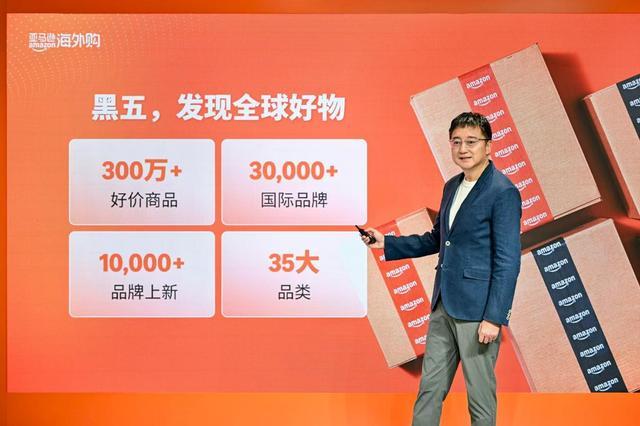
Core Insights - Amazon Global Store has launched its Black Friday global shopping season in Shanghai, marking a significant step in its localization strategy in China [1] - The introduction of a pop-up store aims to enhance consumer engagement through experiential marketing, reflecting a shift from online shopping to interactive brand experiences [2][4] Group 1: Localization Strategy - The pop-up store's location in Shanghai is strategic, as the city is a trendsetter for consumer behavior and a hub for young, globalized lifestyles [2] - The store features four themed areas focusing on outdoor living, home care, kitchen products, and trendy toys, showcasing international brands with strong design and reputation [2] - Interactive elements like discount discovery zones and social sharing opportunities are designed to foster emotional connections between consumers and brands [2][4] Group 2: Operational Model - The pop-up store does not sell products directly but uses QR codes to guide customers to the Amazon shopping app for purchases, emphasizing a synergy between offline engagement and online conversion [4] - The focus of the offline experience is on building trust with consumers rather than immediate sales, as providing comprehensive product information and after-sales service is crucial for cross-border shopping decisions [4] Group 3: Consumer Trends and Service Upgrades - There is a structural shift in Chinese consumers' preferences, moving from price sensitivity to value recognition, with a focus on products that match personal interests and usage scenarios [6] - The introduction of the "Black Friday Price" mechanism aims to simplify the purchasing process by integrating cross-border taxes, shipping fees, and discounts into a clear final price [6] - The logistics system is being enhanced, with the expansion of the Ningbo bonded warehouse and improved delivery times, aiming for "fastest 2-day delivery" for popular categories [6] Group 4: Competitive Strategy - Amazon Global Store emphasizes its global selection capability and service quality to differentiate itself in the competitive Chinese e-commerce market [7] - The company leverages social media and automation tools to identify potential brands and respond to consumer trends, enhancing its product offerings [7] - The focus is on building long-term consumer trust through reliable service and product transparency, rather than just short-term sales [7]

阿里要把外贸采购这件事,变成下一个巨型的AI入口了。
数字生命卡兹克· 2025-11-15 04:21
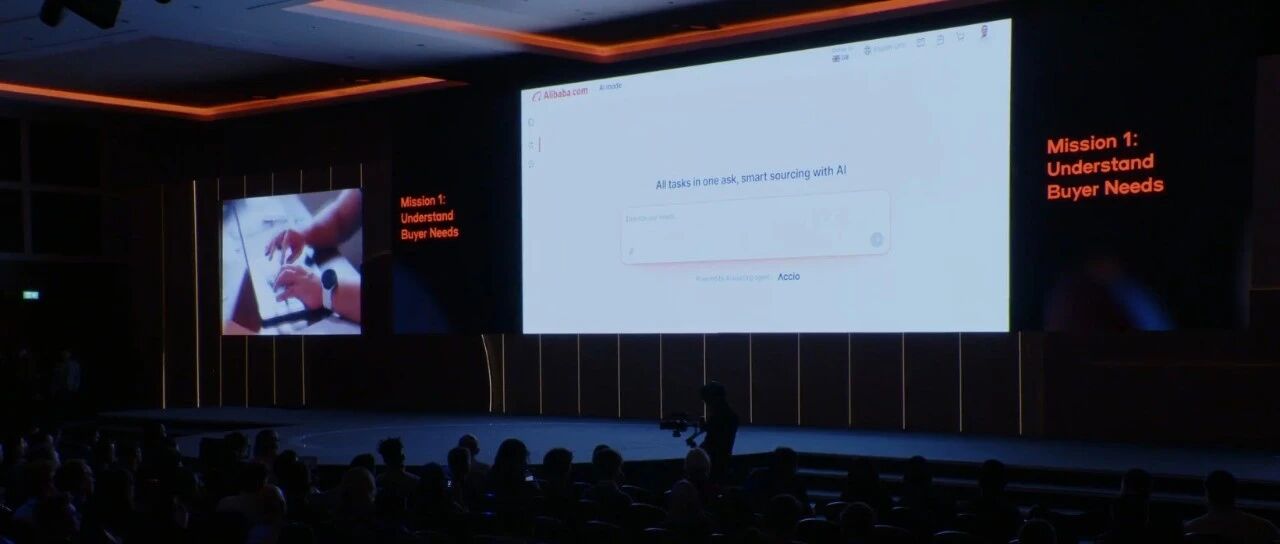
Core Viewpoint - The article discusses the significant advancements in the foreign trade industry, particularly focusing on Alibaba's international platform and its new AI features, which are set to revolutionize the procurement process for businesses [5][50]. Group 1: AI Innovations - Alibaba's international platform is launching a new AI feature called AI Mode, which streamlines the procurement process by automating supplier searches and cost calculations [5][10]. - The AI Mode can handle complex procurement requests, such as finding suppliers for customized products with specific requirements, significantly reducing the time needed for sourcing [6][8]. - The AI Mode is built on the existing Accio platform, which has already gained substantial traction with over 2 million enterprise users in just nine months [50][52]. Group 2: Market Impact - The introduction of AI Mode represents a paradigm shift in the foreign trade sector, moving from traditional product listings to a more integrated workflow that emphasizes decision-making [53][56]. - This shift allows businesses to act as creators rather than just consumers, enabling them to design and source products tailored to their specific needs [58][61]. - The AI-driven approach simplifies the process of entering international markets, making it accessible for smaller businesses and individual entrepreneurs [62][64]. Group 3: User Experience - Users can interact with the AI to generate procurement plans, find reliable suppliers, and even receive logistics solutions tailored to their needs [36][43]. - The AI can also provide pricing strategies based on local tax policies, ensuring that businesses can effectively price their products for international markets [45][48]. - The overall experience is designed to empower users, allowing them to focus on creativity while the AI manages the complexities of sourcing and logistics [65][66].
你的金银彩宝首饰可能出自这里!广东一县域凭什么“璀璨链全球”?
Sou Hu Cai Jing· 2025-11-15 04:13
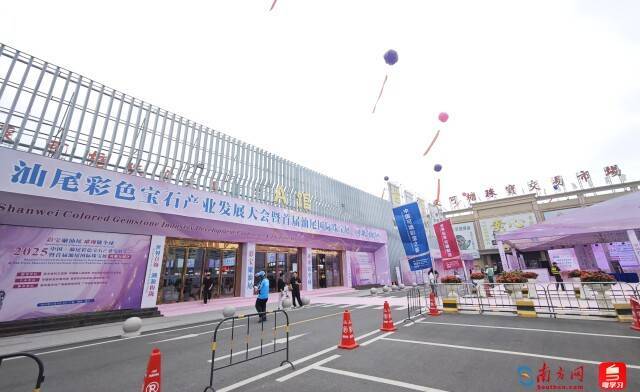
Core Insights - The jewelry consumption, particularly gold, silver, and colored gemstones, is thriving, especially during major shopping events like "Double Eleven" [1] - Shantou Haifeng County is a significant hub for gemstone processing, producing over 70% of global crystal products and 30% of national gold and silver jewelry [1][2] - The recent 2025 China Shantou Colored Gemstone Industry Development Conference showcased the county's industrial strength, with 3,126 participating enterprises and a total investment and trade volume of 11.961 billion yuan [1] Industry Overview - The Guangdong Ketang Jewelry Trading Market processes imported crystal raw materials into fashionable jewelry, with an annual processing capacity of 50,000 tons, primarily focusing on over 120 types of colored gemstones [2][4] - Haifeng County has established a complete industrial chain, including raw material sales, production, design, and e-commerce, with over 10,466 market entities in the jewelry sector [4] Cluster Development - The dual-cluster model in Haifeng, with Ketang focusing on gemstone processing and Melong on gold and silver jewelry, enhances industrial competitiveness through collaborative efforts [5][6] - The local government has facilitated this growth by investing in environmental facilities and promoting specialized clusters, leading to a significant increase in production capacity [6] Talent and Employment - Local training programs have successfully integrated over 2,000 rural workers into the jewelry industry, raising average annual incomes to over 45,000 yuan [7] - The jewelry sector employs approximately 92,000 individuals in Haifeng County, with a significant portion of the workforce concentrated in Ketang and Melong [7] Digital Transformation - The establishment of specialized parks and digital platforms has streamlined supply chain management and enhanced market access for local businesses [10][12] - The Ketang Douyin e-commerce live streaming base has achieved daily sales exceeding 5 million yuan, significantly boosting consumer trust and purchase rates [12] Policy and Future Prospects - Haifeng County's jewelry industry has been selected as a pilot for the "Cross-border E-commerce + Industrial Belt" initiative, facilitating international trade and reducing operational costs for small enterprises [14] - The region's unique combination of manufacturing and international trade capabilities positions it favorably for future growth in the competitive jewelry market [14]
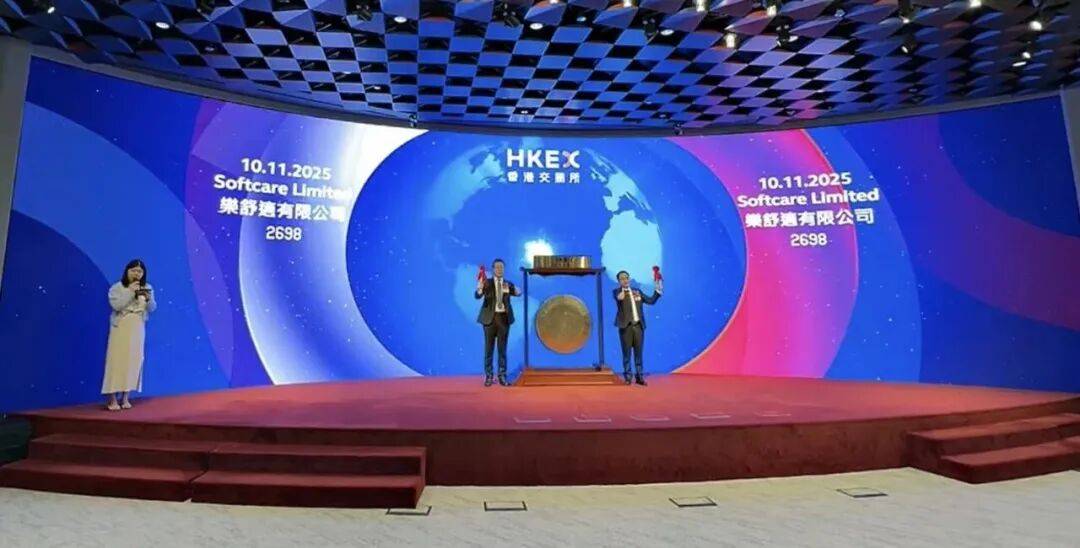
上市首日市值超186亿!又一大卖成功敲钟
Sou Hu Cai Jing· 2025-11-14 15:29
Core Viewpoint - The successful IPO of Leshushit, known as the "King of Diapers in Africa," on the Hong Kong Stock Exchange highlights the potential of Chinese brands in emerging markets, driven by a strategy of "branding" and "localization" [1][3]. Company Overview - Leshushit has established a strong market presence in Africa, holding a 20.3% market share in the baby diaper segment and a 15.6% share in the sanitary napkin market as of 2024 [1]. - The company has generated significant revenue, with annual earnings projected to reach $450 million by 2024, reflecting a steady growth trajectory [6]. Business Strategy - The company began its journey in 2009 by launching its first diaper brand, Softcare, in Ghana, focusing on local needs and differentiating itself from competitors [3]. - Leshushit has developed a diverse brand portfolio, including brands like Maya and Veesper, catering to various consumer segments across different regions [3]. - The company has established eight production bases and 51 production lines in Africa, with an annual capacity exceeding 6.3 billion diapers and 2.8 billion sanitary napkins [4]. Financial Performance - Revenue figures for Leshushit from 2022 to 2024 are projected to be $320 million, $410 million, and $450 million, respectively, indicating a consistent upward trend [6]. - The company reported a 15.5% year-on-year revenue growth in the first four months of the current year, with gross profit expected to reach $160 million in 2024, showcasing a compound annual growth rate of 47.6% [6]. Market Potential - The global baby products market is expected to grow significantly, reaching $355.9 billion by 2025 and $475.2 billion by 2030, with emerging markets like Africa and Latin America leading the growth [9]. - The increasing awareness of child-rearing practices among young parents is driving demand for high-quality baby products, creating opportunities for brands like Leshushit [11]. Future Plans - Proceeds from the IPO will be primarily allocated to capacity upgrades, marketing, and strategic acquisitions, with over 70% directed towards new factory construction in Ghana and Senegal [8]. - The company aims to replicate its successful "branding + localization" model in other emerging markets, including Latin America and Central Asia [8].
前10月广东航空口岸人货两旺,均创历史同期新高
2 1 Shi Ji Jing Ji Bao Dao· 2025-11-14 11:28
(原标题:前10月广东航空口岸人货两旺,均创历史同期新高) 在货物通关方面,广州白云机场口岸实行全天候电子放行、卡口自动核放,对需要查验的"鲜活、特 殊、急需"货物,实施24小时"随到随查"。深圳海关在全国率先落地进口冰鲜水产品监管模式改革试 点,推出"提前申报+机坪直提"等精准服务措施,支持企业对符合条件的货物运抵后直接提货,压缩通 关时间约50%。 为支持跨境电商等业务集聚发展,广州海关首创"跨境电商全球调拨中心",推动海关监管与安检作业协 同,缩短跨境电商出口货物等待时长50%,日均最大处理货量达200吨。汕头海关建成启用揭阳潮汕国 际机场航空口岸汕头邮政跨境快件清关中心,助力粤东地区跨境电商业务发展。 广东加快推进多式联运业务发展,盘活国内国际航班舱位资源,提升航空货运效率。广州海关推动省内 首票空空国际转运换单新业务在白云国际机场落地,实现国际转运货物跨运单、跨航司、跨货站高效流 转,节省企业运输成本超10%。深圳海关创新推出"空侧直通"、国际中转"换单"等业务监管模式,大幅 提升国际转运效率。 南方财经见习记者郭莎 广州报道 11月14日,南方财经记者从海关总署广东分署获悉,1-10月,广东省内航 ...