
数字孪生

Search documents
大禹节水20250826
2025-08-26 15:02
Summary of Dayu Water-saving Group's Conference Call Company Overview - **Company**: Dayu Water-saving Group - **Date**: August 26, 2025 - **Total Assets**: 9.155 billion CNY, slightly decreased from the beginning of the year [1][3] - **Cash Reserves**: 1.202 billion CNY, reduced but still at a reasonable level [3] - **Net Profit**: 5.7879 million CNY, with a decline due to non-recurring gains from the previous year [3][4] Industry Insights - **Industry**: Water Conservancy and Agriculture - **Investment in Water Conservancy**: Increased to 29% of total infrastructure investment, indicating strong government support and certainty in the sector [5] - **Regulatory Environment**: Transitioning from hard construction focus to soft construction, benefiting private enterprises with strong design and operational capabilities [5] Financial Performance - **Revenue**: 1.276 billion CNY for the first half of 2025, stable despite macroeconomic challenges [3] - **Management and Financial Expenses**: Decreased by 8.76% and 12% respectively, indicating improved cost control [4] - **Accounts Receivable Management**: Achieved a reduction of nearly 10% in accounts receivable balance, recovering over 400 billion CNY in receivables [3][8] Strategic Initiatives - **Project Management**: Strengthened project lifecycle management and accelerated key projects like Hainan Niululing [6] - **Focus Areas for H2 2025**: High-standard farmland construction, large irrigation area construction, and regional large-scale water diversion projects [11][12] - **Marketing Strategy**: Enhanced national business layout and strategic partnerships with major state-owned enterprises [9] Future Outlook - **Order Expectations**: Anticipated significant improvement in order situation in H2 2025 due to the rollout of long-term government bonds and local government special bonds [7][13] - **Core Business Directions**: Emphasis on technology-driven solutions for sustainable water resource utilization and agricultural modernization [7][12] - **International Expansion**: Committed to a comprehensive international strategy, focusing on providing complete solutions rather than just products [25] Technological Advancements - **Product Development**: New products in flood control command systems, small river flood disaster management, and digital twin engineering [14][15] - **Sensor Integration**: Achieved extensive sensor integration capabilities, enhancing competitive advantage [17] Challenges and Opportunities - **Market Conditions**: Despite lower-than-expected performance in H1 2025, the company remains optimistic about the agricultural water conservancy sector [12] - **Cash Flow Management**: Negative cash flow in H1 due to increased project investments, but expected to improve in H2 [3][7] - **Competitive Landscape**: Plans to leverage design and information technology capabilities to enhance profitability in high-margin segments [23] Conclusion - **Overall Sentiment**: The company expresses confidence in its strategic direction and the growth potential of the water conservancy and agricultural sectors, with a focus on sustainable practices and technological innovation [21][22]

大禹节水(300021) - 300021大禹节水投资者关系管理信息20250826
2025-08-26 11:46
Financial Performance - The company achieved a revenue of 1.276 billion yuan in the first half of 2025, maintaining stability despite macroeconomic challenges [3] - Total assets amounted to 9.155 billion yuan, showing a slight decrease due to temporary cash flow impacts [4] - Net profit reached 12.59 million yuan, with a net profit attributable to the parent company of 12.5941 million yuan, indicating a return to profitability compared to the previous year [3][4] Cost Management - Management expenses decreased by 8.76% year-on-year, while financial expenses dropped by 12% [4] - The company has effectively controlled sales expenses, contributing to an expanded profit margin [5] Investment and Project Development - Water conservancy investment accounted for approximately 30% of infrastructure investment, the highest among various sectors [5] - The company is actively advancing key projects such as Hainan Niululing and Ningxia Hongshibao, despite delays in project funding and indicators [5] Order and Market Outlook - The company anticipates a significant increase in order volume in the second half of the year, driven by the rapid advancement of high-standard farmland projects [5] - The company has established strategic partnerships with major state-owned enterprises, enhancing its competitive edge in project bidding [5] Product Development and Innovation - The company launched a series of solutions under the "XiaoHui" product line, focusing on areas with substantial national investment [6] - The product matrix includes comprehensive solutions for flood control, river management, and digital twin projects, showcasing the company's industry leadership [6] International Expansion Strategy - The company is committed to an internationalization strategy, aiming to become a century-old enterprise in the irrigation sector [12] - Current challenges include brand building and establishing a marketing and after-sales service system in international markets [12] - The company plans to focus on regions such as Central Asia and Southeast Asia for market expansion, leveraging its comprehensive service capabilities [12][13]
媒体看天正 | 国家级智能工厂的“数字医生”
Sou Hu Cai Jing· 2025-08-26 11:44
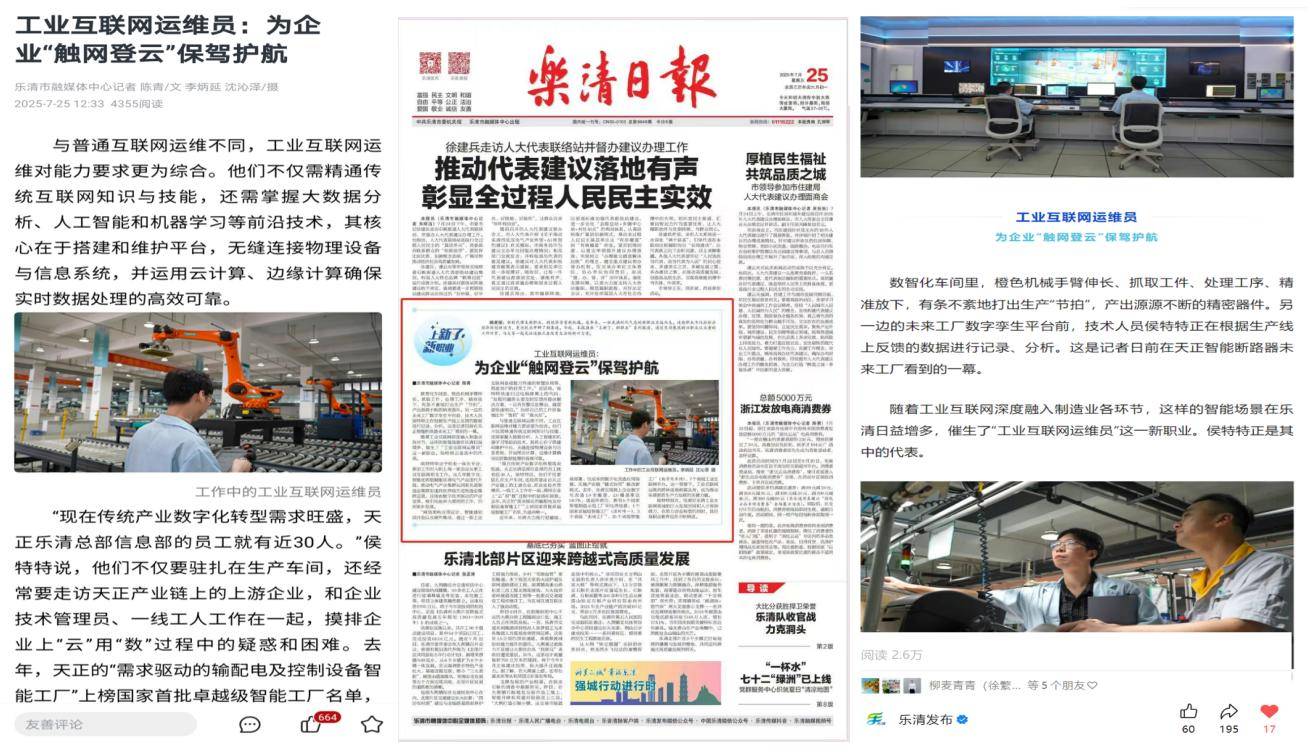
Core Insights - The article highlights the emergence of industrial internet operation engineers as essential professionals in the digital transformation of traditional industries, acting as "digital doctors" for smart factories [3][4] - Zhejiang Tianzheng Electric Co., Ltd. has established a smart circuit breaker factory that utilizes a digital twin platform to monitor production conditions and data in real-time [3] - The demand for digital transformation in traditional industries is increasing, with Tianzheng's smart factory being recognized as one of the first batch of excellent smart factories in China [4] Industry Overview - The development of the industrial internet is characterized by high integration, intelligence, and ecological features, widely applied across manufacturing, energy, transportation, and healthcare sectors [3] - Industrial internet operation engineers require a comprehensive skill set, including traditional internet knowledge, big data analysis, artificial intelligence, and machine learning [3] Company Insights - Tianzheng's information department employs nearly 30 industrial internet operation engineers who work closely with upstream enterprises and frontline workers to address challenges in the digital transformation process [4] - The company’s smart factory was recognized as the only excellent smart factory in Wenzhou, showcasing its leadership in the industry [4]


中远海科2025上半年营收7.89亿元 数字航运与供应链业务保持稳健增长势头
Quan Jing Wang· 2025-08-26 09:04
Group 1 - The company reported a revenue of 789 million yuan and a net profit of 9.83 million yuan for the first half of 2025 [1] - The digital shipping and supply chain business segment achieved a revenue of 414 million yuan, an increase of 8.81% year-on-year, while the digital city and transportation segment saw a revenue decline of 23.62% to 368 million yuan due to decreased customer demand and intensified competition [1] - The marketing center has established a four-level marketing system that significantly shortens the conversion cycle for major clients, leading to a notable increase in contributions from strategic clients [1] Group 2 - The company is accelerating the construction of a "platform + product + service" business model, with its shipping management platform serving over 900 vessels and the highway toll comprehensive business platform covering four provincial-level toll centers [2] - The company has over 200,000 personal users and more than 1,800 enterprise users on its shipping platform, with over 300 vessels installed with the self-developed crew behavior perception system [2] - The company has applied for and authorized 95 invention patents and obtained 7 software copyrights within the year, while participating in the formulation of 25 national standards [2][3]

英伟达3499美元机器人“大脑”发售 宇树、优必选等已率先使用!关键财报前夕 华尔街急需新故事
Mei Ri Jing Ji Xin Wen· 2025-08-26 08:28
Core Insights - NVIDIA is extending its dominance in data centers to the physical world with the launch of the Jetson Thor robot computing platform, which features a significant performance leap of 7.5 times compared to its predecessor [2][3] - The release of Jetson Thor is seen as a critical move for NVIDIA to initiate its "second growth curve," with expectations of substantial growth in its automotive and robotics segments, projected to increase by 80% year-over-year [2][9] Product Launch - Jetson Thor, priced at $3,499, boasts an AI computing power of 2070 TFLOPS and is designed to run complex generative AI models locally on robots, enhancing their real-time perception and decision-making capabilities [2][3] - The platform introduces multi-instance GPU (MIG) technology, allowing for the safe operation of high-safety motion control tasks alongside non-critical AI applications, thereby improving reliability [3] Ecosystem Development - NVIDIA is building a comprehensive ecosystem around Jetson Thor, which includes a triad architecture: AI factories for training, digital twins for simulation, and the Jetson Thor for deployment in physical environments [4][5] - Major companies, including Boston Dynamics, Amazon Robotics, and OpenAI, are early adopters of Jetson Thor, signaling its importance in developing advanced robotics [5][6] Market Expectations - The upcoming Q2 earnings report is highly anticipated, with analysts predicting total revenue of approximately $45.8 billion, a year-over-year increase of about 52% [8][9] - The automotive and robotics sectors are expected to be the main highlights of the earnings report, with a projected acceleration in growth from 72% to 80% [9][10] Challenges Ahead - Despite the powerful capabilities of Jetson Thor, the broader robotics industry faces challenges in achieving human-like flexibility and functionality, which may delay widespread adoption [8] - The success of Jetson Thor as a growth engine depends on the scalability of robotics applications and the maturity of the physical environment [8][10]


武汉控股:启动“水环境智创空间”建设
Zhong Zheng Wang· 2025-08-26 07:18
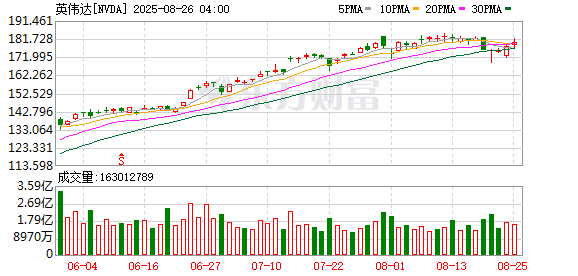
Core Viewpoint - Wuhan Holdings is launching the "Water Environment Intelligent Innovation Space" in the Hubei region to provide comprehensive solutions for water environment management, with a planned investment of nearly 10 billion yuan from the Wuhan Urban Investment Group and Huangpi District [1][3]. Group 1: Project Overview - The project aims to integrate technology research and development, achievement transformation, and industry cultivation to create a tech innovation base [1]. - The total planned construction area for the innovation space is approximately 48,000 square meters, expected to be fully operational by the end of 2026 [1][2]. - The project will incorporate various intelligent equipment, including drone monitoring systems and pipeline robots, to enhance pollution source identification and water quality monitoring [1][2]. Group 2: Technological Integration - The project includes the construction of an intelligent sewage treatment plant with a design capacity of 80,000 tons per day, expected to commence operations in June 2025 [2]. - The sewage treatment plant will utilize "smart pipeline + digital twin" technology to optimize treatment processes, aiming to reduce energy consumption by approximately 12% and decrease carbon emissions by about 2,600 tons annually [2]. Group 3: Collaboration and Innovation - The innovation space has initiated partnerships with universities such as Huazhong University of Science and Technology and Wuhan University to establish a "Water Environment Joint Laboratory" focusing on key technologies for reducing nitrogen and phosphorus pollution [2]. - The first batch of five technology companies has entered the space, with two already recognized as national "specialized and innovative" enterprises, demonstrating significant improvements in pollution load reduction during the rainy season [2][3]. Group 4: Future Development - The innovation space will be developed in three phases, with the first phase focusing on intelligent equipment integration and pilot platform construction, the second phase introducing upstream and downstream enterprises, and the third phase establishing a water environment governance industry fund [3]. - By 2030, the park is expected to host over 50 water environment governance companies, generating an annual output value exceeding 3 billion yuan and creating over 2,000 new jobs in the region [3].

河北雄安新区——机器狗“电工”上岗
Ren Min Ri Bao Hai Wai Ban· 2025-08-26 04:35
Core Viewpoint - The introduction of robotic technology, specifically the four-legged inspection robots, significantly enhances the efficiency and safety of power supply operations in the Xiong'an New Area, showcasing advancements in automation and smart technology in the energy sector [1][6][8]. Group 1: Robotic Technology Implementation - The Xiong'an New Area's underground cable tunnel features the first dual-chamber cable tunnel, spanning 16.15 kilometers, which is crucial for stable power supply [2]. - The robotic dog, weighing approximately 40 kilograms and standing 1.4 meters tall, is equipped with various sensors for real-time monitoring of the tunnel environment and cable conditions [2][3]. - The robot operates autonomously with minimal human intervention, capable of detecting partial discharge and hazardous gases, thus improving safety during inspections [3][5]. Group 2: Efficiency and Operational Improvements - The robotic dogs can complete inspections of the 11.75-kilometer tunnel section in about three to four hours, compared to the 22 hours required for human inspections [5]. - The integration of 5G technology allows for real-time data transmission and remote control, enhancing operational responsiveness and efficiency [5][7]. - The use of AI cameras in conjunction with the robotic dogs enables advanced monitoring capabilities, including the identification of safety hazards [6][8]. Group 3: Technological Advancements - The project incorporates cutting-edge technologies such as digital twin systems, laser radar SLAM technology, and edge computing, facilitating precise navigation and autonomous operations in complex underground environments [6][8]. - The deployment of a dedicated 5G network within the cable tunnel supports low-latency communication and enhances the overall safety and efficiency of operations [7][8]. - The combination of these technologies represents a significant shift towards intelligent inspection methods in the power supply industry, reducing labor intensity and improving safety [6][8].
活力中国调研行 | 每118秒,这里就有一辆新能源汽车下线
Huan Qiu Wang Zi Xun· 2025-08-26 03:43
来源:人民日报客户端湖北频道 0:00 在湖北省武汉经济技术开发区岚图汽车总装车间,总装线上的半成品汽车正排着队,在机械臂和工人的 协同配合下,经过冲压、焊装到涂装、总装等多道工序,便顺利下线。 "每118秒,我们这里就有一辆整车下线。"岚图汽车总装工厂总监胡勇介绍,目前这个工厂有935台工业 机器人在协同作业,具备年产15万辆新能源汽车整车生产能力,并能同时实现不同车型、不同颜色、不 同配置的汽车定制化生产。 岚图天元智能架构。 岚图汽车总装车间的半成品汽车。 岚图汽车,作为东风汽车集团旗下的高端智慧电动车汽车品牌,成立于2019年4月。虽然年轻,却成长 很快。 今年4月9日,岚图汽车第20万辆整车下线。"我们有理由相信,生产下一个20万辆将会更加迅 速。"岚图汽车首席执行官卢放说。 岚图汽车的快,技术是根本。为了吸纳和培育智能化人才,岚图汽车通过校企合作、共建实验室、硕博 联合培养等形式,在北京、上海、武汉等地部署研发团队。目前,岚图汽车的研发人员占总人数的超 40%。 岚图汽车的快,销量是保障。今年上半年,岚图汽车累计销量达56128辆,同比增长85%。 不仅国内销量增长快,岚图汽车先后进入挪威、芬兰、 ...
机器狗“电工”上岗
Ren Min Ri Bao Hai Wai Ban· 2025-08-25 22:53
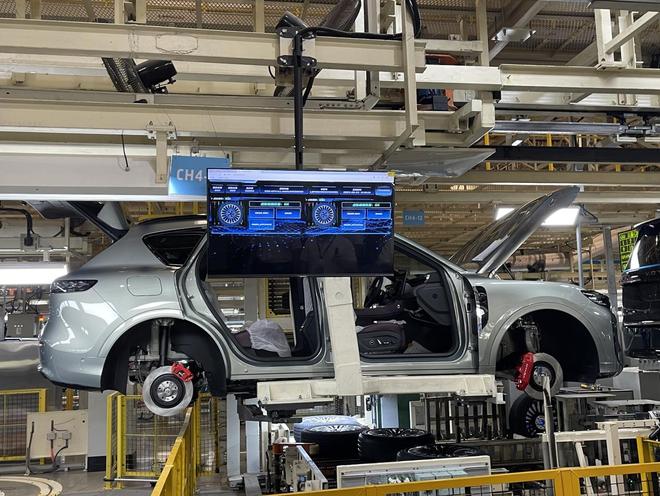
Core Viewpoint - The introduction of quadruped inspection robots in the Xiong'an New Area's underground cable tunnels significantly enhances operational efficiency and safety in power supply management. Group 1: Technology and Functionality - The quadruped inspection robot, weighing approximately 40 kg and standing 1.4 meters tall, is equipped with visible light and infrared cameras for real-time monitoring of the tunnel environment and cable conditions [2][4]. - The robot can autonomously navigate and perform inspections over a distance of up to 6 kilometers, with a normal walking speed of 0.8 meters per second and a "hurry mode" speed of 2 meters per second [2][5]. - It features gas detection capabilities, temperature and humidity monitoring, and can conduct partial discharge detection using its mechanical arm [3][6]. Group 2: Operational Efficiency - The use of four robots can complete inspections of the 11.75-kilometer tunnel section in approximately three to four hours, compared to the 22 hours required for a two-person manual inspection [5][6]. - The robots operate in a fully 5G-enabled environment, allowing for real-time video transmission and immediate adjustments to their routes if necessary [5][8]. Group 3: Integration of Technologies - The project integrates 5G technology, digital twin systems, and AI capabilities, creating a comprehensive smart operation network with 278 AI cameras for enhanced monitoring and defect detection [7][8][9]. - The digital twin system allows for remote control and monitoring of the robots, facilitating a shift towards intelligent inspection methods [7][9]. Group 4: Safety and Risk Management - The robots can assess potentially hazardous environments, such as those with toxic gases, before human personnel are deployed, thereby reducing risks associated with manual inspections [6][8].
看“新”时代永卓“进化论”
Su Zhou Ri Bao· 2025-08-25 22:52
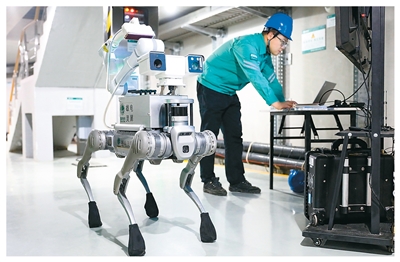
Core Insights - The company is leveraging smart technology to enhance its steel production and logistics processes, creating a fully automated tracking system for steel products [1][2][3] - The integration of digital twin technology and real-time data monitoring is transforming traditional manufacturing practices into a more efficient and quality-driven model [3][4] - The company is expanding its operations into high-performance materials, such as carbon fiber, marking a significant shift from traditional steel production to advanced material manufacturing [8][10] Group 1: Smart Manufacturing and Automation - The company has developed an intelligent system that automates the entire steel production and logistics process, ensuring precise tracking and error reduction [1][2] - Digital platforms are being utilized to optimize energy consumption in heating processes, achieving energy savings of 8% to 10% [4] - The implementation of over 8,000 data collection points across production lines has established a remote, controllable, and observable intelligent steel rolling system [4][7] Group 2: Technological Innovation and New Materials - The company is focusing on high-performance carbon fiber production, achieving mass production of T1100 grade carbon fiber and establishing advanced production lines [8][10] - Collaborations with research institutions are enhancing the company's capabilities in developing advanced materials for aerospace and other high-tech applications [8][10] - The transition from traditional metallurgy to high-performance materials is a strategic move to diversify and strengthen the company's market position [10][12] Group 3: Talent Development and Innovation Ecosystem - The company emphasizes the importance of talent acquisition and development, investing over 10 million annually in training programs [12][13] - A multi-faceted talent cultivation system has been established, including partnerships with universities and practical training bases [12] - The company has received over 1,000 authorized patents, showcasing its commitment to innovation and technological advancement [11][13]