新型电力系统

Search documents
昊创瑞通: 长江证券承销保荐有限公司关于公司首次公开发行股票并在创业板上市的上市保荐书
Zheng Quan Zhi Xing· 2025-08-27 13:17
Company Overview - Beijing HCRT Electrical Equipments Co., Ltd. is a high-tech enterprise focused on smart distribution equipment and digital solutions for distribution networks, established on February 13, 2007, with a registered capital of 82.1 million yuan [1][2] - The company specializes in the research, production, and sales of smart distribution equipment, including smart ring main units, smart pole-mounted switches, and box-type substations, which are essential for the digital transformation of distribution networks [1][2] Business Achievements - The company has been recognized as a national-level "Little Giant" enterprise, a national green factory, and a high-tech enterprise, with certifications in quality management, environmental management, and intellectual property management [2][19] - The company holds 132 patents and 30 software copyrights, including 15 invention patents, and has participated in the formulation of 2 national standards [2][18] Financial Performance - The total assets of the company reached 711.96 million yuan in 2024, with a net profit of 111.29 million yuan, showing a compound annual growth rate of 24.47% and 27.22% in revenue and net profit respectively from 2022 to 2024 [3][4] - The company's operating income for the years 2022, 2023, and 2024 was 559.80 million yuan, 672.37 million yuan, and 867.25 million yuan respectively, indicating a strong growth trajectory [4][11] Market Position - The company has a strong market presence, ranking 6th, 2nd, and 3rd in the bidding quantities for smart ring main units, smart pole-mounted switches, and box-type substations respectively within the State Grid's procurement [19] - The company operates in a competitive market with low concentration, lacking monopolistic players, which presents both opportunities and challenges for maintaining market share [5][11] Technological Innovation - The company has developed key technologies such as distribution network fault location and self-healing technology, IoT integration for distribution equipment, and high-precision power sensor technology, forming a robust core technology system [2][28] - The company’s products are recognized for their advanced technology, with certain products achieving international advanced levels as certified by the China Electric Power Enterprise Association [3][18] Industry Context - The smart distribution equipment industry is closely tied to China's energy investment strategies, with significant investments in the power grid, including 527.7 billion yuan in 2023, of which 292 billion yuan was allocated to distribution networks [11][28] - The industry is expected to grow in alignment with national policies promoting smart grid and new power system developments, emphasizing the need for intelligent, integrated, and environmentally friendly equipment [28]

昊创瑞通: 长江证券承销保荐有限公司关于公司首次公开发行股票并在创业板上市的发行保荐书
Zheng Quan Zhi Xing· 2025-08-27 13:17
Group 1 - The core viewpoint of the news is that Changjiang Securities is acting as the lead underwriter for the initial public offering (IPO) of Beijing Haochuang Ruitong Electric Equipment Co., Ltd. on the ChiNext board, ensuring compliance with relevant regulations and conducting thorough due diligence [1][6][12] - The issuer, Beijing Haochuang Ruitong Electric Equipment Co., Ltd., has a registered capital of 82.10 million yuan and was established on February 13, 2007, with its shares listed as of November 26, 2020 [3][4] - The IPO involves the issuance of 27.90 million shares, accounting for 25.36% of the total share capital post-issuance, with a par value of 1.00 yuan per share [3][4] Group 2 - The underwriting team includes representatives Su Haiqing and Liang Guochao, both of whom have extensive experience in investment banking and have participated in multiple IPO projects [2][3] - The internal review process of the underwriting institution includes several stages such as project initiation, internal verification, and committee reviews, ensuring a comprehensive assessment of the IPO application [5][6] - The issuer's financial health is indicated by its net assets of 233.58 million yuan, 322.86 million yuan, and 436.02 million yuan over the past three years, with a stable operating performance and a debt-to-asset ratio of 37.15% as of December 31, 2024 [14][15] Group 3 - The company operates in the smart distribution equipment sector, which is recognized as a strategic emerging industry, aligning with national policies promoting the development of smart power systems [24][23] - The company has developed key technologies such as fault location and self-healing technology for distribution networks, enhancing the intelligence and efficiency of power distribution systems [24][23] - The recent government guidelines emphasize the need for upgrading distribution networks and promoting smart technologies, which aligns with the company's strategic direction and product development [23][24]
陕西省新型电力工业产业链推介招商签约互采对接会举办
Zhong Guo Xin Wen Wang· 2025-08-27 11:24
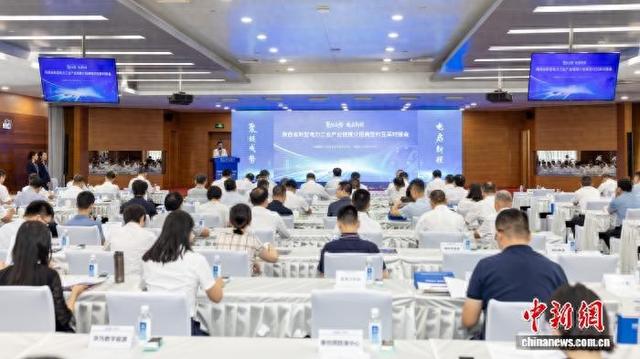
中新网西安8月27日电 (阿琳娜 庞苏苏)陕西省发展和改革委员会、陕西省工业和信息化厅联合主办的陕 西省新型电力工业产业链推介招商签约互采对接会26日召开。 陕西省新 型电力工业产业链推介招商签约互采对接会举办。庞苏苏 摄 会议以"聚链成势 电启新程"为主题,旨在为陕西省新型电力工业产业链上下游企业间交流合作搭建平 台,推动形成新型电力工业产业内培外引、聚链成群的良好发展局面。 会上,中国能建西北院、国网陕西省电力有限公司、西安交通大学等单位的代表分别围绕新型电力系统 构建、绿色转型、新一代煤电技术、陕西省"十五五"新型电力系统规划发展思路等方面作主题发言,西 陕西省新 型电力工业产业链推介招商签约互采对接会举办。庞苏苏 摄 安交通大学、华为数字能源技术有限公司分别围绕低碳园区高品质供电和全电物流2项具有代表性的产 业技术进行了技术路演。 在到场嘉宾的共同见证下,18个政企合作、企业互采对接、技术合作和金融合作项目现场签约。 中国能建西北院党委书记、董事长刘增强表示,当前新型电力系统建设进入加速转型阶段,中国能建西 北院将充分发挥全专业、多领域的技术优势和丰富实践经验,全力服务省内电源、电网重大项目建设, 持 ...

国电南瑞: 国电南瑞2025年半年度报告
Zheng Quan Zhi Xing· 2025-08-27 09:59
Core Viewpoint - The report highlights the financial performance and strategic initiatives of NARI Technology Co., Ltd. for the first half of 2025, showcasing significant revenue growth and a focus on innovation in the energy and industrial control sectors [1][3]. Financial Performance - The company's consolidated net profit attributable to shareholders for the first half of 2025 was approximately RMB 2.95 billion, with an undistributed profit of about RMB 31.51 billion as of June 30, 2025 [1]. - Total revenue for the first half of 2025 reached approximately RMB 24.24 billion, representing a year-on-year increase of 19.54% [3]. - The total profit for the period was approximately RMB 3.55 billion, an increase of 8.08% compared to the previous year [3]. - The basic earnings per share increased by 9.26% to RMB 0.37 [4]. Business Overview - NARI Technology is a leading enterprise in the energy and industrial control sectors, focusing on intelligent energy solutions and automation technologies [5][6]. - The company provides a wide range of products and solutions across various industries, including energy, municipal utilities, and environmental protection, serving over 100 countries [5][6]. Strategic Initiatives - The company is committed to advancing its technological capabilities, focusing on areas such as smart grids, digital transformation, and low-carbon energy solutions [5][10]. - NARI Technology aims to enhance its core competitiveness by integrating cutting-edge technologies like artificial intelligence, edge computing, and digital twins into its operations [5][8]. - The company has established a comprehensive industrial layout, emphasizing the development of four major industry clusters: smart grid, energy internet, industrial internet, and low-carbon energy [5][10]. Market Expansion - In the first half of 2025, NARI Technology signed contracts worth approximately RMB 35.43 billion, marking a year-on-year increase of 23.46% [19]. - The company has successfully expanded its international business, with significant growth in markets such as Saudi Arabia and South America, and has secured contracts for major projects [19].

2025年电力信息通信新技术大会在武汉成功召开,共绘电力行业数智化新蓝图
Zhong Guo Neng Yuan Wang· 2025-08-27 08:51
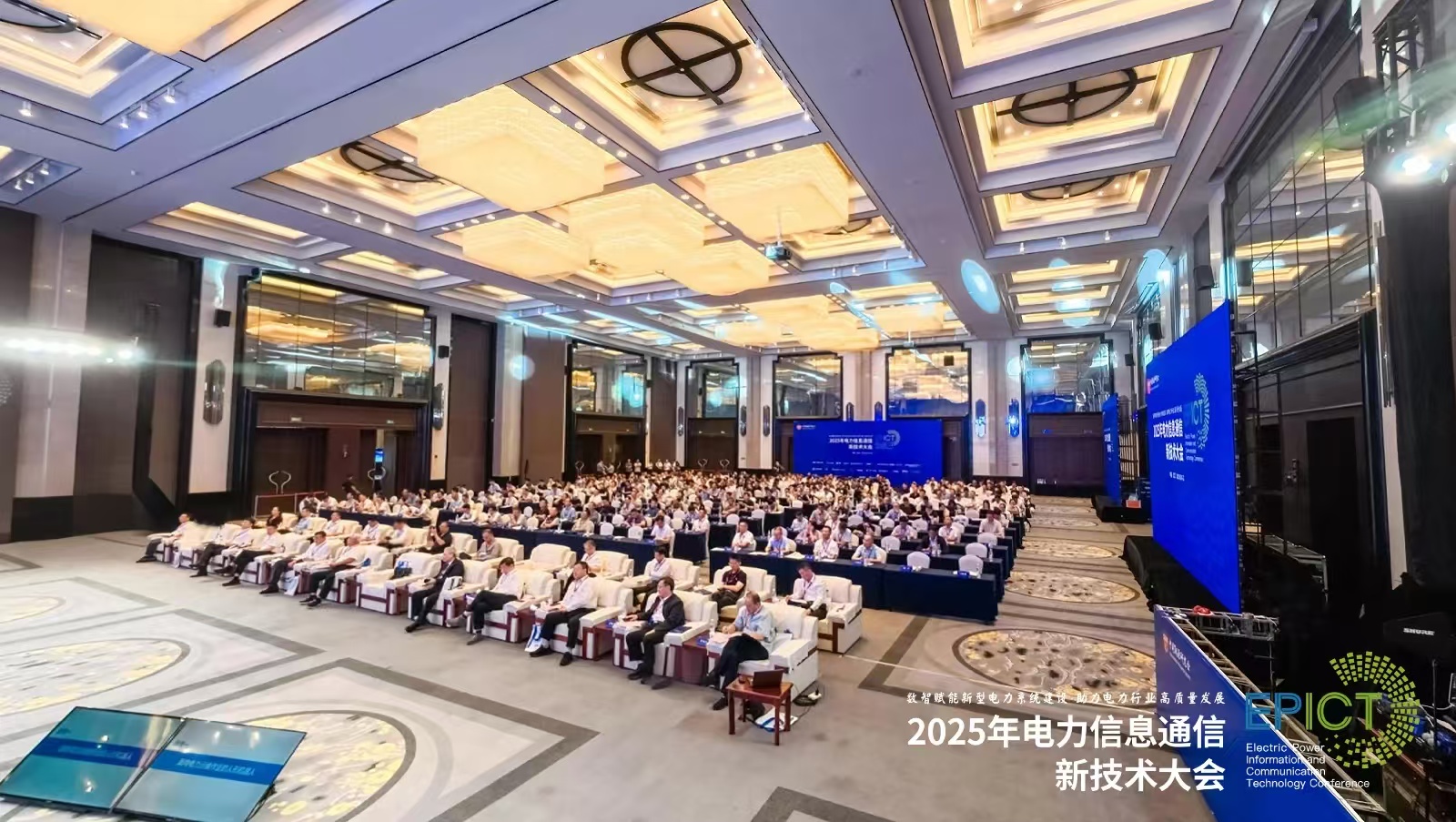
Core Insights - The 2025 Power Information Communication New Technology Conference in Wuhan, China, gathered over 800 participants from various sectors, marking the largest scale and influence in its history [1][3][22] - The conference emphasized the role of information communication technology as a core engine driving the transformation of the power sector, particularly in the context of high proportions of renewable energy [4][22] Group 1: Key Themes and Discussions - The conference highlighted the transition of China's power communication network from a traditional model to a new form characterized by high-speed, ubiquitous, and integrated cloud-network systems [4][16] - Experts discussed the challenges posed by distributed energy integration and data security, advocating for platform-based thinking to optimize resource allocation and explore intelligent paths for power dispatch and customer service [6][22] - Two significant white papers were released, focusing on the communication target network for new power systems and the development of next-generation low-voltage power line broadband communication [10][12] Group 2: Expert Contributions and Innovations - Notable presentations included discussions on the evolution of 6G technology, the application of mobile robotics in power operations, and the integration of artificial intelligence and digital twin technologies in the power sector [6][16] - The conference featured a variety of innovative solutions, such as humanoid robots and heavy-duty quadruped transport robots, aimed at enhancing operational efficiency in the power industry [6][16] - The event also showcased a range of new technologies and products through case presentations and interactive experiences, reflecting the growing interest in innovative applications within the power information communication field [19][22] Group 3: Future Directions and Industry Standards - The conference underscored the importance of developing industry standards and promoting the standardization of new technologies in the power sector, particularly in areas like information, communication, and security [19][22] - Experts agreed on the necessity for continued integration of data elements with financial capital to facilitate the green and low-carbon transition in the energy sector [22] - The event served as a platform for fostering international cooperation to address global energy challenges, highlighting the collaborative efforts needed for future advancements in the power industry [22]
“十四五”粤港澳大湾区首个抽蓄工程首台投产
Zhong Guo Dian Li Bao· 2025-08-27 07:23
Core Viewpoint - The successful commissioning of the first unit of the Meizhou Pumped Storage Power Station Phase II marks a significant milestone in China's pumped storage sector, enabling immediate market participation and enhancing the regulation capacity of the new power system [1][9]. Group 1: Project Overview - The Meizhou Pumped Storage Power Station Phase II was approved in December 2021 and commenced construction in September 2022, with the first unit now operational [1]. - The total investment for the Meizhou Pumped Storage Power Station is approximately 12 billion yuan, making it the largest pumped storage project in the Guangdong-Hong Kong-Macao Greater Bay Area [13]. Group 2: Technical Specifications - The newly commissioned unit has a total weight of about 2,000 tons and a height exceeding 30 meters, equivalent to a 10-story building [3]. - The unit can convert 300,000 cubic meters of water into 300,000 kilowatt-hours of clean electricity per hour, meeting the daily electricity needs of 50,000 households [2]. Group 3: Market Participation and Performance - The Meizhou Pumped Storage Power Station has already participated in the electricity market, trading a total of 1.74 billion kilowatt-hours and responding to market demands over 4,200 times, with a 37% increase in daily activation frequency compared to before market entry [6][9]. - The station's market trading capacity has reached 1.5 million kilowatts, making it the leader in the national pumped storage market [8][9]. Group 4: Environmental and Regulatory Impact - The pumped storage power station is designed to support the integration of renewable energy sources like wind and solar, acting as a "battery" for the new power system [10]. - The project adheres to strict environmental standards, achieving zero wastewater discharge and implementing advanced technologies for noise control and dust suppression [11]. Group 5: Future Prospects - Upon completion of the remaining three units, the total installed capacity of the Meizhou Pumped Storage Power Station will reach 2.4 million kilowatts, with an annual clean energy consumption capacity of approximately 7.2 billion kilowatt-hours [13].


国家能源局:推进共享储能与新能源联合运行,探索建立发电侧容量补偿机制
中关村储能产业技术联盟· 2025-08-27 07:13
Group 1: Core Views - The National Energy Administration supports the establishment of pilot cities for local consumption and direct supply of renewable energy, particularly in regions like Guangxi Qinzhou and Gansu Jiuquan, to enhance the consumption of renewable energy and increase the proportion of clean energy in industrial sectors [1][8][10] Group 2: Support for Peak Regulation Projects - The National Development and Reform Commission (NDRC) and the National Energy Administration emphasize the importance of enhancing the power system's regulation capacity through policies and initiatives, including the issuance of the "Power System Regulation Capacity Optimization Action Implementation Plan (2025-2027)" [2][9] - The NDRC and the National Energy Administration are accelerating the construction of a unified national electricity market system to allow various regulation resources to participate in the market and gain corresponding benefits [2][9] - Funding support for new energy storage projects is being provided through long-term special bonds to enhance regulation capabilities [2][9] Group 3: Clarification of Energy Storage Pricing Mechanism - The NDRC has issued guidelines to improve the time-of-use pricing mechanism, which includes establishing peak and valley pricing to better reflect market conditions [3][11] - A market-oriented pricing mechanism for renewable energy is being developed to facilitate the participation of regulatory resources in market competition [3][11] Group 4: Promotion of New Energy Storage Models - The National Energy Administration supports the adoption of shared energy storage models to enhance the power system's regulation capacity and is exploring diverse application scenarios for new energy storage [4][11] Group 5: Support for Private Enterprises - The National Energy Administration has issued measures to promote the development of private enterprises in the energy sector, encouraging investment in new energy technologies and expanding financing channels [12]
用算法为新型电力系统赋能——国网湖北电力虚拟电厂建设观察
Zhong Guo Dian Li Bao· 2025-08-27 07:07
Core Insights - The development of virtual power plants in Hubei has accelerated due to supportive policies and mechanisms, with the establishment of the first provincial-level virtual power plant platform in Central China [1][2] Group 1: Virtual Power Plant Overview - Virtual power plants aggregate various distributed energy resources, including distributed generation, energy storage systems, commercial buildings, 5G base stations, and electric vehicles, creating a "cloud power plant" [2] - As of July, Hubei's virtual power plant has connected 38 entities, with 27 registered publicly, and has integrated 2,248 adjustable users and 12,270 terminal-level resources, totaling a reported capacity of 22 million kilowatts [2] Group 2: Operational Mechanisms - Hubei Electric Power provides operational support systems for virtual power plant operators, facilitating user modeling, electricity information verification, transaction organization, and operational monitoring to ensure efficient participation in the electricity spot market [3] - The company plans to streamline the entire business process for virtual power plants to engage in spot market transactions, promoting collaboration among power plants, grid companies, and commercial users [3] Group 3: Balancing Supply and Demand - By the end of July, Hubei's wind and solar power installed capacity reached 53.55 million kilowatts, accounting for 40.29% of the province's total power generation capacity, with renewable energy becoming the largest power source [4] - The virtual power plant helps manage the randomness and volatility of renewable energy by balancing supply and demand through peak shaving and valley filling, effectively absorbing excess renewable energy during low demand periods [4] - During a peak demand period in Jiangxi, Hubei's virtual power plant responded to grid demand by adjusting production schedules in industries like metallurgy and cement, facilitating the transfer of adjustment capacity across provinces [4] Group 4: Economic Impact - During a recent response period, the maximum valley-filling power from Hubei's virtual power plant reached 233,900 kilowatts, generating auxiliary service revenue of 5,243.76 yuan for participating enterprises [5] - The virtual power plant operates as an advanced intelligent scheduling control system, managing interruptible loads like air conditioning in large electricity-consuming facilities to maintain power balance without compromising grid stability or normal production [5]
全力应对能源转型给电力系统带来的挑战
Zhong Guo Dian Li Bao· 2025-08-27 06:28
Core Insights - The article highlights the increasing carbon emissions and climate change as significant global challenges, with a focus on China's commitment to peak carbon emissions by 2030 and achieve carbon neutrality by 2060 [1] - The power sector is identified as a major contributor to carbon emissions, accounting for approximately 40% of energy-related emissions in China, necessitating a transition to cleaner energy sources [1] - China's renewable energy capacity has seen remarkable growth, with new installations surpassing 300 million kilowatts in 2024, representing over half of the global new capacity [1] Group 1: Challenges in Energy Transition - The increasing penetration of renewable energy is posing challenges to grid stability, with some grids experiencing penetration rates nearing or exceeding 50% [2] - Theoretical challenges include the need for new stability theories for high-renewable systems, the rethinking of traditional power generation and consumption balance, and the transformation of distribution networks to accommodate distributed energy resources [2][3] - Operational challenges involve increased difficulty in grid regulation due to the variability of renewable energy sources, rising risks to reliable power supply, and the complexity of maintaining system stability with a higher proportion of power electronics [3] Group 2: Solutions and Strategies - Strengthening foundational research is essential, focusing on stability theories for high-renewable systems, improving scheduling and balancing mechanisms, and developing new distribution network operation theories [4] - Enhancing operational management includes building smart grids, accelerating the construction of energy storage resources, and ensuring reliable power supply through a balanced energy mix [5][6] - Emphasizing safety management for energy storage stations and establishing standards for system stability and integration of renewable energy sources into the grid are critical for the transition [6]
北京推进用户侧储电 储热/智能微电网/绿电直供等示范!数据中心2030年绿电占比100%
中关村储能产业技术联盟· 2025-08-27 06:23
Core Viewpoint - The article discusses the implementation plan for the "Beijing Renewable Energy Development and Utilization Regulations," emphasizing the integration of renewable energy into economic planning and the establishment of a new energy system to promote green and low-carbon transformation in the city [8][9]. Summary by Sections Overall Requirements - The plan aims to guide the development of renewable energy in Beijing, aligning with national policies and promoting sustainable development [9]. Main Tasks - Establish a comprehensive renewable energy planning system, integrating it into national and local economic plans [10]. - Accelerate the application of renewable energy, including increasing installed capacity for solar and wind energy [13]. - Enhance regional energy cooperation, particularly within the Beijing-Tianjin-Hebei area [13]. - Develop a new power system with a focus on smart grids and flexible power regulation [14]. Renewable Energy Promotion - Promote the establishment of a renewable energy consumption mechanism, including green certificate markets and green power consumption accounting [19]. - Encourage the use of renewable energy in public services and data centers, aiming for over 80% green power consumption by 2025 and 100% by 2030 [19]. Support for Technology and Industry Development - Support the establishment of innovation platforms in renewable energy, focusing on hydrogen, storage, and other key areas [21]. - Promote the development of a renewable energy standard system and enhance financial support for renewable energy projects [22]. Implementation Organization - Strengthen coordination among various departments and ensure the responsibilities of local governments and energy enterprises are clearly defined [24].