个人征信

Search documents
四川米袋金融:资质与征信,哪个更重要?
Sou Hu Cai Jing· 2026-02-10 06:20
Group 1: Loan Qualification Factors - Borrowers' income stability is a key indicator of repayment ability, requiring proof of income and bank statements [3] - Possession of assets such as property, vehicles, or savings enhances a borrower's appeal to banks, as these can serve as alternative repayment sources [3] - Job stability and the industry outlook significantly influence loan approval, with public sector jobs generally having an advantage [5] Group 2: Personal Credit Situation - Credit history reflects a borrower's repayment habits, with timely repayments boosting credit scores [6] - Frequent credit inquiries may signal risk to lenders, as multiple loan applications can indicate potential repayment issues [6][7] - Current debt levels and any overdue payments negatively impact a borrower's credit status [8] Group 3: Importance of Qualification and Credit - A combination of good qualifications and good credit typically results in successful loan applications with favorable terms [10] - Good qualifications paired with poor credit make it challenging to secure loans, although collateral can improve chances [10] - Good credit with poor qualifications may still lead to loan approval, but with lower limits [10] - Poor qualifications and poor credit severely limit loan approval opportunities [10]


央行信用修复新政落地,多地网友晒逾期“清零”截图
Di Yi Cai Jing Zi Xun· 2026-01-03 06:11
Core Viewpoint - The new personal credit repair policy, effective from January 1, 2026, automatically clears overdue records for individuals with overdue debts of up to 10,000 RMB, significantly reducing the operational burden on citizens [9]. Group 1: Policy Details - The policy targets overdue information from January 1, 2020, to December 31, 2025, for single amounts not exceeding 10,000 RMB, allowing individuals to have their overdue records removed if they repay their debts by March 31, 2026 [9]. - The implementation of the policy follows an "automatic enjoyment" mechanism, meaning individuals do not need to apply or submit documentation, as the credit system will automatically process the changes [9]. Group 2: Impact on Individuals - Many individuals have reported their credit reports showing no overdue records after the policy's implementation, indicating a positive reception among the public [6][10]. - The policy aims to assist those who have small overdue records due to unforeseen circumstances, providing them with an opportunity to rebuild their credit [9]. Group 3: Implications for Financial Institutions - Longjiang Securities' research report suggests that the policy may slightly improve the quality of retail assets for banks, as it encourages overdue customers to repay their debts promptly [10]. - The removal of historical overdue records for those who have settled their debts is expected to facilitate future loan applications, as credit history significantly influences approval rates [10]. - The policy is anticipated to alleviate the pressure on retail loan overdue rates and non-performing loan ratios, which have been on the rise [10].
你的征信可能更新了央行一次性信用修复政策生效实施,哪类人适用、该怎么操作?
Xin Lang Cai Jing· 2026-01-03 03:48
Core Viewpoint - The People's Bank of China has implemented a one-time credit repair policy aimed at supporting individuals with damaged credit who actively repay their debts, thereby promoting economic recovery [1] Group 1: Policy Details - The one-time credit repair policy allows for the removal of overdue records for personal loans not exceeding 10,000 yuan if repaid by March 31, 2026 [1] - The policy applies to overdue information generated between January 1, 2020, and December 31, 2025, excluding new overdue records [1] - The policy operates on an "automatic recognition and processing" basis, meaning individuals do not need to apply or submit documentation [1] Group 2: Impact on Individuals - The policy aims to alleviate the long-term restrictions faced by individuals due to bad credit, which can affect loans, job applications, housing, and travel [1] - It encourages individuals to actively repay debts and correct past credit issues, countering the mindset of "once untrustworthy, always untrustworthy" [1] - Restoring credit is seen as essential for individuals to regain access to financial services, improving their quality of life and personal development [1] Group 3: Expert Opinions - Experts believe the policy balances financial risk prevention and social equity, reflecting the need for a dynamic and precise financial status [1] - The policy is viewed as reasonable and moderate, providing necessary support while preventing potential loopholes in credit repair [1] - The initiative is expected to stimulate consumption and investment, contributing to sustained economic growth [1]
2026年的第一天,“我的贷款逾期记录消除了”,多地网友晒出截图:赶上好时候了
Mei Ri Jing Ji Xin Wen· 2026-01-01 14:44
Core Viewpoint - The People's Bank of China has implemented a one-time credit repair policy that allows individuals to have certain overdue loan records removed from their credit reports, significantly improving their credit status as of January 1, 2026 [1][4]. Group 1: Policy Details - The policy was announced on December 22, 2025, to support individuals with damaged credit who have actively repaid their debts, aiming to aid economic recovery [1][4]. - Overdue information for personal loans not exceeding 10,000 yuan will not be displayed if the debt is repaid by March 31, 2026 [1][4]. - The credit repair process is automatic, requiring no application from individuals, and the credit reporting center will handle the technical processing of eligible overdue information [4]. Group 2: Individual Experiences - Many individuals have reported their credit reports being updated, with overdue records being cleared. For example, a person who had 47 months of overdue records found them all removed [2][3]. - Another individual noted a reduction in overdue records from 9 to 2, with the cleared records primarily from 2021 [2]. - A third individual shared that previously recorded overdue loans under 10,000 yuan were also removed, although some records remained due to penalties exceeding the threshold [3]. Group 3: Implementation and Impact - The policy is designed to be fair and straightforward, not differentiating between loan types or institutions, thus providing a broad opportunity for credit rebuilding [4]. - The credit reporting center is tasked with ensuring that any remaining overdue records that should be cleared can be addressed through customer service channels [4].

央行启动信用修复,1万元以下逾期还清不影响买房买车
3 6 Ke· 2025-12-24 09:51
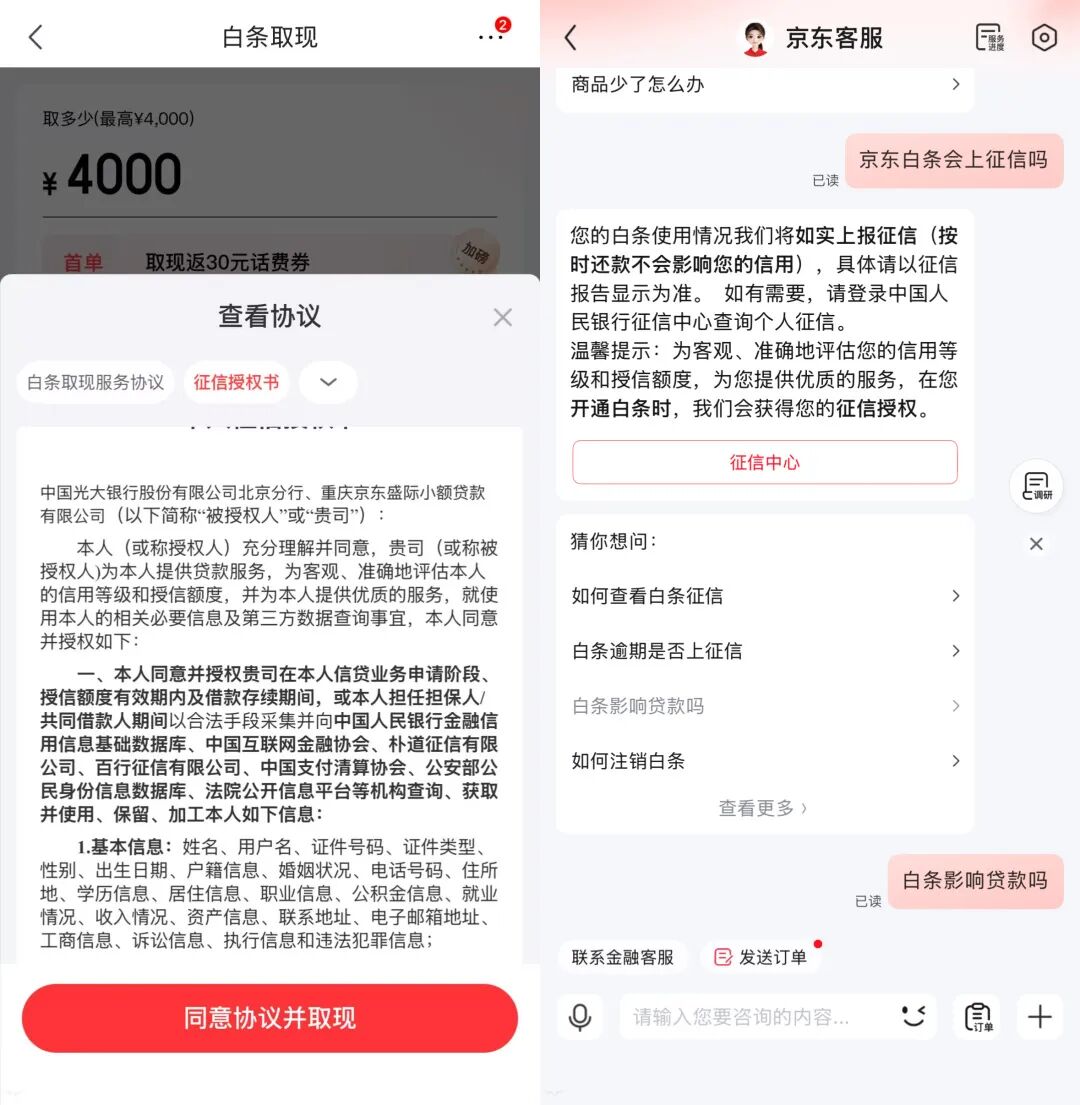
Core Insights - The article discusses the impact of credit records on individuals' financial opportunities, particularly in relation to loans and mortgages, highlighting the growing concern over credit management in the context of increasing credit consumption [1][3][13] Group 1: Credit Information and Its Implications - As of November 2025, the central bank's credit system has recorded credit information for 810 million individuals, indicating the extensive reach of credit data [1] - Small overdue amounts, even as low as 100 yuan, can lead to significant consequences, such as loan rejections, affecting individuals' ability to secure mortgages or business loans [1][3] - The article emphasizes that all credit products, including "Huabei" and "JD White Bar," are reported to the credit system, and consumers often overlook the implications of their credit behavior when using these services [7][9] Group 2: Risks Associated with "Buy Now, Pay Later" Schemes - The "Buy Now, Pay Later" model has become increasingly popular, but it poses risks such as impulsive spending and potential credit damage due to missed payments [9][12] - Many consumers are unaware of the credit implications of these services, as they are often set as default payment options, leading to unintentional credit obligations [9][12] Group 3: Credit Repair Initiatives - The People's Bank of China has introduced a one-time credit repair policy aimed at individuals with small overdue amounts, allowing for the removal of certain overdue records if debts are settled by specific deadlines [16] - This policy applies to various types of loans, including personal, housing, and consumer loans, and aims to alleviate the credit challenges faced by individuals [16] - The initiative reflects a broader trend towards improving the credit repair system, with recent regulations and guidelines being established to support this effort [14][16]
办信用卡抵物业费,都市左岸鼓励业主“薅银行羊毛”
Xin Lang Cai Jing· 2025-12-19 12:49
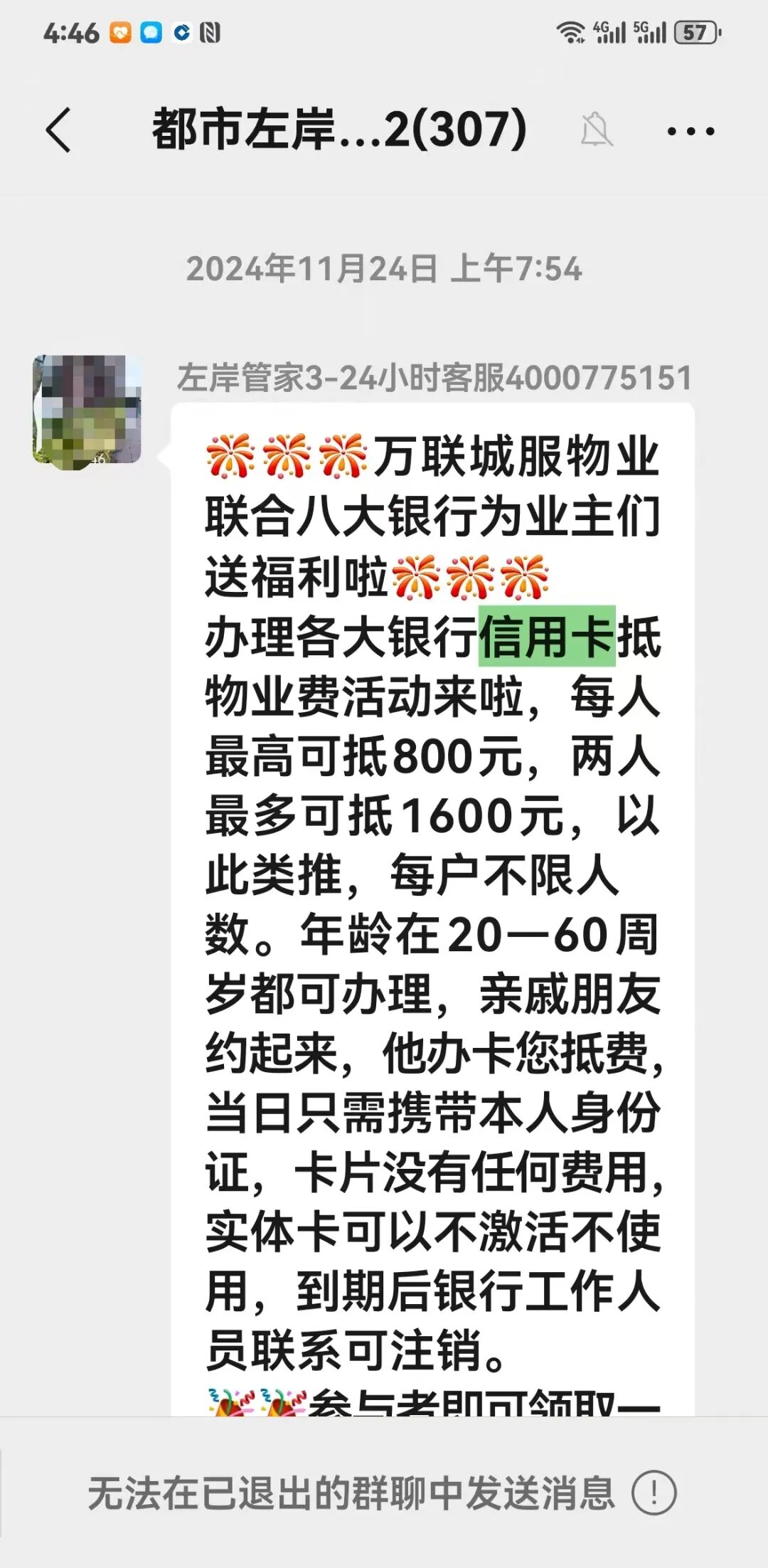
Core Viewpoint - The property management of the Urban Left Bank community has partnered with multiple banks since 2022 to promote a "credit card fee deduction" program, raising concerns among residents about financial security and personal credit risks [1][3][9]. Group 1: Program Details - The community collaborates with eight to nine banks annually, encouraging residents to apply for specific credit cards to receive a deduction of 100 yuan from their property fees for each card obtained [1][11]. - Residents can apply for credit cards from multiple banks, with some families reportedly obtaining over ten cards collectively [1][11]. Group 2: Resident Concerns - While many residents find the program beneficial, there are growing concerns regarding personal information security and the potential for credit damage due to mismanagement of credit cards [3][9]. - Some residents have reported their concerns to local regulatory authorities, leading to a directive for the property management to cease promoting the program in resident groups [3][9]. Group 3: Regulatory Response - The local financial regulatory authority indicated that only one of the banks involved is under their direct supervision, and residents would need to seek recourse at the bank's location in case of disputes [5][11]. - The property management claims that the program is voluntary and does not provide any financial benefit to them, as the fees deducted are properly invoiced [11][12]. Group 4: Credit Card Management - Bank representatives stated that residents can apply for credit cards over the phone without visiting bank branches, and clarified conditions regarding card cancellation and annual fees [11][12]. - Legal experts warn that while the program appears advantageous, it may carry hidden risks, such as negative impacts on credit scores from excessive credit card applications and potential difficulties in future credit approvals [6][12].
个人信用救济是多赢之举
Sou Hu Cai Jing· 2025-11-12 22:19
Core Viewpoint - The People's Bank of China is researching a one-time personal credit relief policy aimed at removing certain overdue records from credit reports for individuals who have repaid their loans, which is expected to be implemented early next year [1][2] Group 1: Policy Implications - The personal credit report, often referred to as an "economic ID," significantly influences individuals' ability to secure loans and the cost of borrowing [1] - The new policy is designed to alleviate the long-term impact of overdue records on individuals who have repaid their debts, as these records currently remain for five years [1] - This initiative is expected to encourage individuals to actively repay overdue debts, thereby enhancing consumer spending and entrepreneurial activity, which could stimulate economic growth [1] Group 2: Impact on Financial Institutions - For banks, borrowers actively repairing their credit and repaying overdue debts will aid in recovering overdue loans and improving asset quality [2] - Financial institutions may re-engage with previously defaulted individuals who have repaired their credit, potentially expanding their customer base with growth potential [2] - The policy is not a "credit wash" but is targeted at non-malicious defaulters, requiring careful implementation to balance economic relief and prevent opportunistic behavior [2]
【头条评论】 实施个人信用救济政策一举多赢
Zheng Quan Shi Bao· 2025-10-30 19:23
Core Viewpoint - The People's Bank of China is researching a one-time personal credit relief policy to help individuals repair their credit records, particularly for those who have defaulted on loans below a certain amount during the pandemic and have since repaid them. This initiative aims to address personal credit challenges and stimulate economic activity [1][2]. Group 1: Policy Details - The policy will not display default information in the credit system for individuals who have repaid loans that were in default due to the pandemic, thus acting as a "repair key" for credit records [2]. - The implementation of this policy is expected to occur in early next year, with specific details such as the default amount threshold, application process, and information removal timeline to be clarified [4]. Group 2: Social Impact - The credit relief policy reflects a governance approach that emphasizes fairness and inclusivity, acknowledging that the pandemic's impact is not a reflection of individual capability [3]. - By alleviating the credit burdens on affected individuals, the policy aims to restore consumer confidence and spending potential, contributing to social stability and harmony [3]. Group 3: Financial System Implications - The policy is seen as an opportunity for quality improvement within the financial system, as it encourages previously reluctant clients to return to formal financial institutions, thereby reducing disputes and enhancing market order [3]. - It maintains the integrity of the credit system by ensuring that only those who meet specific criteria—defaults during the pandemic, below a certain amount, and full repayment—are eligible for relief, thus balancing accountability and leniency [3].
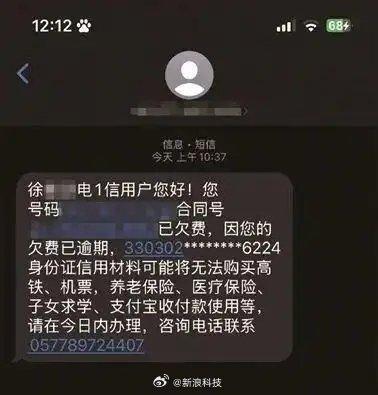
电信回应欠费影响征信称尚未纳入系统,短信系善意提醒
Xin Lang Ke Ji· 2025-07-31 07:32
Group 1 - The core issue revolves around a recent incident where a citizen received a debt collection message from a telecom company, indicating that overdue broadband fees could impact personal credit and various aspects of life, including children's education [1][2] - The message mentioned that overdue payments could lead to restrictions on purchasing high-speed train tickets, flights, and other services, which are related to the enforcement of credit penalties for individuals classified as "dishonest" [1][2] - The collection of dishonesty information is managed by multiple departments, including the court system and credit management agencies, and is primarily focused on civil execution cases [2] Group 2 - A telecom company representative confirmed that long-term unpaid debts could result in a credit record being created, which would be automatically uploaded to the system if not addressed [2] - The local branch of the telecom company clarified that currently, overdue broadband fees are not included in credit reporting, and paying the owed amount would resolve the issue [2] - The debt collection message is intended as a reminder, and there may be variations in how different outlets handle such communications [2]

焦点访谈|多项重大金融政策齐发力 稳步推进制度型开放关键布局
Yang Shi Wang· 2025-06-21 13:40
Core Viewpoint - The 20th Central Committee of the Communist Party of China emphasizes "improving the high-level open system and mechanism," with a focus on "steadily expanding institutional openness" as a key deployment for financial reform and development in China [1]. Financial Policies Overview - Eight financial opening measures will be implemented in Shanghai, including the establishment of an interbank market trading report library, a digital RMB international operation center, and a personal credit institution [3][5]. - The aim of these policies is to enhance financial market openness, reduce cross-border capital flow settlement costs, and attract more foreign investment into China [3][5]. Digital RMB International Operation Center - The establishment of the digital RMB international operation center is a first for China, aimed at promoting the international use of the digital RMB and enhancing its position in the global monetary system [7][9]. - The digital RMB leverages blockchain and smart contract technology for real-time cross-border payment settlements, significantly reducing transaction times from 3-5 days to seconds [9][11]. Personal Credit Institution - The new personal credit institution in Shanghai will complement the existing central bank credit system by incorporating a wider range of data sources, thus enriching credit profiles for consumers [11][13]. - This initiative is expected to facilitate easier access to credit for consumers, particularly benefiting young individuals and stimulating consumption [13]. Science and Technology Innovation - The China Securities Regulatory Commission announced the introduction of a "growth layer" on the Sci-Tech Innovation Board, providing a "green channel" for tech companies to access capital markets [15][17]. - This policy aims to support innovative and high-growth tech enterprises, allowing them to secure funding even if they are not yet profitable [15][17]. Shanghai International Financial Center - The Central Financial Committee issued opinions to accelerate the construction of Shanghai as an international financial center, aiming for a comprehensive upgrade in the next 5-10 years [19]. - The shift from policy-based to institutional openness is intended to create a stable investment environment for international capital, thereby driving economic growth in China [19].