
价格陷阱

Search documents
热点追踪丨选了“最低票价”反而多花钱?
Jing Ji Wang· 2026-01-14 03:04
Core Viewpoint - The article highlights the deceptive practices of online travel platforms that advertise "lowest prices" but often lead to higher final costs due to hidden fees and bundled services, misleading consumers and complicating their purchasing decisions [1][2]. Group 1: Pricing Strategies - Some platforms use "price inducement" strategies to attract users, displaying a low initial price that later increases due to additional fees, such as a 61 yuan delay package, resulting in a final payment of 869 yuan instead of the expected lower price [1]. - Consumers may find that a seemingly higher-priced option, when stripped of hidden fees, can actually be cheaper, as demonstrated by a comparison where a 709 yuan ticket resulted in a final cost of 819 yuan, 50 yuan less than the "lowest price" option [1]. Group 2: Consumer Rights and Regulatory Issues - The practice of bundling services without clear consent has been criticized, with previous regulations like the E-commerce Law of 2019 aiming to protect consumer rights by requiring explicit consent for bundled services [3][4]. - Despite regulatory efforts, new forms of hidden pricing traps have emerged, complicating consumer protection and making it difficult for consumers to assert their rights due to high costs and low returns on pursuing claims [4]. Group 3: Recommendations for Platforms and Regulators - Platforms are urged to abandon short-sighted profit strategies based on consumer deception and instead focus on transparent pricing and quality service to build consumer trust [6]. - Regulatory bodies should refine standards for identifying and addressing new deceptive practices, enforce penalties on frequently complained platforms, and provide consumers with rights such as a seven-day return policy for bundled products [6].

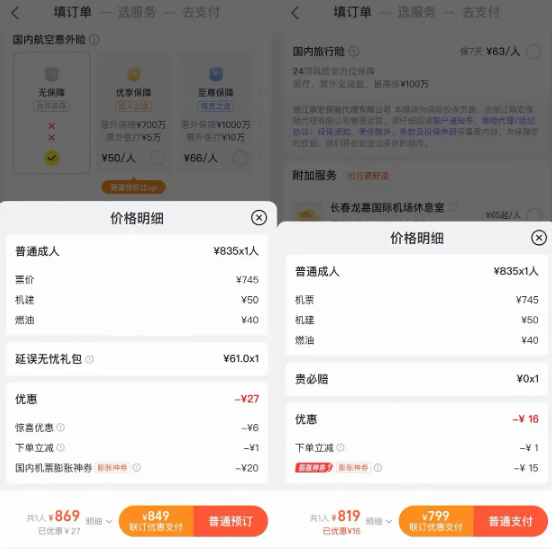
从视觉诱导到价格陷阱,购票平台少点套路吧
Xin Jing Bao· 2026-01-08 12:40
Group 1 - The article highlights the issue of ticket purchasing platforms employing deceptive pricing strategies, such as showing a lower initial price that increases during payment due to hidden service fees [2][3] - It describes the "price sorting trap," where platforms list packages with service fees as the lowest price, misleading consumers into believing they are getting a deal [2] - The article also points out "visual display deception," where platforms use design tactics to highlight paid options while downplaying standard booking choices, leading to consumer confusion [2] Group 2 - The underlying motivation for these practices is the platforms' profit-seeking nature, as they aim to maximize revenue through upselling additional services due to limited earnings from basic ticket sales [3] - Current regulations lack clear definitions and penalties for misleading practices like "price sorting deception" and "visual design inducement," making it difficult to hold platforms accountable [3] - The article calls for regulatory action to establish clearer standards for consumer protection and emphasizes the need for platforms to focus on improving user experience rather than employing deceptive tactics [3]

曾火爆深圳的称重快餐,如今为何凉了?网友:套路太深,全是坑!
Sou Hu Cai Jing· 2025-12-25 09:49
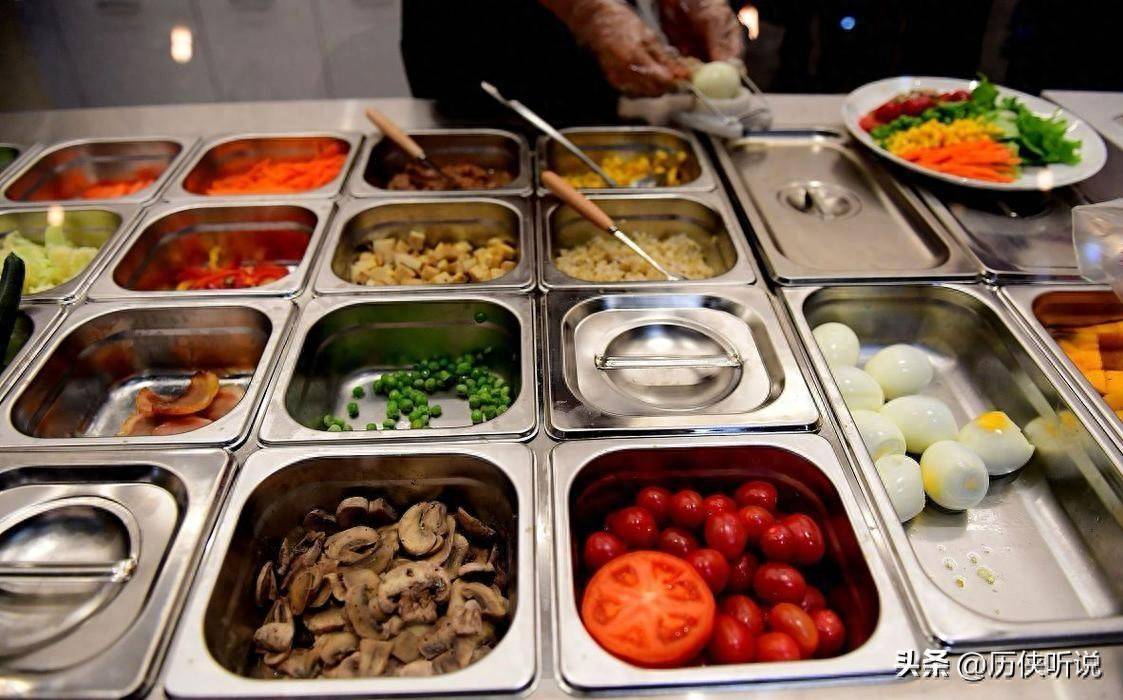
Core Viewpoint - The decline of weighing fast food restaurants in Shenzhen is attributed to hidden pricing traps, low cost-performance ratio, and issues with consumer trust due to practices like inaccurate scales [1][27]. Pricing Strategy - The advertised price of 3.68 yuan per two (liang) creates a misleading perception of affordability, as it translates to 36.8 yuan per jin (斤) [3]. - Customers often experience shock at checkout, where the total cost exceeds their expectations, highlighting the deceptive nature of the pricing strategy [5][14]. Cost-Performance Ratio - Weighing fast food restaurants fail to provide value for money, as additional charges for rice (2 yuan) and smaller portion sizes lead to dissatisfaction compared to traditional fast food options [10][12]. - Many customers report feeling unsatisfied after spending a similar amount as they would at traditional fast food restaurants, but receiving less food [12][14]. Consumer Trust Issues - The phenomenon of "ghost scales," where businesses manipulate the accuracy of electronic scales, significantly damages consumer trust [17][21]. - Customers often find discrepancies of about 20% in weight when they measure their food at home, which negatively impacts their dining experience [19][23]. Market Implications - The loss of consumer trust leads to a decline in business for weighing fast food restaurants, as negative experiences deter repeat visits [23][25]. - The decline serves as a reminder that the restaurant industry must prioritize food quality, customer experience, and fair pricing to thrive in a competitive market [25][27].
中消协:“双12”购物警惕先涨后降、优惠陷阱
Bei Jing Shang Bao· 2025-12-07 15:28
Core Viewpoint - The upcoming "Double 12" shopping season is marked by various promotional activities, prompting consumers to be cautious of price traps and to engage in rational consumption [1][2][3][4]. Group 1: Price Traps - Consumers should be wary of "price magic," particularly the "first raise then lower" tactic, where prices are artificially inflated before discounts are applied, creating a misleading perception of savings [1][2]. - It is advised that consumers monitor price fluctuations of desired products and utilize price comparison tools to verify price authenticity [1]. - Promotional activities may involve complex rules, leading to potential confusion and errors, thus consumers should carefully read the terms and conditions of promotions [1][2]. Group 2: Discount Limitations - Some discount offers come with numerous restrictions, such as limits on categories, quantities, regions, and timeframes, which may prevent consumers from enjoying the discounts [2]. - Consumers are encouraged to confirm the applicability of coupons and promotions before making purchases to avoid losing deposits due to non-compliance with terms [2]. Group 3: Advertising and Product Claims - Consumers should critically assess promotional claims that use absolute terms like "first in the whole network" or "100% effective," and verify product details and user reviews to avoid misleading information [3]. - It is essential to check the qualifications and ingredients of health-related products to avoid being misled by exaggerated advertising [3]. Group 4: Rational Consumption - The "Double 12" period can lead to impulsive buying; thus, consumers are advised to create shopping plans based on actual needs and financial capacity to avoid overspending [4]. - Consumers should be cautious with various credit products, understanding the terms and potential risks associated with installment payments [4]. - It is recommended to keep records of promotional promises and transaction details to facilitate resolution in case of issues with purchased products [4].
中消协:“双十二”购物警惕先涨后降、优惠陷阱
Bei Jing Shang Bao· 2025-12-07 03:25
Group 1 - The core message emphasizes consumer vigilance during the "Double Twelve" shopping season, highlighting potential deceptive pricing practices and the importance of verifying price authenticity [1][2][3] - Consumers are advised to be cautious of "price magic," where sellers may inflate prices before discounts, creating a false impression of savings [1] - The article warns against complex promotional rules that may lead to confusion and ultimately result in no real savings for consumers [1][2] Group 2 - It is crucial for consumers to understand the limitations of discounts, such as restrictions on categories, quantities, and timeframes, to ensure they can actually benefit from promotions [2] - The article discusses the risks of "price traps" and "big data price discrimination," urging consumers to verify prices before checkout and to compare prices across different accounts or platforms [2] - Consumers are encouraged to critically assess marketing claims and verify product details to avoid falling for exaggerated advertising [2][3] Group 3 - The article advises consumers to remain rational and not to be swayed by low-price promotions that may lead to unnecessary purchases [3] - It highlights the importance of budgeting and being aware of potential debt risks associated with impulsive buying during the shopping season [3] - Consumers are reminded to keep shopping receipts and other evidence to protect their rights in case of issues with purchased products [3]
谨防“优惠陷阱” 两部门发布“双十二”消费提示
Zhong Guo Xin Wen Wang· 2025-12-05 03:32
Core Viewpoint - The article emphasizes the importance of consumer awareness and caution during the "Double Twelve" shopping season, highlighting various promotional traps and providing guidelines to ensure rational and informed purchasing decisions. Group 1: Price Awareness - Consumers should be wary of "price magic," where sellers may inflate prices before discounts, creating a false impression of significant savings. It is advised to track price fluctuations and verify prices across different platforms [1] - The article warns against "price assassins," where products may not clearly display prices, leading to unexpected costs at checkout. Consumers are encouraged to verify price tags against final charges [4] Group 2: Promotion Complexity - Some promotional activities may involve complicated rules requiring consumers to engage in tedious calculations or meet multiple conditions, which can lead to confusion and potential loss of actual discounts. Consumers should prefer simpler promotional offers [2] - Consumers are advised to be cautious of promotions with numerous restrictions, such as limits on categories, quantities, or timeframes, to ensure they can actually benefit from the discounts [3] Group 3: Marketing Integrity - The article highlights the need for consumers to discern the authenticity of marketing claims, particularly exaggerated advertisements. It is crucial to check product details and reviews to avoid misleading promotions [5] - Consumers should remain skeptical of claims of "lowest prices" or "flash sales," as these may be tactics to induce impulsive buying. A rational assessment of product value and personal needs is recommended [6] Group 4: Financial Prudence - The shopping season can lead to unnecessary purchases driven by promotional pressure. Consumers are encouraged to create shopping plans based on actual needs and financial capacity to avoid debt [7] - It is important for consumers to retain shopping evidence, such as promotional promises and transaction records, to facilitate potential claims or disputes with sellers [8][9]