快餐业

Search documents
免签后的土耳其,悄悄围猎中国中产
3 6 Ke· 2026-01-04 02:53
Core Viewpoint - Turkey's recent visa exemption for Chinese tourists is seen as a strategy to attract more visitors amid rising domestic prices and economic challenges, but the actual cost of visiting may outweigh the benefits of the exemption [10][20]. Group 1: Visa Exemption and Tourist Experience - The announcement of visa exemption for Chinese tourists has generated excitement, but many travelers are cautioned about the high costs of visiting Turkey, which may negate the savings from the waived visa fees [10][20]. - The cost of visiting major attractions has significantly increased, with entry fees for places like the Hagia Sophia and Galata Tower now exceeding those of renowned European museums [3][7][10]. - The dual pricing system for foreign tourists exacerbates the feeling of being overcharged, with ticket prices for foreigners being substantially higher than for local citizens [7][20]. Group 2: Economic Context - Turkey's economy has faced severe challenges, including a record trade deficit of $110.2 billion in 2022 and an inflation rate that peaked above 85% [12][15]. - The government's economic policies, particularly low interest rates, have led to a devaluation of the Turkish lira, increasing the cost of imports and contributing to inflation [12][18]. - The tourism sector is crucial for Turkey's economy, contributing 12.5% to GDP and generating over $60 billion in revenue in 2024, making it a vital source of foreign currency [21][23]. Group 3: Future Implications - The visa exemption is part of a broader strategy to attract tourists from China, aiming to offset domestic economic pressures and stabilize the currency [20][25]. - The rising costs associated with tourism in Turkey suggest a shift from a budget-friendly destination to a more expensive, high-end cultural tourism market [28][29]. - Travelers are advised to prepare for increased budgets, with estimates suggesting a minimum of 20,000 to 30,000 RMB for a decent trip, reflecting the need for careful financial planning [29][30].


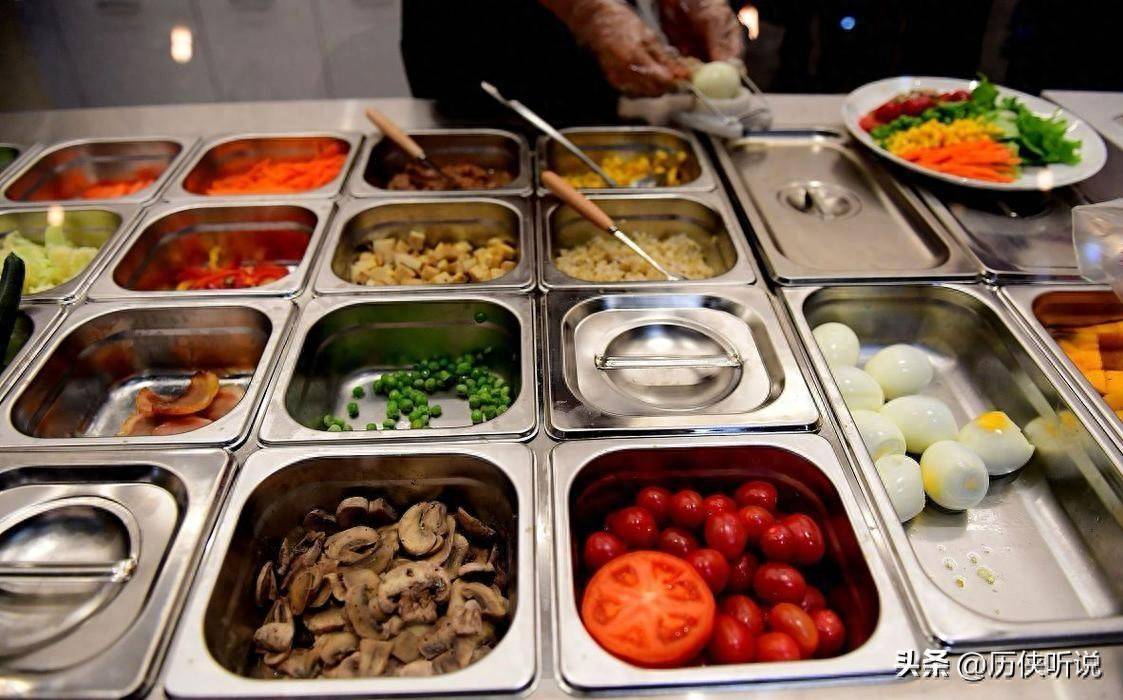
曾火爆深圳的称重快餐,如今为何凉了?网友:套路太深,全是坑!
Sou Hu Cai Jing· 2025-12-25 09:49
Core Viewpoint - The decline of weighing fast food restaurants in Shenzhen is attributed to hidden pricing traps, low cost-performance ratio, and issues with consumer trust due to practices like inaccurate scales [1][27]. Pricing Strategy - The advertised price of 3.68 yuan per two (liang) creates a misleading perception of affordability, as it translates to 36.8 yuan per jin (斤) [3]. - Customers often experience shock at checkout, where the total cost exceeds their expectations, highlighting the deceptive nature of the pricing strategy [5][14]. Cost-Performance Ratio - Weighing fast food restaurants fail to provide value for money, as additional charges for rice (2 yuan) and smaller portion sizes lead to dissatisfaction compared to traditional fast food options [10][12]. - Many customers report feeling unsatisfied after spending a similar amount as they would at traditional fast food restaurants, but receiving less food [12][14]. Consumer Trust Issues - The phenomenon of "ghost scales," where businesses manipulate the accuracy of electronic scales, significantly damages consumer trust [17][21]. - Customers often find discrepancies of about 20% in weight when they measure their food at home, which negatively impacts their dining experience [19][23]. Market Implications - The loss of consumer trust leads to a decline in business for weighing fast food restaurants, as negative experiences deter repeat visits [23][25]. - The decline serves as a reminder that the restaurant industry must prioritize food quality, customer experience, and fair pricing to thrive in a competitive market [25][27].
主打反预制,“上班族食堂”加速跑马圈地
Guan Cha Zhe Wang· 2025-12-16 09:44
Core Insights - The Chinese fast food brand "Mr. Rice" is accelerating its expansion, planning to open 53 new stores across multiple cities in December, including first stores in seven cities [1] - Mr. Rice has shifted from a solely self-funded growth model to a partnership recruitment strategy, aiming to integrate external resources for nationwide expansion [1][5] - The brand's current store distribution is concentrated in specific provinces, indicating significant market potential in other regions [1][2] Expansion Strategy - Mr. Rice is opening its first stores in cities such as Beijing, Guangzhou, and Suzhou, with a focus on integrating high-quality partners across 13 provinces [1] - The company has established strict criteria for potential partners, requiring them to have premium location resources and a minimum startup capital of 1 million yuan [5] - The goal of this partnership model is not just to increase store numbers but to penetrate untapped markets with potential [5] Market Trends - The fast food industry is undergoing a transformation from "eating enough" to "eating well," with consumers seeking quick yet quality meals [6] - Mr. Rice has capitalized on this trend by promoting fresh ingredients and on-site cooking, which resonates with health-conscious consumers [6][8] - The shift to fresh cooking has led to increased operational costs, with the company reporting a cost increase of 46 million yuan in the first half of 2025 [8] Competitive Landscape - The competition in the Chinese rice fast food sector is intense, with over 880,000 stores nationwide, including various emerging brands [9] - Maintaining profitability while expanding rapidly is a critical challenge for Mr. Rice, as the market becomes increasingly competitive [10] - The partnership model presents both opportunities and challenges, requiring alignment of interests and values between the brand and its partners [10] Future Outlook - Mr. Rice is entering a three-year window of market opportunity, with potential for growth if it can balance efficiency, quality, and brand integrity [10] - The ability to navigate the complexities of expansion while maintaining brand value will be crucial for the company's long-term success [10]

英国富翁卖公司赚37亿后计划重返职场,感到空虚无聊,目前仍租房住
Sou Hu Cai Jing· 2025-11-11 04:50
Core Insights - Tom Grogan, a 35-year-old British entrepreneur, became a billionaire after selling a majority stake in his UK fast-food chain Wingstop to a US private equity firm for £400 million (approximately RMB 3.748 billion) [1] - Despite achieving financial freedom, Grogan expressed that early retirement did not bring true happiness and is now planning to return to work [1][3] Group 1: Company Background - Grogan spent nearly 10 years building Wingstop from scratch in the UK, overcoming over 50 rejections from investors to successfully open 57 chain restaurants [3] - Initially starting as a construction worker earning £5 per hour, Grogan's journey reflects significant entrepreneurial success [3] Group 2: Emotional Impact of Success - Grogan found adapting to a life without work to be a new challenge, feeling a sense of emptiness after the sale of his company [3] - He emphasized the need for a daily goal to motivate himself, indicating that wealth alone cannot fill the void left by losing a sense of purpose [3] - Similar sentiments were echoed by other entrepreneurs like Brian Chesky and Siddharth Shankar, who also experienced emotional struggles after achieving significant financial success [4]

前议员警告美国陷入“破产” 银价回温上涨
Jin Tou Wang· 2025-11-07 01:57
Group 1 - Silver prices experienced fluctuations, currently reported at $48.68 per ounce, with a high of $48.77 and a low of $47.70, approaching the $49.00 level [1] - Former U.S. Congressman Ron Paul stated that the U.S. is facing a "moral and fiscal bankruptcy," highlighting a $1.9 trillion budget deficit and warning citizens to prepare for significant changes [2] - The ADP report indicated an unexpected increase of 42,000 jobs in the private sector for October, contrasting with McDonald's report of a double-digit percentage decline in low-income customer traffic [2] Group 2 - Technical analysis suggests that silver found support at the 50% Fibonacci retracement level of $45.85, with trading occurring between this level and $49.35 [3] - If silver prices break below $49.35, resistance may be encountered in the $50.40-$50.60 range, with a further upward target near the October 20 high of $59.80 [3] - Recent support levels are noted at $47.00 and $45.85, with a potential bearish scenario if these levels are breached, targeting the 61.8% Fibonacci retracement level and the September 24 low of $43.80 [3]
美国铸币局提前停产一美分硬币,“零钱荒”冲击当地零售业!每枚分币的生产成本高达3.7美分,远超本身面值
Sou Hu Cai Jing· 2025-11-03 02:18
Core Viewpoint - The United States is experiencing a "coin shortage" due to the early cessation of the production of the one-cent coin, which was ordered by President Trump, citing production costs exceeding the coin's value [1][3]. Group 1: Production and Economic Impact - The U.S. Mint was originally scheduled to stop producing the one-cent coin in 2026, but the last batch of raw materials was exhausted in the summer of this year, leading to the end of a 232-year production history [1]. - Each one-cent coin costs 3.7 cents to produce, significantly higher than its face value, which has raised concerns about taxpayer money being wasted [1]. Group 2: Market Dynamics and Responses - The American Bankers Association (ABA) indicates that the issue is not a shortage of supply but rather a circulation imbalance, with many coins being stored at home, reducing the number available in the market [3]. - Various retail chains are implementing strategies to address the coin shortage, such as encouraging customers to exchange one-cent coins for gift cards and asking customers to pay exact amounts to minimize the need for change [3]. - Some McDonald's locations have started rounding cash transaction amounts to the nearest five cents due to the shortage of one-cent coins, automatically adjusting bills by two cents [3].

前餐饮集团CEO出任美国驻欧盟大使,特朗普为何青睐非传统外交官背景人士?
Di Yi Cai Jing· 2025-08-05 07:39
Core Viewpoint - The Trump administration is increasingly appointing non-traditional diplomats as ambassadors, reflecting a preference for personal loyalty and direct communication over diplomatic experience [2][5][7]. Group 1: Appointment Trends - During Trump's first term, 46% of ambassadors were non-career diplomats, significantly higher than the typical cap of around 30% [2]. - Recent appointments include Andrew Puzder as U.S. Ambassador to the EU, who was confirmed by the Senate with a vote of 53 to 44 [1][4]. - Other notable non-traditional appointments include Jared Kushner as U.S. Ambassador to France and Kimberly Guilfoyle as U.S. Ambassador to Greece, both of whom have close ties to Trump [1][5]. Group 2: Characteristics of Appointees - Puzder, a businessman and former CEO of CKE Restaurants, aligns with Trump's critical views on the EU, emphasizing a transactional approach to diplomacy [4][6]. - Kushner's family wealth has reportedly increased nearly fourfold since Trump's election, indicating a potential intertwining of personal and political interests [5]. - The appointments of individuals with personal connections to Trump suggest a strategy focused on loyalty rather than traditional diplomatic qualifications [7][8]. Group 3: Implications for Diplomacy - Trump's approach to appointing ambassadors reflects a shift towards a more business-like management style in foreign relations, prioritizing direct communication and reducing the traditional roles of diplomatic institutions [9]. - This trend raises concerns about the qualifications of appointees and the potential impact on public trust in government, as personal relationships may overshadow professional expertise [8][9].
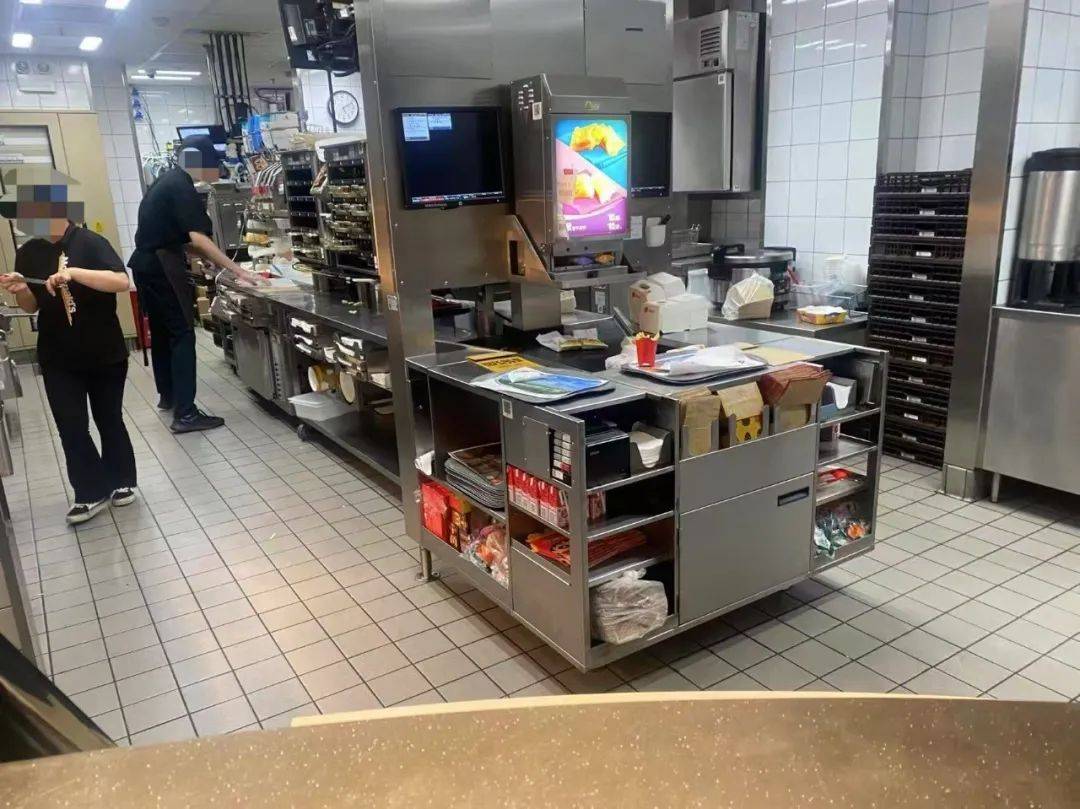
装配线上的“麦门”打工人
虎嗅APP· 2025-07-01 14:04
Core Viewpoint - The article explores the labor conditions in fast food chains, particularly McDonald's, highlighting the monotonous and dehumanizing nature of the work environment, as well as the emotional and physical toll on employees [3][4][5]. Labor Conditions - Employees at McDonald's are subjected to a highly automated and standardized work environment, where tasks are broken down into simple, repetitive steps, leading to a lack of personal connection and fulfillment [6][10][11]. - The hourly wage for regular employees is 19 yuan, which is lower than that in manufacturing jobs, and it takes 1,000 hours of work to receive a raise to 21 yuan [6][11]. Work Environment - The work environment is characterized by a strict division of labor, with employees assigned to specific stations and minimal interaction between them, creating a barrier that hinders teamwork and camaraderie [7][10]. - The fast-paced nature of the job, especially during peak hours and holidays, leads to overwhelming stress for employees, who must meet high customer demands while managing their own limitations [13][14]. Employee Experiences - Employees often feel a sense of disconnection from the food they prepare, as the production process prioritizes efficiency over personal satisfaction, leading to feelings of alienation [23][24]. - The article discusses the phenomenon of "stealing" food by employees, which reflects their struggle with the separation between their labor and the products they create, as well as the wastefulness of the food system [22][24]. Comparison with Competitors - Many employees at McDonald's have previously worked at KFC, where they experienced similar or worse working conditions, including extreme pressure during peak times and a lack of adequate staffing [19][20]. - The article highlights the competitive nature of the fast food industry, where employees often switch between companies in search of better working conditions, yet find similar challenges [19][20]. Waste and Sustainability - The article emphasizes the wastefulness of the fast food industry, where unsold food is discarded rather than given to employees, raising ethical concerns about food waste and the treatment of workers [24][25]. - The production of food in fast food chains is driven by efficiency metrics rather than nutritional value or employee welfare, leading to a system that prioritizes profit over sustainability [24][26].

装配线上的“麦门”打工人
Hu Xiu· 2025-07-01 11:31
Core Viewpoint - The article explores the working conditions and emotional experiences of employees in the fast-food industry, particularly at McDonald's, highlighting the mechanization and standardization of labor that diminishes personal connection and fulfillment [1][6][34]. Group 1: Employee Experience - Employees often feel disconnected from their work, as the fast-food environment prioritizes efficiency and standardization over personal interaction and emotional engagement [6][13]. - The work is described as monotonous and exhausting, with employees feeling like they are merely cogs in a machine, leading to a sense of alienation [13][34]. - The article emphasizes the camaraderie among employees, which is often overshadowed by the demands of the job and the pressure to maintain efficiency [5][24]. Group 2: Work Conditions - The pay structure for employees is low, with starting wages at 19 yuan per hour, which is lower than manufacturing jobs by 4-5 yuan [3][14]. - Employees are subjected to strict regulations regarding food waste, with any unsold food being discarded rather than given to staff, reflecting a focus on efficiency over employee welfare [32][36]. - The working environment is characterized by high pressure, especially during peak times, leading to chaotic situations where employees struggle to keep up with orders [15][18]. Group 3: Industry Practices - The fast-food industry, particularly McDonald's, relies heavily on automation and standardized processes, which limits the scope for employee creativity and personal input [9][10]. - There is a notable trend of employees moving between fast-food chains, such as from KFC to McDonald's, often due to poor working conditions at their previous jobs [25][26]. - The article critiques the industry's approach to food production, where items are prepared in anticipation of customer demand, leading to significant food waste if not sold within a certain timeframe [32][34].