光车融合

Search documents
武汉多家上市公司联袂签署倡议,共探“光车联动”路径
Zheng Quan Shi Bao Wang· 2026-01-19 13:32
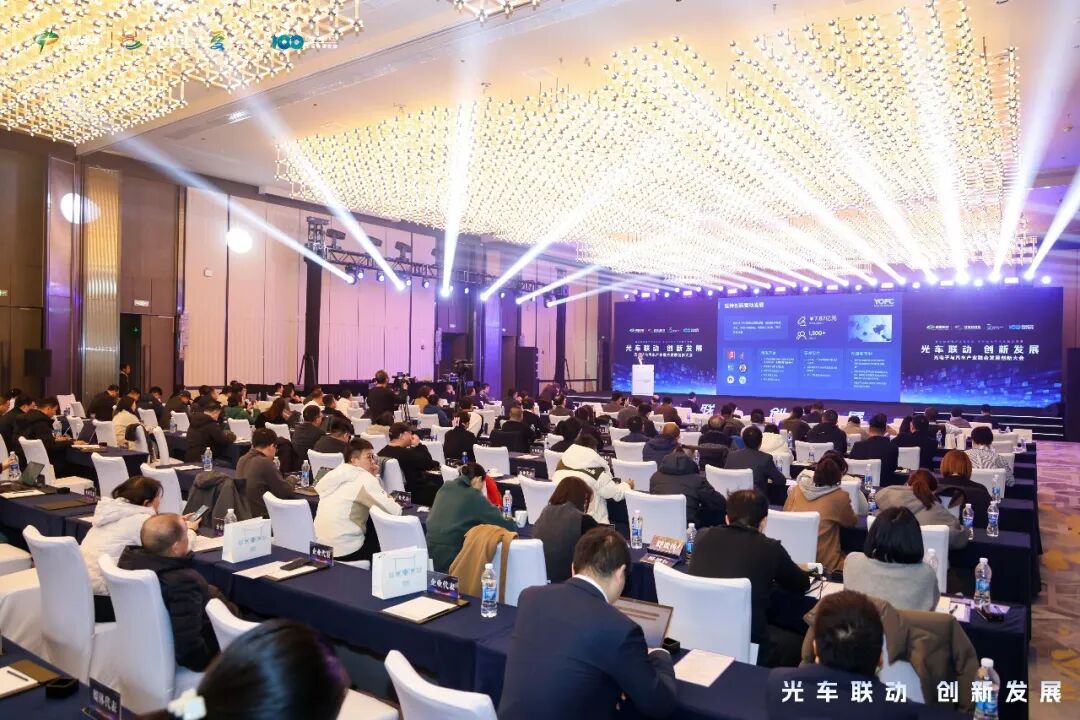
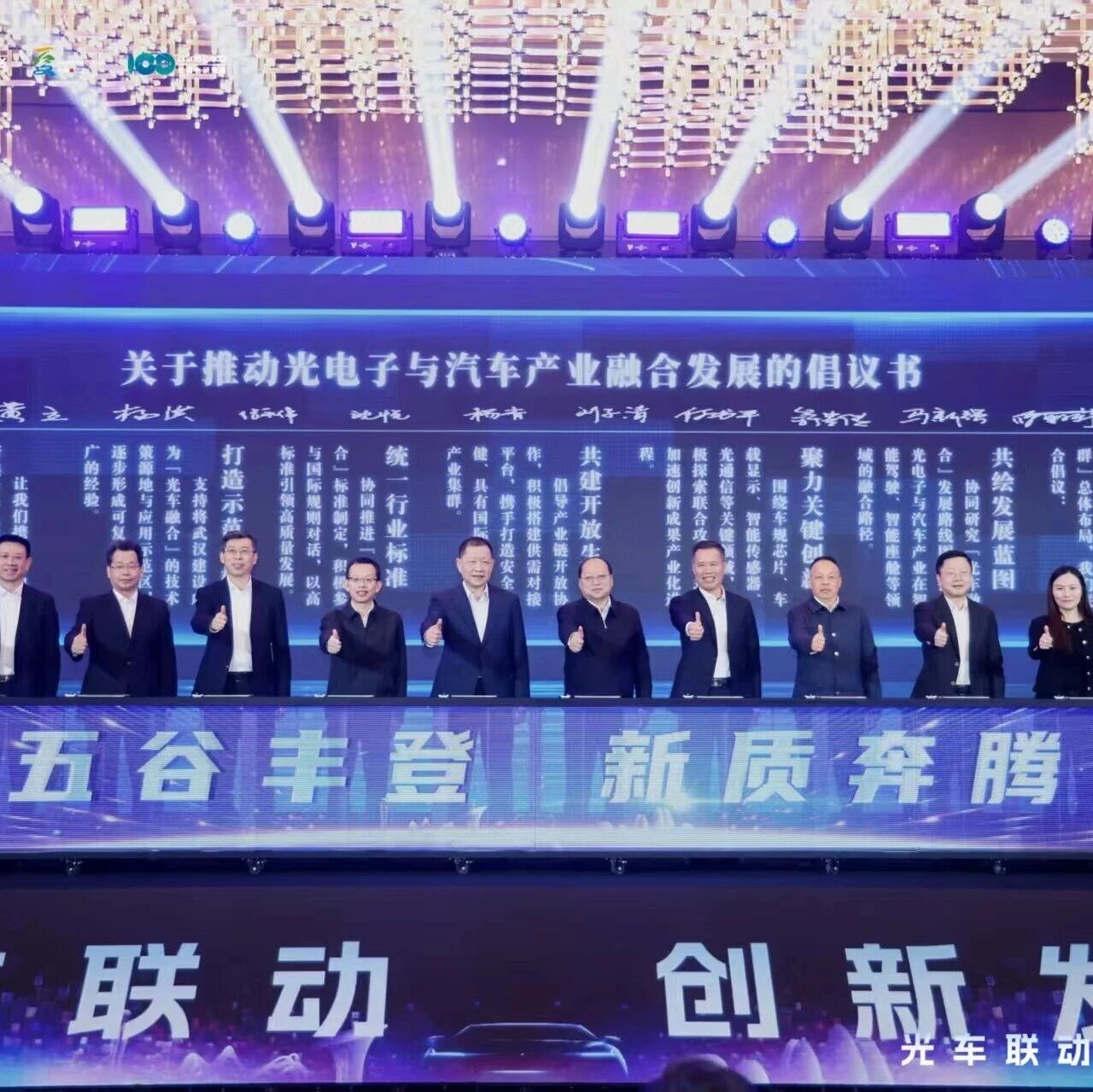
Group 1 - The "Optoelectronic and Automotive Industry Integration Development Innovation Conference" was held in Wuhan, where various districts and companies signed the "Opto-Car Linkage" initiative to seize opportunities in automotive intelligence, connectivity, and optoelectronic technology innovation [1] - Wuhan's East Lake High-tech Zone has a significant optoelectronic industry cluster, while the Wuhan Economic Development Zone is a key automotive industry base, potentially creating a new automotive industry cluster based on opto-car integration technology in China [1] - The Wuhan Economic Development Zone hosts 10 vehicle manufacturers, 14 vehicle factories, and over 1,200 parts suppliers, earning the title "China's Auto Valley" [1] Group 2 - The China Information Communication Technology Group emphasized the need to break barriers and establish a complete industrial chain from materials to systems to achieve high-level integration of automotive and optoelectronic technologies [1] - The initiative aims to leverage technological, industrial, and talent advantages to make Wuhan a leading source of vehicle optical communication technology and a hub for product application demonstration and industry aggregation [2] - Yangtze Optical Fibre and Cable Company stated that optical fibers will gradually replace existing copper wires in vehicles, offering faster transmission speeds, reduced weight, and greater stability [2] Group 3 - The initiative includes collaborative research on the development roadmap for "opto-car integration" and explores integration paths in areas like intelligent driving and smart cockpits [3] - Key areas for joint efforts include automotive-grade chips, onboard displays, smart sensors, and optical communication, with a focus on accelerating the industrialization of innovative results [3] - The initiative supports the establishment of Wuhan as a technology source and application demonstration area for "opto-car integration," aiming to create replicable and scalable experiences [3]
“光纤上车”爆发前夜,武汉抢占“光车融合”先机
第一财经· 2026-01-19 07:58
Core Viewpoint - The article discusses the emergence of L3-level autonomous driving and its impact on the automotive industry, particularly highlighting the integration of optical communication technology, which is expected to drive a new phase of cluster development in the sector [2][4]. Group 1: Industry Development - The automotive and optoelectronic information industries are key drivers of Wuhan's economic growth, with the city housing eight passenger car manufacturers and over 1,000 auto parts companies, achieving a total vehicle production capacity of 2.27 million units [4][5]. - By 2025, the scale of Wuhan's optoelectronic information industry is projected to reach approximately 850 billion yuan, with electronic information manufacturing contributing about 445 billion yuan and software business revenue around 405 billion yuan [5]. - The automotive industry in China is expected to surpass 10 trillion yuan in revenue by 2025, providing significant application scenarios for new technologies such as semiconductors and artificial intelligence [5][6]. Group 2: Technological Integration - The "optical-vehicle integration" initiative aims to address critical areas such as automotive-grade chips and smart sensors, establishing a collaborative research mechanism among various stakeholders [2][6]. - Companies like Wuhan Haiwei Technology and Wuhan Binary Semiconductor are leading advancements in automotive display technology and high-speed optical communication, respectively, with the latter's first domestically produced automotive-grade MCU chip set to launch this year [6][7]. - The transition from copper to optical fiber in vehicles is anticipated to enhance data transmission speed and reduce weight, with industry leaders predicting significant economic benefits from this shift [7]. Group 3: Challenges and Recommendations - The integration of communication, optoelectronics, and artificial intelligence into the automotive sector presents challenges such as technical compatibility, standardization, and supply chain barriers [7]. - To facilitate deeper integration, it is recommended to establish collaborative innovation platforms to address foundational issues in technology linkage, standard development, and certification [7].

“光纤上车”爆发前夜,武汉抢占“光车融合”先机
Di Yi Cai Jing· 2026-01-19 06:53
Core Insights - The automotive industry is entering a new phase characterized by the integration of optical communication technology, driven by the advent of Level 3 autonomous driving, which is expected to lead to a significant growth in vehicle-mounted optical communication systems [1][4] Group 1: Industry Collaboration and Initiatives - A "Light-Car Interaction" initiative was signed by major companies including Dongfeng Motor, China Information Communication Technologies, and others, aiming to establish a collaborative mechanism to tackle key challenges in automotive technology such as vehicle-grade chips and smart sensors [1] - Wuhan is positioning itself as a technological hub for "light-car integration," with a focus on developing and demonstrating applications in this field [1][4] Group 2: Economic Impact and Industry Growth - The optical information and automotive industries are identified as key drivers of Wuhan's economic development, with the city housing eight passenger car manufacturers and over 1,000 automotive parts companies, achieving a total vehicle production capacity of 2.27 million units [3] - By 2025, the optical information industry in Wuhan is projected to reach a scale of approximately 850 billion yuan, with electronic information manufacturing contributing about 445 billion yuan and software business revenue expected to be around 405 billion yuan [3] Group 3: Technological Advancements - The automotive sector is expected to generate over 10 trillion yuan in revenue by 2025, providing significant application scenarios for new technologies such as semiconductors and artificial intelligence [4] - Wuhan Haiwei Technology has successfully addressed reliability challenges in automotive-grade displays, leading to a projected compound annual growth rate of 50% during the 14th Five-Year Plan period [4] Group 4: Fiber Optic Communication in Automotive - Wuhan Binary Semiconductor, a joint venture between China Information Communication Technologies and Dongfeng Motor, is focusing on high-speed fiber optic communication technology for vehicles, with plans for large-scale implementation by 2030 [5] - Fiber optics are expected to replace traditional copper wiring in vehicles due to their advantages in bandwidth, weight, and electromagnetic interference resistance, with potential economic benefits reaching the hundred billion yuan level [5] Group 5: Challenges and Recommendations - The integration of communication, optics, and artificial intelligence into the automotive sector faces challenges such as technology alignment, standard adaptation, and supply chain barriers [6] - Recommendations include building collaborative innovation platforms to address foundational issues in technology integration and developing supply chain connectivity to facilitate the entry of innovative technology companies into the automotive industry [6]


“光纤上车”爆发前夜 武汉抢占“光车融合”先机
Di Yi Cai Jing· 2026-01-19 06:50
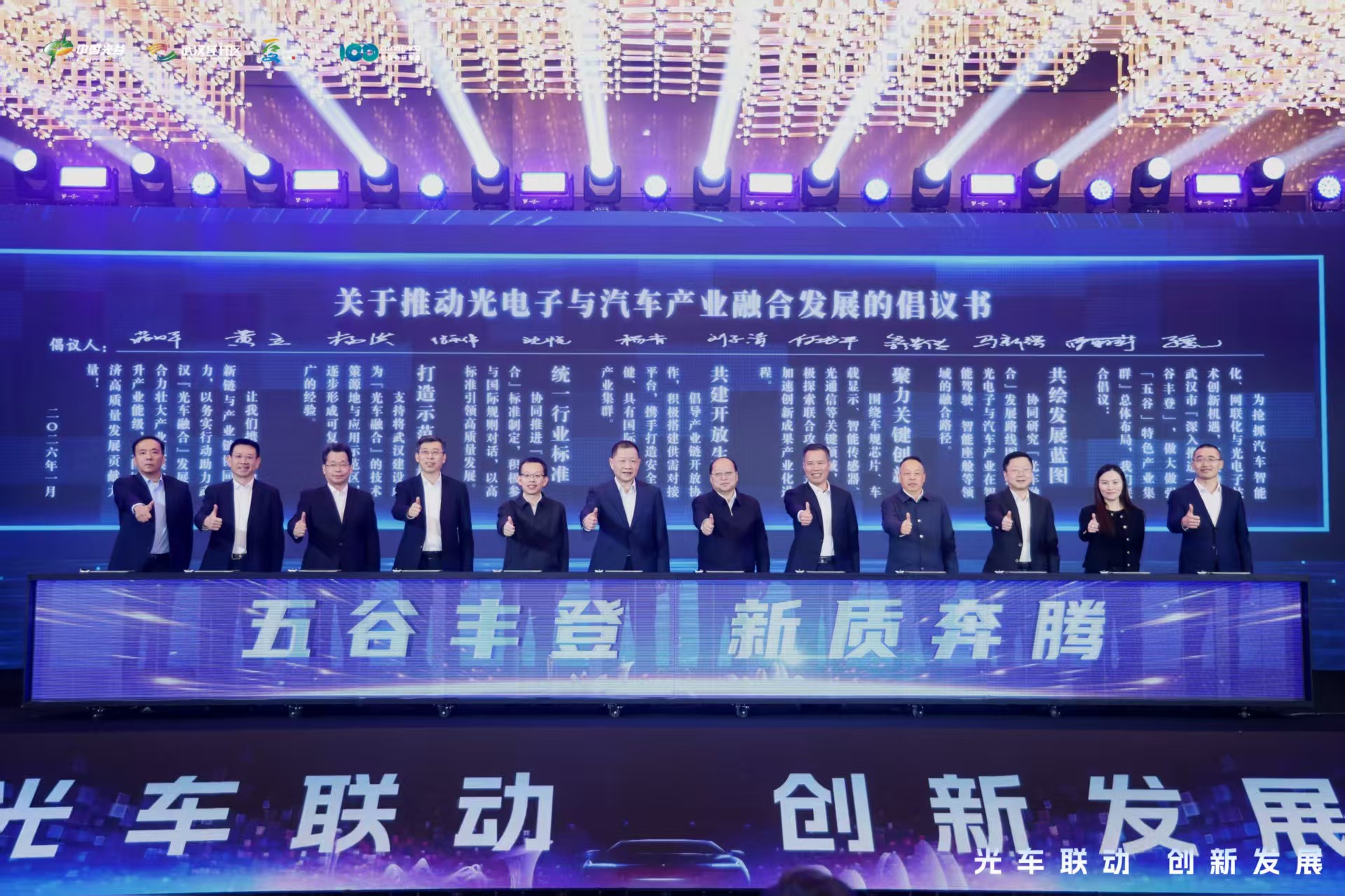
Group 1 - The core viewpoint is that the integration of optical communication technology in the automotive industry is expected to lead to a significant transformation, marking the beginning of a new phase characterized by "optical-vehicle fusion" technology [1][2] - A collaborative initiative called "Optical-Vehicle Linkage" was signed by several companies and local governments in Wuhan, focusing on key areas such as automotive-grade chips, smart sensors, and optical communication [1] - Wuhan is positioned as a key hub for both the optical information and automotive industries, with a production capacity of 2.27 million vehicles and a historic increase in the share of new energy vehicles to 55% [1][2] Group 2 - The optical information industry in Wuhan is projected to reach a scale of approximately 850 billion yuan by 2025, with electronic information manufacturing contributing about 445 billion yuan and software business revenue at 405 billion yuan [2] - The automotive industry in China is expected to exceed 10 trillion yuan in revenue by 2025, providing significant application scenarios for new technologies such as semiconductors and artificial intelligence [2] - Companies like Wuhan Haimei Technology and Wuhan Binary Semiconductor are making advancements in automotive-grade reliability and high-speed optical communication technology, respectively, with the latter's first domestically produced high-performance MCU chip set to be launched this year [3] Group 3 - Yang Zhiyong, chairman of Wuhan Binary Semiconductor, emphasized the advantages of optical fibers over traditional copper cables, including higher bandwidth, lighter weight, and better resistance to electromagnetic interference [3] - Changfei Company, a leader in the optical fiber market, predicts that the economic benefits from the transition to optical fibers in vehicles could reach a scale of hundreds of billions [4] - Zhang Yongwei, chairman of the Automotive Industry Association, highlighted the need for a sustainable industrial ecosystem to facilitate the deep integration of communication, optics, and artificial intelligence into the automotive sector [4]
武汉“光谷”“车谷”携手 共探“光车融合”路径
Zhong Guo Xin Wen Wang· 2026-01-19 04:25
Core Viewpoint - The integration of optoelectronics and the automotive industry is a significant trend, presenting new opportunities for enterprises and urban development in Wuhan, which is positioned as a new technological and industrial hub for this integration [3][4]. Group 1: Industry Overview - The optoelectronics and automotive industries are two major engines of Wuhan's economic development, with the East Lake High-tech Zone housing the world's largest optical fiber and cable manufacturing base and optical module R&D production base [1]. - The Wuhan Economic Development Zone is home to 9 vehicle manufacturers, 14 vehicle factories, and over 1,200 parts suppliers, earning the title "China's Car Valley" [1]. Group 2: Key Trends and Innovations - The automotive industry's development is increasingly characterized by the integration of communications, optoelectronics, and AI, creating a synergistic effect that enhances growth opportunities [3]. - The focus on building an innovative ecosystem that spans the entire supply chain—from materials and chips to systems and vehicles—is essential for the convergence of the automotive and optoelectronics sectors [3][4]. Group 3: Collaborative Efforts - Companies like China Information Communication Technology Group are collaborating with automotive manufacturers to develop domestically produced, high-performance automotive-grade MCU chips and conduct research on vehicle optical communication [3][4]. - The signing of the "Optoelectronics and Automotive Integration Initiative" by various stakeholders aims to outline development paths, tackle key technologies, and promote collaborative industrial ecosystems [6].
武汉打造“光车融合”全国示范标杆
Chang Jiang Ri Bao· 2026-01-19 00:43
Core Insights - The "Light and Vehicle" dialogue in Wuhan emphasizes the integration of optoelectronics and the automotive industry, marking a significant step in promoting intelligent and connected vehicles in the region [1][2] Group 1: Industry Integration - The automotive industry is characterized by fusion development, integrating technologies like communication, optoelectronics, and artificial intelligence to enhance competitiveness [2] - Wuhan is home to the "Optics Valley" and "Automobile Valley," creating a unique environment for the convergence of these two industries, with a focus on building a trillion-yuan industry cluster centered around "light, chip, screen, terminal, and network" [2] - The initiative aims to establish unified industry standards and create a collaborative ecosystem to drive innovation and development [1][6] Group 2: Technological Advancements - Wuhan has made breakthroughs in core technologies, such as the development of a domestically produced automotive-grade high-performance MCU chip, expected to be mass-produced by 2026 [4] - The transition from copper to fiber optics in automotive applications is anticipated, with fiber optics offering advantages in bandwidth, weight, and electromagnetic interference resistance [5] - Companies like Haiwei Technology are advancing in the smart cockpit sector, integrating high-quality display technologies into vehicles, enhancing user experience [5] Group 3: Challenges and Solutions - The integration path faces challenges, including a lack of successful cross-industry experiences, difficulties in technology alignment, and the absence of standardized testing and certification systems [3] - To address these issues, the establishment of collaborative innovation platforms and supply chain integration is essential for fostering a sustainable industrial ecosystem [6] Group 4: Economic Impact and Future Outlook - The economic benefits from the "fiber optics in vehicles" initiative are projected to reach the billion-yuan level, significantly impacting the upstream and downstream industries [6] - The potential for technology spillover into other sectors, such as robotics and low-altitude economy, is highlighted, showcasing the automotive industry's capacity for cost reduction and scalability [6] - The internationalization of the industry is crucial, with Chinese smart components already leading in various fields, positioning them for global competitiveness through the "light and vehicle" integration [6][7]
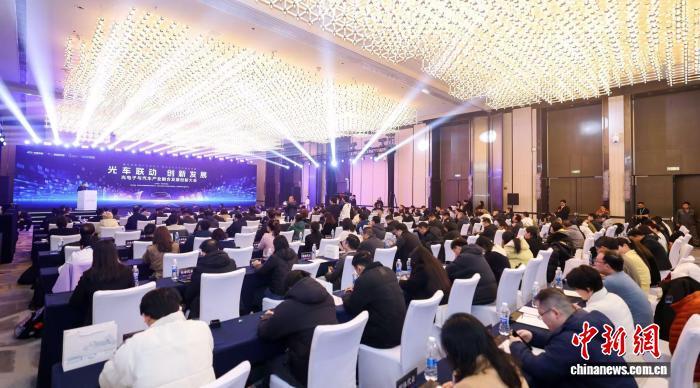
光电子与汽车产业融合发展创新大会在汉举行 盛阅春出席并致辞
Chang Jiang Ri Bao· 2026-01-19 00:43
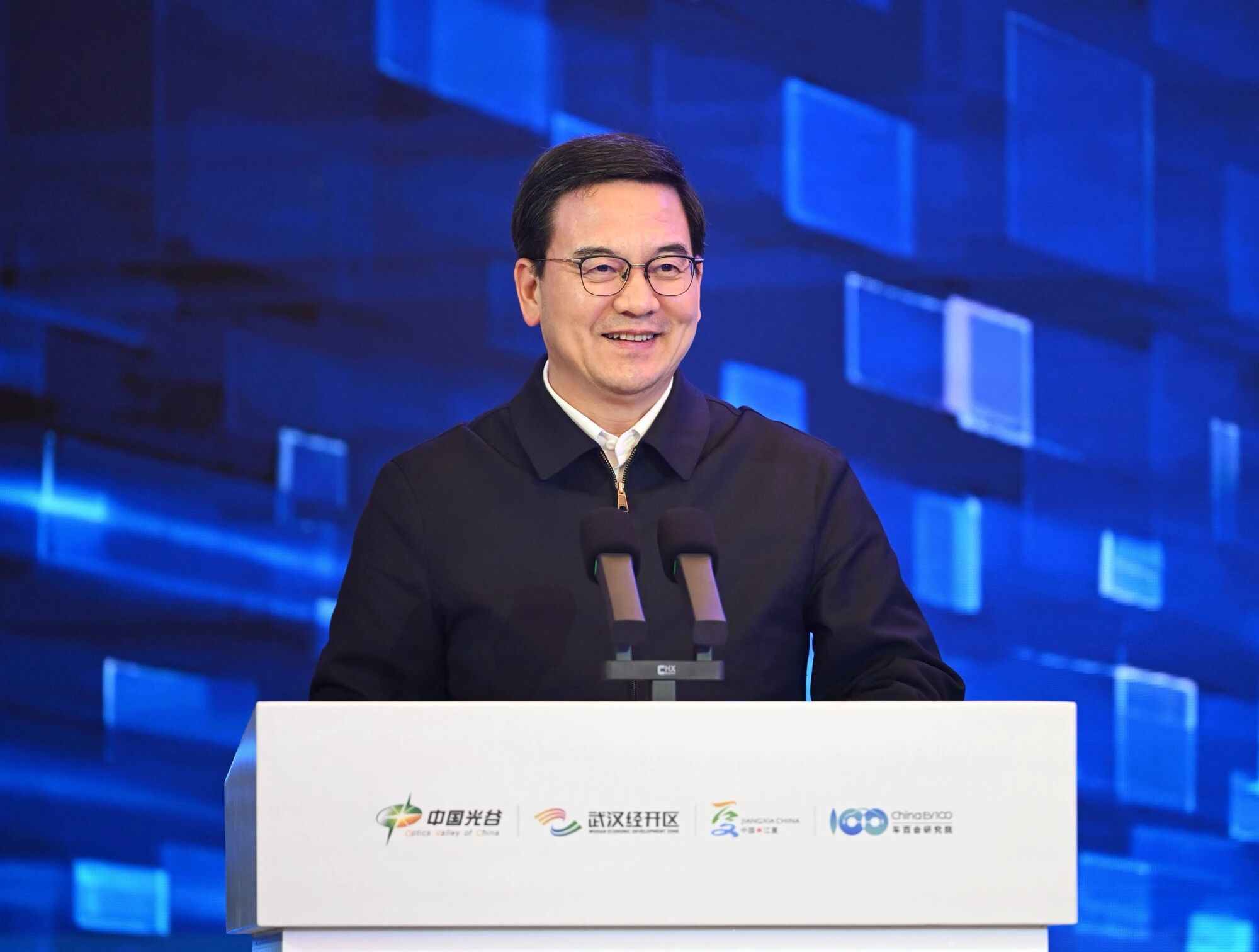
Core Viewpoint - The integration of optoelectronics and the automotive industry is being emphasized as a key driver for economic development in Wuhan, with a focus on innovation and collaboration among enterprises [3][4]. Group 1: Event Overview - The Optoelectronics and Automotive Industry Integration Development Innovation Conference was held in Wuhan on January 18, attended by key figures including the Secretary of the Municipal Party Committee and leaders from major companies [1]. - The conference aimed to promote the integration of optoelectronics and automotive industries, highlighting the importance of technological collaboration and innovation pathways [4]. Group 2: Economic Development - Wuhan is recognized as a hub for innovation and industry, with recent economic growth characterized by strategic advantages such as high technology, low costs, and broad market access [3]. - The city is entering a "golden period" of development, focusing on becoming a national central city and enhancing its industrial competitiveness [3][4]. Group 3: Industry Insights - The optoelectronics industry in Wuhan is described as unique, while the automotive sector is noted for its distinct advantages, together serving as major engines for economic growth [4]. - The automotive industry is transitioning into a phase of smart technology, leading to a deep integration with the optoelectronics sector, which is expected to reshape the industrial ecosystem [4]. Group 4: Future Directions - The conference is seen as a catalyst for advancing the integration of the two industries, with a commitment to strengthening policy support, technological backing, and resource guarantees for enterprises [4]. - The event included the signing of a "Light-Car Integration" initiative by representatives from various automotive and supply chain companies, indicating a collaborative approach to industry development [4].
重要倡议,武汉发起!
Chang Jiang Ri Bao· 2026-01-19 00:43
Core Viewpoint - The "Light and Vehicle" dialogue in Wuhan emphasizes the integration of optoelectronics and the automotive industry, marking a significant step in promoting the deep fusion of these two key sectors in the context of intelligent and connected vehicles [1][3]. Group 1: Industry Integration - The initiative aims to create a development blueprint, focus on key innovations, build an open ecosystem, unify industry standards, and establish demonstration benchmarks, highlighting Wuhan's strategy to leverage its strengths in both optoelectronics and automotive sectors [3][5]. - The automotive industry is seen as a hallmark of integrated development, with the fusion of communication, optoelectronics, and artificial intelligence being crucial for China's automotive sector to surpass its competitors [5][9]. - Wuhan has established a trillion-yuan industry cluster centered around "light, chip, screen, terminal, and network," positioning itself as a global leader in optical fiber and cable manufacturing [5][7]. Group 2: Technological Advancements - Wuhan's industry is making strides in core technologies, with the establishment of Wuhan Binary Semiconductor Co., which is on the verge of mass production of a domestically developed automotive-grade MCU chip, expected to be on vehicles by 2026 [10][11]. - The transition from copper to fiber optics in automotive applications is anticipated, with fiber optics offering advantages in bandwidth, weight, and electromagnetic interference resistance, making it ideal for next-generation vehicle networks [10][11]. - Companies like Longfei and Dongfeng are collaborating on smart automotive optical communication solutions, demonstrating the reliability of these technologies through extensive road tests [11]. Group 3: Ecosystem Development - The initiative for "light-vehicle fusion" is just the beginning; a sustainable industrial ecosystem must be built to deepen this integration, addressing technical links, vehicle standards, and certification issues [12][14]. - Standardization is identified as a cornerstone for high-quality industry development, with participants committing to collaboratively advance standard-setting efforts [12]. - The potential economic benefits from the integration of fiber optics into vehicles are projected to reach billions, significantly enhancing the synergy across the supply chain [12][14]. Group 4: Future Outlook - The automotive sector's components can be adapted for use in robotics and other fields, indicating a broader application of technologies developed through "light-vehicle fusion" [14]. - The internationalization of these innovations is crucial, as Chinese smart components are already leading in various fields, and the integration could yield globally competitive optical devices [14]. - The presence of a complete upstream and downstream industrial chain in Wuhan is attracting interest from companies looking to establish a foothold in this promising market [14].