光进铜退

Search documents
重磅!英伟达投资Marvell,这是黄仁勋的“招安术”
是说芯语· 2026-03-31 16:03
Core Viewpoint - NVIDIA has announced a strategic partnership with Marvell Technology, involving a $2 billion investment, marking a significant shift in AI infrastructure competition from individual products to ecosystem and industry standards [1][7]. Group 1: Partnership Details - The collaboration centers around NVIDIA NVLink Fusion, which allows users to develop semi-customized AI infrastructure, breaking the previous closed nature of NVIDIA's ecosystem [2]. - Marvell will provide customized XPU and vertically scalable networks compatible with NVLink Fusion, while NVIDIA will offer full-stack technical support, enabling seamless integration with its systems [2][6]. Group 2: Technological Collaboration - Both companies will focus on silicon photonics technology and utilize NVIDIA Aerial AI-RAN for 5G/6G to transform global telecom networks into AI infrastructure [3]. - Silicon photonics is highlighted as a key solution for next-generation chip-to-chip communication, addressing the bandwidth limits of traditional copper and fiber [3]. Group 3: Strategic Implications - This partnership signifies NVIDIA's transition from a hardware supplier to a standard-setting entity in the industry, establishing NVLink as a physical standard for AI ecosystems [10]. - The collaboration poses a direct challenge to Broadcom, as Marvell's enhanced capabilities threaten Broadcom's market share in custom AI chips and high-performance switches [11]. Group 4: Market Trends - The partnership indicates three core trends in AI infrastructure over the next 3-5 years: customization becoming mainstream, competition shifting from individual chips to entire racks, and the acceleration of optical interconnects [13]. - The collaboration is expected to enhance Marvell's position in the silicon photonics field, leveraging NVIDIA's endorsement to capture opportunities in AI optical interconnects [12]. Group 5: Strategic Approach - NVIDIA's $2 billion investment reflects a strategy of "attracting rather than confronting," transforming potential competitors into ecosystem partners [14].



MicroLEDCPO专题
Guolian Minsheng Securities· 2026-03-29 00:50
Investment Rating - The report maintains a "Recommended" rating for the Micro LED CPO industry, indicating a potential upside of over 15% relative to benchmark indices [2]. Core Insights - The Micro LED optical interconnect technology, based on Microsoft's MOSAIC architecture, shifts from a "narrow and fast" approach to a "wide and slow" model, allowing for hundreds of parallel low-speed optical channels to replace a few high-speed ones, thus reducing power consumption and improving reliability [11][14]. - The Micro LED CPO industry is currently in its early stages, transitioning from laboratory validation to initial commercialization and sample testing, with significant advancements expected in the near future [38]. - The investment focus should be on upstream chips, core optical devices, advanced packaging, and optical components, with key companies to watch including Zhaochi Co., Sanan Optoelectronics, Huacan Optoelectronics, and Juzan Optoelectronics [48]. Summary by Sections 1. Core Concept - The MOSAIC architecture introduces a new optical interconnect technology that addresses the limitations of traditional copper and optical links by utilizing multiple low-speed channels to enhance performance and reduce power consumption [11][14]. 2. Core Components and Prototype System - Micro LED serves as a high-efficiency light source, integrated with CMOS driver circuits for higher density parallel light emission [16]. - Customized TIR micro-lenses are employed to solve coupling challenges, significantly improving coupling efficiency [20]. - Multi-core imaging fibers are utilized to address the increase in channel numbers, allowing for multiplexing in a single fiber [22]. - A prototype system has been developed, demonstrating stable transmission rates of 2 Gbps over 20 meters, with potential for higher rates in shorter distances [27]. 3. Advantages of Micro LED Solutions - Micro LED technology offers low power consumption, with individual units consuming only a few hundred microwatts, significantly lower than traditional lasers [29]. - High reliability is achieved due to the simpler structure of micro LEDs compared to lasers, which enhances manufacturing cost-effectiveness and temperature tolerance [33][35]. 4. Industry Progress and Development Bottlenecks - The industry is transitioning towards commercialization, with companies like Microsoft and TSMC leading advancements in Micro LED interconnect products [38][40]. - Key challenges include material system differences, modulation bandwidth requirements, optical coupling precision, and reliability under operational conditions [42][43][44]. 5. Investment Recommendations - The report suggests focusing on companies involved in the development of Micro LED technology, particularly those making strides in optical interconnect solutions [48].



光模块的第二轮牛市:从配套环节到算力核心
美股研究社· 2026-03-20 11:09
Core Viewpoint - The article emphasizes that as AI computing power transitions from being limited by chips to being constrained by interconnectivity, optical modules are becoming the core infrastructure in the next phase of the computing power war [1][4]. Group 1: Transition in AI Infrastructure - The past two years have seen a focus on GPU performance, with Nvidia's stock serving as a barometer for AI investment sentiment [1]. - As the scale of AI clusters expands exponentially, the demand for transmission bandwidth has become increasingly critical [1][2]. - The optical communication industry is at a historical turning point, evolving from a mere accessory in communication networks to a vital component determining AI cluster efficiency [2][4]. Group 2: Bottlenecks and Technological Divergence - The traditional architecture based on electrical interconnects faces multiple bottlenecks in power consumption, bandwidth, and latency [8]. - The industry is witnessing a divergence in two technological paths: Co-Packaged Optics (CPO) and pluggable optical modules, with both expected to coexist rather than one replacing the other [9]. - CPO offers advantages in power consumption but poses challenges in maintenance and supply chain flexibility, indicating a gradual upgrade phase rather than a revolutionary shift [9][10]. Group 3: Market Dynamics and Investment Opportunities - Lumentum's stock reaching historical highs reflects a supply-demand logic rather than mere market sentiment, indicating a structural shortage in key optical communication components [12][14]. - By 2026, EML production capacity is expected to increase by over 50%, and demand for InP is projected to grow at a compound annual growth rate of 85% by 2030 [13][14]. - The current demand surge is driven by AI data centers rather than traditional telecom capital expenditures, providing a more stable and predictable growth trajectory [14][15]. Group 4: Reevaluation of Optical Modules - The perception of optical modules is shifting from being seen as mere accessories to being recognized as core assets in computing power [17][18]. - As data center communication volumes increase, the efficiency of optical interconnects becomes a critical variable in overall system performance [18]. - The competition among data centers will increasingly focus on the combined efficiency of computing, networking, and scheduling, positioning optical modules at the center of this ecosystem [18][22]. Group 5: Future Outlook - The article concludes that the next keyword in AI investment will be "efficiency," with a focus on connectivity rather than just computing power [20][21]. - The revaluation of the optical module industry is expected to unlock significant value, as the ability to efficiently connect and utilize computing power becomes paramount [22].


黄仁勋 GTC 最新定调:“光进铜退”是误解,“光铜并举”才是未来
RockFlow Universe· 2026-03-19 10:32
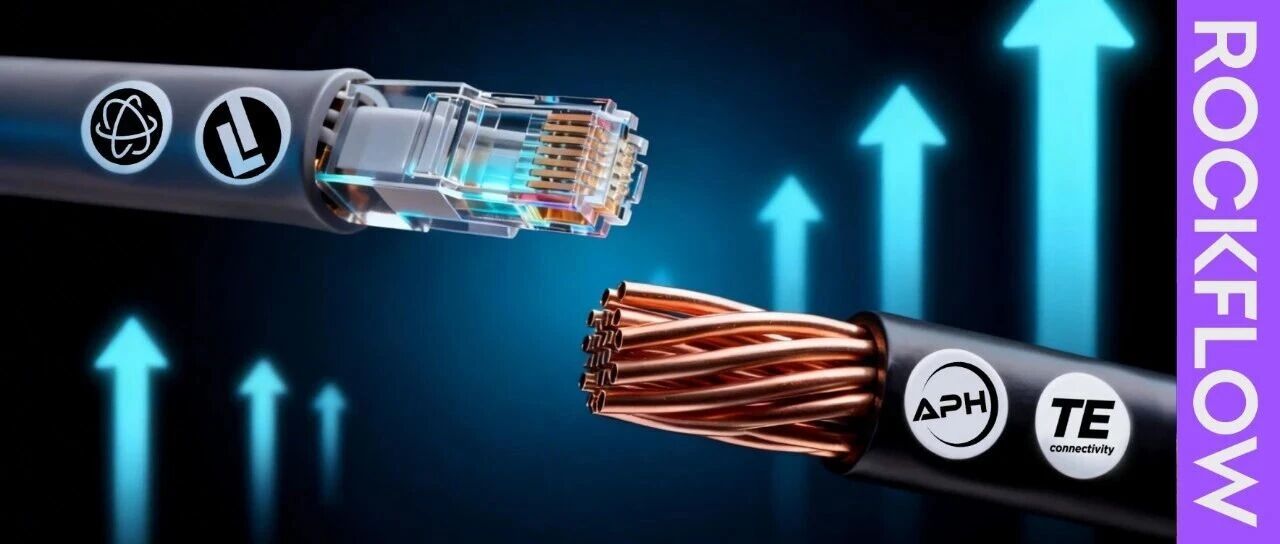
Core Insights - The article emphasizes a shift in the narrative from "optical over copper" to a more balanced approach of "copper for vertical connections and optical for horizontal connections" in the AI infrastructure landscape [3][5][12] - Nvidia's CEO Jensen Huang highlighted the continued necessity of copper cables in AI data centers, correcting previous market misconceptions about the obsolescence of copper [9][10] - The investment landscape is evolving, with companies in the copper and optical sectors poised to benefit from this dual approach, particularly as Nvidia transitions from a chip supplier to a system integrator [16][18] Group 1: Market Dynamics - The previous market sentiment overly favored optical solutions, leading to inflated valuations in the optical communication sector while neglecting copper cable companies [9][10] - Huang's emphasis on the need for more copper cable capacity indicates a correction in market bias, reaffirming copper's role in short-distance data transmission within racks [9][10] - The article predicts that the transition to optical solutions within racks will not occur until 2028, contrary to earlier expectations of a 2026 timeline [10][24] Group 2: Investment Opportunities - Companies like Amphenol (APH) are positioned to benefit from the extended lifecycle of copper solutions, as they are integral to Nvidia's copper strategy [18][19] - TE Connectivity (TEL) is highlighted as a versatile player, maintaining a strong presence in both copper and optical technologies, making it a defensive investment against technological risks [19] - In the optical sector, Coherent (COHR) and Lumentum (LITE) are identified as key suppliers for CPO technology, with potential for long-term growth despite short-term valuation adjustments [20][21] Group 3: Strategic Implications - The article suggests that investors should focus on companies with tangible orders in the copper sector while also being prepared to capitalize on optical technology advancements as they materialize [24][25] - The anticipated growth in AI data centers will create significant demand for both copper and optical solutions, leading to a reshaping of the supply chain dynamics [16][24] - The conclusion stresses the importance of adhering to physical laws and commercial cycles in investment strategies, particularly in the context of AI infrastructure [25]
光进铜退,为时尚早?黄仁勋喊光铜并进
半导体行业观察· 2026-03-18 00:50
Core Viewpoint - NVIDIA's CEO Jensen Huang announced the mass production of the world's first CPO (Co-Packaged Optics) Spectrum X chip in collaboration with TSMC, emphasizing the importance of both optical and copper transmission technologies [2][3] Group 1: CPO Technology and Market Expectations - The first CPO switch, Spectrum X, is entering mass production, marking NVIDIA as the first company to achieve this milestone [2] - Huang highlighted that the optical transmission will initially focus on scale-out expansion, with large-scale scale-up expected by 2028, which is later than investor expectations by six months to a year [2][5] - The anticipated acceleration of optical transmission applications was initially expected in the second half of 2026, but Huang's remarks suggest a more cautious approach, indicating that both optical and copper technologies will coexist [2][3] Group 2: Infrastructure and Efficiency - The Rubin platform will utilize the Spectrum 6 to support optical scale-out, enhancing data center energy efficiency and system resilience [3] - The next-generation Feynman platform, set to launch in 2028, will support both copper and CPO technologies for scale-up, reaching NVL1152 scale [3] Group 3: Market Analysis and Projections - Current optical technology penetration in scale-out applications is around 80%, but the adoption rate for scale-up is still low, which investors are keenly watching [4][5] - Analysts from Bank of America suggest that while there is significant adoption of optical components in scale-out, the widespread use in scale-up will not occur until at least 2028, aligning with industry trends [5][6] - Huang reiterated the necessity for increased capacity in both copper and optical technologies to meet market demands [6]
连涨12天!光模块跑出新龙头
格隆汇APP· 2026-03-14 07:56
Core Viewpoint - The article discusses the shifting dynamics in the optical module market, particularly focusing on the rise of Micro LED technology and CPO (Co-Packaged Optics) as a potential game-changer in AI data centers, which could disrupt traditional copper cable solutions and reshape the value distribution within the industry [2][10][20]. Group 1: Market Trends and Dynamics - The A-share market is oscillating between technology cycles and defensive sectors in 2026 [2]. - Leading companies in the optical module sector, such as Zhongji Xuchuang, Xinyi Technology, and Tianfu Communication, have seen cumulative gains exceeding 300% over the past two years [4]. - Valuations for these leading firms have reached historical highs, with Zhongji Xuchuang at a P/E ratio of 70, Xinyi Technology at 52, and Tianfu Communication at 138 [5]. Group 2: Emerging Opportunities - Funds are actively seeking new opportunities, leading to significant gains for second-tier suppliers like Huagong Technology and Guangxun Technology, with Huagong Technology's stock rising over 80% in 12 consecutive trading days [6]. - The recent hype around "light replacing copper" has driven a surge in Micro LED stocks, with a single-day increase of 8% and 20 companies hitting their upper trading limits [11]. Group 3: Technological Innovations - Micro LED technology has found new applications in AI computing through CPO, which threatens the market share of traditional copper cables [12][16]. - CPO technology significantly reduces signal loss and power consumption compared to traditional copper solutions, with Nvidia's Spectrum-X CPO switch demonstrating only 4dB signal loss and 9 watts of power consumption [16]. Group 4: Industry Structure and Value Redistribution - The shift to CPO architecture may lead to a reallocation of profits within the optical module supply chain, moving value upstream to core optical component suppliers [20][22]. - High-end chip markets are dominated by companies like Broadcom and Coherent, with domestic production rates only at 4%-10% [24]. - Nvidia's strategic investment of $4 billion in Lumentum and Coherent aims to secure long-term supply of advanced laser and optical components, addressing the current supply constraints [25]. Group 5: Company Performance and Projections - Huagong Technology and Guangxun Technology have demonstrated strong growth, with Huagong's optical module business revenue increasing by nearly 50% and Guangxun's revenue growing by 58.65% [32][29]. - The price of 1.6T optical modules has surged over 70%, from $1,200 to over $2,000, due to rising demand [32]. - The market for CPO in AI data centers is projected to grow significantly, with estimates suggesting a penetration rate of 35% by 2030 [19].



GLW20260305
2026-03-06 02:02
Summary of Conference Call Notes Company and Industry Overview - **Company**: Corning Inc. (康宁) - **Industry**: Telecommunications and Optical Communications Key Points and Arguments 1. **Springboard Plan Revision**: The revenue targets for the Springboard plan have been revised upwards to $6.5 billion for 2026 and $11 billion for 2028, driven primarily by large orders from major clients like Meta [2][3] 2. **Optical Communications Growth**: The mid-term compound annual growth rate (CAGR) guidance for enterprise networks and data centers has been increased from 25% to 30%, with full optical interconnects expected to increase the number of internal optical connections by 5 to 10 times [2][4] 3. **AI-Driven Scale-Up/Out**: The configuration of single-node GPUs is evolving from 8 to 32/72, accelerating the transition from copper to fiber optics and MMC connectors within racks [2][5] 4. **Major Order from Meta**: A significant $6 billion order has been signed with Meta, covering a complete solution including fiber, devices, and integration, with a delivery period from 2026 to 2030 [2][6] 5. **Network Recovery**: There is a resurgence in operator networks, with a surge in demand for Data Center Interconnect (DCI), supported by a partnership with Lumen that secures about 10% of the company's fiber capacity for North American network construction [2][5] 6. **Solar Business Expansion**: The solar business aims for $2.5 billion in revenue by 2028, leveraging local manufacturing advantages through the acquisition of Hemlock to reduce risks and enhance returns [2][8] 7. **Investment Framework Shift**: The focus is shifting to evaluating the long-term capacity commitments from major clients rather than just the price elasticity of non-fiber products [2][11] Additional Important Content 1. **Historical Context**: Corning was founded in Corning, New York, and has a long history in glass and optical fiber innovation, with a revenue scale consistently around $10 billion annually [3] 2. **Global Capacity Distribution**: Fiber production capacity is primarily located in North Carolina and Poland, with additional facilities in India, while jumpers and cables are mainly produced in Mexico and China [7] 3. **Specialty Materials and Environmental Technology**: The specialty materials segment covers applications in telescopes, aerospace, and consumer electronics, while environmental technology focuses on materials to reduce pollution in automotive applications [9][10] 4. **Investment Evaluation**: The evaluation of Corning should not solely focus on fiber price fluctuations but rather on stable long-term partnerships with major clients and the company's ability to deliver customized solutions [11] This summary encapsulates the critical insights from the conference call, highlighting the company's strategic direction, growth opportunities, and market dynamics.

刚刚,A股突变!新风口大面积涨停!
天天基金网· 2026-03-05 05:17
Group 1 - The LED industry index experienced a significant surge, rising over 10% in early trading, with multiple stocks hitting the 20% limit-up, indicating strong market interest and momentum [2][4][6] - TrendForce's latest survey highlights the increasing demand for high-speed data transmission in data centers due to the rise of generative AI, with Micro LED CPO solutions showing a potential to reduce overall energy consumption to 5% of that of copper cable solutions [2][6] - The shift towards "optical over copper" is accelerating as traditional copper cables are found to have energy consumption exceeding 10 pJ/bit, prompting the industry to adopt more energy-efficient technologies [6] Group 2 - Major companies are actively positioning themselves in the optical communication and interconnect sectors, with Microsoft launching the MOSAIC architecture and Credo acquiring Hyperlume to enhance their optical interconnect capabilities [6] - The market is expected to push data transmission specifications from 400 Gbps to 800 Gbps and 1.6 Tbps by 2025, reflecting a growing trend towards higher transmission rates [6] - The overall market sentiment remains optimistic despite external pressures, with analysts noting that liquidity issues may have eased, but oil prices continue to pose potential risks to specific sectors and consumer confidence [8][9]



4分钟,20%涨停!行业指数大涨超10%!新风口,彻底引爆!
券商中国· 2026-03-05 03:36
Group 1 - The LED industry index experienced a significant surge, rising over 10% in early trading, with multiple stocks hitting the 20% limit-up, including Lehman Optoelectronics and others [1][3] - TrendForce's latest survey indicates that the demand for high-speed data transmission in data centers is increasing due to the rise of generative AI, with Micro LED CPO solutions offering a substantial reduction in energy consumption compared to traditional copper cable solutions [1][3] - The Micro LED CPO solution's unit transmission energy consumption is projected to be only 5% of that of copper cable solutions, positioning it as a potential alternative for optical interconnects [3] Group 2 - Global supply chains are actively positioning themselves in the optical communication and interconnect sectors, with companies like Microsoft and Credo enhancing their capabilities through new technologies [4] - The market is witnessing a shift towards higher data transmission rates, with specifications moving from 400 Gbps to 800 Gbps and 1.6 Tbps, driven by cloud service providers [3]

研报 | 功耗降至铜缆5%,Micro LED CPO开启数据中心互连新局
TrendForce集邦· 2026-03-04 04:20
Core Insights - The rise of generative AI is driving an increasing demand for high-speed data transmission in data centers, leading to challenges for traditional copper cable solutions in terms of transmission density and energy efficiency [2] - Micro LED CPO solutions are emerging as a promising alternative due to their significantly lower energy consumption, potentially reducing overall energy usage to 5% of that of copper cable solutions [2] - The market is pushing data transmission specifications towards 800 Gbps and 1.6 Tbps, with traditional copper cables consuming over 10 pJ/bit, prompting a shift towards optical solutions [2] Group 1 - Current optical transceiver modules for 1.6 Tbps consume approximately 30W, while Micro LED CPO architecture could reduce this power consumption by nearly 20 times to around 1.6W, improving efficiency and reducing heat pressure [3] - NVIDIA has set specifications for its silicon photonics CPO, targeting low energy consumption (<1.5 pJ/bit), miniaturization (>0.5 Tbps/mm²), and high reliability (less than 10 FIT) [3] - Micro LED CPO technology demonstrates unique advantages by integrating chips smaller than 50 microns with CMOS driver circuits, achieving energy consumption of only 1-2 pJ/bit, making it ideal for short-distance high-speed transmission in data centers [3] Group 2 - Global supply chains are actively positioning themselves in the optical communication and interconnect field, with Microsoft launching the MOSAIC architecture and Credo acquiring Hyperlume to enhance its optical interconnect capabilities [4] - Avicena is developing the LightBundle™ technology to improve data transmission efficiency and power performance [4]