
全球经济秩序

Search documents
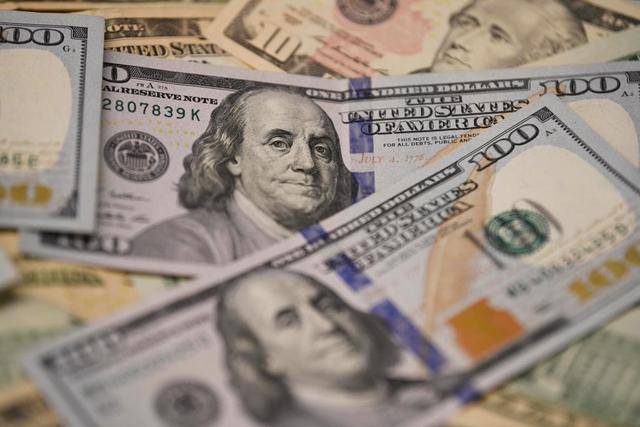
美元疲弱的全球震荡:谁在为美国付账
Sou Hu Cai Jing· 2026-02-17 01:16
文︱陆弃 特朗普对美元政策的矛盾态度,是对这种结构性问题的直接回应。在公众面前,他强调强势美元,但在 行动上,弱势美元带来的出口优势与股市上涨,让他暗自欣喜。财政部长贝森特的解释带着金融圈的惯 用逻辑:所谓强势美元,是基于"正确基本面"的稳定流入,而美元长期疲软,虽有利于美国企业竞争 力,却存在削弱美元全球信用的风险。贝森特曾是对冲基金经理,他深知美元若陷入持续贬值螺旋,其 国际地位难保,美国的融资特权可能随之消解。 对欧洲尤其是德国而言,美元贬值带来的压力直接而显著。德国经济高度依赖出口,近一半GDP来自海 外市场。美元疲软意味着欧元相对走强,德国商品在国际市场上的价格竞争力下降,美国出口商则顺势 受益。过去,欧洲可能还可以通过内部调节应对,但美元的波动不仅受经济基本面影响,还被美国的政 治博弈、贸易摩擦和外交政策所左右。从特朗普对格陵兰岛的威胁,到对全球关税的随意举措,这种政 策的不确定性使得全球投资者和央行不得不重新评估美元的吸引力和储备需求。 这种不确定性同样体现在美联储政策上。特朗普与美联储主席鲍威尔的对抗,表面是利率的节奏之争, 实则是对财政压力的直接反映。降息可以减轻美元债务负担,同时刺激经济, ...

美国抗辩也没用,世贸专家组严词驳回,但特朗普或许还有后手应对
Sou Hu Cai Jing· 2026-02-02 08:16
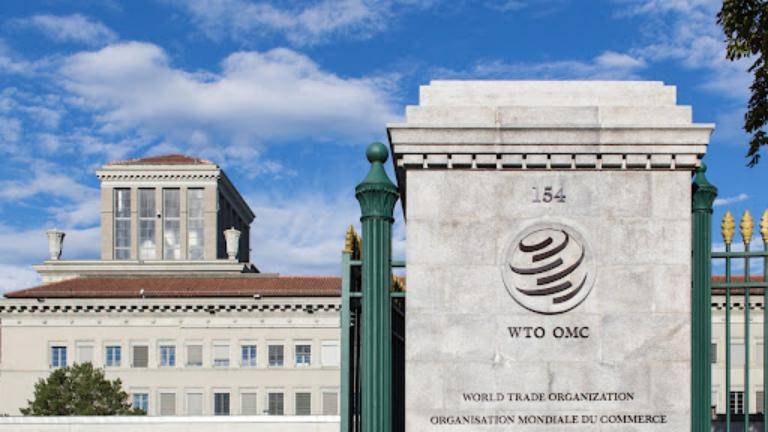
Group 1 - The core argument is that the United States continues to use tariff wars as a means of political coercion against other countries, despite facing consequences from the World Trade Organization (WTO) which ruled that the U.S. actions violate WTO rules and demanded the removal of certain subsidy measures [1][3] - The WTO's ruling reflects a broader trend of major power competition, as the rules established under U.S.-led economic globalization are now being challenged, with the U.S. benefiting from preferential treatment in over 160 member countries [3][5] - The aggressive reform measures taken by the Trump administration, along with the continuation of investigations by the Democratic government, are severely undermining the existing economic order and rules [5][9] Group 2 - Systematic destruction of the global economic system is evident, as U.S. interference in the WTO appellate body has led to its paralysis, preventing many countries from obtaining substantive rulings despite winning cases [7][11] - The misuse of rules is highlighted by the U.S. government's elevation of economic issues to national security concerns, which could burden other economies, particularly those with strong manufacturing dependencies [9][11] - The game rules are being fundamentally rewritten, with the U.S. frequently employing retaliatory tariffs and trade relief measures that violate WTO non-discrimination principles, indicating an attempt to reshape the global economic order [11][14] Group 3 - The WTO's ability to provide fair rulings is overshadowed by a sense of helplessness, as the potential for more aggressive actions from the Trump administration looms, threatening to further disrupt existing rules [14] - The prevailing mindset among Western countries is to wait for the end of Trump's term in hopes of a return to normalcy, which may exacerbate the challenges facing the global economic order [14]
中美各退三步,中方暂停实施稀土出口管制新规,但仍“留了一手”
Sou Hu Cai Jing· 2025-11-01 00:19
Core Insights - The recent negotiations between China and the U.S. in Kuala Lumpur signal a commitment to dialogue and cooperation rather than confrontation, providing a boost to the global economy [1] Group 1: Trade Agreements - The U.S. will eliminate the 10% "fentanyl tariff" on Chinese goods and suspend the 24% tariff on Chinese products, easing some economic pressure on China [3] - Both countries agreed to pause their respective export control measures, including investigations into maritime, logistics, and shipbuilding sectors, allowing for a temporary respite [3] Group 2: Strategic Implications - The negotiations reveal a consensus based on mutual respect and equal consultation, indicating a shift in international dynamics where the U.S. is perceived to be losing its dominant position [4] - China's strategic patience and adaptability in global affairs are highlighted, showcasing its ability to leverage its strengths to compel the U.S. to acknowledge its status [6] Group 3: Rare Earths and Global Positioning - China has decided to temporarily suspend new regulations on rare earth export controls, maintaining its dominant position in this critical sector [6] - This move sends a strong signal that China possesses retaliatory capabilities against external pressures, emphasizing the potential costs for the U.S. if it continues its aggressive stance [6] Group 4: Future Cooperation - The outcomes of the Kuala Lumpur negotiations reflect a broader response to globalization, with countries seeking paths for cooperation and development [8] - If both nations continue to engage in dialogue based on equality and mutual benefit, it could lead to a new phase of development in both economic and international order restructuring [8]
欧洲央行行长拉加德:全球经济秩序正在崩溃。
news flash· 2025-05-26 13:31
Core Viewpoint - The President of the European Central Bank, Christine Lagarde, stated that the global economic order is collapsing [1] Group 1 - Lagarde emphasized the fragility of the current economic system and the need for a reevaluation of global economic structures [1] - The statement reflects concerns over rising geopolitical tensions and their impact on economic stability [1] - Lagarde's comments suggest a potential shift in monetary policy as a response to these challenges [1]
中国点头后,特朗普对华态度再次强硬,不到几分钟,美收到噩耗
Sou Hu Cai Jing· 2025-05-12 09:20
Group 1 - The U.S. is actively seeking to adjust tariff measures and has communicated its willingness to engage in talks with China regarding tariffs [1][2] - China has agreed to meet with U.S. Treasury Secretary Mnuchin during a visit to Switzerland, indicating a potential thaw in trade relations [1][6] - China emphasizes that any negotiations must respect its core interests and will not accept coercive tactics from the U.S. [2][4] Group 2 - Economic forecasts from institutions like the IMF and World Bank predict that the U.S. will be one of the hardest-hit economies due to the trade war, with potential recession looming [4] - The upcoming talks are described as exploratory, with China cautioning against falling into a "negotiation delay trap" set by the U.S. [4][6] - The Federal Reserve's decision to not lower interest rates complicates the economic landscape, as it faces challenges from both inflation and the uncertainty of U.S. tariff policies [6]
外媒:从“让美国再次伟大”到“让美国陷入孤立”
Zhong Guo Jing Ji Wang· 2025-04-29 13:56
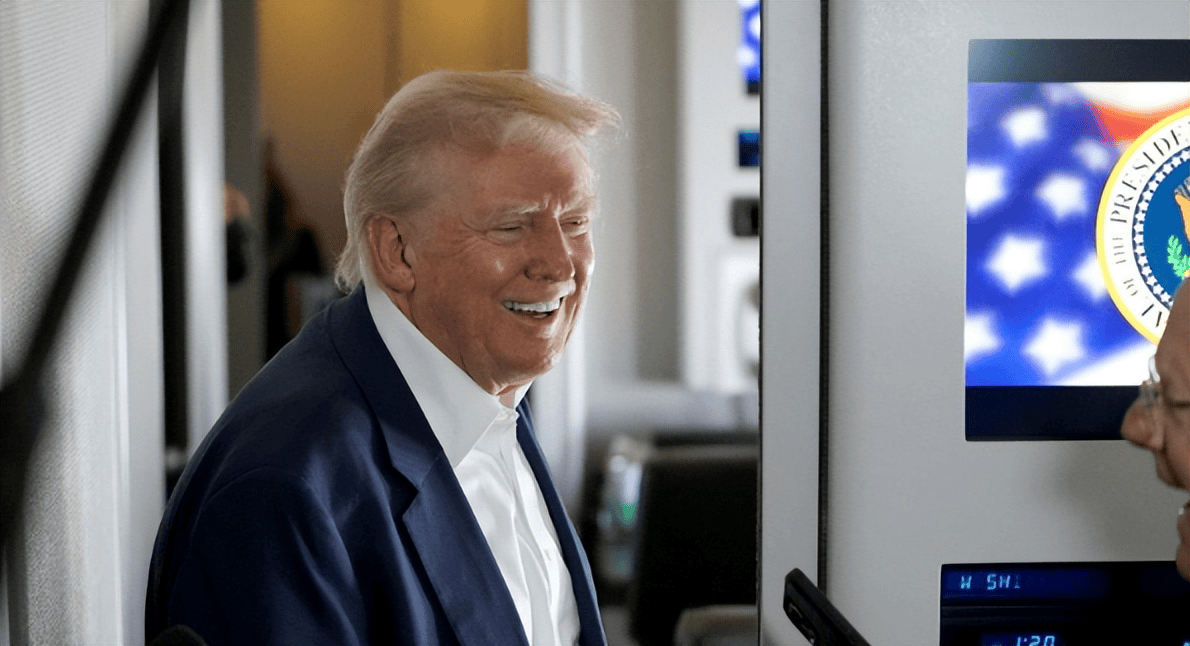
Core Viewpoint - The articles from the Pakistani media outlet "Forum Express" argue that the U.S. trade war and isolationist policies could lead to the collapse of the post-World War II global economic order, potentially pushing the U.S. economy into isolation and recession while accelerating the shift from a unipolar to a multipolar world [1][2]. Group 1: Impact on Global Economic Order - The U.S. imposition of tariffs is seen as a betrayal of commitments to free trade and open markets, which could significantly slow global economic growth and damage the established global economic order [1]. - The weakening of the World Trade Organization (WTO) by the U.S. has paralyzed global trade dispute resolution mechanisms, increasing the likelihood of retaliatory measures and escalating economic conflicts among nations [1]. Group 2: U.S. Economic Isolation and Recession Risks - The U.S. is at risk of becoming a trade island, with countries like China and the EU implementing countermeasures that threaten the U.S. economy, particularly in the agricultural sector where China is the largest export destination for U.S. agricultural products [2]. - In 2024, U.S. agricultural exports are projected to reach $176 billion, with nearly half (47%) going to China, Mexico, and Canada, highlighting the potential economic impact of retaliatory tariffs [2]. - Concerns over the trade war have led to a sell-off of U.S. Treasury bonds, indicating a loss of confidence in the U.S. as a safe investment destination, which could worsen market liquidity [2]. Group 3: Shift Towards Multipolarity - The U.S. unilateralism is damaging its credibility as a reliable economic partner, prompting allies to seek a multipolar world order, as evidenced by calls from the EU and former UK Prime Minister Gordon Brown for pragmatic dialogue and cooperation [3]. - Many countries are diversifying their export destinations and strengthening regional cooperation mechanisms, such as the Regional Comprehensive Economic Partnership (RCEP) and BRICS, in response to U.S. unilateralism [3].