
农产品供应保障

Search documents
(新春走基层)新疆兵团:“菜篮子”货足价稳迎春节
Zhong Guo Xin Wen Wang· 2026-02-03 08:52
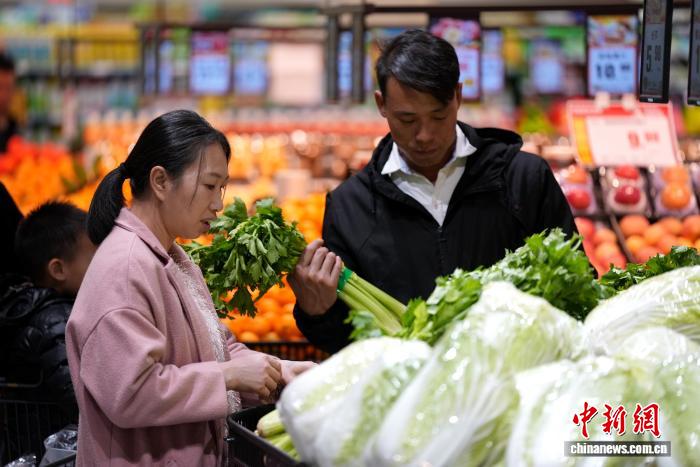
Core Viewpoint - The Xinjiang Production and Construction Corps is ensuring a stable supply and pricing of agricultural products to meet the increased demand during the upcoming Spring Festival [1]. Group 1: Market Preparation - Various measures have been implemented to secure sufficient supply and stabilize prices in the consumer market as the Spring Festival approaches [1]. - The Red Star Agricultural Products Wholesale Market has increased its inventory by approximately 30% compared to normal levels to prepare for the consumption peak [2]. - The market has enhanced its cold chain storage facilities to ensure product freshness and has implemented strict price supervision to protect consumers' interests [2]. Group 2: Community Initiatives - In Aral City, self-service fruit and vegetable machines have been deployed in communities, and mobile vending trucks are actively supplying fresh produce [5]. - The "four unifications" mechanism (unified procurement, distribution, pricing, and service) has been adopted to reduce circulation costs by 20% [5]. - The supply chain management company in Aral City has established purchasing relationships with local vegetable greenhouses and is also sourcing produce from other provinces to ensure a steady supply for residents [5].

“菜篮子”丰盈“果盘子”新鲜 批发市场备货忙
Yang Shi Wang· 2026-01-28 23:37
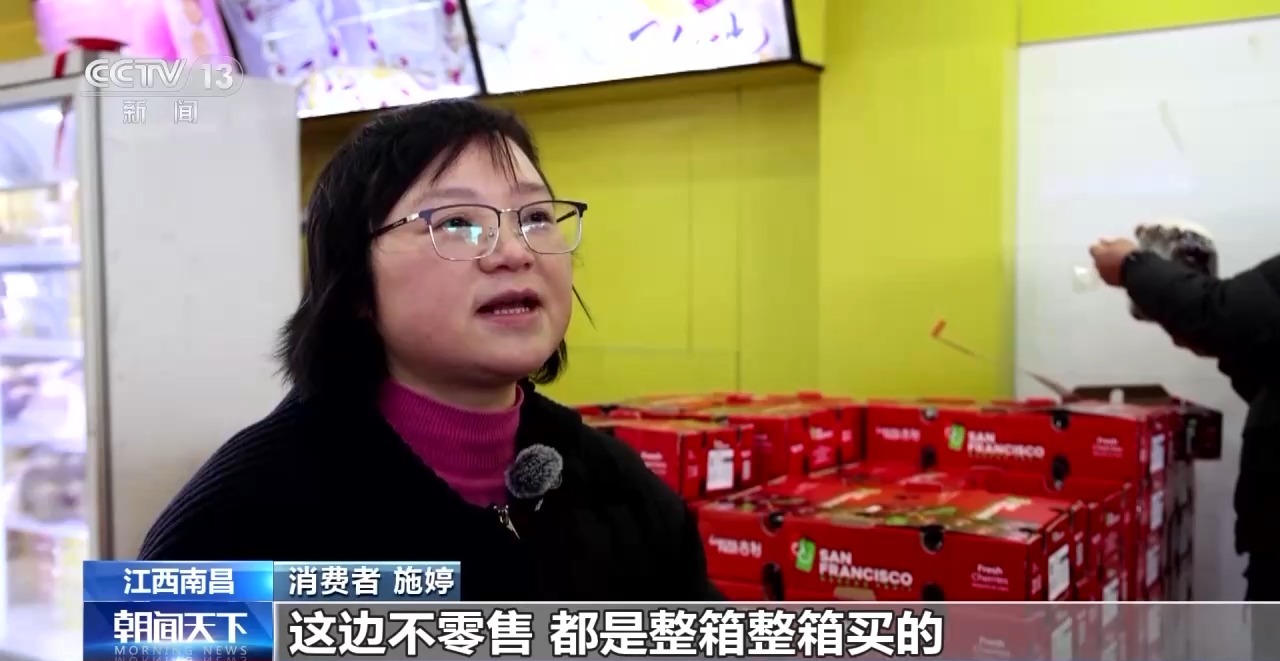
Core Viewpoint - The article highlights the surge in procurement activities at wholesale markets in preparation for the upcoming Spring Festival, emphasizing the efforts to ensure a steady supply of fresh produce for consumers [1][3]. Group 1: Market Activity - The Nanchang Shenzhen Agricultural Products Wholesale Market is the largest in Jiangxi Province, experiencing a peak in purchasing as merchants stock up to meet consumer demand [1]. - The market features a variety of fruits, including cherries, pomelos, and blueberries, which are prominently displayed to attract bulk buyers [1][3]. Group 2: Consumer Behavior - Consumers are purchasing fruits in bulk at the wholesale market, finding prices significantly lower than retail stores, which enhances affordability [3]. - The availability of a wide range of fruit varieties, including those not typically seen in retail, is appealing to consumers [3]. Group 3: Supply Chain Management - Merchants are increasing their stock levels in anticipation of the holiday rush, ensuring that supply remains uninterrupted [3]. - The Deputy General Manager of the market, Sun Wenjiang, stated that they are precisely coordinating with production areas to boost inventory of essential fruits and vegetables, while also advising merchants on frost protection and preservation techniques [5].
机械化、绿色有机、稳供应……金秋“丰”景筑牢民生根基 守护“烟火气”
Yang Shi Wang· 2025-10-05 05:50
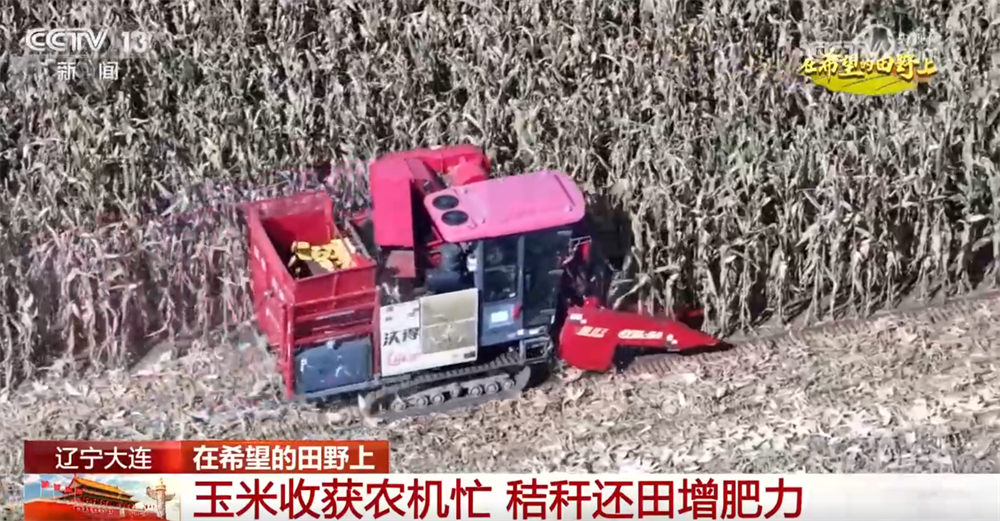
Group 1: Agricultural Mechanization in Dalian - Dalian Jinpu New District is experiencing a corn harvest period with large agricultural machinery efficiently conducting the harvesting operations [1] - The mechanization rate for crop farming in Jinpu New District exceeds 90%, showcasing the effectiveness of modern agricultural equipment [3] - The district has developed a cooperative model for agricultural machinery, enabling efficient deployment of resources during peak farming seasons through an information monitoring platform [5] Group 2: Organic Rice Production in Shaanxi - In Shaanxi, the protection of the endangered crested ibis has led to the development of organic rice farming, with 180,000 acres of organic rice expected to yield a good harvest [6] - The local agricultural practices have shifted to organic methods, prohibiting the use of pesticides and fertilizers in areas where the crested ibis resides, thus fostering organic agriculture [10] - The organic rice fields not only serve as a habitat for the crested ibis but also provide a source of income for local farmers, contributing to their economic prosperity [8] Group 3: Vegetable Supply in Sichuan - During the National Day holiday, Sichuan Nanchong ensured a stable supply of vegetables by reinforcing production bases and market regulation [11] - Various seasonal vegetables were abundant in the market, with clear pricing displayed to maintain transparency for consumers [13] - The local government collaborated with multiple planting cooperatives to ensure continuous supply and stable prices, enhancing the festive experience for citizens [15]
日供超6000吨!深圳人的“菜篮子”“米袋子”管足管够
Nan Fang Du Shi Bao· 2025-09-23 13:44
Core Viewpoint - The article emphasizes the proactive measures taken by Shenzhen Haijixing and Shenzhen Nongtian Investment Group to ensure a stable supply of essential agricultural products in response to the approaching Typhoon "Haikashan" [1][2] Group 1: Supply Chain Management - Shenzhen Haijixing has initiated a "supply guarantee acceleration" since September 21, collaborating with over 30 agricultural wholesale markets and 60,000 partner merchants to create a nationwide supply network [1] - The company has mobilized over 20,000 staff to ensure 24-hour efficient market operations, supplying over 6,000 tons of fresh agricultural products daily to Shenzhen and Hong Kong [1][2] Group 2: Market Monitoring and Pricing - The market has established 24-hour communication channels with major supermarkets and e-commerce platforms to monitor supply, inventory, and price fluctuations, ensuring stable supply and prices for retailers like Walmart and Meituan [1] - As of September 22, the average price of monitored vegetable items was 5.01 yuan/kg, with a slight increase to 5.2 yuan/kg, indicating reasonable price fluctuations [2] Group 3: Inventory and Emergency Response - The current inventory at Shenzhen Haijixing includes 3,500 tons on-site and over 2,000 tons in surrounding cold storage, with an additional 6,000 tons in transit [2] - In emergency situations, Shenzhen Haijixing can quickly allocate vegetables from over 30 agricultural wholesale markets, with a daily support capacity of up to 5,000 tons, ensuring continuous supply [2]

1公里内均可买到 深圳菜蔬量足价稳
2 1 Shi Ji Jing Ji Bao Dao· 2025-09-23 04:33
Core Points - The article discusses the impact of Typhoon "Haikui" on Shenzhen's supply of essential goods, highlighting the city's preparedness and response measures to ensure the availability of fresh produce and other necessities during the storm [1][2][3][4]. Group 1: Supply Chain and Logistics - Shenzhen Hai Jixing, a key supplier under Shenzhen Agricultural Investment Group, activated a "supply guarantee acceleration" mode from September 21, coordinating with over 30 agricultural markets and 60,000 partner merchants to ensure a nationwide supply network [2][3]. - The company established a 24-hour supply information channel with major supermarkets and e-commerce platforms to monitor market demand, inventory, and price fluctuations, ensuring stable supply to retailers like Walmart and Meituan [2][3]. Group 2: Inventory and Demand Management - On September 22, the vegetable supply to Shenzhen Hai Jixing remained stable at over 6,000 tons, with a significant increase in vegetable transactions to Hong Kong, which rose by over 47% compared to normal days [3]. - The current inventory at Shenzhen Hai Jixing includes 3,500 tons on-site and over 2,000 tons in surrounding cold storage, with an additional 6,000 tons in transit, ensuring a robust supply chain [3]. Group 3: Market Conditions and Consumer Behavior - The Shenzhen Municipal Bureau of Commerce reported that while some supermarkets experienced temporary shortages due to increased consumer purchasing, the overall supply of essential goods remains sufficient and stable [3][4]. - The average price of 20 monitored vegetable items was reported at 5.01 yuan/kg, with a slight increase to 5.2 yuan/kg on September 22, indicating price stability without significant fluctuations [4]. Group 4: Operational Adjustments - Some large supermarkets, such as China Resources Vanguard, will continue to operate during the typhoon, providing delivery services to facilitate consumer access to goods [5]. - However, certain stores, like those under Qian Dama, will temporarily close after selling out their inventory, resuming operations once the storm's impact subsides [5].