冬季减肥

Search documents
减肥不知道怎么吃?你的地区减肥餐来了!权威定制,三餐照着吃→
Bei Jing Wan Bao· 2026-02-03 03:58
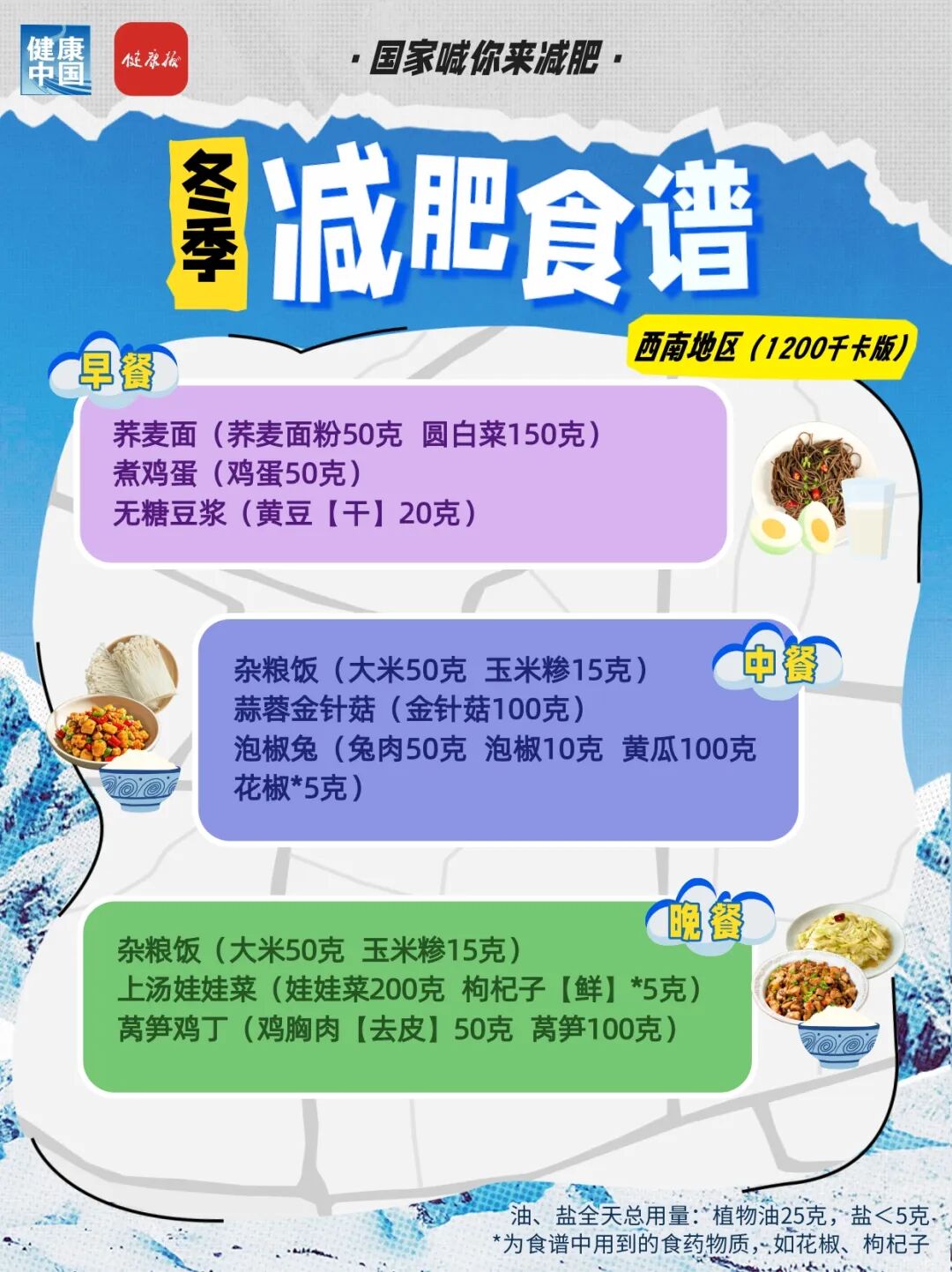
Core Insights - The article emphasizes that winter is a suitable season for weight loss due to increased basal metabolic rates and provides dietary guidelines for adults based on the "Adult Obesity Dietary Guidelines (2024 Edition)" issued by the National Health Commission of China [1] Regional Dietary Recommendations Northeast Region - The diet primarily consists of rice, wheat, meat, and dairy, with a focus on hearty stews. Suggested meals include multigrain pancakes for breakfast, a hearty stew for lunch, and a bowl of noodles for dinner [1] Northwest Region - Residents favor wheat and corn-based foods, with a preference for strong flavors. Recommended meals include sweet potato porridge for breakfast, lamb soup for lunch, and meat noodle soup for dinner [6] North China Region - The diet is rich in wheat and meat, with low vegetable and seafood intake. Suggested meals include shrimp and spinach for breakfast, tofu and grass carp for lunch, and seaweed soup for dinner [11] East China Region - The diet is rice-based with a variety of freshwater seafood and a lighter flavor profile. Recommended meals include shrimp wontons for breakfast, a nourishing soup for lunch, and fish and tofu soup for dinner [16] Central China Region - The diet includes rice and wheat, with a variety of vegetables and fruits, and a preference for spicy and salty flavors. Suggested meals include steamed yam for breakfast, ginger lamb soup for lunch, and yam and red rice for dinner [21] Southwest Region - The diet is based on rice and glutinous rice, with a preference for spicy and sour flavors. Recommended meals include steamed egg custard for breakfast, mixed grain rice for lunch, and vegetable soup for dinner [25] South China Region - The diet is rice-based with a habit of consuming fresh vegetables and seafood, leaning towards lighter flavors. Suggested meals include low-fat milk for breakfast, rice for lunch, and a bone soup for dinner [29]
国家喊你来减肥!各地区冬季减肥食谱来了
Xin Lang Cai Jing· 2026-01-29 20:54
Core Insights - The article emphasizes that winter is an ideal time for weight loss due to increased basal metabolic rates, and it introduces dietary guidelines for adults based on the "Adult Obesity Dietary Guidelines (2024 Edition)" issued by the National Health Commission [1]. Regional Dietary Recommendations - **Southwest Region**: The diet includes steamed egg custard for breakfast, mixed grain rice for lunch, and vegetable soup for dinner, focusing on rice and poultry with a preference for spicy flavors [1]. - **Northeast Region**: The diet features a breakfast of mixed grain pancakes, a hearty lunch of "Northeast one pot" dish, and a dinner of noodle dishes, highlighting a preference for meat and dairy [5]. - **Northwest Region**: Breakfast includes sweet potato and yam porridge, with lamb soup for lunch and meat noodle dishes for dinner, reflecting a taste for rich and savory foods [9]. - **North China Region**: Breakfast options include shrimp and spinach stir-fry, with tofu and grass carp for lunch, and seaweed and radish soup for dinner, indicating a need for increased vegetable and seafood intake [13]. - **East China Region**: The diet is characterized by rice as a staple, with a preference for light flavors, featuring wontons for breakfast, and fish and tofu soup for dinner [17]. - **Central China Region**: The diet includes steamed yam for breakfast, ginger lamb soup for lunch, and red rice with taro for dinner, showcasing a preference for spicy and oily flavors [21]. - **South China Region**: The diet emphasizes rice and fresh vegetables, with a preference for light flavors, featuring low-fat milk for breakfast and a variety of soups for dinner [25].

国家出手教减肥!各地区冬季减肥食谱来了
Xin Lang Cai Jing· 2026-01-28 12:35
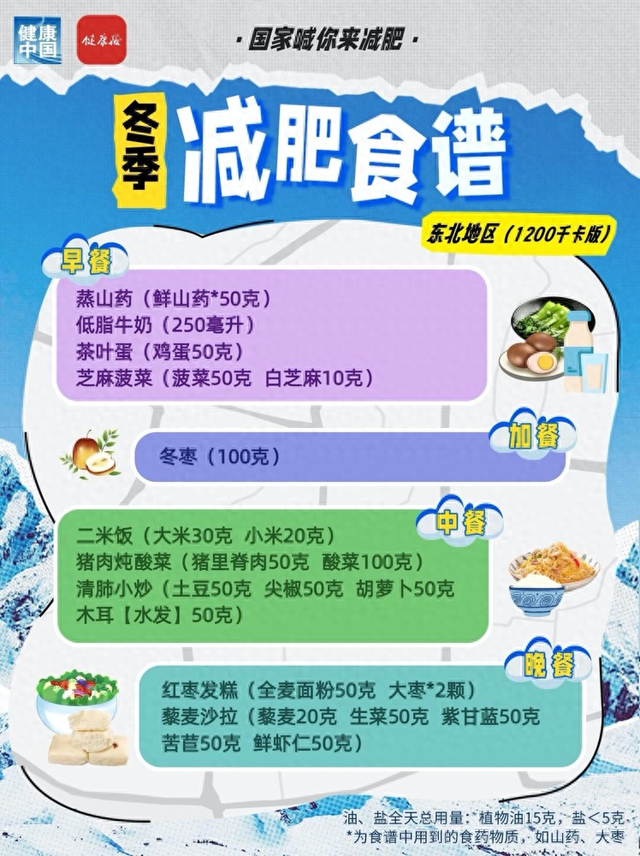
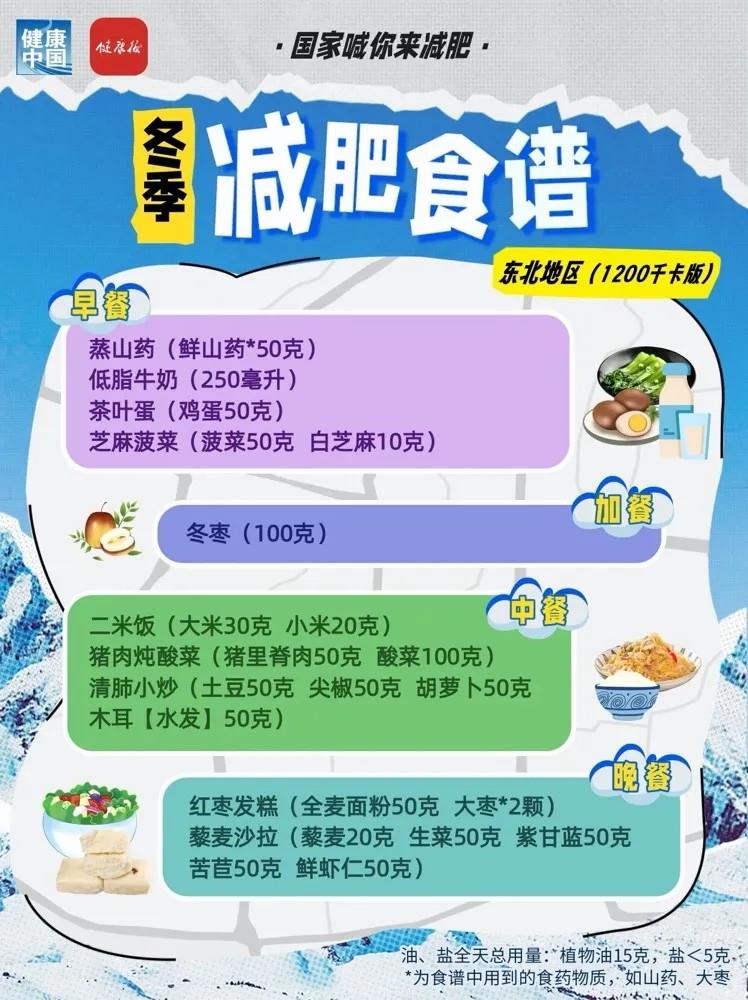
Core Viewpoint - The article emphasizes that winter is an ideal season for weight loss due to increased basal metabolic rate and provides dietary guidelines tailored for different regions in China to assist individuals in managing obesity effectively [1][29]. Regional Dietary Guidelines Northeast Region - The diet primarily consists of grains, meat, and dairy, with a focus on hearty dishes. Suggested meals include multigrain pancakes for breakfast, a hearty stew for lunch, and a bowl of noodles for dinner [1]. - 1200 kcal meal plan includes steamed yam, low-fat milk, tea eggs, and pork with sauerkraut [2]. - 1400 kcal meal plan includes multigrain pancakes, unsweetened soy milk, and a variety of stir-fried vegetables [3]. Northwest Region - Residents favor wheat-based foods and meat, particularly lamb and beef. Suggested meals include sweet potato porridge for breakfast and lamb soup for lunch [5]. - 1200 kcal meal plan includes spicy bread, boiled eggs, and stir-fried bean sprouts [6]. - 1400 kcal meal plan includes dumplings, boiled eggs, and lamb soup with noodles [7]. North China Region - The diet is rich in wheat and meat, with a need for increased vegetable and seafood intake. Suggested meals include shrimp and spinach for breakfast and tofu with fish for lunch [9]. - 1200 kcal meal plan includes sweet potato pancakes and stir-fried vegetables [10]. - 1400 kcal meal plan includes pumpkin buns, steamed egg custard, and shrimp stir-fried with spinach [11]. East China Region - The diet is rice-based with a variety of seafood and a preference for lighter flavors. Suggested meals include wontons for breakfast and fish soup for dinner [13]. - 1200 kcal meal plan includes rice rolls, tofu pudding, and a variety of vegetable dishes [14]. - 1400 kcal meal plan includes wontons, yogurt, and various vegetable stir-fries [15]. Central China Region - The diet includes rice and a variety of vegetables, with a preference for spicy and salty flavors. Suggested meals include steamed yam for breakfast and ginger lamb soup for lunch [17]. - 1200 kcal meal plan includes boiled corn, tomatoes, and various vegetable dishes [18]. - 1400 kcal meal plan includes steamed yam, milk, and a variety of meat and vegetable dishes [19]. Southwest Region - The diet is based on rice and glutinous rice, with a preference for spicy and sour flavors. Suggested meals include steamed egg custard for breakfast and vegetable soup for dinner [21]. - 1200 kcal meal plan includes wheat noodles, boiled eggs, and various vegetable dishes [22]. - 1400 kcal meal plan includes mixed grain buns, boiled eggs, and lamb soup with radish [23]. South China Region - The diet is rice-based with a habit of consuming fresh vegetables and seafood, leaning towards lighter flavors. Suggested meals include low-fat milk for breakfast and a variety of soups for dinner [25]. - 1200 kcal meal plan includes sliced bread, oatmeal, and various vegetable dishes [26]. - 1400 kcal meal plan includes steamed buns, boiled eggs, and fish dishes [27].
一日三餐照着吃!各地区冬季减肥食谱来了
Yang Shi Xin Wen· 2026-01-27 18:12
Core Viewpoint - The article emphasizes the importance of winter for weight loss, highlighting that the body's basal metabolism increases during this season, leading to higher calorie consumption. It introduces the "Adult Obesity Dietary Guidelines (2024 Edition)" issued by the National Health Commission, which provides dietary principles and personalized seasonal weight loss meal plans for obese individuals across seven regions in China [1][3]. Regional Dietary Recommendations Northeast Region - The diet primarily consists of grains, meat, and dairy, with a focus on hearty stews. Suggested meals include multigrain pancakes for breakfast, a mixed stew for lunch, and a bowl of noodles for dinner [1][3]. Northwest Region - Residents favor wheat and corn-based foods, with a preference for beef and lamb. Recommended meals include sweet potato porridge for breakfast, lamb soup for lunch, and meat noodle dishes for dinner [5][6]. North China Region - The diet is characterized by wheat and meat, with low vegetable and seafood intake. Suggested meals include shrimp and spinach stir-fry for breakfast, tofu and grass carp stew for lunch, and seaweed and radish soup for dinner [9][10]. East China Region - The diet is rice-based with a variety of freshwater seafood and a preference for lighter flavors. Recommended meals include wontons for breakfast, a nourishing soup for lunch, and fish and tofu soup for dinner [13][14]. Central China Region - The diet includes rice and wheat, with a variety of vegetables and fruits, and a preference for spicy and salty flavors. Suggested meals include steamed yam for breakfast, ginger lamb soup for lunch, and taro and red rice for dinner [17][18]. Southwest Region - The diet is based on rice and glutinous rice, with a preference for spicy and sour flavors. Recommended meals include steamed egg custard for breakfast, mixed grain rice for lunch, and vegetable soup for dinner [21][22]. South China Region - The diet is rice-based with a habit of consuming soups and fresh vegetables, leaning towards lighter flavors with some spicy preferences. Suggested meals include low-fat milk for breakfast, rice for lunch, and a radish and almond bone soup for dinner [25][26].
中疾控:冬季减肥,这些变化要知道
Ren Min Wang· 2025-12-25 01:46
Core Viewpoint - Winter weight loss is particularly challenging due to physiological changes, seasonal activity reductions, dietary shifts, and psychological effects related to clothing [2][10]. Group 1: Physiological and Behavioral Challenges - Seasonal metabolic changes lead to a slight decrease in basal metabolic rate as the body enters "energy-saving mode" to cope with cold temperatures [2]. - Reduced outdoor activities during winter result in significant decreases in daily energy expenditure, compounded by lower exercise intensity due to heavy clothing [2]. - Increased availability of high-calorie foods during winter festivities and a natural increase in appetite for energy-dense foods contribute to weight gain [2]. Group 2: Nutritional Strategies - Optimizing the ratio of macronutrients is crucial for weight loss, with protein making up 15%-20%, carbohydrates 50%-60%, and fats 20%-30% of daily energy intake [3][4][5]. - Emphasis on high-fiber whole grains and healthy fats from sources like nuts and olive oil is recommended to enhance weight loss effectiveness [4][5]. Group 3: Hydration and Sleep - Adequate hydration is essential, with a recommendation of 1.5-1.7 liters of water daily to enhance satiety and metabolic function [6][7]. - Sufficient sleep, averaging around 7 hours per night, is necessary to regulate hunger hormones and reduce cravings for high-energy foods [7]. Group 4: Exercise Adjustments - Physical activity accounts for 15%-30% of total energy expenditure, making it vital to incorporate resistance training and high-intensity interval training to boost metabolism [8][9]. - Creating more opportunities for daily movement, such as household chores and taking stairs, can help counteract winter lethargy [9]. Group 5: Psychological Factors - Accepting minor fluctuations in weight during winter is normal, with a typical decrease of 0.1-0.2 kg per week being expected [10]. - Monitoring various indicators beyond weight, such as waist circumference and fitness levels, can provide motivation and a more comprehensive view of progress [10]. - Setting achievable process-oriented goals, like completing a certain number of workouts per week, can enhance motivation and success in weight management [10].
冬天其实也很好瘦 5件易坚持小事帮你瘦得更快
Xin Lang Cai Jing· 2025-12-22 20:23
Core Viewpoint - Winter is actually a favorable season for weight loss due to the body's physiological mechanisms that increase energy expenditure in cold environments. Group 1: Physiological Mechanisms - In cold conditions, the body increases energy consumption to maintain core temperature, with studies showing a metabolic rate increase of approximately 11.5% in winter compared to 7% in summer during cold exposure [1][2] - Cold exposure can also promote the conversion of white fat to brown fat, enhancing thermogenesis and energy expenditure [1] Group 2: Behavioral Changes - People tend to change their eating habits in winter, gravitating towards high-calorie comfort foods, which can lead to increased caloric intake and weight gain [4][5] - The combination of eating more and moving less during winter can easily negate any metabolic advantages gained from the cold [5] Group 3: Nutritional Recommendations - Emphasizing protein intake is crucial as it has the highest thermic effect among macronutrients, helping to maintain muscle mass and control hunger [6][7] - Suggested meal order is to consume vegetables first, followed by protein, and then carbohydrates to better manage blood sugar levels and satiety [9][10] - Drinking warm liquids before meals can help reduce overall caloric intake by occupying stomach space and warming the body [15][16] Group 4: Lifestyle Adjustments - Reducing the availability of snacks at home can help control impulsive eating behaviors during winter [19] - Substituting high-calorie snacks with healthier options can satisfy cravings without excessive caloric intake [20][21] - Regular physical activity and adequate sleep are essential to leverage the metabolic advantages of winter, with recommendations for at least 30 minutes of moderate exercise daily and a minimum of 7 hours of sleep per night [24][26][27]
冬季减肥,其实更划算!别错过这个悄然逆转的黄金时机
GLP1减重宝典· 2025-12-02 06:30
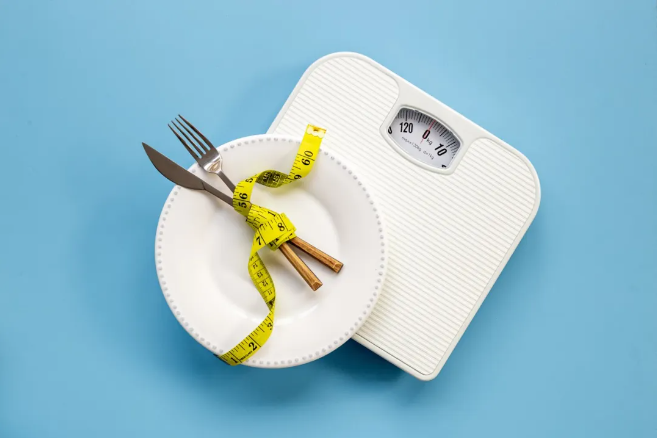
Core Viewpoint - The article emphasizes the benefits of winter for weight loss, highlighting how the body's metabolism increases during colder months, making it an ideal time for effective fat burning and weight management [5][6][7]. Group 1: Metabolic Changes in Winter - The body's basal metabolic rate naturally rises in winter due to the need to maintain body temperature, leading to increased energy expenditure during exercise [6]. - Fat synthesis slows down in colder temperatures, promoting the breakdown of brown fat for heat, which aids in burning stubborn white fat when combined with scientific exercise methods [7]. Group 2: Exercise and Endurance - The cooler climate in winter makes outdoor aerobic activities like running or hiking more comfortable, allowing individuals to enjoy their workouts and more easily push their endurance limits [8]. Group 3: Key Points for Effective Winter Weight Loss - **Dietary Balance**: It is recommended to avoid high-calorie, greasy foods and instead focus on high-protein, fiber-rich warm foods such as chicken, fish, beef, legumes, root vegetables, and hot soups to maintain satiety and warmth [10]. - **Consistency in Exercise**: Regular indoor and outdoor workouts, whether jogging, skipping rope, or home exercises, are crucial for achieving desired fat loss results [11]. - **Hydration**: Despite reduced thirst perception in winter, maintaining adequate hydration (1.5-2 liters of warm water daily) is essential for effective metabolism [12]. - **Quality Sleep**: Ensuring 7-8 hours of quality sleep helps maintain leptin levels, which suppress appetite, thus supporting weight loss efforts [14]. Group 4: Motivation for Winter Weight Loss - The article encourages individuals not to let cold weather be an excuse for inactivity, urging them to take advantage of the heightened metabolism in winter for greater weight loss results [16].