
北极航道开发

Search documents
欧洲7国放话,不许武力夺岛,不到48小时,特朗普反将一军
Sou Hu Cai Jing· 2026-02-15 04:52
Group 1 - Europe's stance on the Greenland issue is unexpectedly strong, with countries clearly stating that any attempt to seize Greenland by force is unacceptable [1] - Seven European countries have sent personnel to Greenland, but the total number is less than 50, indicating a limited military presence rather than a robust defense force [3] - The European intent is to show unity and support for Denmark, but the actual deployment lacks sufficient weight to achieve this goal [3] Group 2 - The U.S. White House's response indicates that it does not view Europe's actions as a hindrance to its plans regarding Greenland [5] - President Trump's comments link the Greenland issue to tariffs, suggesting that he may use similar tactics as in the past to pressure European countries [8][10] - The U.S. has significant military facilities in Greenland, such as the Pituffik Space Base, which plays a crucial role in missile warning and defense [14] Group 3 - The melting Arctic ice is opening new shipping routes, which could significantly impact global trade dynamics, making Greenland strategically important for the U.S. [15] - The U.S. is concerned about the lack of sufficient ports and logistics in the Arctic, while countries like China and Russia are already taking action in this area [17] - The future of Greenland remains uncertain, with Europe attempting to maintain a presence through joint actions and the U.S. converting the issue into a financial matter through tariffs [17]


共同擘画中俄关系新蓝图
Jing Ji Ri Bao· 2026-02-06 20:26
Group 1 - The core message emphasizes the importance of deepening China-Russia relations, highlighting the historical opportunity for strategic cooperation and mutual development [1][2] - Both countries are encouraged to enhance practical cooperation across various fields, including traditional trade, infrastructure, e-commerce, and service trade, while exploring new areas such as artificial intelligence and Arctic navigation [2] - The year marks significant anniversaries for China-Russia relations, including the 30th anniversary of their strategic partnership and the 25th anniversary of the Treaty of Good-Neighborliness and Friendly Cooperation, indicating a commitment to further strengthen ties [3] Group 2 - China and Russia are positioned as responsible major powers, with a shared obligation to uphold international justice and maintain global strategic stability, particularly through platforms like the Shanghai Cooperation Organization and BRICS [2] - The two nations aim to enhance their collaboration in global governance, increasing the representation and voice of developing countries [2] - The commitment to a new type of international relations and a community with a shared future for mankind is highlighted as a goal for both countries [2][3]
美国吞并格陵兰的两种方式
Xin Lang Cai Jing· 2026-01-10 10:14
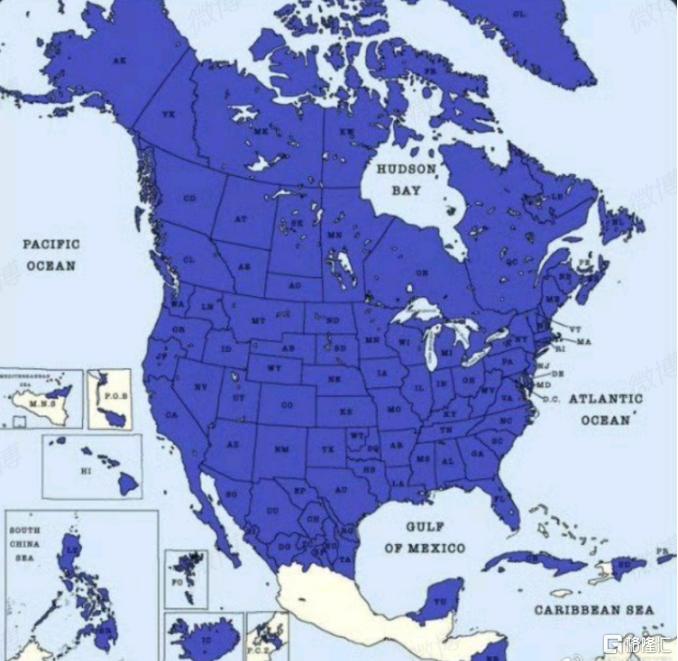
Core Viewpoint - The article discusses the potential U.S. acquisition of Greenland, highlighting the economic and strategic implications of such a move, including the estimated costs and the resources available on the island [1][29]. Group 1: Economic Implications - The proposed plan involves paying each Greenland resident $100,000 to persuade them to sever ties with Denmark, totaling approximately $5.7 billion for the island's population of about 57,000 [1]. - The total estimated value of Greenland, considering its resources, is at least $1.85 trillion, factoring in oil, minerals, freshwater, and strategic location [28]. Group 2: Resource Valuation - Greenland is believed to have around 31 billion barrels of oil and gas, with a nominal value of approximately $3 trillion, but adjusted for extraction costs, the actual value is about $600 billion [17]. - The island contains over 30 million tons of rare earth elements, valued conservatively at $500 billion, due to China's dominance in the processing chain [17]. - The strategic value of Greenland's location for military defense and shipping routes could add significant value, with estimates suggesting costs of $4 trillion for maintaining equivalent military capabilities without Greenland [20][21]. Group 3: Social and Cultural Considerations - Greenland's residents enjoy high living standards and social benefits from Denmark, making the proposed buyout less appealing, as it equates to losing long-term financial support for a one-time payment [7][5]. - There is a strong sense of cultural identity among the Inuit people, which complicates the acceptance of U.S. control, despite some support for closer ties with the U.S. [9][35]. Group 4: Historical Context - The article draws parallels between Greenland's situation and the historical annexation of Hawaii, suggesting that a similar approach could be taken to integrate Greenland into the U.S. [31][41]. - Previous attempts to purchase Greenland have not met with local resistance, indicating a potential openness to negotiation if the price is right [35][36].
新闻分析丨格陵兰岛为何让美国如此垂涎
Xin Lang Cai Jing· 2026-01-08 00:25
Group 1: Strategic Importance - The strategic location of Greenland is a primary reason for U.S. interest, as it serves as a critical point for military and defense operations, particularly during the Cold War and in NATO's anti-submarine warfare strategy [1][2] - Greenland's position is vital for controlling Arctic shipping routes, which are becoming increasingly important due to climate change and melting ice [2] Group 2: Resource Wealth - Greenland is rich in natural resources, including rare earth elements, graphite, copper, and nickel, which are essential for energy transition and chip manufacturing [3][4] - The island has approximately 400,000 square kilometers of ice-free land, making it an ideal location for mineral resource exploration and development [4] - As ice melts, the difficulty of resource extraction in Greenland and surrounding waters is expected to decrease, potentially increasing U.S. interest in these resources [4]
俄罗斯驻华大使:俄中几乎完全用卢布人民币结算
Xin Lang Cai Jing· 2025-12-23 15:58
Core Viewpoint - Russia and China have established a reliable bilateral settlement system, primarily using the ruble and yuan for trade transactions, with a projected trade volume of $244.819 billion in 2024 [1] Group 1: Bilateral Trade and Economic Cooperation - Russia and China have a strong mutual willingness to deepen cooperation, with China being Russia's largest trading partner for 15 consecutive years, while Russia ranks as China's fifth-largest trading partner [1] - The two countries have successfully opened efficient communication and collaboration channels, creating new production and logistics chains [1] Group 2: Transportation and Logistics - The first Arctic container route from China to Europe has commenced, significantly reducing transit time to 20 days compared to the traditional Suez Canal route, which takes 30 to 40 days [1] - Russia and China are collaborating on developing the potential of the Arctic shipping route [1] Group 3: Energy Cooperation - Russia is a major supplier of oil and natural gas to China, with ongoing discussions about a new gas pipeline through Mongolia to secure long-term gas supplies for Chinese consumers [1] - Both countries share a strong alignment on energy transition, believing that the accelerating decarbonization process will create new growth opportunities for their cooperation [1] Group 4: Cultural and Educational Exchange - The mutual visa exemption between Russia and China has significantly boosted people-to-people exchanges, with a notable increase in tourist flows [1] - There are currently 66,000 Chinese students studying in Russia, and over 21,000 Russian students in China, with a 25% year-on-year increase in visa applications for Chinese citizens studying in Russia [1] - The two countries are on track to meet the target of 100,000 people-to-people exchanges set in the "2030 China-Russia Cultural Cooperation Roadmap" ahead of schedule [1]
中欧北极快航航线成功通航,“伊斯坦布尔桥”轮抵达英国港口
Yang Shi Xin Wen· 2025-10-15 00:27
Core Points - The successful arrival of the "Istanbul Bridge" at Felixstowe Port marks the launch of the world's first regular container shipping route between China and Europe via the Arctic route [1][12] - This new shipping line significantly shortens transit times, taking only 20 days to reach Europe compared to 50 days via the Cape of Good Hope and 40 days via the Suez Canal [5][9] - The route connects major Chinese ports such as Ningbo, Shanghai, Qingdao, and Dalian with key European ports including Felixstowe, Rotterdam, Hamburg, and Gdansk, enhancing global trade logistics [3][5] Industry Impact - The Arctic route is expected to optimize global supply chains and promote economic cooperation along the route, providing a new logistics pathway for international trade [1][5][12] - The successful operation of this route demonstrates the feasibility of commercial shipping in the Arctic, which has been made possible by climate change and melting ice [6][8] - The route is anticipated to reduce supply chain costs and improve operational efficiency, while also lowering carbon emissions due to shorter travel distances [11] Economic Significance - The goods exported via this route are valued at approximately 1.4 billion yuan, including clothing, energy storage cabinets, and power batteries, showcasing China's export capabilities [3] - The operation of the Arctic shipping line is seen as a significant contribution to maintaining global supply chain stability and enhancing trade relations between China and Europe [1][12] - Experts believe that this new shipping route will strengthen ties between Asia and Europe, while also diversifying existing transportation channels to mitigate risks [12][13]
波兰封锁中欧班列,中国24小时内打出王牌,欧亚贸易格局正在改变
Sou Hu Cai Jing· 2025-09-22 23:25
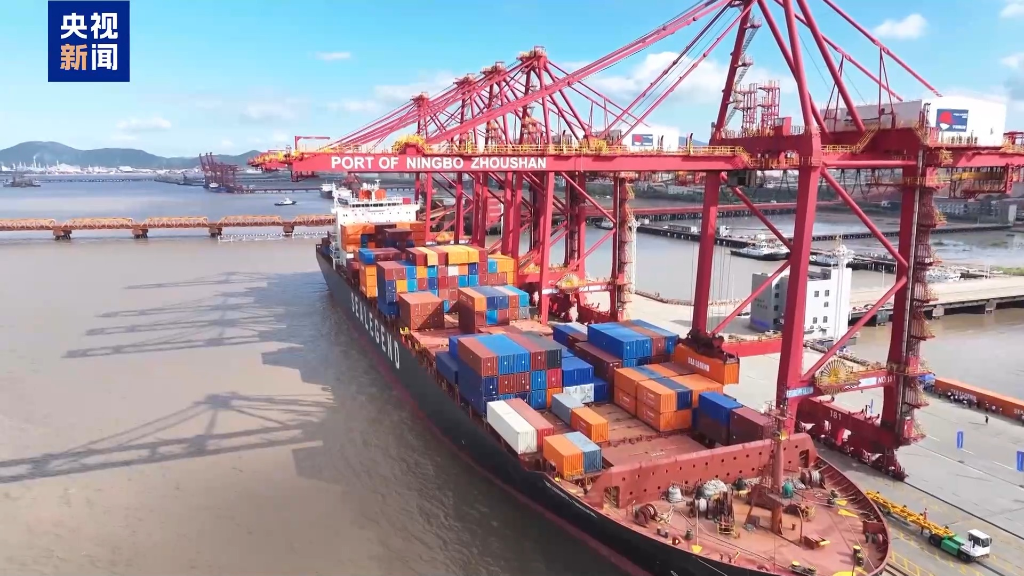
Core Viewpoint - The sudden closure of Poland's border with Belarus has disrupted a significant trade route between China and Europe, affecting approximately 90% of railway freight traffic and halting trade valued at around €25 billion [1][2]. In response, China is activating the Arctic shipping route as an alternative, showcasing its strategic foresight and long-term planning in global trade [4][10]. Group 1: Impact of Poland's Border Closure - Poland's decision to close its border is framed as a security concern, particularly in light of recent military exercises by Russia and Belarus, but the prolonged closure suggests deeper geopolitical motivations [1][14]. - The closure has significant economic implications for Poland, particularly for border cities that relied on the transit of goods via the China-Europe Railway, which previously generated substantial revenue from transit fees and related services [13]. Group 2: Emergence of the Arctic Shipping Route - China is launching the "Northern Sea Route" as a strategic alternative to the disrupted China-Europe Railway, aiming to connect northeastern China with Western Europe through the Arctic [4][10]. - The new Arctic route offers substantial advantages, including a reduced travel distance of approximately 7,000 nautical miles (about 13,000 kilometers) and a transit time of around 18 days, significantly faster than traditional routes [6]. - The Arctic route also provides cost savings of 30-40% on fuel expenses, which is particularly beneficial given the current high global energy costs [8]. Group 3: Long-term Strategic Development - The development of the Arctic shipping route is part of China's broader strategic vision, having gained observer status in the Arctic Council in 2013 and outlined its Arctic policy in 2018 [10]. - The cargo volume along the Arctic route reached 35.6 million tons in 2023, marking a 9% increase from the previous year, with plans to double this volume by 2030 through joint development with Russia [10]. - The melting ice due to climate change is expected to extend the navigable window for the Arctic route, with projections for year-round navigation starting in 2024 [10]. Group 4: Reshaping Eurasian Trade Dynamics - The rise of the Arctic route is poised to reshape the Eurasian trade landscape, potentially diminishing Poland's role as a critical transit point and enhancing the importance of traditional European ports like Rotterdam and Hamburg [13]. - The future logistics network between China and Europe is expected to evolve into a multi-modal system incorporating land, sea, and ice routes, enhancing resilience against geopolitical disruptions [13][14]. - The successful trial of the "Istanbul Bridge" container ship on the Arctic route symbolizes a significant advancement in international trade logistics for China, providing a strategic advantage in global competition [14].
俄罗斯加大远东开发支持力度
Jing Ji Ri Bao· 2025-09-14 22:35
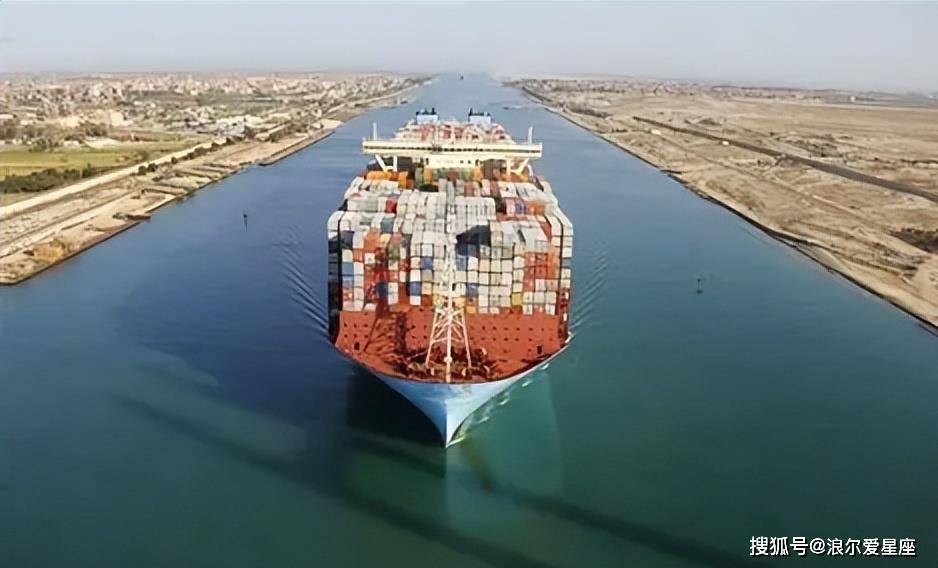
Core Insights - Russia is intensifying its "Turn to the East" strategy to develop the Far East region, focusing on resource energy development, transportation capacity enhancement, and technological innovation [1][2] Group 1: Resource Energy Development - The Far East region's GDP has increased by more than 1.5 times over the past decade, rising from 4 trillion rubles to 11 trillion rubles, indicating significant economic growth [2] - There is a growing demand for electricity in the region, necessitating the development of natural gas, modern coal power, and hydropower, with substantial capital investments required for hydropower projects [3] - The region is attracting geological exploration investments, leading to the discovery of new resource deposits, particularly in rare earth elements [3] Group 2: Transportation Capacity Enhancement - The transportation system in the Far East is under pressure due to increased load, prompting the need for modernization of highways, railways, and port facilities [3] - Plans are in place to increase the capacity of the eastern railway network by 1.5 times by 2032, along with expanding railway branches to Far East ports to meet growing throughput demands [3] Group 3: Technological Innovation - Russia aims to adopt a more open regulatory and legal framework to stimulate technological innovation and its application in various sectors [4] - By 2030, Russia plans to establish at least 100 industrial, business, and technology parks, with over 10 located in the Far East and Arctic regions [4] Group 4: Unified Business Incentives - A unified system of business incentives is proposed for the entire Far East and Arctic regions to simplify support for entrepreneurs and companies while maintaining existing conditions for investors in advanced development areas [5] Group 5: International Cooperation - The Eastern Economic Forum attracted around 8,000 participants from 75 countries, highlighting Russia's willingness to engage in constructive partnerships despite geopolitical changes [6]
东北亚区域各国专家长春热议北极航道开发
Zhong Guo Xin Wen Wang· 2025-08-27 09:29
Core Viewpoint - The development of the Arctic shipping routes is gaining significant attention, with discussions focusing on their strategic value and potential for international cooperation, particularly among Russia, China, South Korea, and Japan [1][2][3] Group 1: Arctic Shipping Routes - The Arctic shipping routes consist of three main paths, with the Northeast Passage controlled by Russia being the most economically valuable, potentially shortening travel time by about one-third compared to the Suez Canal [1] - The Northern Sea Route is a key part of Russia's development strategy, with plans to establish it as a trans-Arctic transport corridor by 2030, targeting a cargo volume exceeding 100 million tons [1] - The melting polar ice due to climate change has increased the international community's interest in the shipping potential of the Arctic [1] Group 2: Regional Perspectives - Chinese scholars view the Arctic route as a new energy transport corridor that offers development opportunities for Northeast China, particularly in the hydrogen energy sector [1][2] - South Korean experts emphasize the importance of regional cooperation and suggest linking the Belt and Road Initiative with Arctic route development, utilizing South Korea's port facilities and icebreaker technology [2] - Japanese experts focus on the commercial viability and energy security aspects, noting the significant participation of multiple countries in the Russian Yamal LNG project while expressing concerns over the economic stability of the Arctic routes due to various uncertainties [2][3] Group 3: Future Outlook - Experts agree that while the Arctic shipping routes may not replace traditional shipping lanes in the short term, they hold promise for becoming a new channel for energy and trade in Northeast Asia, potentially fostering regional cooperation [3]