
博傻理论

Search documents
都说盛世古董乱世金,为什么一代股神巴菲特,宁可买地也不买金?
Sou Hu Cai Jing· 2026-01-25 12:17
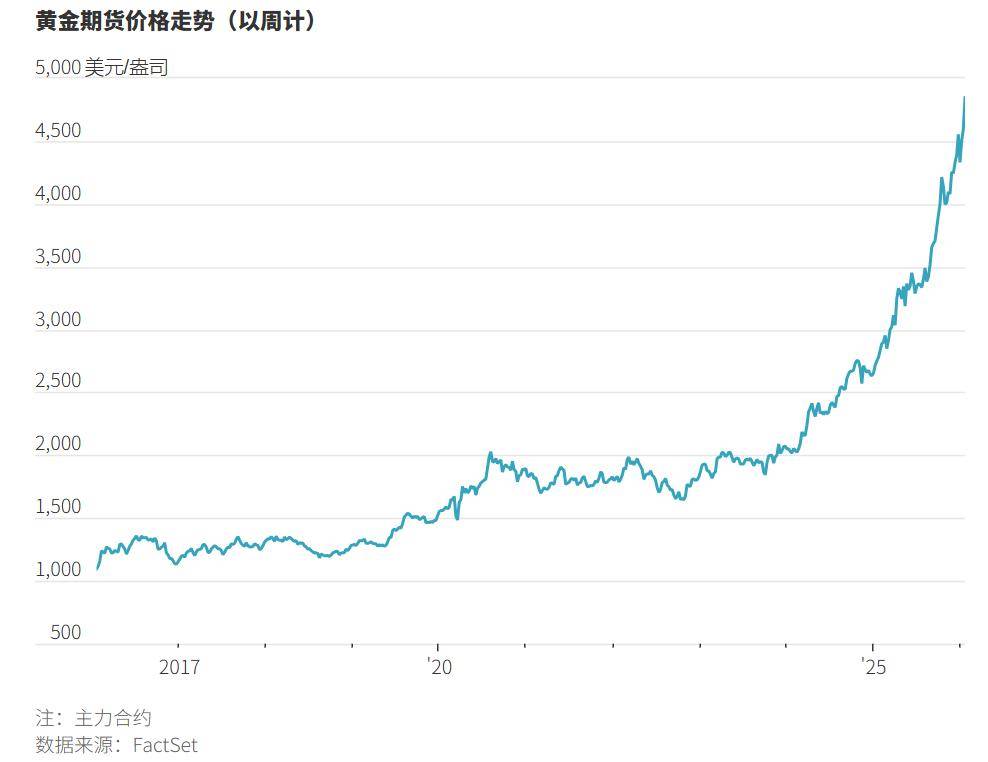
Core Viewpoint - The article discusses the ongoing bullish trend in gold prices, which have risen nearly 15% in January 2026, and contrasts this with Warren Buffett's long-standing skepticism towards gold as an investment, emphasizing the differing perspectives on asset classes and their value generation [1][5]. Group 1: Gold Price Trends - Gold prices have shown a significant increase, with a record daily rise of $171.20 per ounce amid geopolitical tensions [1]. - Goldman Sachs has raised its gold price target for 2026 from $4900 to $5400 per ounce, indicating potential for further price increases [4]. - The current gold price surge is attributed to structural changes in demand, particularly from central banks and private investors seeking to hedge against macroeconomic uncertainties [11][13]. Group 2: Investment Perspectives - Buffett categorizes assets into three types: monetary assets, non-productive assets (like gold), and productive assets, favoring the latter for their ability to generate cash flow [5][6]. - The article critiques the reliance on gold as a non-productive asset, suggesting that its value is driven by market sentiment rather than intrinsic value [7][10]. - Historical analysis shows that gold prices have experienced cyclical patterns influenced by macroeconomic events, with significant price fluctuations occurring during periods of crisis [9][10]. Group 3: Demand Dynamics - Central banks, particularly from countries like China and Russia, have significantly increased their gold purchases, with annual net buying expected to exceed 1000 tons from 2022 to 2024 [11]. - Private investors are also shifting their strategies, viewing gold as a hedge against currency devaluation and macroeconomic instability, leading to increased demand [13][14]. - The influx of institutional investors into the gold market has created a self-reinforcing cycle of price increases, as these players compete for limited physical gold supplies [14]. Group 4: Future Outlook - Goldman Sachs indicates that as long as global macroeconomic uncertainties persist, the current demand for gold will likely remain strong, with potential price corrections only occurring if demand significantly declines [14][16]. - The article suggests that the valuation of gold is closely tied to the prevailing economic environment, with its appeal rising during periods of instability and declining during stable economic phases [17].

昨夜,外盘又崩了,单日亏损16%
Sou Hu Cai Jing· 2025-12-30 00:56
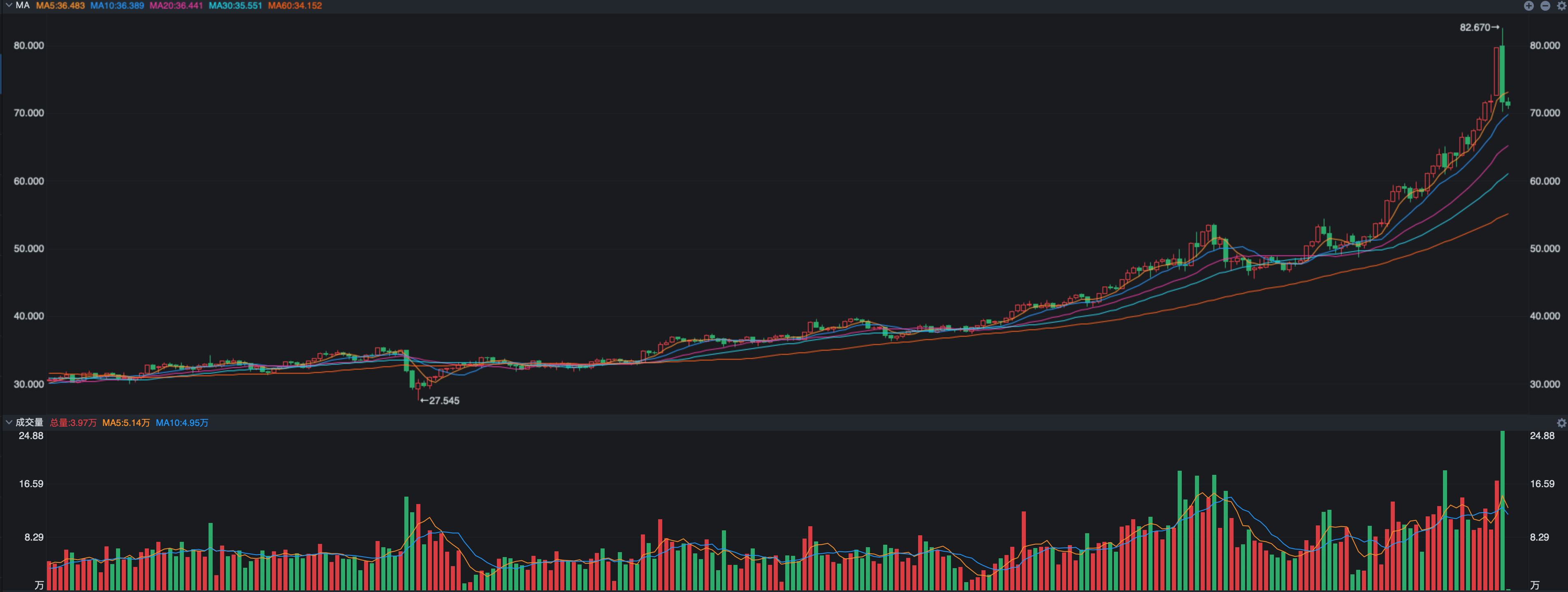
Group 1 - The core viewpoint of the articles highlights a significant drop in silver and gold prices, with silver futures experiencing a maximum decline of 9% and gold futures dropping by 4.6% in a single trading day, indicating high volatility in the precious metals market [1][3]. - The fluctuation in silver prices reached a total amplitude of 16% within one day, reflecting a potential pressure on bullish positions, especially for those who entered at higher price levels [1][3]. - The recent surge in silver prices was attributed to increased industrial demand and speculative trading, suggesting that the market behavior may not be sustainable and could lead to further volatility [4]. Group 2 - The articles suggest that the current market conditions for silver and gold are characterized by extreme fluctuations, which may indicate a speculative bubble rather than a stable upward trend [4]. - There is a warning against complacency, as even a slight recovery in silver prices does not guarantee a stable market, and investors should remain cautious about potential further declines [4]. - The overall sentiment in the market reflects a shift from a bullish trend to a more cautious approach, emphasizing the need for vigilance in trading strategies amidst the recent price swings [3][4].
中金缪延亮:黄金能否替代美元?
Xin Lang Cai Jing· 2025-12-11 00:25
Core Viewpoint - The article discusses the shifting dynamics of the international monetary system, highlighting the decline of the dollar's dominance and the resurgence of gold as a potential alternative asset, while emphasizing that a return to the gold standard is unlikely due to the changed global economic and political landscape [3][4][41]. Group 1: Historical Context of Gold and Currency - In the gold standard era, gold was the cornerstone of the international monetary system, facilitating unprecedented global economic prosperity [3]. - The Bretton Woods system established the dollar as the central currency, with gold relegated to a special commodity role for risk diversification [3][4]. - The collapse of the Bretton Woods system led to the rise of fiat currencies, with gold transitioning to an alternative asset with strategic reserve and inflation-hedging functions [6][10]. Group 2: Gold's Dual Attributes - Gold possesses both monetary and commodity attributes, serving as a natural currency due to its physical scarcity and historical significance [6][7]. - As a monetary asset, gold retains its value and is viewed as a hedge against inflation, although its correlation with inflation has weakened over time [13][14]. - Gold's commodity aspect allows it to act as a risk-diversifying asset, often performing well during financial crises and geopolitical tensions [9][15]. Group 3: Current Trends and Market Dynamics - Recent years have seen a significant revaluation of gold, with prices reaching new highs, reflecting a shift in investor sentiment towards gold amid concerns over the dollar's stability [4][14]. - The relationship between gold prices and real interest rates has changed, with gold prices rising even as real rates increased, indicating a potential decoupling from traditional pricing mechanisms [14][15]. - Central banks, particularly in emerging markets, have increased their gold reserves significantly, driven by a desire to mitigate risks associated with mainstream currencies [18]. Group 4: Future of the International Monetary System - The article posits that the international monetary system is moving towards a more diversified structure, moving away from a single dollar-centric model [41]. - While gold is being revalued and seen as a store of value, it cannot fulfill the roles of credit money in interest rate adjustment, liquidity provision, and asset pricing [4][41]. - The emergence of digital currencies and regional currency cooperation suggests a gradual shift towards a multi-polar monetary order, rather than a return to the gold standard [41].
