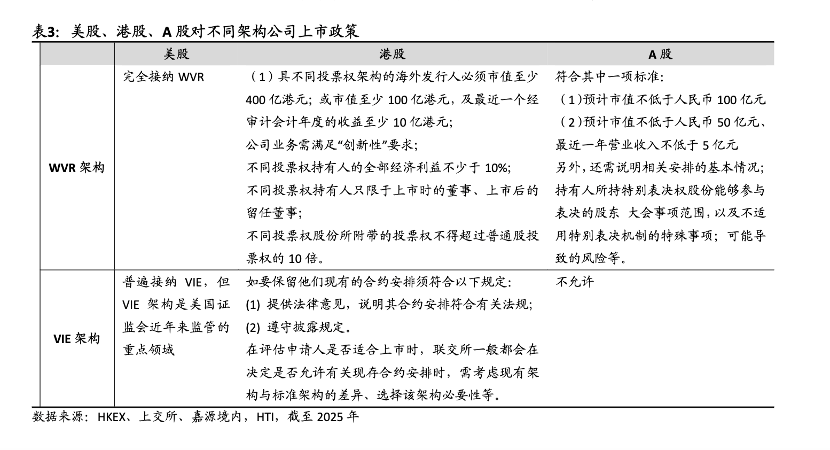
同股不同权

Search documents
金融工作者坐牢指南之五—独家详解廉政公署请你喝咖啡
水皮More· 2026-03-17 08:59
Core Viewpoint - The article discusses the evolution and current challenges of the Hong Kong capital market, highlighting issues such as outdated practices, regulatory shortcomings, and recent insider trading scandals that undermine investor confidence [4][8][9]. Group 1: Market Evolution - Hong Kong's capital market has historically been a model for mainland China, influencing various aspects such as listing regulations and market mechanisms [3]. - The shift from an approval-based listing system to a registration-based system, along with the introduction of the "Shanghai-Hong Kong Stock Connect," reflects Hong Kong's efforts to modernize and align with global standards [3]. - The introduction of the "same share, different rights" structure in 2018 marked a significant reform aimed at attracting more companies to list in Hong Kong [7]. Group 2: Current Challenges - The article points out that the Hong Kong stock market has several systemic issues, including a lack of standardized trading units and delayed access to real-time market data for retail investors [5]. - The prevalence of "penny stocks" and low liquidity in the market has led to a concentration of investment in a few leading companies, creating a stagnant environment for other stocks [8][9]. - The recent insider trading case involving major securities firms and a hedge fund highlights the ongoing issues of corruption and regulatory enforcement in the market [11][12]. Group 3: Insider Trading Case - The article details a recent investigation by the Hong Kong Independent Commission Against Corruption (ICAC) into insider trading activities involving two securities firms and a hedge fund, resulting in multiple arrests [11]. - A senior executive from one of the firms allegedly accepted bribes exceeding 4 million HKD to leak confidential information about stock placements, leading to significant profits for the hedge fund involved [12][21]. - The case underscores the vulnerabilities within the ECM (Equity Capital Markets) sector, where the distribution of shares during IPOs and placements can be manipulated, raising concerns about market integrity [20][21].


港交所将迎“上市新规”!同股不同权比例最高20:1,全面放开保密申报机制
券商中国· 2026-03-15 05:45AI Processing
3月13日,港交所就上市机制改革向市场咨询意见。 自2018年港股IPO改革允许同股不同权和亏损的生物科技企业上市,港股上市公司的结构从根本上得以重塑, 一大批特专科技和医药生物企业赴港上市。如今,港交所拟再一次改革上市制度,拟降低同股不同权企业的市 值及财务门槛,不同投票权比例最高可达20:1;优化第二上市的规定,便利海外上市的发行人赴港上市;允许 所有拟IPO的新企业保密申报,同时强化退回机制。 港交所上市主管回应记者提问表示:"放宽同股不同权的创新产业公司上市门槛,但仍高于一般主板上市条 件,维护上市公司质量与投资者保护并不矛盾。允许所有IPO申请保密申报也会对上市文件做出严格要求,不 完备的材料退回将公布保荐人、律所和会计所等机构。" 同股不同权最高比例达20:1 上一次重大的上市机制改革,要追溯到2018年,当时港交所首次允许不同投票权架构的新经济公司和生物科技 公司上市,此后2023年又推出第18C章吸引特专科技公司上市,改变了港股上市公司的结构。 3月13日,港交所拟再改革新股IPO上市规则并向市场咨询意见。香港交易所上市主管伍洁镟表示,此次改革 主要考虑两方面:一是回应市场需求,吸引更多类型的 ...


赴港IPO要变了
盐财经· 2026-03-14 08:58
Core Viewpoint - The Hong Kong Stock Exchange (HKEX) is proposing a series of reforms to enhance its listing mechanisms and attract more companies to list in Hong Kong, including allowing all companies to submit applications confidentially, relaxing different voting rights rules, and lowering the thresholds for secondary listings [4][8]. Group 1: Relaxation of Listing Requirements - The financial thresholds for companies seeking to adopt different voting rights structures are being lowered. The market capitalization requirement will decrease from HKD 40 billion to HKD 20 billion, and the revenue threshold will drop from HKD 10 billion to HKD 600 million [6][7]. - The ratio of different voting rights will be increased from 10:1 to 20:1, allowing management shares to have up to 20 times the voting power of ordinary shares [6][7]. - The definition of "innovative industry" companies is being broadened, allowing more companies to qualify for different voting rights structures without needing to prove they are in the "innovative industry" [6][7]. Group 2: Facilitation for Overseas Issuers - The requirements for overseas companies seeking secondary listings in Hong Kong are being significantly relaxed. The market capitalization threshold for companies returning to Hong Kong will be reduced from HKD 10 billion to HKD 6 billion [8][9]. - Clearer guidelines will be provided for companies transitioning from secondary to primary listings, enhancing the process for overseas firms to list in Hong Kong [9]. Group 3: Confidential Application Submissions - The option for confidential submission of listing applications is being expanded to all applicants, allowing companies to prepare for listing without disclosing sensitive information in unfavorable market conditions [10][11]. Group 4: Market Context and Future Implications - The proposed reforms come at a time when there is a resurgence in IPO activity in Hong Kong, with over 480 companies currently in the pipeline to list [4][8]. - The reforms aim to attract high-quality companies and long-term capital, addressing the liquidity challenges and enhancing the overall quality of listed companies in Hong Kong [18].

港交所再掀上市改革,香港力拼全球“IPO中心”
和讯· 2026-03-14 05:52
Core Viewpoint - Hong Kong Stock Exchange (HKEX) is initiating a significant reform of its listing mechanisms to enhance competitiveness and attract more diverse and innovative companies, amidst a booming IPO market and increasing international competition [2][3][4] Group 1: Reasons for Reform - The reform is driven by two main factors: market demand from Southeast Asian and tech companies seeking more flexible listing processes, and international competition from exchanges in the UK, US, and Singapore [3] - HKEX aims to adapt to the evolving market landscape, building on regulatory experiences since 2018, with new economy sectors accounting for 48.2% of total market capitalization and 59.4% of trading volume by the end of 2025 [3] Group 2: IPO Market Performance - In 2025, Hong Kong welcomed 119 new IPOs, raising HKD 285.8 billion, reclaiming the global top spot for the first time in four years [4] - As of February 2026, 24 companies completed IPOs, raising HKD 89.226 billion, a year-on-year increase of over 10 times [4][5] - The average first-day gain for new stocks in 2026 is approximately 31.17%, with over 95% of new listings experiencing price increases [4][5] Group 3: Key Reform Highlights - The reform includes significant changes such as lowering the market capitalization threshold for companies with different voting rights from HKD 400 billion to HKD 200 billion, and allowing a voting rights ratio of up to 20:1 for companies with a market cap over HKD 400 billion [7][9][10] - A clear definition of "innovative industries" is proposed, creating two pathways for companies to qualify for different voting rights structures, thus reducing subjectivity in the application process [12] - The second listing threshold for overseas companies is significantly lowered, with market cap requirements reduced to HKD 60 billion and income requirements to HKD 6 billion [14][15] Group 4: Confidential Filing and Accountability - All new applicants will be allowed to submit listing applications confidentially, enabling companies to prepare for listing without prematurely exposing sensitive information [17] - A strengthened accountability mechanism will be implemented, requiring the disclosure of all professional parties involved if an application is deemed incomplete [17] Group 5: Market Quality Assurance - HKEX emphasizes that the lowered thresholds will still maintain high standards, with new measures ensuring that companies with different voting rights must have significant economic interests to protect minority shareholders [19][20] - The confidentiality of submissions will not be permanent, as companies must disclose information post-hearing, ensuring market transparency [21] Group 6: Broader Market Implications - The reform aims to enhance liquidity and attractiveness of the Hong Kong market, potentially solidifying its position as a leading global financing center [25][26] - The timing of the reform is seen as a strategic move to boost market confidence and activity, especially following a period of low market performance [27] - The impact of the reform is expected to be structural, benefiting tech and high-growth companies while posing challenges for traditional industries [28]

港交所再启重磅改革
第一财经· 2026-03-14 05:52
Core Viewpoint - Hong Kong Stock Exchange (HKEX) is proposing a series of reforms to enhance its listing mechanism competitiveness, including optimizing dual-class share structures and facilitating overseas companies to list in Hong Kong. The consultation period for these reforms will last for eight weeks, ending on May 8, 2026 [3][4]. Group 1: Dual-Class Share Structure - The market capitalization requirement for dual-class share companies is significantly reduced. The A-class standard market cap threshold is lowered from HKD 40 billion to HKD 20 billion, and the B-class standard market cap threshold is reduced from HKD 10 billion to HKD 6 billion [5][6]. - The new proposal allows companies with a market cap of HKD 40 billion to increase the voting ratio cap from 10:1 to 20:1, meaning each share with different voting rights can have up to 20 votes [6][7]. - To ensure alignment of interests between different voting rights shareholders and ordinary shareholders, the new rules require that holders of different voting rights must possess at least HKD 6 billion in equity at the time of listing [6][7]. Group 2: Second Listing for Overseas Companies - For overseas companies seeking a secondary listing in Hong Kong, the market cap requirement is reduced from HKD 10 billion to HKD 6 billion, aligning it with the primary listing requirements [6][8]. - The financial qualification threshold for dual-class share companies seeking a secondary listing is also lowered to match the primary listing requirements [6][8]. Group 3: Confidential Application Process - The scope for confidential submission of listing applications is expanded to include all new applicants, allowing them to submit applications without immediate public disclosure [10][11]. - This change aims to provide flexibility for companies, particularly in traditional sectors, to protect sensitive information during the listing preparation phase [11][12]. - The enhanced return mechanism will disclose the names of sponsors for rejected applications and all professional institutions involved in the preparation process, aiming to improve the quality of listing documents [12]. Group 4: Market Context and Rationale - The reforms are driven by the significant changes in the structure of listed companies in Hong Kong, with new economy sectors accounting for 48.2% of total market capitalization by the end of 2025, up from 14.6% before 2017 [14]. - The competitive pressure from global markets necessitates these reforms, as other major markets like the UK, US, and Singapore have also optimized their listing mechanisms [15][16]. - The Hong Kong Stock Exchange aims to respond to market demands and align with international standards to enhance its competitiveness [14][15].

赴港IPO要变了
投资界· 2026-03-13 09:52
Core Viewpoint - The Hong Kong Stock Exchange (HKEX) is proposing a series of reforms to enhance the competitiveness of its listing mechanism, aiming to attract more companies to list in Hong Kong, with over 480 companies currently in the IPO queue [2][3]. Reform Measures - The financial threshold for companies with different voting rights is proposed to be lowered from a market capitalization of HKD 400 billion or HKD 100 billion with revenue of HKD 10 billion to a new threshold of HKD 200 billion or HKD 60 billion with revenue of HKD 6 billion [3][5]. - The ratio of different voting rights is suggested to increase from 10:1 to 20:1, allowing management shares to have up to 20 times the voting power of ordinary shares [3][5]. - The definition of "innovative industry" companies is expanded, allowing more companies to qualify for different voting rights structures without needing to prove their status as "innovative" [3][5]. Second Listing and Overseas Issuers - The reforms aim to simplify the second listing process for overseas companies, reducing the market capitalization requirement from HKD 100 billion to HKD 60 billion for companies returning to Hong Kong [6][7]. - The guidelines for transitioning from a second listing to a primary listing are being revised to provide clearer instructions for compliance [6][7]. Confidential Submission - The option for confidential submission of listing applications is being expanded to all applicants, allowing companies to prepare for listing without disclosing sensitive information during unfavorable market conditions [9][10]. Transparency and Reporting - The proposal includes enhancing the transparency of the application process by publishing the identities of all professional institutions involved in preparing listing materials when applications are returned [11]. Market Context - The HKEX has seen a resurgence in IPO activity, with 119 companies listed in 2025, raising over HKD 285 billion, marking a return to the top of the global IPO rankings [12][13]. - The average first-day gain for new stocks in 2025 was 37%, with a record low of 28% for the rate of stocks falling below their IPO price [13]. - In early 2026, the IPO market continued to thrive, with fundraising exceeding HKD 892 billion in just two months [14]. Challenges and Future Outlook - Despite the positive IPO environment, liquidity issues persist, with a significant portion of trading volume concentrated in a few large companies [16]. - A substantial amount of locked shares is set to be released in 2026, which could impact market dynamics [16]. - The proposed reforms are seen as a timely response to attract high-quality companies and long-term capital to the market [16][17].

同股不同权比例可至20倍!港交所,重大突破!
证券时报· 2026-03-13 05:48
港交所计划对上市规则进行新一轮重要改革,以吸引更多企业来港上市。 3月13日,香港交易所全资附属公司香港联合交易所有限公司(联交所)刊发咨询文件,就一系列有关提升香港上市机制竞争力的建议咨询市场意见。本 次咨询期为八周,至2026年5月8日结束。 据介绍,联交所的建议旨在创造更加多元和更有活力的市场环境,提供更丰富的投资机遇,从而更好地满足投资者和发行人的需求。 主要改革措施如下: 1.放宽"同股不同权"(不同投票权)的限制: 以前对采用不同投票权架构的公司在财务上有比较严格的要求,现在计划降低财务门槛。 同时,计划将不同投票权的比例上限从目前的10比1提高到20比1(即管理层股份的投票权可以是一般股份的20倍)。 2.便利海外发行人上市:简化流程或放宽条件,吸引更多在海外上市的公司回流或选择在香港双重主要上市。 | | 首次上市规定及上市安排 | | | | --- | --- | --- | --- | | 7. | 拥有权和 | 在相关期限内,申请人必须一直在对管理 | 将现有指引编入《上市规则》:若 | | | 控制权延 | 层具有重大影响力的同一股东控制下,以 | 申请人能证明虽然控制权出现变 | ...

SpaceX,目标估值超1.75万亿美元
2 1 Shi Ji Jing Ji Bao Dao· 2026-02-28 03:01
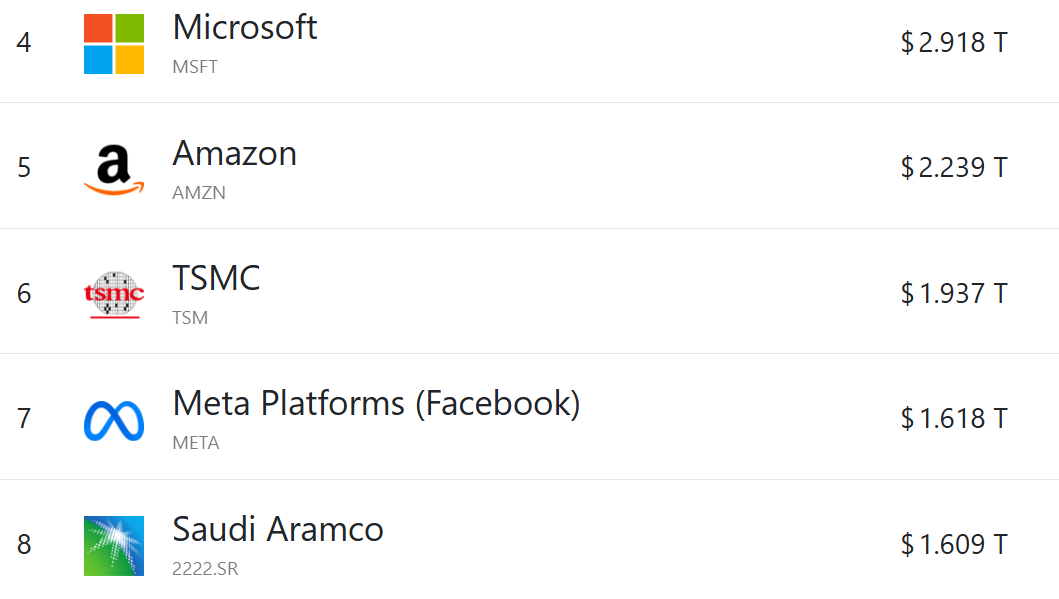
Group 1 - The core viewpoint of the news is that SpaceX, led by Elon Musk, is considering filing for an IPO as early as March, aiming for a valuation exceeding $1.75 trillion, which would position it as the 7th largest company globally by market capitalization [1][2] - SpaceX's potential IPO could raise up to $50 billion, surpassing the previous record set by Saudi Aramco's $29 billion IPO in 2019 [2] - The funds raised from the IPO are intended for various ambitious projects, including increasing the launch frequency of the Starship rocket, establishing AI data centers in space, and building a lunar base [2] Group 2 - SpaceX's valuation following its acquisition of xAI was reported to be $1.25 trillion, indicating significant growth potential leading up to the IPO [2] - Major investment banks, including Morgan Stanley, JPMorgan Chase, Goldman Sachs, and Bank of America, are expected to serve as lead underwriters for the IPO [2] - SpaceX may adopt a dual-class share structure, granting more voting power to Musk and other insiders [2]
香港交易所:2025年全年迎来119只新股上市
Zheng Quan Ri Bao Wang· 2026-02-26 12:09
Group 1 - The Hong Kong Stock Exchange (HKEX) reported a record total revenue and other income of HKD 29.2 billion for the year 2025, a 30% increase from 2024, leading to a shareholder profit of HKD 17.8 billion, up 36% year-on-year [1] - In 2025, Hong Kong's IPO activity was particularly vibrant, with a total of 119 new listings raising HKD 286.9 billion, more than three times the amount raised in 2024, and two companies ranked among the top five globally for IPO fundraising [1] - The average daily trading volume for the Shanghai-Hong Kong Stock Connect reached RMB 212.4 billion in 2025, a 42% increase from 2024, while the average daily trading volume for the Hong Kong Stock Connect hit HKD 121.1 billion, up 151% year-on-year [1] Group 2 - The HKEX's CEO, Charles Li, noted that nearly half of the new IPOs in 2025 were companies expanding into international markets, attracting cornerstone investors from North America, Europe, the Middle East, and other regions [1] - The HKEX's "Tech Company" special line has gained popularity, with over 100 of the more than 400 companies currently in the queue being specifically served by this initiative [2] - The HKEX is considering expanding the scope of confidential IPO applications and will carefully evaluate various factors to enhance the competitiveness of the Hong Kong market [3]
同股不同权将修订、便利第二上市,港交所再出新政撬动中概股回流
Di Yi Cai Jing· 2026-02-26 08:24
Group 1 - Hong Kong is accelerating its listing system reforms to attract more new economy enterprises to go public [1][6] - The Financial Secretary, Paul Chan, announced plans to revise the "dual-class share" listing requirements in the first quarter, providing more flexibility for biotech and specialized technology companies [2][7] - Recent market conditions show the Hang Seng Index has dropped over 4.5% since the end of January, but industry experts remain optimistic about future performance supported by resilient capital flows and favorable fundamentals in AI and new economy sectors [1][11] Group 2 - The revision of "dual-class share" requirements is expected to attract more Chinese concept stocks back to Hong Kong, with Goldman Sachs estimating that 27 such stocks could return, totaling over HKD 1.4 trillion in market value [2][5] - UBS predicts that if these Chinese concept stocks return, the average daily trading volume in Hong Kong could increase by HKD 19 billion, boosting the exchange's revenue and net profit by 4%-5% and 7%, respectively [2][5] - The current listing rules require a high market capitalization for "dual-class share" companies, which poses challenges for many smaller companies looking to enter the Hong Kong market [5] Group 3 - The Hong Kong government is emphasizing the strategic role of the technology sector in the capital market, signaling further reforms to attract new economy enterprises [6][8] - The government has launched a HKD 10 billion "Innovation and Technology Industry Guidance Fund" focusing on investments in life sciences, AI, and robotics [8] - The Hong Kong Stock Exchange is considering allowing more types of companies to submit listing applications confidentially, enhancing its competitive edge in the global capital market [8] Group 4 - Despite the announcement of significant reforms, the Hong Kong stock market has continued to decline, with the Hang Seng Index showing mixed performance recently [9][10] - Recent outflows of southbound funds have been noted, with nearly HKD 4.5 billion sold in two consecutive trading days, contrasting with previous inflows [10] - Analysts believe that the current market adjustments are temporary and that the Hang Seng Technology Index may see a rebound as investor sentiment improves [12]