商业保险供给侧改革

Search documents
锁凌燕:老龄化加速,及早推动商业保险供给侧改革
Sou Hu Cai Jing· 2025-12-22 03:09
Group 1 - The macroeconomic environment in 2025 presents both opportunities and challenges, with China showcasing resilience amid global economic fluctuations [1] - The central economic work conference has set the tone for 2026 as "seeking progress while maintaining stability, improving quality and efficiency" [1] - The focus is on balancing short-term recovery with long-term transformation, emphasizing sustainable consumption growth and the synergy between "internal circulation" and "high-level opening up" strategies [1] Group 2 - The rapid aging population necessitates early reforms in the supply side of commercial insurance, which is crucial for addressing long-term care and wealth transfer needs [3] - The development of pension finance is identified as a strategic pillar for enhancing the stability of the pension system and improving residents' welfare [3] - Insurance can provide comprehensive solutions that include pension protection products, risk management, and healthcare services integration [3][4] Group 3 - Product design should leverage expertise in lifelong annuity schemes and risk management to enhance financial resilience across family life cycles [4] - There is a need for inclusive and customized commercial medical insurance and long-term care products to improve the long-term health security network [4] - Collaborative planning between pensions, medical insurance, and long-term care services is essential for reducing overall pension costs [4] Group 4 - The "14th Five-Year Plan" emphasizes the importance of improving people's livelihoods and the role of commercial insurance in supplementing social security [5] - The insurance sector is positioned as a key player in the multi-tiered pension system, contributing to the operation of basic pension funds and supporting the development of enterprise annuities [5] - The insurance industry is encouraged to enhance its investment capabilities to support economic development and promote consumption, particularly among the elderly population [5]


专访锁凌燕:老龄化加速,及早推动商业保险供给侧改革
Xin Lang Cai Jing· 2025-12-21 17:39
Core Viewpoint - The insurance industry is positioned to play a crucial role in enhancing pension finance and addressing the challenges posed by an aging population during the "14th Five-Year Plan" period, with a focus on collaborative efforts across the "three pillars" of pension finance [1][5]. Group 1: Pension Finance and Insurance Industry - In 2026, pension finance will become a core focus for the insurance industry, with policies and market forces working together to deepen the collaboration of the "three pillars" [1]. - The insurance sector is expected to fill gaps in basic social security through inclusive products and ecosystem services, while addressing longevity risks and capital preservation pressures with annuity schemes [1][5]. - The insurance industry must innovate product and service models to meet the diverse needs arising from aging and declining birth rates, focusing on lifelong annuity plans and comprehensive risk management solutions [5][6]. Group 2: Role of Insurance Funds - The value of insurance funds as "patient capital" will become more prominent, transitioning from "simple investors" to "professional practitioners" through enhanced long-term assessment mechanisms and in-depth industry research [2]. - The industry will leverage technology and ecosystem restructuring to address supply-demand mismatches, with AI applications expanding from single-point use to comprehensive product design and risk management [2][13]. - The insurance sector is encouraged to actively participate in the operation of basic pension funds and develop supplementary insurance products to strengthen the multi-tiered pension security system [7]. Group 3: Technological Integration and Innovation - The insurance industry faces challenges in balancing personalized consumer demands with standardized products, necessitating fundamental reforms in product design and service ecosystems [11]. - Advanced technologies like big data and AI can help the insurance sector better understand customer needs and optimize risk management, leading to more personalized services [12][13]. - The integration of AI in the insurance industry should be approached with caution, allowing for a trial-and-error space to address potential issues while fostering innovation [13][14].

“十五五”首席观察:中国经济韧性当先
Bei Jing Shang Bao· 2025-12-21 15:55
Group 1: Economic Outlook and Policy Framework - In 2025, China’s economy is at a historical juncture, balancing short-term recovery and long-term transformation under the "14th Five-Year Plan" and the upcoming "15th Five-Year Plan" [1] - The central economic work conference has set the tone for 2026 as "seeking progress while maintaining stability, improving quality and efficiency" [1] - Key challenges include achieving sustainable consumption growth and coordinating the dual strategies of "internal circulation" and "high-level opening up" [1] Group 2: Monetary Policy Insights - There is still room for monetary policy adjustments, including potential interest rate cuts and reserve requirement ratio reductions to support economic recovery [3][4] - Structural tools will be expanded to focus on key national strategies and weak links, such as increasing support for technological innovation [4] - The need for a coordinated approach to counter-cyclical and cross-cyclical adjustments in monetary policy is emphasized to create a stable financial environment [4][5] Group 3: Currency and Exchange Rate Dynamics - The Chinese yuan has strengthened against a backdrop of complex external conditions, driven by domestic economic resilience and improved macro narratives [7] - The central economic work conference emphasizes maintaining the stability of the yuan, focusing on preventing excessive fluctuations [8] - The outlook for the yuan remains uncertain, with potential challenges from trade balance shifts and international economic conditions [9] Group 4: Gold Market Trends - Gold prices have reached new highs, driven by heightened global risk aversion and skepticism towards the US dollar credit system [11] - The forecast for gold prices suggests a potential rise to the range of $4,500 to $5,000 per ounce, influenced by ongoing geopolitical risks and central bank purchasing trends [12] Group 5: Aging Population and Insurance Sector - The aging population necessitates reforms in commercial insurance to address long-term care and wealth transfer needs [14] - The insurance sector is positioned to play a crucial role in providing comprehensive solutions for retirement security and risk management [15][16] Group 6: Internal and External Economic Circulation - The restructuring of global trade and external policy spillover effects are critical external variables for China's economic development [18] - The emphasis is on promoting the deep integration of internal and external circulation through policy guidance and market mechanisms [19] Group 7: Bond Market and Interest Rate Projections - The People's Bank of China is expected to implement a more proactive monetary policy, focusing on structural optimization rather than just total easing [22] - Long-term bond rates are anticipated to experience a phase of decline, influenced by fiscal expansion and ongoing economic recovery [23]
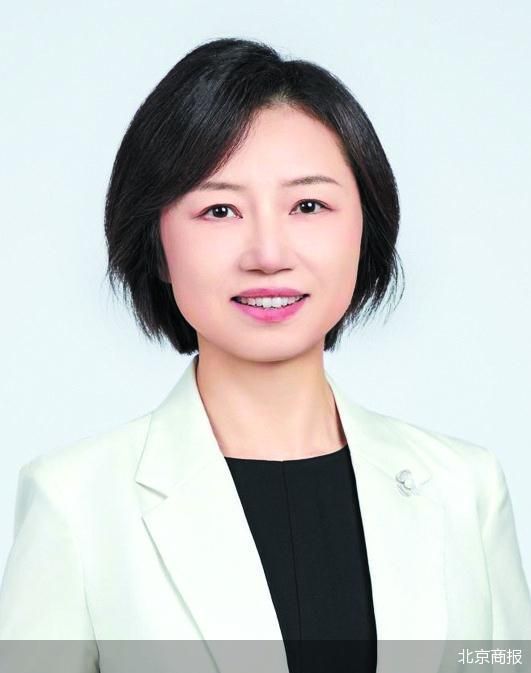
“十五五”首席观察|专访锁凌燕:老龄化加速,及早推动商业保险供给侧改革
Bei Jing Shang Bao· 2025-12-21 05:36
Core Viewpoint - The insurance industry is positioned to play a crucial role in enhancing pension finance and addressing the challenges posed by an aging population during the "14th Five-Year Plan" period, with a focus on collaborative efforts across the "three pillars" of pension finance [1][5]. Group 1: Pension Finance and Insurance Industry - In 2026, the insurance industry will focus on pension finance as a core area, with policies and market forces driving the collaboration of the "three pillars" from design to implementation [1]. - The insurance sector is expected to fill gaps in basic social security through inclusive products and services, while addressing longevity risks and capital preservation pressures with annuity schemes and cross-cycle risk management [1][5]. - The development of pension finance is seen as a strategic pillar for enhancing the long-term stability of the pension system and improving residents' welfare [5]. Group 2: Investment Strategies and Challenges - The value of insurance funds as "patient capital" will become more prominent, requiring a shift from being "simple investors" to "professional experts" through enhanced long-term assessment mechanisms and deep industry research [2][8]. - The insurance industry must address challenges such as low interest rates and the balance of risks and returns in technology investments while ensuring long-term investment stability and solvency [8][10]. - A focus on professional depth and risk management is essential for the insurance sector to transition from passive "value guardians" to active "value creators" [10]. Group 3: Product Innovation and Consumer Needs - The insurance industry faces a mismatch between personalized consumer demands and standardized products, necessitating fundamental reforms in product design and service ecosystems [12]. - Advanced technologies like big data and AI can help the insurance sector provide more personalized services and products by analyzing customer needs and optimizing risk management [13][14]. - The integration of insurance products with health management and long-term care services is crucial for reducing overall pension costs and enhancing the resilience of the pension finance system [6][14]. Group 4: Regulatory and Ethical Considerations - The insurance industry must balance technological innovation with compliance and ethical standards, particularly as AI applications evolve from single-point solutions to comprehensive empowerment across the value chain [14][15]. - There is a need for regulatory frameworks that not only correct errors but also allow for experimentation and innovation within the insurance sector [15].