
车规级功率芯片

Search documents
又一条车规芯片产线,投产!
半导体芯闻· 2026-01-28 10:31
Core Viewpoint - The establishment of the 6-inch automotive-grade power semiconductor wafer production base by Ruineng Microelectronics in the Zhongguancun (Shunyi) third-generation semiconductor industrial park marks a significant advancement in the development of the third-generation semiconductor industry in Shunyi District, with the production line entering trial production phase [1][2]. Group 1 - The automotive-grade power chips produced by Ruineng Microelectronics have stringent requirements for reliability, consistency, and lifespan, which have historically been a weakness in the domestic industry [2]. - The total investment for the 6-inch automotive-grade power semiconductor wafer production base is 926 million yuan, covering an area of 30,000 square meters, with plans to gradually increase production capacity over three years after official production begins, aiming for full production by the end of 2025 [2]. - The production base is expected to enhance the synergy within the semiconductor industry chain, contributing to the establishment of a core area for automotive-grade power chips and a demonstration zone for third-generation semiconductor applications in Shunyi District [6]. Group 2 - Ruineng Microelectronics is positioned in the midstream of the semiconductor industry chain, connecting upstream with third-generation semiconductor material companies and downstream with automotive manufacturers, fostering a beneficial cycle of semiconductor chip design, processing, and vehicle application [6]. - The company has engaged in deep cooperation with other enterprises in the industrial park, forming a complementary and collaborative supply chain ecosystem, with initiatives like Poisson Energy Space actively facilitating upstream and downstream connections [6]. - The operational support system in the Zhongguancun (Shunyi) third-generation semiconductor industrial park includes standardized factory buildings and power capacity enhancements, along with a "one-on-one" service mechanism to address the growth needs of enterprises like Ruineng Microelectronics [9].


因芯片短缺,曝博世3大工厂面临停产风险
Ju Chao Zi Xun· 2025-11-19 14:27
Core Insights - The chip supply shortage caused by the trade dispute involving Nexperia has put Bosch's factories in Ansbach, Salzgitter, and Braga at risk of shutdown, affecting approximately 3,500 employees [2][3] Factory Impact Summary - **Ansbach, Germany**: 2,500 employees, approximately 650 affected, facing temporary shutdown [3] - **Salzgitter, Germany**: 1,300 employees, 300-400 affected, facing temporary shutdown [3] - **Braga, Portugal**: 3,300 employees, approximately 2,500 affected, facing temporary work hour adjustments or furloughs [3] Background of the Dispute - On September 30, the Dutch government took control of Nexperia citing "national security" and "intellectual property protection" concerns [4] - On October 3, China's Ministry of Commerce retaliated by banning Nexperia China and its subcontractors from exporting domestically produced automotive-grade power semiconductors, impacting about 70% of Nexperia's chip supply globally [4] - On October 26, Nexperia Netherlands suspended wafer supply to its Chinese subsidiary, exacerbating the supply chain disruption [4] - Nexperia holds over 30% market share in the automotive-grade power chip market, with its chips widely used in automotive electronic systems [4] Bosch's Response Measures - Bosch is seeking alternative chip suppliers and evaluating multiple backup options [5] - Implementing a "wafer direct delivery" plan to purchase silicon wafers directly from Nexperia's European factories for packaging in Dongguan, China [5] - Adjusting production plans to prioritize core product lines and customer orders [5] Broader Industry Impact - The crisis has extended to the global automotive supply chain, with major German automakers like Volkswagen and BMW facing chip inventory that can only sustain production for 10-20 days [5] - Honda has been forced to halt production at its Mexican factory, and first-tier suppliers like ZF and Omron are also facing production cuts [5] - On November 19, the Dutch Ministry of Economic Affairs announced a suspension of intervention in Nexperia, returning control to Wingtech Technology [5] - Analysts believe this crisis highlights the vulnerability of the global automotive supply chain's over-reliance on a single chip supplier, predicting a shift towards supply chain diversification among automakers and component manufacturers [5]

冻结147亿成笑话,安世要人民币结算,荷兰抢空壳,美元霸权慌了
Sou Hu Cai Jing· 2025-11-06 11:10
Core Viewpoint - The recent takeover of Nexperia by the Dutch government has sparked significant controversy, revealing the complexities of global semiconductor supply chains and the shifting power dynamics between China and the West [1][3][12]. Group 1: Company Actions and Reactions - The Dutch government’s unexpected takeover of Nexperia, valued at 14.7 billion RMB, raised concerns about potential ownership changes in a key player in the automotive chip sector [1][3]. - Following the takeover, Nexperia China announced a suspension of chip supplies to the European market starting October 4, leading to immediate disruptions in the global supply chain, particularly affecting European automotive companies [12][14]. - Nexperia China later confirmed it would resume supplies but under strict conditions: limiting sales to the Chinese market and requiring all transactions to be settled in RMB, rejecting the authority of the Dutch headquarters [14][16]. Group 2: Industry Implications - The core production capacity of Nexperia has shifted to China, with the Dongguan factory accounting for 70% of its packaging capacity, while the Dutch headquarters primarily handles administrative functions [7][10]. - The global automotive industry relies heavily on chips produced in Dongguan, with 70% of automotive power chips originating from this facility, highlighting the critical nature of this production site [8][10]. - The situation illustrates a significant shift in the global industrial landscape, where China, holding 30% of global manufacturing, is now leveraging its production capabilities to push for the internationalization of the RMB, challenging the dominance of the US dollar in cross-border transactions [18][20].
南财观察:硬刚荷兰 底气何在?
2 1 Shi Ji Jing Ji Bao Dao· 2025-10-26 09:41
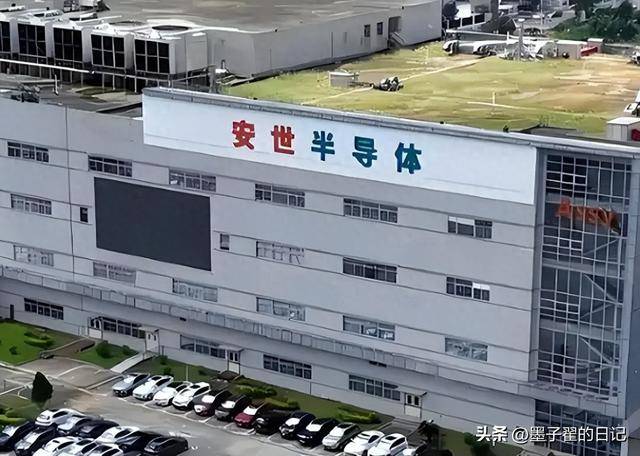
Core Insights - A control dispute over a Chinese semiconductor company, Anshi Semiconductor, is causing unprecedented crises in the global automotive supply chain [1][2] - Anshi Semiconductor, previously part of Philips, was acquired by China's Wentai Technology for 33 billion yuan in 2019, and has since risen to become the third-largest player in the global power semiconductor market [1] - The Dutch government has frozen Anshi's global assets and knowledge rights for one year, citing national security, and has removed the Chinese CEO, leading to a forced custodianship of Wentai's shares [1][2] Group 1 - Anshi Semiconductor's production capacity is heavily concentrated in Dongguan, China, where 80% of its output is located, producing 70% of the world's automotive-grade power chips [2] - The company announced an "independent operation" status, rejecting any directives not recognized by its Chinese division, and severed system connections with its Dutch headquarters [2] - The European Automobile Manufacturers Association (ACEA) warned of a potential three-month disruption in the automotive supply chain if the dispute is not resolved quickly, with major manufacturers like Volkswagen and BMW facing severe inventory shortages [2][3] Group 2 - Wentai Technology reported a record high revenue from its semiconductor business in China for Q3 2025, with a year-on-year growth of approximately 14%, and automotive business revenue increasing over 26% [3] - China accounted for 49.29% of Anshi's global revenue, making it the fastest-growing and highest strategic priority region for the company [3] - The Dutch Economic Affairs Minister signaled a willingness to negotiate, emphasizing Anshi's importance to the global supply chain, while the Chinese market's support has empowered Anshi's response to the Dutch headquarters [2][3]

冻结17天之后,安世中国官宣独立,欧洲施压,荷兰紧急对华服软
Sou Hu Cai Jing· 2025-10-21 08:55
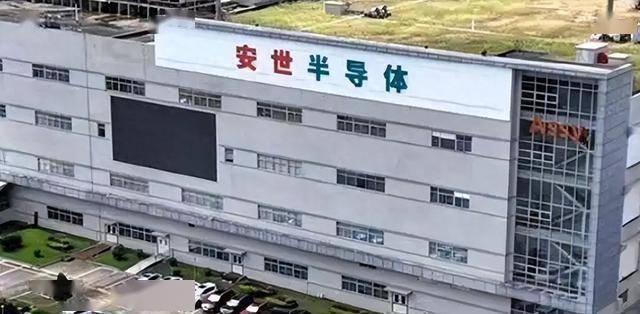
Core Viewpoint - The Netherlands' decision to impose technology restrictions in alignment with the U.S. has backfired, leading to significant disruptions in its semiconductor supply chain and economic losses, particularly affecting the automotive industry [1][5][26]. Group 1: Government Actions and Consequences - The Dutch government invoked an old law to freeze the global operations of ASML Semiconductor, resulting in the immediate freezing of assets worth 14.7 billion yuan and the removal of the Chinese CEO from management [5][7]. - Following the asset freeze, the Dutch government faced a daily loss of approximately 2.3 million euros due to supply chain disruptions, as the company was unable to issue production directives [3][21]. - The Netherlands' actions were framed as a measure to ensure national security and prevent supply chain disruptions, despite the lack of substantial evidence or a proper investigation [9][7]. Group 2: Impact on the Semiconductor Industry - ASML Semiconductor, primarily producing automotive-grade power chips, was mischaracterized as a military-sensitive technology provider, leading to misguided government actions [9][11]. - The company's core production capabilities are based in Dongguan, China, which accounts for over 70% of its capacity, while the Netherlands' operations are limited to low-end packaging [17][19]. - The inability to maintain normal operations in the Netherlands has resulted in a significant disconnect between Dutch and Chinese operations, leading to a complete operational breakdown [21][15]. Group 3: Reactions from the Automotive Sector - Major European automakers, including BMW and Volkswagen, reported losses of up to 1 billion euros per month due to chip shortages and threatened to relocate production if the supply issues were not resolved [26][31]. - A coalition of 16 major automotive companies pressured the Dutch government to address the supply chain crisis, threatening to boycott Dutch agricultural products if the situation was not rectified within two weeks [33][29]. - The crisis has led to production halts in multiple automotive parts suppliers, affecting nearly 200,000 jobs and highlighting the fragility of the European automotive supply chain [31][35]. Group 4: Diplomatic Efforts and Future Outlook - In response to the mounting pressure, the Dutch government has signaled a willingness to engage in discussions with Chinese officials to resolve the semiconductor supply chain issues [37][38]. - The situation underscores the complexities of global supply chains and the potential repercussions of aligning too closely with U.S. policies, as the Netherlands faces significant economic consequences from its actions [1][39].
华润微董事长何小龙:功率芯片为能源转型贡献中国方案
2 1 Shi Ji Jing Ji Bao Dao· 2025-09-05 12:01
Core Insights - The rapid development of the power semiconductor market in China is significantly driven by the growth of the electric vehicle sector, with a projected global market size of $75.5 billion by 2025, where China will hold a 38.6% share at $29.1 billion [1][2] - Huazhong Microelectronics (华润微) is positioned as a leading player in the Chinese power semiconductor market, ranking second among local companies and first in the MOSFET segment [1][2] - The company aims to transition from a "single device supplier" to a "system-level solution provider," focusing on energy efficiency solutions and enhancing modular and systematic capabilities [3] Industry Growth Opportunities - The demand for high-efficiency and reliable power devices is increasing due to the rising penetration of electric vehicles, particularly in core modules such as electric drive systems, on-board chargers, DC-DC converters, and battery management systems [2] - Huazhong Micro's revenue from automotive electronics and new energy sectors reached 1.248 billion yuan in the first half of 2025, marking a 37% year-on-year increase, with 102 automotive-grade products certified [2] Competitive Landscape - Chinese companies are currently in a catch-up phase compared to international leaders like Infineon, particularly in high-end IGBT, SiC trench MOS, and automotive-grade MCU technologies [4] - The advantages of domestic firms include support from domestic substitution policies and the ability to respond quickly to local demands due to their IDM (Integrated Device Manufacturer) model [4][6] Technological Innovations - Huazhong Micro is actively promoting technological innovation, focusing on third and fourth-generation semiconductors, with stable operations in its 6-inch SiC pilot line and ongoing developments in GaN technology [6][7] - The company is enhancing the value of its products in sectors such as new energy vehicles, photovoltaic storage, and industrial automation, with a focus on intelligent power modules and advanced power modules [6][7] Collaborative Efforts - The company emphasizes the importance of ecosystem collaboration, working with universities and leading automotive manufacturers to develop automotive-grade chips and participate in national standard-setting [7] - Huazhong Micro aims to build a comprehensive ecosystem that supports the global competitiveness of China's new energy vehicle industry and contributes to global energy transition efforts [7]

华润微董事长何小龙: 产品落地要“扎进场景里”
Zheng Quan Shi Bao· 2025-09-04 18:37
Core Insights - The rapid development of China's new energy vehicle market presents significant growth opportunities for the power semiconductor industry, driven by increased demand for efficient and reliable power devices in key modules such as electric drive systems and battery management systems [1][2] Group 1: Company Strategy - The company reported a revenue of 1.248 billion yuan in the automotive electronics and new energy sectors for the first half of 2025, marking a 37% year-on-year increase [1] - The company has certified 102 automotive-grade products, with 74 included in the Ministry of Industry and Information Technology's recommended automotive chip directory, leading the industry in quantity [1] - The company is actively embedding itself in the new energy vehicle supply chain through collaborations with major players like BYD and Geely, and by establishing joint laboratories [1][3] Group 2: Future Directions - The company aims to enhance its modular and systematic capabilities around "energy efficiency solutions," transitioning from a "single device supplier" to a "system-level solution provider" [2] - Future innovations will focus on cutting-edge technologies, including the research and development of new materials like gallium oxide, to strengthen long-term competitiveness [3] - The company emphasizes the importance of ecological collaboration within the industry, working with universities and leading automotive companies to advance key technologies [3]
