地缘政治斗争

Search documents
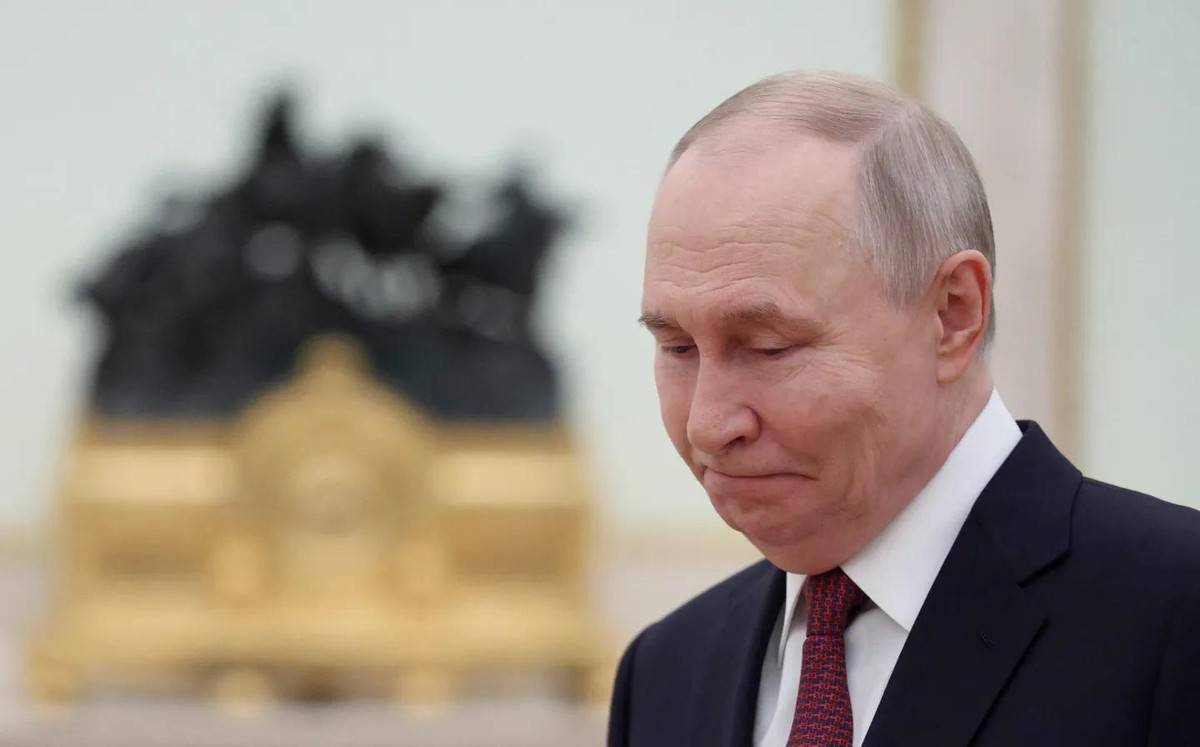
中国人正在过年,俄对欧洲发出通牒:可能采取报复措施!
Sou Hu Cai Jing· 2026-02-22 05:27
Group 1 - Russia has issued a strong warning to Europe, indicating potential military retaliation if European nations continue to seize Russian vessels [1][3] - The warning reflects a shift from economic sanctions to gunboat diplomacy, with Russia emphasizing the importance of naval power in geopolitical struggles [3][5] - The ongoing conflict between Russia and Ukraine has led to a significant deterioration in Russia-Europe relations, impacting energy supply and trade [5][7] Group 2 - Europe is responding to security concerns by increasing defense budgets and military cooperation, moving from a passive to an active role in security provision [7] - The relationship between Russia and Europe is evolving from cooperation to confrontation, indicating a long-term strategic shift that is unlikely to be reversed easily [7] - The geopolitical landscape is becoming increasingly complex, with both sides reinforcing their military capabilities in response to perceived threats [5][7]

欧洲强硬对抗科技巨头,或触怒美国
Xin Lang Cai Jing· 2026-02-17 16:41
Core Viewpoint - European countries are increasing regulatory pressure on social media companies in response to public protests regarding child safety, which may provoke a strong backlash from the United States, as major tech firms like Facebook and X (formerly Twitter) are American companies [1][9]. Regulatory Actions - Following the UK, Spain has ordered an investigation into Meta, X, and TikTok for allegedly disseminating AI-generated child pornography [1]. - Ireland has also initiated an investigation into X's AI chatbot Grok, focusing on its handling of personal data and the generation of harmful pornographic images [1]. - Several European nations, including France, Spain, Greece, Denmark, Slovenia, and the Czech Republic, are proposing to ban social media use among minors due to rising concerns over internet addiction, cyberbullying, and declining academic performance [1][10]. Political Context - Germany and the UK are considering similar measures, reflecting political urgency and disappointment with the EU's response speed and effectiveness [2][10]. - The EU's Digital Services Act (DSA), effective in 2024, allows for fines of up to 6% of global annual revenue for large platforms failing to curb illegal or harmful content [3][11]. - The enforcement of such penalties poses political risks, with former President Trump threatening tariffs and sanctions against EU countries that impose new tech taxes or target American companies [3][11]. Geopolitical Tensions - French President Macron has characterized the U.S. resistance to European regulation as a "geopolitical struggle" [5][13]. - Spain's Consumer Affairs Minister stated that the country's actions aim to reduce digital dependence on the U.S. and address platforms that undermine European democracy [6][14]. Independent Actions by Countries - Denmark's Digitalization Ministry noted that modifications to the DSA guidelines allow countries to establish age restriction laws, prompting independent actions [7][15]. - Spain's proposal to ban social media for individuals under 16 was influenced by the Grok incident involving non-consensual images of minors [7][15]. - Macron's push for a potential EU-wide ban on social media for minors was catalyzed by a violent incident involving a student [7][15]. - Greek Prime Minister Mitsotakis expressed that reading Jonathan Haidt's "The Coddling of the American Mind" was an eye-opening experience regarding the impact of smartphones and social media on children's brains [8][16].
北约启动“北极哨兵”军事计划
Xin Lang Cai Jing· 2026-02-04 22:38
Group 1 - NATO has launched a military plan called "Arctic Sentinel" aimed at enhancing vigilance among allied forces in the Arctic region [1] - The NATO Supreme Allied Commander in Europe confirmed the initiation of the "Arctic Sentinel" plan, with preparations currently underway, but declined to provide further details [1] - A NATO official confirmed via email that the plan is progressing and more details will be disclosed at an appropriate time [1] Group 2 - Russia's Foreign Ministry stated that the situation in the Arctic is deteriorating, necessitating measures to protect its interests in the region [1] - The Arctic is becoming a stage for geopolitical struggles, with increasing tensions not only between Russia and the West but also within the Western alliance [1] - Russia is implementing military-technical measures to defend its Arctic interests, asserting that these actions are in full compliance with international law and do not target third countries [2]
稀土出口管制是否已生效?美财长暗示美国关税威胁奏效,中方作出说明
Sou Hu Cai Jing· 2025-10-29 04:08
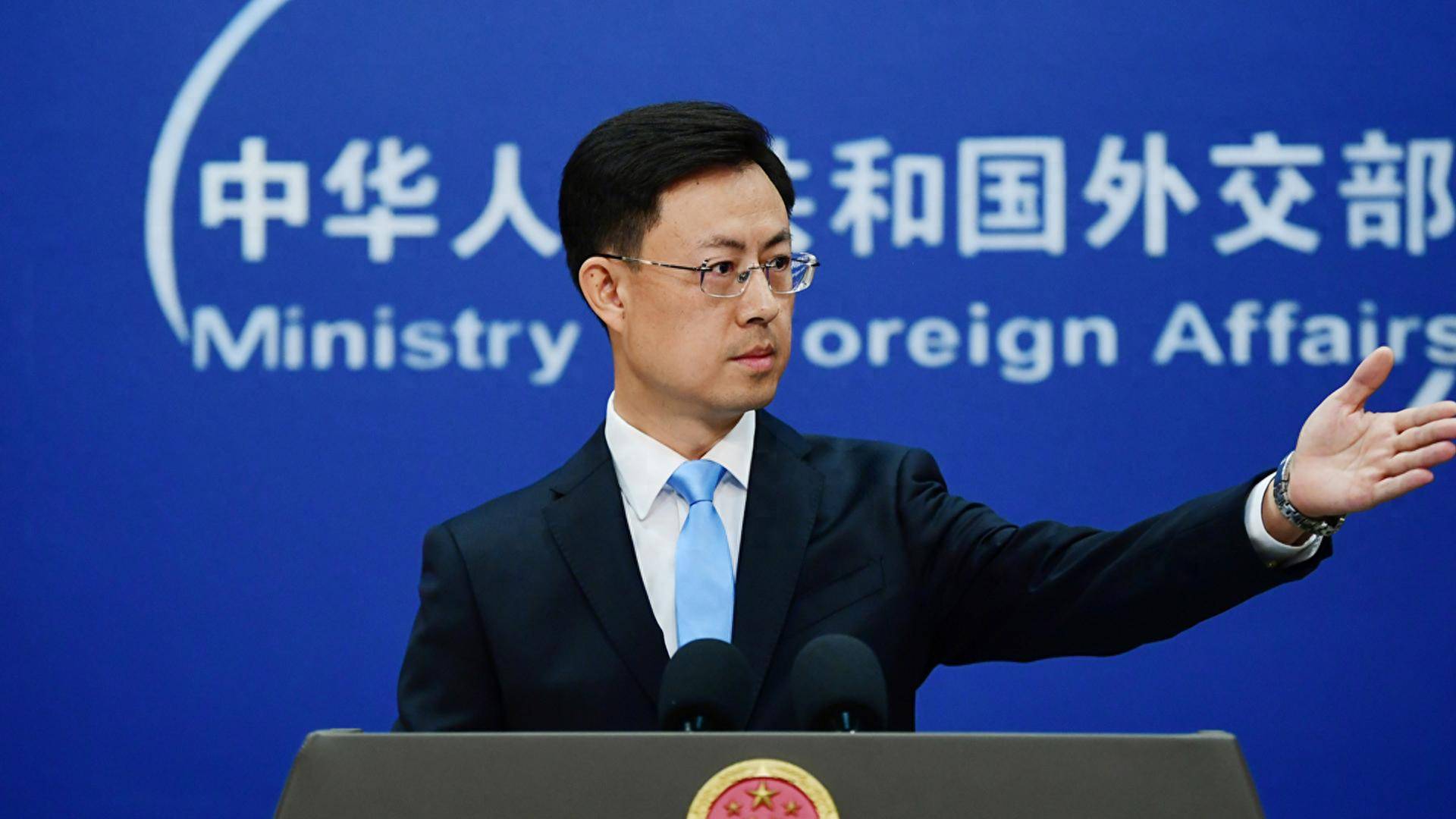
Group 1 - The core issue of the recent US-China talks in Kuala Lumpur revolves around the contentious topic of rare earths, which reflects both current economic interests and future international dynamics [1][8] - The Chinese Ministry of Commerce indicated that preliminary agreements were reached on various economic and trade issues, while US Treasury Secretary Becerra contradicted this by claiming that China had not implemented rare earth export controls [1][3] - The historical context shows that the US once dominated the rare earth market, but China has now become the largest producer, emphasizing the strategic importance of rare earths beyond just economic factors [3][6] Group 2 - China's response to US concerns highlighted the rationale behind its export controls, framing them as necessary for national security and international responsibility, which raises questions about US understanding of these policies [5][6] - The discussions in Kuala Lumpur are seen as a critical step in alleviating trade tensions, but they also signify a deeper strategic competition that could affect global supply chains [8] - The ongoing friction over rare earths is not only central to current economic negotiations but also serves as a microcosm of broader geopolitical struggles, indicating that both nations must find a balance between their interests and the overall situation [8]
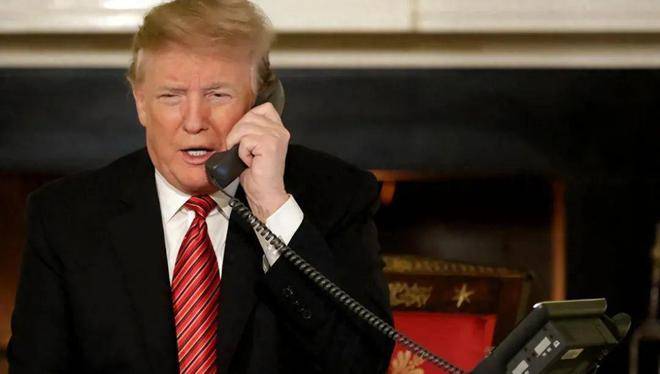
中国留的后手起效了!被卡了“七寸”的美国,又开始隔空喊话
Sou Hu Cai Jing· 2025-06-04 07:59
Group 1 - The core viewpoint of the articles highlights the urgency of the U.S. to engage with China regarding trade disputes, particularly concerning critical rare earths and minerals, following the cessation of tariffs between the two nations [1][2] - U.S. Treasury Secretary Mnuchin indicated that President Trump is expected to communicate with Chinese leaders soon to address various trade issues [1] - The recent Geneva tariff negotiations resulted in a joint statement where China mentioned it would take necessary measures to suspend or cancel non-tariff countermeasures against the U.S. starting April 2, 2025, which has been linked to the potential lifting of rare earth export restrictions [1] Group 2 - The articles emphasize that the U.S. has historically centered its logic around its own interests, viewing issues like rare earths and chips solely through the lens of its benefits, while China has repeatedly warned against the consequences of such an approach [2] - The trade war is framed not just as an economic issue but as a geopolitical struggle, with the U.S. aiming to suppress China's technological and economic rise through measures like chip bans and visa restrictions [2] - The narrative suggests that the U.S. must learn from its past mistakes, as China is not to be underestimated, and cooperation should be based on sincerity and mutual respect, rather than manipulation [2]