
基金销售合规

Search documents
蚂蚁、京东、同花顺,下架基金实时估值和相关短期排行榜
新华网财经· 2026-02-04 13:00
Group 1 - Major distribution channels such as Ant Wealth, Tonghuashun Fund, and JD Finance have removed real-time valuation and related short-term ranking features [2][5] - Regulatory authorities have mandated that fund sales institutions and third-party platforms conduct self-inspections and remove features that may mislead investors, such as "real-time valuation" and "ranking lists" [4][6] - The removal of these features is part of a broader regulatory effort to discourage short-term trading behaviors and promote the core purpose of mutual funds as long-term investment tools [9] Group 2 - Some platforms have attempted to disguise the removal of real-time valuation by presenting similar information under different names, such as "net value reference" and "sector fluctuations" [4][9] - The industry is currently undergoing a compliance review, with companies assessing the qualifications of their partners and ensuring adherence to regulatory requirements [7] - The regulatory push aims to stabilize the market by preventing behaviors that could lead to increased volatility, such as frequent redemptions triggered by real-time valuation changes [9]



蚂蚁、京东、同花顺,下架这些功能
Zhong Guo Zheng Quan Bao· 2026-02-03 14:47
Group 1 - The core issue revolves around a fund company's violation of sales regulations, leading to major distribution channels like Ant Wealth and Tonghuashun removing real-time valuation and related short-term ranking features [1][3] - Regulatory authorities have mandated that fund sales institutions and third-party platforms conduct self-inspections and remove misleading features that could confuse investors, such as "real-time valuation" and "ranking lists" [3][4] - Many institutions have already begun to comply with these regulations by suspending features that could mislead investors, including real-time valuation and various ranking lists [4][5] Group 2 - The industry is undergoing a self-check process regarding the qualifications of influencers (referred to as "DVs") collaborating with fund companies, ensuring they possess the necessary qualifications for fund sales [2][5] - Despite regulatory actions, some platforms continue to display modified versions of real-time valuation, using alternative methods to indicate fund performance, which could still mislead investors [6][7] - The regulatory push aims to discourage short-term trading behaviors and promote the fundamental purpose of mutual funds as long-term investment tools, thereby stabilizing the market [6][7]
仍有平台、博主“顶风”,“基金实时估值”悄转私域
2 1 Shi Ji Jing Ji Bao Dao· 2026-02-03 13:23
Core Viewpoint - The recent incident involving Debang Fund's rapid capital inflow of 12 billion yuan has highlighted the chaotic internet marketing practices within the fund industry, prompting regulatory scrutiny on misleading tools like real-time valuation and ranking lists [1][19]. Group 1: Regulatory Response - Regulators have emphasized the need for fund sales institutions and third-party platforms to conduct self-examinations and remove misleading tools that could mislead investors [1]. - This is not the first regulatory action; in June 2023, regulators had already mandated the removal of real-time valuation features due to risks of significant discrepancies between estimated and actual net values [13][19]. - The case of Debang Fund serves as a catalyst for renewed regulatory focus on the potential harm caused by misleading valuation data and its impact on investor behavior [19][20]. Group 2: Market Dynamics - Since February, there has been a surge in posts sharing fund valuation tools on social media platforms, with some influencers directing followers to private groups for access [4][12]. - Some self-media accounts have begun selling real-time valuation software, with prices ranging from a few yuan to over ten yuan [4]. - Despite regulatory requirements to remove certain features, some platforms have continued to offer modified versions of these tools, indicating a reluctance to fully comply with regulations [9][10]. Group 3: Investor Behavior and Risks - The rapid dissemination of distorted valuation data through social networks can create herd behavior among investors, leading to irrational trading decisions [18]. - The discrepancy between real-time valuation and actual net value can mislead investors, as seen in the case of Debang Fund, where the reported real-time increase was significantly higher than the actual net value increase [19]. - There is a strong demand from investors for more data and tools to bridge the information gap, which may lead to further regulatory challenges as platforms seek to meet this demand while remaining compliant [16][22].
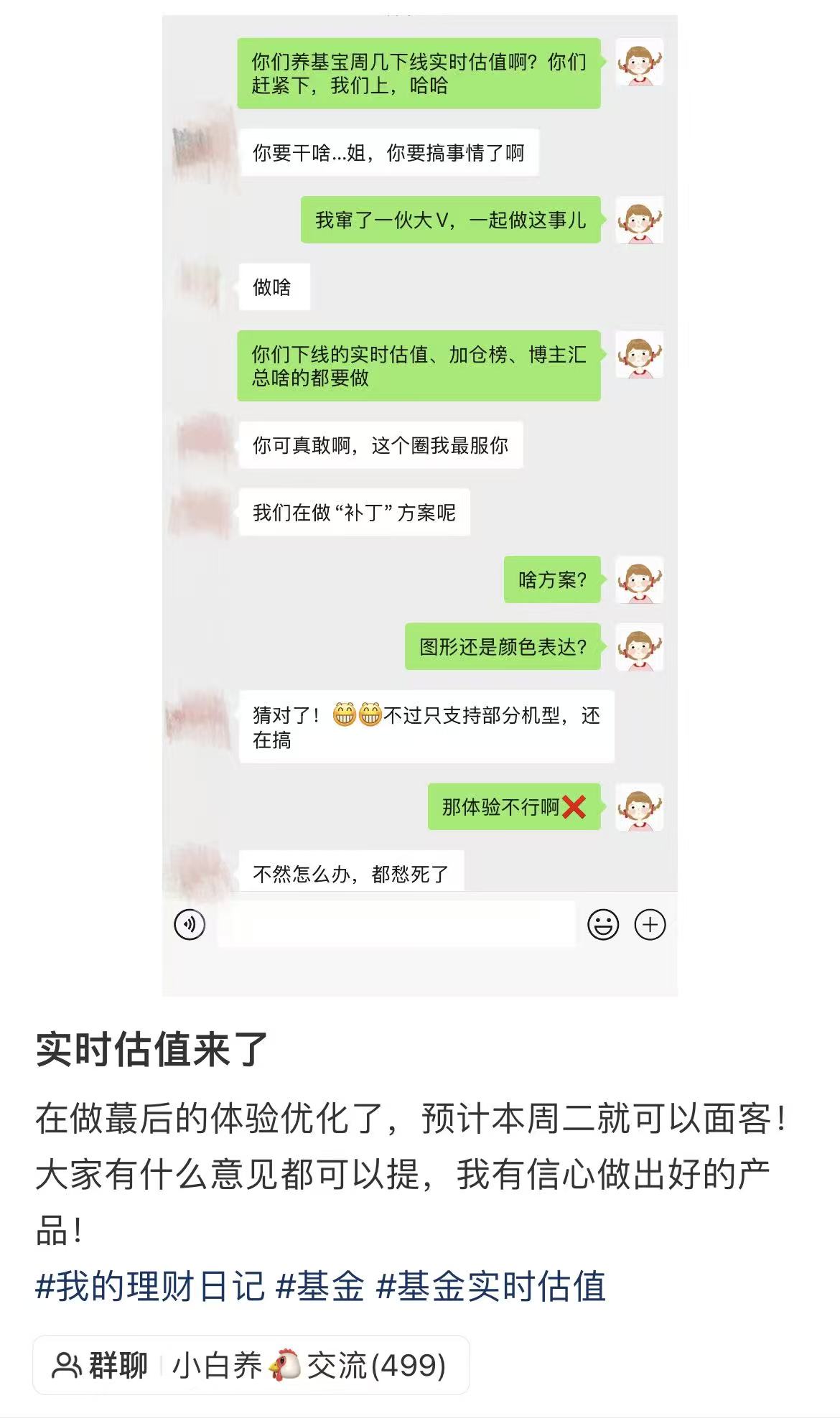
21调查|仍有平台、博主“顶风”,“基金实时估值”悄转私域
2 1 Shi Ji Jing Ji Bao Dao· 2026-02-03 13:20
Core Viewpoint - The recent incident involving Debon Fund, which attracted 12 billion yuan in a single day, has highlighted the chaotic internet marketing practices of fund companies, prompting regulatory scrutiny and calls for self-correction among fund sales institutions and third-party platforms [2][23]. Group 1: Regulatory Actions - Regulatory authorities have emphasized the need for fund sales institutions and third-party platforms to conduct self-examinations and remove misleading features such as "real-time valuation" and "ranking lists" that could mislead investors [2][17]. - Major platforms like Ant Fund, JD Finance, and others have quickly removed related functionalities following regulatory guidance [2]. - The regulatory push against misleading valuation practices is not new, as similar actions were taken in June 2023, citing risks of investor complaints due to significant discrepancies between real-time estimates and actual net asset values [17][21]. Group 2: Market Reactions - Following the regulatory actions, some platforms have attempted to retain user engagement by offering membership incentives and creating new fan groups, leading to a rapid increase in group memberships [15][16]. - Despite the removal of certain features, some platforms have continued to provide similar functionalities under different names, indicating a reluctance to fully comply with regulatory demands [13][14]. Group 3: Social Media Influence - Social media influencers have been observed promoting alternative tools for fund valuation, often leading investors to private groups for further information, which raises concerns about compliance and the potential for misleading practices [3][6][8]. - The rapid spread of posts related to fund valuation tools on platforms like Xiaohongshu has created a significant flow of traffic, with some influencers monetizing these tools by selling them at various price points [8][12]. Group 4: Impact on Investor Behavior - The incident with Debon Fund, where the real-time valuation showed a 13.01% increase while the actual net value was only 8.31%, exemplifies how misleading valuation data can distort investor behavior and lead to short-term trading rather than long-term asset allocation [23][24]. - The discrepancy between real-time estimates and actual net values can exacerbate during market volatility, leading to further investor confusion and potential losses [18][19].
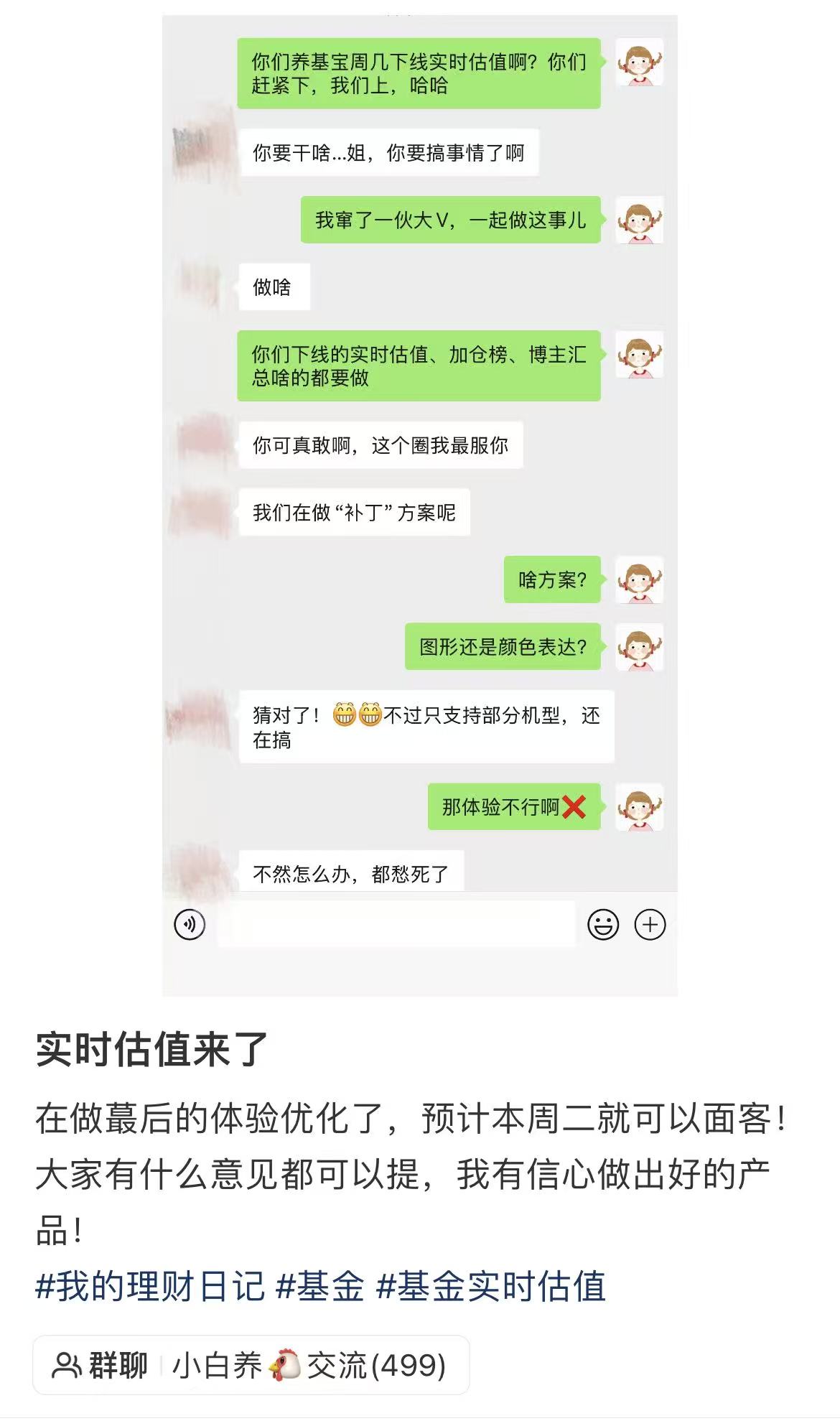
一天卖100亿的德邦基金,出大事了
Xin Lang Cai Jing· 2026-02-01 12:38
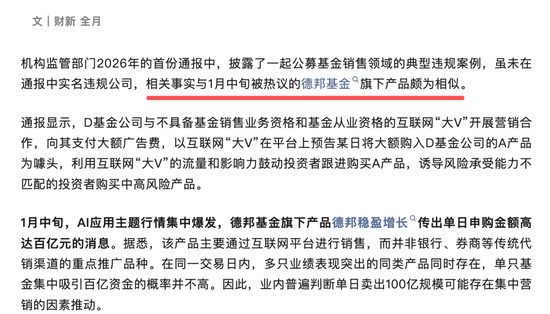
Core Viewpoint - The regulatory body has penalized a public fund company, Debang Fund, for collaborating with an unqualified internet influencer to promote a fund, leading to significant investor inflows and subsequent regulatory actions [1][3][32]. Group 1: Regulatory Actions - The regulatory agency issued a notice on January 29, 2026, stating that Debang Fund engaged in marketing cooperation with an internet influencer lacking the necessary qualifications, resulting in the payment of substantial advertising fees [1][32]. - As a consequence, Debang Fund was ordered to rectify its practices and had its public fund product registration suspended, with accountability measures taken against senior management [3][32][51]. Group 2: Fund Performance and Investor Impact - The fund involved, Debang Stable Growth, has underperformed, with a total return of only 25.23% since its inception nearly nine years ago, translating to an annualized return of just 2.56% [12][41]. - On January 12, 2026, the influencer's promotion led to over 10 billion yuan in subscriptions for the fund in a single day, despite its poor historical performance [2][40]. - The fund's performance has been particularly weak, with a return of only 8.06% in 2025, placing it at the bottom of its peer group [44][48]. Group 3: Marketing Practices and Industry Implications - The collaboration involved the influencer leveraging their significant following to encourage investors to purchase a high-risk product, which may not align with their risk tolerance [5][34]. - The incident highlights a broader issue within the industry regarding the adequacy of risk disclosures and the appropriateness of marketing strategies employed by fund companies [21][50]. - The regulatory notice emphasized the need for fund companies to adhere to compliance standards and not prioritize short-term growth over professional integrity [21][50]. Group 4: Broader Industry Reactions - The incident has sparked a regulatory storm that may affect not only Debang Fund but also platforms like Ant Wealth, which facilitated the influencer's promotion [28][58]. - The regulatory body has called for enhanced self-regulation among fund sales institutions and third-party platforms to prevent misleading advertising practices [29][58].
“大V带货”遭监管重拳:基金销售擦边球玩到头了
经济观察报· 2026-01-30 15:16
Core Viewpoint - The article discusses the challenges faced by fund sales in balancing scale-driven growth and investor protection, highlighting recent regulatory actions against misconduct in the industry [2][3]. Group 1: Regulatory Actions - On January 29, the China Securities Regulatory Commission (CSRC) released a report targeting a fund company for exceeding 10 billion yuan in daily subscriptions due to improper practices [2]. - The report indicates that the fund company collaborated with unqualified internet influencers to create a buying frenzy for high-risk products [2][7]. - Regulatory measures include a combination of corrective actions and product registration suspensions, emphasizing a "zero tolerance" approach to sales misconduct [10]. Group 2: Sales Practices and Trends - Internet influencers, referred to as "Big Vs," have gained credibility by showcasing their real fund trading accounts, which has led to a surge in follower engagement and imitation of their investment strategies [5][6]. - The use of real-time valuation features and rankings on platforms has been criticized for encouraging short-term, emotional trading, which contradicts long-term investment principles [8]. - Despite regulations prohibiting misleading promotional language, some sales channels continue to use tactics that emphasize past performance while downplaying risks [8]. Group 3: Industry Transformation - The tightening of regulations is expected to cause significant changes in the industry, as traditional sales models relying on traffic and short-term incentives face challenges [13]. - The new regulatory framework encourages a shift from a scale-oriented approach to one focused on client interests, promoting long-term investment strategies [13][14]. - The article suggests that the future of fund sales will depend more on professional advisory services and long-term client relationships rather than mere marketing tactics [13][14].

和无资质大V合作,监管出手了
Zhong Guo Ji Jin Bao· 2026-01-30 05:51
Core Viewpoint - Regulatory authorities have imposed strict measures on D Fund Company for engaging in marketing collaborations with unqualified influencers, leading to a suspension of public fund product registrations and accountability for key personnel [1][3]. Group 1: Regulatory Actions - The regulatory report indicates that D Fund Company was involved in a marketing partnership with an unqualified internet influencer, paying substantial advertising fees to promote a specific fund product, which misled investors [3]. - The company failed to adequately disclose risks to investors and did not manage investor suitability properly, violating relevant regulations [3]. - As a result, the regulatory authorities mandated corrective actions and suspended the acceptance of public fund product registrations for D Fund Company [3]. Group 2: Other Violations - The report highlights that some fund sales institutions and unlicensed third-party platforms have reintroduced "real-time fund valuation" features, which could mislead investors and dilute fund product returns [5][6]. - These features include rankings based on daily subscription amounts and displays of user holdings and returns, which may lead to investor complaints and disputes [5][6]. Group 3: Regulatory Requirements - The report emphasizes the need for fund companies and sales institutions to strengthen investor suitability management, ensuring that appropriate products are sold to suitable investors to prevent risk mismatches [8]. - Fund companies and sales institutions are strictly prohibited from collaborating with unqualified internet influencers for any form of fund sales or promotional activities [8]. - Fund sales institutions and third-party platforms must conduct self-inspections and remove misleading features such as "real-time fund valuation," "increased positions ranking," and "actual trading ranking" [9].
基金公司违规与“大V”合作,监管火速通报
财联社· 2026-01-30 03:25
Core Viewpoint - The regulatory body has issued a warning regarding a fund company that engaged in illegal sales practices, particularly through collaborations with unqualified internet influencers, leading to significant penalties and a call for stricter compliance measures [2][3][9]. Group 1: Regulatory Actions - A fund company was found to have exceeded a daily subscription volume of 10 billion, prompting regulatory scrutiny and penalties for violating sales regulations [2]. - The company was ordered to rectify its practices and had its public fund product registration suspended due to inadequate risk disclosure and investor suitability management [3][6]. Group 2: Marketing Practices - The fund company collaborated with unqualified internet influencers, paying substantial advertising fees to promote its products, which misled investors about the risks associated with high-risk funds [3][10]. - The use of "real-time fund valuation" features and rankings on third-party platforms has been flagged as potentially misleading to investors, necessitating regulatory oversight [5][8]. Group 3: Risks Identified - The collaboration with internet influencers has been identified as a risk factor, as it may amplify the "herd effect" among investors, leading to concentrated investments in high-volatility products [10][11]. - The exposure of short-term performance through influencer rankings can mislead investors, causing them to overlook historical performance and risk profiles [10]. Group 4: Recommendations for Compliance - Fund companies and sales institutions are urged to enhance investor suitability management to ensure appropriate products are sold to suitable investors [6]. - Strict prohibitions against partnerships with unqualified influencers for fund sales and marketing activities have been emphasized [7]. - Sales institutions and third-party platforms must conduct self-assessments and remove misleading features that could confuse investors [8].

因部分从事基金销售业务人员未取得从业资格等,浙江稠州商业银行被责令改正
Bei Jing Shang Bao· 2025-12-01 13:31
Core Viewpoint - Zhejiang Securities Regulatory Bureau has issued a corrective order to Zhejiang Chouzhou Commercial Bank due to multiple regulatory violations in its fund sales operations [1][2] Group 1: Regulatory Violations - Some fund sales personnel lacked the necessary qualifications, violating regulations regarding the supervision of public offering securities investment fund sales institutions [1] - Fund promotional materials and sales system revisions were not reviewed by compliance personnel, and compliance staff also held business management responsibilities, breaching multiple regulatory articles [1] - The bank processed fund sales for clients without conducting risk assessments and failed to provide necessary investment documentation, violating investor suitability management regulations [1] Group 2: Administrative Measures - The bank did not submit anti-money laundering materials as required, leading to further regulatory breaches [2] - The Zhejiang Securities Regulatory Bureau has mandated the bank to take corrective actions and submit a written report within 30 days of receiving the order [2] - The bank's compliance with fund sales regulations will be monitored, and the violations will be recorded in the securities market integrity archive [2]
桂林银行被证监出具警示函,涉基金销售两处不合规
Zhong Jin Zai Xian· 2025-11-07 13:41
Core Viewpoint - Guilin Bank is facing regulatory scrutiny from the Guangxi Securities Regulatory Bureau due to compliance issues in its fund sales operations, which may impact its ongoing IPO plans [1][2]. Regulatory Issues - The Guangxi Securities Regulatory Bureau issued a warning letter to Guilin Bank for two main issues: fund sales personnel lacking qualifications and non-compliance in promotional materials [2]. - The bank is required to address these issues and submit a written report within a specified timeframe [2]. Company Background - Established in 1997, Guilin Bank is a state-controlled bank and the largest financial institution in Guangxi, with a focus on local operations [2]. - As of September 2025, the bank has a total of 265 urban branches, 205 county branches, and 481 town branches, covering 100% of counties and 67% of towns in Guangxi [3]. IPO Plans - Guilin Bank is the first city commercial bank in Guangxi to pursue an A-share IPO, having initiated its IPO guidance in August 2023, with plans to complete the process by Q2 2025 [3]. - The bank has faced challenges, including unresolved legal issues and frequent changes in senior management, which may affect its IPO progress [3]. Financial Performance - As of September 2025, Guilin Bank reported total assets of 605.62 billion, a 5.06% increase from the previous year [3]. - The bank's non-performing loan ratio rose to 1.94%, an increase of 0.2 percentage points from the previous year, indicating a trend of deteriorating asset quality [3][4]. - For the first three quarters of the year, the bank's revenue was approximately 9.29 billion, a decline of 2.45% year-on-year, with net profit decreasing by 7.58% to 2.1 billion [4]. Capital Adequacy - As of September 2025, the bank's core Tier 1 capital adequacy ratio was 8.4%, with total capital adequacy at 11.46%, all showing a decline compared to the previous year [4].