
多元解纷

Search documents
优化网上诉讼服务 全国法院在线调解案件835.2万件
Xin Lang Cai Jing· 2026-01-31 07:08
Group 1 - The core viewpoint of the article highlights the significant advancements in online litigation services by the People's Courts, with a focus on the integration of technology to enhance dispute resolution efficiency [3][4] - In 2025, the total number of online mediation cases reached 8.352 million, with a litigation service satisfaction rate of 90.4%, an increase of 7.2 percentage points from 2024 [3] - The establishment of a "one network" system for case handling across four levels of courts has been a key initiative, allowing for improved online services and facilitating remote mediation [3] Group 2 - The "total-to-total" cooperation mechanism saw 985,000 cases mediated under court guidance in 2025, with 654,000 cases resolved through self-mediated disputes on the court's platform, marking a 4.3 times increase from 2024 [4] - The integration of digital court construction and multi-faceted dispute resolution has been emphasized, with over 10,000 local courts connecting with 234,000 grassroots governance units, an increase of 4,082 from 2024 [3] - The release of opinions by the Supreme Court and 20 other units aims to enhance a comprehensive, complementary, and interconnected multi-faceted dispute resolution framework [3]

解锁综治中心“一站式”解纷密码
Xin Lang Cai Jing· 2026-01-30 17:41
Core Viewpoint - The integration of judicial services into grassroots governance in Chengdu is enhancing conflict resolution at the community level, making it more accessible and efficient for citizens [5][10]. Group 1: Judicial Participation in Governance - Chengdu courts are actively involved in the operation of social governance centers, establishing them as a core task for diversified conflict resolution [5][6]. - A comprehensive operational guide has been developed to standardize judicial participation in these centers, ensuring efficient collaboration between courts and governance bodies [6]. - All 22 grassroots courts in Chengdu have established a presence in county-level governance centers, with over 90% utilizing a team-based approach for judicial services [6]. Group 2: Collaborative Dispute Resolution Mechanisms - Chengdu courts are expanding their collaborative network, integrating judicial functions with various industry governance sectors to create a multi-faceted dispute resolution mechanism [7]. - Since 2025, the courts have facilitated the resolution of over 67,000 disputes through these governance centers, demonstrating the effectiveness of collaborative efforts [7]. Group 3: Efficient Dispute Resolution - The establishment of a one-stop dispute resolution system has significantly reduced the time required to resolve conflicts, as evidenced by a case where a property dispute was settled in just three days [8][10]. - A classification-based dispute resolution system has been implemented, allowing for tailored approaches to common and special types of disputes [8]. Group 4: Focus on Public Welfare - The governance centers are effectively addressing public welfare issues, such as labor disputes and unpaid wages, by providing expedited judicial services and support [11]. - Successful case resolutions have included the recovery of unpaid wages for workers and the resolution of long-standing property disputes, showcasing the centers' impact on community welfare [10][11]. Group 5: Future Directions - Chengdu courts plan to deepen their integration with governance centers, enhancing mechanisms, professional capabilities, and dispute resolution quality to further support community justice and governance [12].
1700名业主起诉物管索车位收益,经调解物管返还九成收益
Nan Fang Du Shi Bao· 2026-01-30 05:40
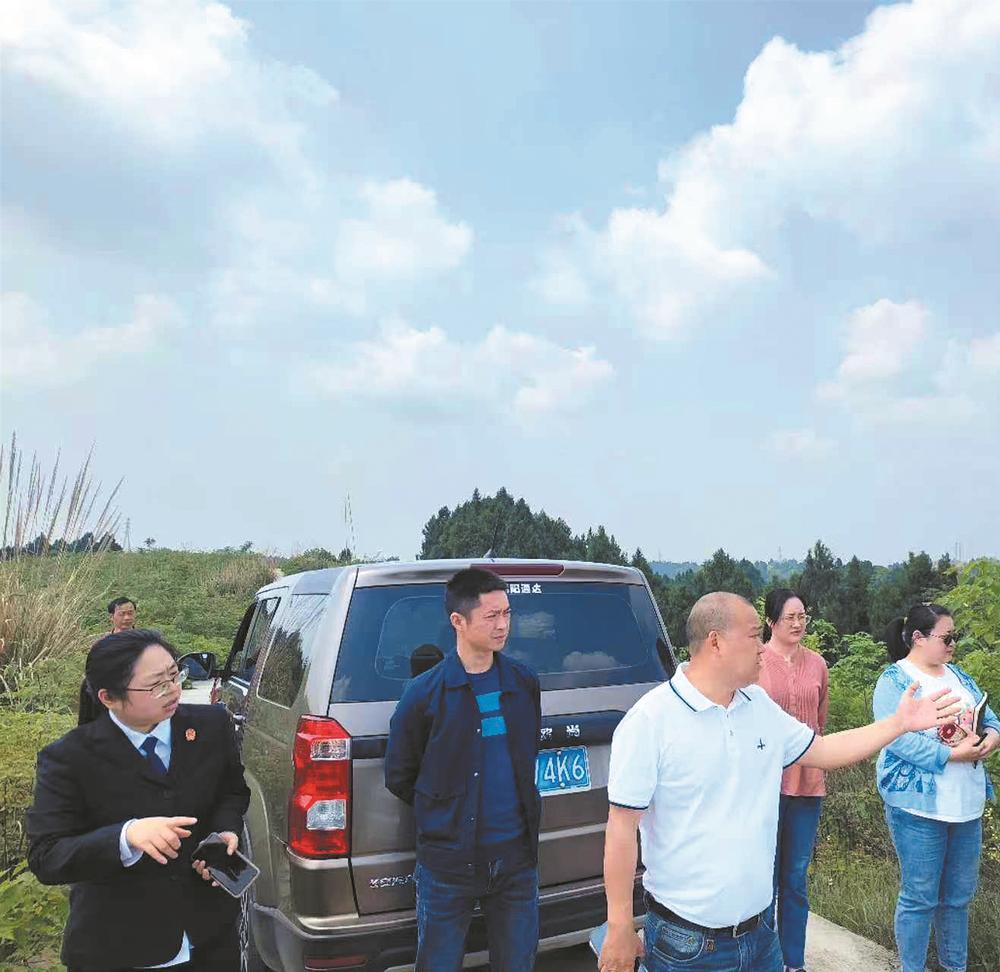
Core Viewpoint - A property management company is facing a lawsuit from over 1,700 homeowners due to disputes over parking space revenue, property fee standards, and other service issues, with claims amounting to approximately 7 million yuan [1] Group 1: Dispute Background - The property management company has been servicing the community for 8 years, leading to ongoing conflicts regarding the allocation of parking revenue, green space design, property fee standards, and elevator maintenance costs [1] - The homeowners' committee filed a lawsuit in December 2024, seeking refunds and compensation totaling around 7 million yuan [1] Group 2: Mediation Process - Mediators conducted two site visits to understand the core issues, identifying key disputes such as the ownership of parking revenue, obligations for green space design, and whether property fees were charged above standard [2] - A "back-to-back" communication strategy was employed to facilitate understanding between the homeowners and the property management company, using case references to clarify legal and policy frameworks [2] Group 3: Collaborative Resolution - A collaborative mediation approach was initiated involving the court, housing department, local government, and community committee to create a platform for equal dialogue [3] - The court clarified legal applications regarding shared parking revenue and property fee contracts, while the housing department explained the use of special maintenance funds [3] Group 4: Outcome of Mediation - After over 10 hours of negotiation, an agreement was reached where the property management company would allocate 90% of public parking revenue to the homeowners' committee and hire a third party for green space design [4] - The case exemplifies a successful multi-party mediation mechanism that effectively resolved complex disputes involving numerous stakeholders, ensuring both community welfare and industry development [4]
万全区法院倾力打造一站式诉服中心
Xin Lang Cai Jing· 2026-01-29 22:56
Group 1: One-Stop Litigation Service Center - The Wanquan District Court aims to create a practical one-stop litigation service center as part of its goal to "strive for excellence and become a champion," focusing on optimizing litigation service quality and efficiency [1] - The center will implement a "one-window" service model, integrating various functional areas such as waiting, guidance, service, and case registration, to streamline litigation services and clarify procedures [1] - The center will enhance litigation guidance by providing specialized personnel to assist and direct parties, offering comprehensive consultation, case inquiries, and legal explanations [1] Group 2: Online Service Automation - The court emphasizes "full online processing," utilizing the "People's Court Online Service" platform to integrate various litigation services, achieving a 96.54% online case filing rate [2] - The online service platform will be improved with user-friendly guides and manuals, particularly targeting elderly users unfamiliar with electronic systems [2] - The court will utilize a dual hotline mechanism ("12368" and "12345") to provide direct access to case information, procedural inquiries, and complaints, ensuring efficient service delivery [2] Group 3: Multi-Channel Dispute Resolution - The court is enhancing its multi-channel dispute resolution capabilities by collaborating with relevant departments and social mediation forces, establishing an integrated mechanism for dispute resolution [3] - The court will publicly disclose litigation service details, including processes, material requirements, and timelines, to facilitate tracking by parties involved [3] - The court will strengthen its reception capabilities for petitions and complaints, implementing a mechanism for regular conflict resolution and ensuring effective communication with the public [3]
引导千余起矛盾纠纷先行调解
Xin Lang Cai Jing· 2026-01-26 17:57
Core Points - The article discusses the efficient resolution of disputes through the integration of the East District Court into the community mediation center, highlighting a case where a mother successfully sought compensation for her injured child within two hours of mediation [1] - It emphasizes the court's proactive approach in supporting community mediation efforts, including the deployment of experienced judges and the establishment of a resource library for dispute resolution [1] Group 1 - The East District Court has integrated into the community mediation center since 2025, enhancing support for various street-level mediation efforts [1] - A notable case involved a 10-year-old boy injured by a falling railing, where the court facilitated a resolution in just two hours through mediation [1] - The court has successfully guided over a thousand disputes to mediation, effectively addressing issues such as minor injury claims and property disputes [1] Group 2 - A five-year consumer dispute involving a 92-year-old woman was resolved after the East District Court's involvement, demonstrating the court's role in facilitating complex negotiations [1] - The court's judges provided guidance on legal standards and compensation calculations, helping parties reach a mutual agreement [1] - The article highlights the importance of combining emotional, rational, and legal communication techniques in mediation to achieve successful outcomes [1]
2025年烟台全市法院共收案18.3万件,结案17.8万件
Qi Lu Wan Bao· 2026-01-20 14:21
Group 1 - The core viewpoint of the articles emphasizes the role of the Yantai Intermediate People's Court in supporting high-quality economic and social development through efficient judicial services and measures [1][2][3] Group 2 - In 2025, the court is projected to handle 183,000 cases and conclude 178,000 cases, maintaining high operational efficiency [1] - The court has implemented 16 measures to support green, low-carbon, and high-quality development, resolving 12,000 related disputes [1] - The court has adjudicated 63,000 commercial cases and assisted enterprises in recovering 59.61 million yuan [1] - The bankruptcy adjudication mechanism has effectively resolved 61 cases, revitalizing assets worth 1.92 billion yuan and alleviating debts of 5.59 billion yuan [1] Group 3 - The court has concluded 5,073 first-instance criminal cases, sentencing 6,845 individuals, and has intensified efforts against serious violent crimes and financial fraud [1][2] - A total of 44,000 civil cases have been resolved, with a focus on addressing urgent public concerns [2] - The court has executed 48,000 cases with an amount of 27.7 billion yuan, ensuring the realization of rights for the public [2] Group 4 - The court has successfully mediated 53,000 civil cases, achieving a mediation withdrawal rate of 45.5% [3] - 75% of civil and commercial cases have entered expedited trial channels, enhancing both judicial quality and efficiency [3] - The court aims to continue focusing on high standards, public welfare, reform innovation, and self-improvement to contribute to the modernization of the city [3]
最高法:聚焦欠薪问题多发的建设工程领域,坚决打击建筑领域“三包一挂”
Xin Lang Cai Jing· 2025-12-25 07:24
Group 1 - The core focus of the news is the implementation of labor law supervision through the "one letter, two documents" approach, aimed at addressing wage arrears and protecting workers' rights [1][3] - The Supreme Court has emphasized the importance of collaboration with various departments to effectively tackle wage arrears, particularly in the construction sector, by prioritizing the execution of wage-related cases [1][3] - A new interpretation of labor dispute laws has been released, clarifying the responsibilities of contractors and subcontractors in cases of wage disputes, thereby supporting workers' claims for unpaid wages and insurance benefits [1][3] Group 2 - The Supreme Court is enhancing the protection of rights for new employment forms, balancing the need for worker protection with the promotion of a healthy platform economy [2][4] - The establishment of a "total-to-total" work mechanism aims to facilitate multi-channel dispute resolution, integrating resources from courts, labor departments, and trade unions to resolve conflicts before they escalate [2][5] - The court has published guiding cases to clarify the recognition of labor relationships in new employment forms, setting standards for determining worker management and liability in cases of harm [2][4]
广东惠东法院以法治力量护航制鞋产业发展
Xin Lang Cai Jing· 2025-12-22 18:17
Core Viewpoint - The article highlights the effective resolution of labor disputes in the shoe manufacturing industry in Huizhou, Guangdong, through a collaborative mediation model involving courts, prosecutors, and mediation organizations, which supports the high-quality development of the industry [1][3]. Group 1: Labor Dispute Resolution - A recent case involving 66 workers seeking unpaid wages from a shoe factory was successfully mediated, showcasing the efficiency of the "court + prosecutor + mediation organization" model [1]. - The Huizhou court has actively engaged with local shoe enterprises to understand their legal needs and improve judicial services, addressing issues such as labor disputes and contract violations [2][3]. - The court has implemented a multi-faceted dispute resolution system, including a "1+2+N" model, which integrates various mediation platforms and workstations to enhance accessibility and efficiency in resolving disputes [3][4]. Group 2: Industry Support and Development - The shoe manufacturing industry is a key economic pillar in Huizhou, with nearly 6,000 enterprises and over 160,000 employees, necessitating effective legal frameworks to support its growth [1]. - The court has conducted surveys and discussions with industry associations to gather insights on legal challenges faced by shoe manufacturers, aiming to provide tailored legal services [2]. - The court's proactive approach includes organizing legal education activities and offering "order-based" legal services to enhance companies' risk management capabilities [2][3]. Group 3: Enhancing Judicial Efficiency - The Huizhou court has adopted a "one-stop" service model to streamline the litigation process for enterprises, aiming to reduce the number of visits required for legal matters [4]. - The court emphasizes a balance between enforcement and minimizing disruption to business operations, employing flexible execution measures to protect enterprises while ensuring compliance [5]. - The court is committed to improving the business environment by facilitating faster case processing and prioritizing cases involving enterprises, thereby enhancing the overall efficiency of the judicial system [5].
培训调解员“指尖化解”纠纷
Xin Lang Cai Jing· 2025-12-21 21:43
Core Viewpoint - The Daxing'anling Intermediate People's Court is implementing a "Multi-Dispute Resolution Station" to enhance mediation skills and improve efficiency in resolving disputes through technology and collaboration with local entities [1] Group 1: Training and Techniques - A specialized training for mediators was conducted, focusing on mediation techniques and the application of the "Longfahe" mini-program [1] - The training included simulated scenarios such as border tourism and neighbor disputes to enhance communication skills among mediators [1] Group 2: Technological Integration - The "Multi-Dispute Resolution Station" utilizes "Longfahe" cloud court technology and is supported by dedicated guides to simplify processes and improve efficiency [1] - The initiative aims to reduce the need for citizens to travel for dispute resolution by enabling online mediation and judicial guidance [1] Group 3: Collaborative Efforts - The project is a collaboration between the Daxing'anling Intermediate Court, the Border Management Brigade, and the Postal Company, leveraging 39 postal outlets in border villages for pilot promotion [1] - Future plans include deepening cooperation among the three parties to optimize resource integration and information sharing for better dispute resolution services for border residents [1]
“三制”联动,护民生冷暖
Ren Min Wang· 2025-11-25 01:09
Core Viewpoint - The Jinzhou Guta District People's Court has implemented innovative judicial measures to enhance accessibility and efficiency in resolving disputes, particularly for vulnerable groups, thereby ensuring justice is delivered at the grassroots level [1][2][3]. Group 1: Dispute Resolution Innovations - The court has introduced a "three-step" dispute resolution method, which includes home visits for mediation, on-site services, and judicial confirmation, aimed at making legal services more accessible to the public [2][3]. - A specific case involved a home visit to assist an elderly man with a disability in resolving an insurance contract dispute, resulting in a successful mediation where the insurance company agreed to refund 30,000 yuan [2][3]. - The court has committed to a "three 24-hour" promise, ensuring that disputes involving vulnerable groups are processed swiftly, enhancing the legal enforceability of mediation agreements [3]. Group 2: Family Dispute Resolution - The court has developed a "three-in-one" family dispute resolution mechanism that combines psychological counseling, follow-up assistance, and legal education to address family conflicts [4][5]. - A notable case involved a 20-year-old parental support dispute, where the court facilitated communication between a father and daughter, leading to an agreement for monthly support payments of 700 yuan [5]. - The court has successfully resolved 91 family cases using this integrated approach, highlighting its effectiveness in restoring family relationships and addressing social risks [5]. Group 3: Labor and Social Welfare Protection - The court has established a "three protections" mechanism focusing on laborers, the elderly, and minors, ensuring their rights are prioritized in legal proceedings [6][7]. - In a recent labor dispute involving 39 workers, the court expedited the resolution process, allowing for quick settlements and payments, demonstrating the effectiveness of its labor protection strategies [6][7]. - The "three protections" framework includes measures for timely wage recovery, support for elderly care, and ensuring child support obligations are met, thereby enhancing the quality of life for these vulnerable groups [7].