宠物主粮

Search documents
乖宝宠物(301498):首次覆盖报告:产品结构持续向上,毛利率持续提升
Shanghai Aijian Securities· 2026-03-30 09:38
Investment Rating - The report assigns a "Buy" rating for the company, marking its first coverage [3]. Core Views - The company is expected to achieve revenue growth of 25.1%, 22.7%, and 20.8% for the years 2025, 2026, and 2027 respectively, with net profit growth of 12.3%, 28.4%, and 23.7% during the same period [3]. - The company is positioned as the leading domestic brand in the Chinese pet food market with a market share of 6.2% in 2024, benefiting from a shift towards high-margin products and a strong brand presence [3][4]. - The company has a dual-brand strategy with its products covering staple foods, snacks, and health products, which has led to a significant increase in gross margins from 28.8% in 2021 to 42.8% in the first half of 2025 [3][4]. Financial Projections - Revenue projections for the company are as follows: 2023 at 4,327 million, 2024 at 5,245 million, 2025 at 6,559 million, 2026 at 8,049 million, and 2027 at 9,720 million, with respective growth rates of 27.4%, 21.2%, 25.1%, 22.7%, and 20.8% [5]. - Net profit is projected to be 429 million in 2023, 625 million in 2024, 702 million in 2025, 901 million in 2026, and 1,114 million in 2027, with growth rates of 60.7%, 45.7%, 12.3%, 28.4%, and 23.7% respectively [5]. - The gross margin is expected to improve from 36.8% in 2023 to 43.9% in 2027, reflecting the company's focus on high-margin staple foods [5]. Market and Industry Analysis - The pet food market in urban China is projected to reach approximately 158.5 billion in 2024, growing at a rate of 9% year-on-year, with a notable increase in the number of pet cats [3]. - The company is expected to benefit from the expansion of high-end staple food production capacity, with a planned investment of 500 million for a new facility [7]. - The company has a strong online presence, with significant growth in sales during major shopping events, indicating effective channel management and product innovation [7].
一大批新工厂来袭 宠物产业洗牌加速
经济观察报· 2026-03-22 03:16
Core Viewpoint - The pet food industry in China is experiencing significant growth, with companies increasingly investing in their own manufacturing facilities to enhance control over production and supply chains, moving away from reliance on OEM/ODM models [5][6][11]. Group 1: Industry Growth and Investment - The domestic pet food production capacity has developed clear regional divisions, with Shanghai focusing on high-end products and Hebei on mass-market offerings, while other provinces like Henan, Shandong, Anhui, and Jiangsu are forming new industrial belts [1][12]. - From 2020 to 2022, the pet industry saw rapid growth driven by increased home consumption and e-commerce, with leading companies like Petty and Zhongchong reporting over 30% year-on-year revenue growth [5]. - In 2024, total investment in new pet industry factories in China exceeded 8 billion, with 45 large factories either in operation or set to launch, primarily located in industrial hubs like Shandong, Zhejiang, Anhui, and Jiangsu [9]. Group 2: Shift to In-House Manufacturing - Companies are increasingly building their own factories to gain better control over raw material procurement, production stability, and quality assurance, which is seen as a necessary evolution in the industry [3][8]. - The establishment of self-owned factories is a strategic move to address the shortcomings of the traditional OEM/ODM model, which has led to quality control issues and food safety risks [6][11]. - Major players like Jiajia Pet have invested significantly in new facilities, such as the Su Pet factory, which has a production capacity of 200,000 tons of staple food annually [3][8]. Group 3: Market Dynamics and Future Outlook - The pet food industry is entering a phase of differentiation, with a focus on high-end products as low-end production capacity becomes oversaturated [11]. - The market is expected to continue growing over the next 20 years, encouraging ongoing investments in heavy assets by companies [12]. - However, there are concerns that if market growth does not meet expectations, newly built capacities could become burdensome for companies [13].

申万宏源证券晨会报告-20260226
Shenwan Hongyuan Securities· 2026-02-26 00:35
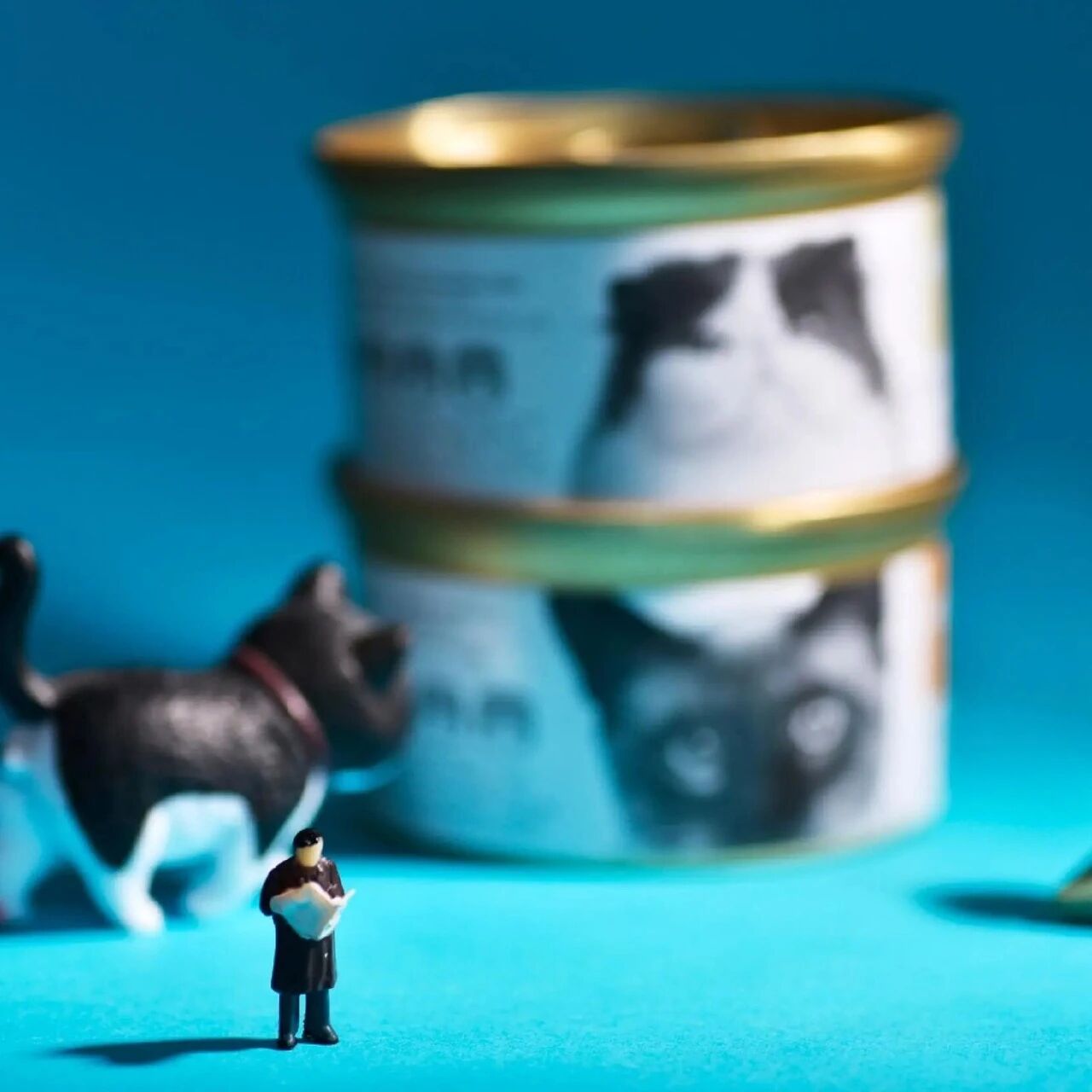
Group 1: Real Estate Industry Insights - The Shanghai housing policy was adjusted on February 25, 2026, to lower the purchase threshold for non-local residents, indicating a proactive approach to stabilize housing prices [9] - The new policy allows non-local residents to purchase homes in the outer ring of Shanghai after paying social insurance or individual income tax for just one year, down from three years [9] - The relaxation of policies in major cities like Beijing and Shanghai suggests an increasing optimism in the real estate sector, with expectations of further supportive measures to stabilize the market [9] Group 2: Pet Food Industry Analysis - The pet food industry in China is expected to continue its growth trajectory, driven by an increase in new pet owners and resilient consumer spending despite inflation [10][11] - The market is witnessing a shift towards premium products, with mid-to-high-end pet food segments showing significant growth, indicating a trend of consumption upgrading [10] - The concentration of market share among leading brands is increasing, with top brands experiencing growth rates significantly higher than smaller competitors [10][11] Group 3: Tourism and Retail Sector Trends - The 2026 Spring Festival saw record numbers in domestic travel, with 596 million trips taken, reflecting a 19% year-on-year increase, and total spending reaching approximately 803.48 billion yuan [13] - The travel market is evolving, with traditional family visits transforming into tourism experiences, indicating a shift in consumer behavior during holidays [13] - The demand for travel services is expected to remain strong, supported by favorable policies and a recovering economy, suggesting a positive outlook for the tourism sector [13]
佩蒂股份:新西兰主粮工厂目前正处于商业化运营的初期关键阶段
Zheng Quan Ri Bao· 2026-02-09 12:37
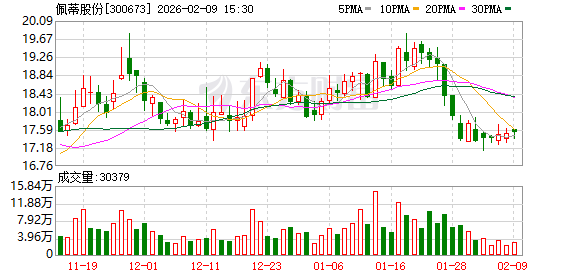
Core Viewpoint - Petty Co. is in the early critical stage of commercial operation for its New Zealand staple food factory, focusing on brand building and contract manufacturing to enhance capacity utilization [2] Group 1 - The company is implementing a dual strategy of "factory brand building" and "contract manufacturing" to drive growth [2] - Significant growth in capacity utilization is expected by 2026 based on current business expansion progress [2]
佩蒂股份(300673.SZ):新西兰主粮工厂目前正处于商业化运营的初期关键阶段
Ge Long Hui· 2026-02-09 07:36
Core Viewpoint - Petty Holdings (300673.SZ) is currently in the critical early stage of commercial operation for its New Zealand staple food factory, focusing on brand building and OEM business to enhance capacity utilization [1] Group 1 - The company is leveraging a dual approach of "factory brand building" and "OEM business" to drive growth [1] - Significant growth in capacity utilization is expected by 2026 based on current business expansion progress [1]
消费市场步入精算时代,品牌新品如何做到叫好又叫座?
Sou Hu Cai Jing· 2026-02-08 15:53
Group 1 - The consumer industry is entering a rational era by 2025, where consumers become more discerning and focus on product quality rather than brand marketing stories [2] - Successful new products must meet unmet consumer needs with high value, including efficacy and emotional value, while also being perceived as cost-effective [2] - Consumer purchasing behavior is stratified by price segments: low-end consumers prioritize cost-effectiveness, high-end consumers focus on perceived value, and mid-range consumers seek a balance of both [2] Group 2 - The demand for higher-level efficacy in products is becoming a common pursuit among consumers, with a shift from basic needs to more specialized benefits [3] - In oral care, consumers are increasingly looking for products that not only clean but also provide whitening and sensitivity relief, with whitening being the top-selling feature [6] - The pet care market is seeing a trend towards "humanization," where pet owners seek products that offer advanced benefits like digestive health and skin care, reflecting a similar trend in human consumer behavior [8] Group 3 - The market is witnessing a growing preference for complex ingredient combinations in health products, moving from simple supplements to multi-ingredient formulations [10] - Brands can efficiently innovate by cross-applying popular ingredients from other industries, which can lead to immediate market success [12][15] - Data-driven insights are essential for brands to identify and capitalize on emerging trends in efficacy and pricing strategies [19] Group 4 - Consumers are becoming increasingly price-sensitive, focusing on perceived value rather than absolute low prices, leading to a more calculated approach to purchasing [19][20] - Brands must adopt a meticulous pricing strategy to align with consumer expectations and avoid pitfalls associated with price wars [28][30] - The clothing cleaning market is experiencing a shift where premium products are growing faster than budget options, indicating a potential opportunity for brands to target higher price segments [30] Group 5 - Brands need to differentiate their products by offering unique, value-driven innovations that address unmet consumer needs, especially in a market where consumer demands are highly segmented [32] - The report emphasizes the importance of precise data analysis to uncover insights that can challenge existing industry perceptions and guide strategic decisions [32]

东北证券:宠物食品多品类百花齐放 功能化和精细化品类崛起
Zhi Tong Cai Jing· 2026-02-04 01:48
Core Insights - The pet food industry has become the most certain core track within the pet economy, showing significant changes in penetration and structure, transitioning to a new development stage characterized by steady growth and structural upgrades [1][2] Industry Overview - The Chinese pet food market has grown from 24 billion yuan in 2014 to 166.8 billion yuan in 2024, nearly a sixfold increase, with a compound annual growth rate (CAGR) of 21.4% [1] - Despite a temporary setback in 2020, the market quickly recovered, demonstrating strong demand resilience driven by an increasing number of urban pet owners and rising average annual spending per pet [1] Product Structure - The pet food category is characterized by a stable core of staple food, with the market for staple pet food expected to reach 107.2 billion yuan in 2024, growing by 8.72% year-on-year [2] - While traditional puffed food remains dominant, high-end segments like baked, air-dried, and freeze-dried foods are rapidly penetrating the market, with baked food growing from approximately 2 billion yuan in 2020 to over 8 billion yuan in 2023, a growth rate exceeding 55% [2] Innovations in Product Types - Emerging categories such as dual-protein food, prescription food, and fresh food are expanding the boundaries of staple food [2] - The dual-protein food market is projected to reach about 2 billion yuan in 2024, combining puffed staple food with freeze-dried or air-dried particles to enhance palatability and nutritional balance [2] - The prescription food market is expected to reach 5.8 billion yuan in 2024, growing by 19.2% year-on-year, driven by increased demand for chronic disease management and specialized feeding [2] Trends in Snacks and Nutritional Products - The industry is shifting from "optional consumption" to "functional and health-oriented" upgrades, with functional snacks gaining a larger share [3] - The pet nutritional products market is projected to grow from 2.03 billion yuan in 2020 to 10.807 billion yuan in 2024, with a CAGR of 51.9% [3] - The cat nutritional products segment is expected to reach 5.98 billion yuan in 2024, growing by 64.8%, significantly outpacing dog nutritional products [3]

下沙再添一个总部经济项目!
Sou Hu Cai Jing· 2026-02-01 06:48
Group 1 - Zhejiang Jichong Company has acquired a land parcel in the Eastern Bay New City to establish a national pet food research and development center, enhancing its core competitiveness in the pet food industry [1][3] - The company has successfully developed well-known pet food brands such as "Wang Baba," "Jiang Xiao Ao," "Xian Lang," and "Chun Fu," focusing on pet food research, production, and sales since 2015 [3] - The Eastern Bay New City is part of the "One Belt, Two Cities" development strategy aimed at improving urban quality and attracting leading enterprises like Zhejiang Jichong to foster mutual growth [3][4] Group 2 - The Eastern Bay New City has reported a fixed asset investment of 5.62 billion yuan from January to November 2025, representing a year-on-year increase of 91%, indicating robust economic development [4] - Key projects, including headquarters for Hangzhou Zhangwan Holdings and Hangzhou Aosi Enterprise Management Group, have commenced, contributing to the urban renewal and infrastructure development in the area [4] - The year 2026 is pivotal for the Eastern Bay New City, focusing on attracting quality projects and enhancing urban facilities to create a livable and innovative "Urban Science and Technology City" [4]

佩蒂股份(300673):重大事项点评:新西兰工厂推进有序,自主品牌突破可期
Huachuang Securities· 2026-01-31 09:59
Investment Rating - The report maintains a "Recommended" rating for Petty Co., with a target price of 25 yuan per share [2][8]. Core Insights - The New Zealand factory is progressing smoothly, and breakthroughs in the company's own brand are expected. The factory has begun delivering orders to customers, and preparations for entering the domestic market are actively underway [2]. - The company's revenue is projected to grow from 1,659 million yuan in 2024 to 2,141 million yuan in 2027, with a compound annual growth rate (CAGR) of approximately 12.1% [4]. - The net profit attributable to the parent company is expected to increase significantly from 182 million yuan in 2024 to 270 million yuan in 2027, reflecting a CAGR of about 30.1% [4]. - The company's gross margin is anticipated to improve from 29.4% in 2024 to 32.2% in 2027, indicating enhanced profitability [9]. Financial Summary - Total revenue is forecasted to be 1,670 million yuan in 2025 and 1,910 million yuan in 2026, with year-on-year growth rates of 0.7% and 14.4%, respectively [4]. - The earnings per share (EPS) are projected to be 0.62 yuan in 2025 and 0.83 yuan in 2026, with a price-to-earnings (P/E) ratio of 29 and 21, respectively [4]. - The company's total assets are expected to grow from 2,995 million yuan in 2024 to 3,501 million yuan in 2027, reflecting a steady increase in financial strength [9].
中宠股份拟1亿元至2亿元回购股份,公司股价年内跌4.33%
Xin Lang Zheng Quan· 2026-01-25 12:30
Group 1 - The company Zhongchong Co., Ltd. announced a share buyback plan with a total amount between 100 million and 200 million yuan, with a maximum buyback price of 78.00 yuan per share, which is 57.51% higher than the current price of 49.52 yuan [1] - The company has experienced a cumulative stock price decline of 4.33% this year [1] - The main business of Zhongchong Co., Ltd. includes the research, production, and sales of pet food, with revenue composition being 62.89% from pet snacks, 32.21% from pet staple food, and 4.90% from pet supplies and others [1] Group 2 - As of January 10, the number of shareholders for Zhongchong Co., Ltd. increased to 33,700, a rise of 2.45%, while the average circulating shares per person decreased by 2.39% to 9,037 shares [2] - For the period from January to September 2025, the company achieved an operating income of 3.86 billion yuan, representing a year-on-year growth of 21.05%, and a net profit attributable to shareholders of 333 million yuan, up 18.21% year-on-year [2] - The company has distributed a total of 322 million yuan in dividends since its A-share listing, with 264 million yuan distributed in the last three years [3] Group 3 - As of September 30, 2025, the fourth largest circulating shareholder is Hong Kong Central Clearing Limited, holding 14.32 million shares, a decrease of 7.01 million shares from the previous period [3] - The ninth largest circulating shareholder is Dongfanghong Industrial Upgrade Mixed Fund, which is a new shareholder holding 1.79 million shares [3] - The company is classified under the agricultural, forestry, animal husbandry, and fishery industry, specifically in the pet food sector, and is associated with concepts such as consumer selection, new retail, pet economy, e-commerce, and Alibaba concepts [1]