库兹涅兹周期

Search documents
基金经理投资笔记 | 基于周期阶段的2026年资产优先级选择
Sou Hu Cai Jing· 2025-12-06 05:46
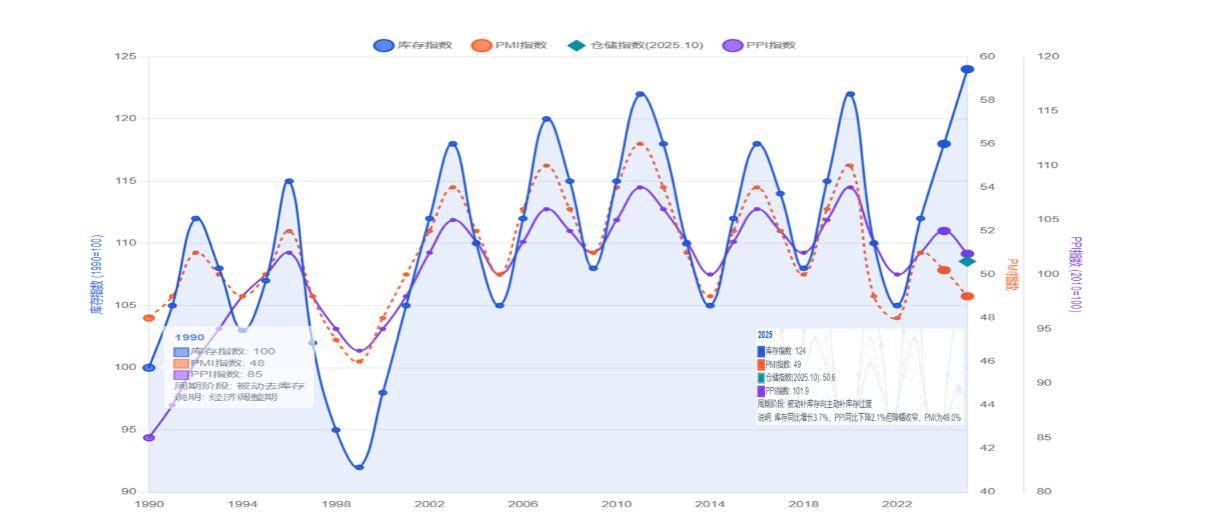
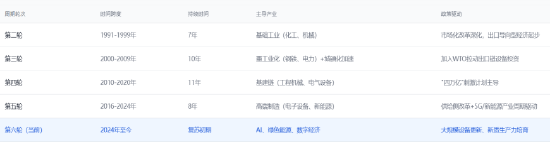
Core Viewpoint - The article discusses the transition in economic cycles and the implications for wealth management, emphasizing the importance of structural debt and fiscal policy over monetary policy in the context of liquidity changes expected in 2026 compared to 2025 [1] Economic Cycle Analysis Framework - Economic cycle analysis should not be confined to traditional macro asset allocation frameworks, as it emphasizes structural issues rather than aggregate concepts [2] - The economic cycle consists of regular expansions and contractions, categorized into long, medium, and short cycles, including the Kondratieff, Juglar, Kuznets, and Minsky cycles [2] Phases of the Real Cycle - The real cycle is divided into three main cycles: Kondratieff, Juglar, and inventory cycles [3] Kondratieff Cycle: Technological and Energy Revolutions - The Kondratieff cycle spans approximately 60 years, focusing on technological changes and resource dynamics, with current consensus highlighting AI and its supporting infrastructure as key drivers [4] - The cycle illustrates the interplay between technological efficiency and resource consumption, leading to a demand cycle [4] Juglar Cycle: Equipment Investment - The Juglar cycle, lasting 7-11 years, is driven by periodic changes in equipment investment and capital expenditure, with China currently in the early recovery phase of its sixth Juglar cycle [6][7] - Key characteristics of the current Juglar cycle include the transition from old to new driving forces, accelerated technological iteration, and significant industry differentiation [8][9] Inventory Cycle: Transition from Passive to Active Inventory Management - The inventory cycle consists of four stages, with the current phase indicating a shift from passive to active inventory management, influenced by internal market dynamics [10] - Recent data shows a decline in manufacturing PMI, indicating weak demand and a challenging environment for inventory management [10][11] Phases of the Financial Cycle - The financial cycle focuses on real estate and debt cycles, with China still undergoing a significant adjustment in its real estate market since 2020 [13][14] - The Minsky cycle describes a pattern of credit expansion leading to financial instability, with current conditions characterized by low interest rates and a gradual rise in macro leverage [17][18] Asset Prioritization Based on Cycle Phases - The asset allocation strategy for 2026 emphasizes the resonance between the Kondratieff and Juglar cycles, focusing on new productive forces while maintaining defensive positions in a low-interest environment [19] - Specific investment areas include AI computing, industrial robotics, and green energy, while avoiding high-risk assets related to the ongoing real estate adjustment [19]

创金合信基金魏凤春:基于周期阶段的2026年资产优先级选择
Xin Lang Cai Jing· 2025-12-03 03:29
Core Insights - The article discusses the changing liquidity landscape, indicating that liquidity in 2026 will be less abundant than in 2025, primarily driven by structural debt increases with the central government as the main leverager [1][18] - The focus for investors should shift towards fiscal policy rather than monetary policy, although structural characteristics of monetary policy remain significant [1][18] Economic Cycle Analysis Framework - Economic cycle analysis should not be confined to traditional macro asset allocation frameworks, as it emphasizes structural issues rather than aggregate concepts [19] - The economic cycle consists of long, medium, and short cycles, including the Kondratiev, Juglar, and Kitchin cycles, along with Kuznets and Minsky cycles related to real estate and debt [19][20] Phases of the Real Cycle - The real cycle is categorized into three main cycles: Kondratiev, Juglar, and inventory cycles [20] - The Kondratiev cycle, lasting about 60 years, focuses on technological and resource dynamics, with current consensus highlighting AI and its supporting infrastructure as key drivers [21][24] - The Juglar cycle, lasting 7-11 years, is driven by equipment investment and capital expenditure, with China currently in the early recovery phase of its sixth Juglar cycle starting in 2024 [23][25] Inventory Cycle Transition - The inventory cycle is transitioning from passive to active inventory replenishment, influenced by anti-involution policies [27] - Current indicators show a PMI output index of 49.7%, the lowest since December 2022, reflecting weak external demand and cautious exporter attitudes [28] Phases of the Financial Cycle - The financial cycle includes the real estate cycle and the debt cycle, with the real estate market still in a deep adjustment phase since 2020 [30] - The Minsky cycle is characterized by a "wide monetary + low interest rate" environment, with a gradual recovery in macro leverage and a focus on debt resolution strategies [31] Asset Allocation Principles for 2026 - The asset allocation strategy for 2026 emphasizes the resonance of cycles, prioritizing new productive forces while maintaining a defensive base with high-quality fixed-income assets [32][33] - The focus should be on sectors benefiting from technological advancements and policy guidance, particularly in high-end manufacturing and green energy [33]
真正的高手,都有破局思维
3 6 Ke· 2025-07-09 02:06
Core Insights - The world is at a historical turning point characterized by three major shifts: the Fourth Industrial Revolution, China's transition from demographic dividends to innovation dividends, and the accelerated process of the great rejuvenation of the Chinese nation [1] Group 1: Technological Evolution - The current era is marked by exponential growth in technological innovation, which is a fundamental aspect of survival and evolution [2] - The concept of entropy in organizational management is crucial, as companies must avoid entropy to maintain vitality and innovation [4][5] - Companies like Huawei implement strict management practices to prevent entropy, ensuring a dynamic and efficient organizational structure [4] Group 2: Innovation Networks - Innovation thrives in liquid networks, where interactions and collaborations are frequent, similar to molecular interactions in water [6][9] - Major cities facilitate innovation due to their dense networks of interactions, which enhance the likelihood of idea generation [9][11] Group 3: Entrepreneurial Strategies - Entrepreneurs must align with overarching trends, particularly during challenging times, to seize growth opportunities [12][13] - Historical industrial revolutions provide insights into future growth sectors, with the current focus on AI and other emerging technologies [18][22] - The importance of strategic focus is emphasized, where companies should concentrate resources on core areas to achieve competitive advantages [24] Group 4: Customer Value and Market Dynamics - The VCT value model illustrates that customer value is derived from the total value of a product divided by the sum of time and price costs [29] - Understanding customer demand intensity is essential for businesses to tailor their offerings effectively [33][36] Group 5: Hard Technology and Investment - China possesses a significant advantage in engineering talent, which can lead to increased efficiency in sectors like innovative pharmaceuticals [56] - The need for patient capital is highlighted, as long-term investments are crucial for the development of hard technology sectors [59][62] - The eight key areas of hard technology investment include AI, biotechnology, and new materials, which are expected to experience exponential growth [62] Group 6: Evolutionary Strategies - Companies should learn from biological strategies, such as adapting to low-resource environments and seizing opportunities when they arise [46][47] - The importance of collaboration and innovation in achieving competitive advantages is underscored, drawing parallels with natural ecosystems [52][53] Group 7: Conclusion and Future Outlook - The article emphasizes the need for companies to understand the boundaries of success and to adopt strategic directions that align with market trends [69][71] - The integration of economic, social, and knowledge values is essential for sustainable growth and contribution to national rejuvenation [71]