
废旧动力电池综合利用

Search documents
动力电池回收迎强监管:报废应“车电一体”,取消梯次利用
2 1 Shi Ji Jing Ji Bao Dao· 2026-01-16 12:20
Core Viewpoint - The Ministry of Industry and Information Technology, along with five other departments, has issued the "Interim Measures for the Recycling and Comprehensive Utilization of Waste Power Batteries from New Energy Vehicles," which will take effect on April 1, 2026. This regulation aims to enhance the legal framework for managing waste batteries and curb illegal dismantling practices [1][5]. Group 1: Key Features of the Management Measures - The "vehicle-battery integrated scrapping" system is a significant design of the measures, mandating that scrapped new energy vehicles must include their power batteries; otherwise, they will be considered as lacking essential components [2][6]. - The measures will replace the previously used concept of "cascade utilization" with stricter regulations, prohibiting any organization or individual from using waste power batteries directly or after processing in prohibited fields, such as electric bicycles [2][11]. - The measures emphasize a "full-channel, full-chain, and full-lifecycle" management approach, ensuring that all aspects of battery production, scrapping, and recycling are regulated [6][7]. Group 2: Industry Impact and Future Projections - The volume of waste power batteries is expected to exceed 1 million tons by 2030, indicating a significant increase in the need for effective recycling and management solutions [4]. - The measures will enhance the traceability of waste batteries through a national information platform and a digital identity system for each battery, allowing for comprehensive monitoring throughout its lifecycle [9][10]. - The new regulations will also impose stricter conditions for enterprises involved in the comprehensive utilization of waste batteries, ensuring compliance with environmental and safety standards [10].

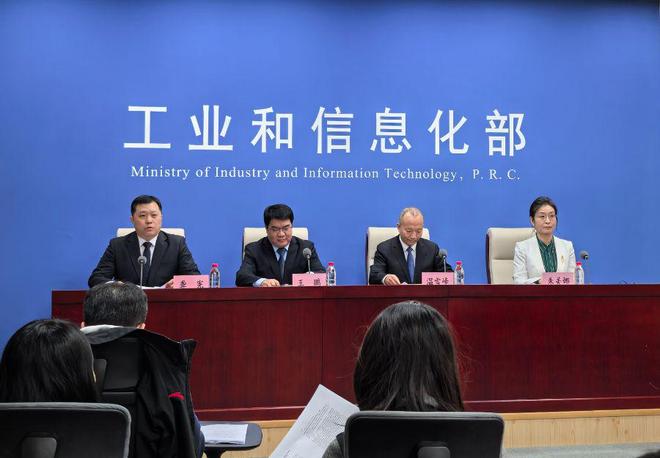
多晶硅、工业硅、碳酸锂盘中直线拉涨,或系这些消息所致!
Jin Shi Shu Ju· 2025-07-24 04:31
Group 1 - The core viewpoint of the articles highlights the fluctuations in the prices of polysilicon, industrial silicon, and lithium carbonate, with a notable rebound in lithium carbonate prices, driven by ongoing discussions at the photovoltaic industry supply chain development seminar [1][2] - The seminar featured a report from the director of the National Engineering Laboratory for Polysilicon Material Preparation Technology, indicating a continuous reduction in polysilicon's comprehensive energy consumption and proposed revisions to energy consumption standards [1] - The current operational rates of polysilicon enterprises are reported to be between 38.6% and 44.1%, with many companies selling below cost for over 14 months, leading to widespread operational difficulties [1] Group 2 - The chairman of the China Photovoltaic Industry Association emphasized the dual challenges facing the industry, including supply chain stability issues, and called for enhanced industry self-discipline to prevent below-cost pricing [2] - The new mandatory national standard for electric bicycles, effective from September 1, aims to accelerate the supply of quality products and includes measures for production management, certification, and consumer protection [2][3] - The Ministry of Industry and Information Technology is actively promoting the establishment of a recycling system for old electric bicycles and lithium-ion batteries, focusing on top-level design and special actions to ensure comprehensive utilization [3] Group 3 - Future market outlook indicates that the basic fundamentals are not the main driving logic currently, with a significant drop in domestic demand expected after the end of the rush for solar installations [4] - Concerns about supply reductions in lithium carbonate are arising due to decreased imports and mining disruptions, with ongoing uncertainties regarding mining license renewals [4]