车电一体报废

Search documents
全链条、强监管、严处罚 动力电池回收管理新规出台
Huan Qiu Wang· 2026-01-30 03:45
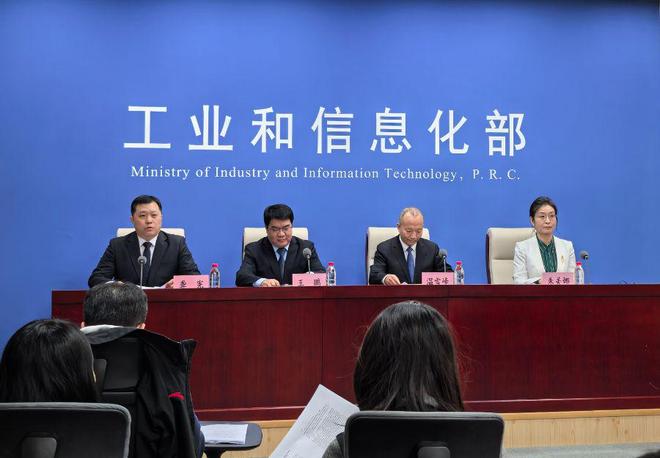
Core Viewpoint - The Ministry of Industry and Information Technology, the Ministry of Ecology and Environment, and the State Administration for Market Regulation jointly issued the "Interim Measures for the Management of Recycling and Comprehensive Utilization of Waste Power Batteries for New Energy Vehicles," which will take effect on April 1, 2026, aiming to standardize the recycling and utilization of power batteries in the new energy vehicle sector [2][3] Group 1: Industry Development and Statistics - The rapid development of the new energy vehicle industry in China has led to a significant increase in production and sales, with projected sales of 16.49 million units in 2025, a year-on-year growth of 28.2%, and a penetration rate of 47.9% [3] - By June 2025, the total number of new energy vehicles in China is expected to reach 36.89 million, accounting for 10.27% of the total number of vehicles [3] - The volume of waste power batteries is anticipated to exceed 1 million tons by 2030, marking the beginning of a large-scale retirement phase for power batteries [3] Group 2: Regulatory Framework and Responsibilities - The new management measures aim to enhance the legal binding force of regulations, addressing previous inadequacies in the management of waste power batteries and illegal dismantling practices [4][5] - The "Interim Measures" outline specific responsibilities and obligations for battery manufacturers, new energy vehicle producers, and other related enterprises to ensure compliance and accountability throughout the recycling process [5] - The measures include penalties for non-compliance, with fines up to 50,000 yuan for failing to fulfill recycling responsibilities or providing false information [5] Group 3: Traceability and Digital Management - A nationwide unified traceability information platform will be established, implementing a "digital identity" management system for power batteries, requiring timely reporting of battery codes and flow information [6][7] - The traceability management scope has been expanded to include the entire lifecycle of power batteries, ensuring that all stakeholders are accountable for their respective roles in the recycling process [7] Group 4: Safety and Utilization Standards - The "one vehicle, one battery" scrapping system is introduced to prevent the illegal sale of waste power batteries, which poses safety risks [8] - The concept of "梯次利用" (cascade utilization) will no longer be used, emphasizing that all battery products must meet quality standards for their intended applications [9][10] - Strict regulations will be enforced to prevent the use of waste power batteries in prohibited areas, ensuring public safety and environmental protection [10]

我国加强新能源汽车废旧动力电池回收利用
Zhong Guo Zhi Liang Xin Wen Wang· 2026-01-29 06:23
Core Viewpoint - The Ministry of Industry and Information Technology and five other departments have jointly issued the "Interim Measures for the Recycling and Comprehensive Utilization of Waste Power Batteries from New Energy Vehicles," emphasizing a management approach that covers the entire lifecycle of batteries, requiring that scrapped vehicles must include their power batteries, which will have a digital identity [1] Group 1: Regulatory Framework - The new regulations aim to prevent the illegal recycling of waste power batteries by ensuring that scrapped vehicles are accompanied by their batteries, with specific provisions for non-replaceable battery models being developed separately [2] - The measures introduce new requirements for the comprehensive utilization of waste batteries, eliminating the concept of "second-use" batteries to ensure safety and compliance with quality standards [3] Group 2: Recycling and Utilization - The recycling of waste power batteries is crucial as they contain valuable metals like nickel, cobalt, manganese, and lithium, as well as hazardous substances that can harm the environment if not properly managed [1][3] - The recycling rates achieved by some companies have reached 99.6% for nickel, cobalt, and 96.5% for lithium, demonstrating significant economic, social, and ecological benefits [4] Group 3: Management Approach - The measures follow a "full-channel, full-chain, full-lifecycle" management strategy, which includes standardized management of battery production, vehicle scrapping, battery swapping operations, and maintenance [5][6] - A nationwide information platform will be established to track the lifecycle of power batteries, with each battery receiving a unique digital identity to facilitate monitoring and compliance [7]
直击新能源汽车废电池黑产链:激光焊接+无证拼装
Mei Ri Jing Ji Xin Wen· 2026-01-21 12:57
Core Viewpoint - The article discusses the rising demand for "disassembled batteries" sourced from retired electric vehicle batteries, highlighting the regulatory challenges and market dynamics surrounding their use in electric bicycles and other applications [1][4][5]. Group 1: Market Dynamics - The demand for disassembled batteries is driven by their lower cost and higher performance compared to original batteries, appealing particularly to delivery riders and couriers [1][2]. - A disassembled battery can provide a range of up to 80 kilometers, significantly more than the original battery's 40 kilometers [1]. - The price of a disassembled battery is approximately 3,000 yuan, which is about 500 yuan cheaper than a new battery of the same specifications [2]. Group 2: Regulatory Environment - The Ministry of Industry and Information Technology has issued new regulations prohibiting the use of retired batteries in electric bicycles, effective from April 1, 2026 [1][5]. - The concept of "cascade utilization" for retired batteries has been eliminated, which previously allowed for their use in various applications [5]. - The new regulations emphasize the "vehicle-battery integration" requirement for the scrapping of electric vehicles, mandating that batteries must be included during the scrapping process [5]. Group 3: Industry Challenges - A significant portion of retired batteries, estimated at 80%, is reportedly missing from vehicles before they reach authorized recycling facilities, indicating a leakage into unregulated markets [4]. - The recycling capacity of legitimate battery recycling companies is underutilized, with estimates suggesting that only 25% of their capacity is currently being used [4]. - The rapid growth of the electric vehicle market has led to an urgent need for a robust battery recycling infrastructure to manage the increasing volume of retired batteries [6][9]. Group 4: Future Projections - The domestic battery recycling volume is projected to exceed 300,000 tons by 2024, with the number of retired lithium batteries expected to reach 981,600 tons by 2026 [7][8]. - The market for recycled materials from lithium batteries is anticipated to grow significantly, with sales expected to reach 856,100 tons by 2025 and 1,204,500 tons by 2026 [10].
报废拆解的新能源汽车,约有80%没了电池!小作坊拆解转卖利润几千上万元,“这行有规定,不太方便讲”,记者一线调查→
Mei Ri Jing Ji Xin Wen· 2026-01-21 09:22
Core Viewpoint - The demand for "disassembled batteries" from retired electric vehicle batteries is rising due to their lower prices and higher performance compared to original batteries, despite regulatory restrictions on their use in electric bicycles [1][4]. Group 1: Market Dynamics - Disassembled batteries, which are refurbished from retired electric vehicle batteries, can provide significantly better range for electric bicycles, with some offering up to 80 kilometers in winter conditions compared to the original 40 kilometers [1]. - The price of disassembled batteries is notably lower, with a customized battery costing around 3000 yuan, which is approximately 500 yuan cheaper than new batteries of the same specifications [2]. - The market for disassembled batteries is primarily driven by demand from delivery riders and couriers seeking cost-effective solutions for longer battery life [1]. Group 2: Regulatory Environment - The Ministry of Industry and Information Technology has issued a new regulation prohibiting the use of retired batteries in electric bicycles, effective from April 1, 2026 [1][5]. - The concept of "cascade utilization" for retired batteries has been eliminated from regulations, which may limit the avenues for repurposing these batteries [5]. - The new regulations emphasize the "vehicle-battery integration" principle, mandating that electric vehicles must be scrapped with their batteries intact to ensure proper recycling [5]. Group 3: Industry Challenges - A significant portion of retired batteries, estimated at 80%, is reportedly missing from vehicles before they reach authorized recycling facilities, often being sold through informal channels [4]. - The current recycling capacity of authorized battery recycling companies is underutilized, with estimates suggesting that less than 25% of their capacity is being used [4]. - The rapid growth of the electric vehicle market has led to an urgent need for a robust battery recycling infrastructure to handle the increasing volume of retired batteries [6]. Group 4: Future Projections - The domestic battery recycling volume is projected to exceed 300,000 tons by 2024, with the number of retired lithium batteries expected to reach 981,600 tons by 2026 [6][7]. - The market for recycled materials from lithium batteries is anticipated to grow significantly, with sales expected to reach 856,100 tons by 2025 and 1,204,500 tons by 2026 [7].
六部门出台动力电池回收利用新规:防止“小作坊”非法拆解,明确综合利用“红线”
Hua Xia Shi Bao· 2026-01-18 04:18
Core Viewpoint - The rapid development of the electric vehicle (EV) industry is leading to a significant increase in the volume of discarded power batteries, with projections indicating that by 2025, nearly 400,000 tons of waste batteries will be generated in China, and over 1 million tons by 2030. The newly issued "Interim Measures for the Management of Recycling and Comprehensive Utilization of Waste Power Batteries from New Energy Vehicles" aims to establish a comprehensive management system for battery recycling and utilization [2][3][4]. Group 1: Regulatory Framework - The new management measures emphasize a "full-channel, full-chain, and full-lifecycle" approach to battery management, introducing a digital identification system for power batteries to enhance supervision and management [2][4][6]. - The "vehicle-battery integrated scrapping" system is a key focus, mandating that scrapped electric vehicles must include their power batteries, with penalties for non-compliance [4][6]. - The measures prohibit any organization or individual from using waste batteries for electric bicycles or other areas banned by laws and regulations, marking a significant shift from previous practices [7][8]. Group 2: Environmental and Safety Concerns - The rise of informal recycling practices poses environmental and safety risks, prompting the Ministry of Ecology and Environment to initiate a three-year action plan targeting illegal disposal and dismantling of waste batteries [5][6]. - The establishment of a digital identification system for batteries aims to prevent illegal handling and ensure that waste batteries are funneled into legitimate recycling channels [6][9]. Group 3: Industry Implications - The new regulations restrict the concept of "cascade utilization" of waste batteries, which had allowed for the repurposing of batteries in less critical applications, thereby reducing potential safety and environmental risks [7][8]. - Companies are encouraged to explore safe applications for waste batteries in low-risk environments, while those unsuitable for reuse should be directed towards comprehensive utilization to extract valuable metals [9].

如何加强新能源汽车废旧动力电池回收利用?
Xin Hua She· 2026-01-16 14:16
Core Viewpoint - The article discusses the newly released interim measures for the recycling and comprehensive utilization of used power batteries from new energy vehicles, emphasizing a "whole-channel, whole-chain, whole-lifecycle" management approach to ensure proper recycling and resource recovery [1][2]. Group 1: Regulatory Framework - The Ministry of Industry and Information Technology and five other departments have jointly issued regulations requiring that scrapped new energy vehicles must have their batteries intact, establishing a "vehicle-battery integration" principle [1][2]. - The management measures introduce new requirements for the comprehensive utilization of used batteries, including a prohibition on the "cascade utilization" concept, which has been a common practice among some enterprises [2][3]. Group 2: Environmental and Safety Considerations - The article highlights the environmental risks associated with improper recycling of used batteries, which contain valuable metals like nickel, cobalt, manganese, and lithium, as well as toxic substances [1][3]. - The new regulations aim to eliminate the potential safety and environmental risks by ensuring that any battery products produced must meet quality standards for their intended applications [3][4]. Group 3: Implementation Strategy - The management approach follows a "whole-channel, whole-chain, whole-lifecycle" strategy, focusing on the regulation of battery production, vehicle scrapping, battery swapping operations, and maintenance [5][6]. - A nationwide information platform for tracking the lifecycle of power batteries will be established, incorporating a digital identity system for each battery to facilitate monitoring and traceability [6][7]. Group 4: Industry Impact - The recycling rates for nickel, cobalt, and lithium have reached 99.6% and 96.5% respectively, indicating significant economic, social, and ecological benefits from the implementation of recycling standards [4]. - The complexity of the battery recycling process, involving multiple enterprises and lengthy procedures, presents challenges for regulatory oversight [4].
动力电池回收迎强监管:报废应“车电一体”,取消梯次利用
2 1 Shi Ji Jing Ji Bao Dao· 2026-01-16 12:20
Core Viewpoint - The Ministry of Industry and Information Technology, along with five other departments, has issued the "Interim Measures for the Recycling and Comprehensive Utilization of Waste Power Batteries from New Energy Vehicles," which will take effect on April 1, 2026. This regulation aims to enhance the legal framework for managing waste batteries and curb illegal dismantling practices [1][5]. Group 1: Key Features of the Management Measures - The "vehicle-battery integrated scrapping" system is a significant design of the measures, mandating that scrapped new energy vehicles must include their power batteries; otherwise, they will be considered as lacking essential components [2][6]. - The measures will replace the previously used concept of "cascade utilization" with stricter regulations, prohibiting any organization or individual from using waste power batteries directly or after processing in prohibited fields, such as electric bicycles [2][11]. - The measures emphasize a "full-channel, full-chain, and full-lifecycle" management approach, ensuring that all aspects of battery production, scrapping, and recycling are regulated [6][7]. Group 2: Industry Impact and Future Projections - The volume of waste power batteries is expected to exceed 1 million tons by 2030, indicating a significant increase in the need for effective recycling and management solutions [4]. - The measures will enhance the traceability of waste batteries through a national information platform and a digital identity system for each battery, allowing for comprehensive monitoring throughout its lifecycle [9][10]. - The new regulations will also impose stricter conditions for enterprises involved in the comprehensive utilization of waste batteries, ensuring compliance with environmental and safety standards [10].