拔估值行情

Search documents
圣诞购物季只是开始! 瑞银押注2026年美国软线零售“估值扩张”叙事
智通财经网· 2025-12-23 09:33
Core Viewpoint - UBS analysts express optimism for the "softlines retail" sector in the U.S., predicting strong consumer willingness during the upcoming holiday shopping season and into 2026, following a better-than-expected performance during the 2025 Thanksgiving and Black Friday shopping period [1][2]. Group 1: Holiday Shopping Performance - The Thanksgiving shopping season showed a positive trend, with a higher percentage of shoppers planning to spend more compared to those spending less, with about 70% of respondents intending to participate in post-Christmas promotions [2][5]. - UBS's December survey revealed that 27% of respondents plan to spend more during the holiday shopping season compared to last year, while 23.2% plan to spend less, resulting in a net positive difference of approximately 380 basis points, which is better than the 11-year average of 300 basis points [2][5]. Group 2: Consumer Sentiment and Financial Health - UBS highlights an improvement in U.S. consumer balance sheets and financial security, with 42% of respondents feeling financially secure, an increase of 120 basis points from the previous month [7]. - The average estimated financial assets (excluding housing) among respondents is approximately $472,000, reflecting an 8% year-over-year increase and a 6% quarter-over-quarter increase, indicating a potential underestimation of the wealth effect on U.S. consumer spending [8]. Group 3: Retail Sector Outlook for 2026 - UBS predicts a strong start for the North American shopping season in 2026, with a significant increase in softlines consumer willingness, expected to rise by 2.9% compared to December 2024, indicating a 535 basis point acceleration [5][17]. - The report identifies three preferred segments within the softlines retail sector for 2026: brand-driven apparel and footwear, off-price retailers, and gift-related categories, particularly apparel and jewelry [13][15]. Group 4: Recommended Stocks - UBS emphasizes that concerns about low-income consumer spending are mitigated by the fact that middle and high-income consumers contribute approximately 90% of industry spending, making their spending intentions more critical for the softlines retail sector [16]. - The report lists preferred stocks in the softlines retail sector, including ONON, RL, and others, indicating a bullish outlook despite the sector's P/E ratios being above historical averages [17].


A股仍存结构性行情,500质量成长ETF(560500)调整蓄势,近3月新增规模同类第一!
Xin Lang Cai Jing· 2025-07-07 02:27
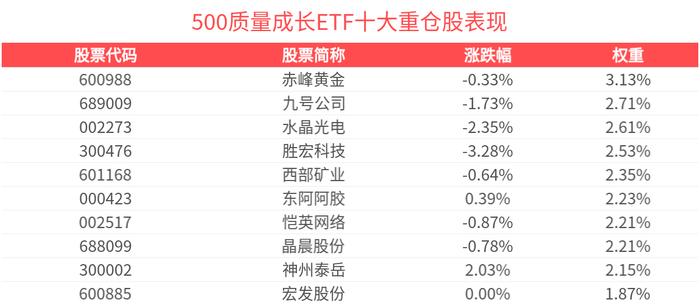
Core Viewpoint - The market is currently experiencing a mixed performance with the CSI 500 Quality Growth Index showing a slight decline, while certain stocks are performing well, indicating potential investment opportunities in undervalued sectors [1][2]. Group 1: Market Performance - As of July 7, 2025, the CSI 500 Quality Growth Index has decreased by 0.51%, with stocks like Binjiang Group rising by 2.77% and Shengyi Electronics leading the decline [1]. - The CSI 500 Quality Growth ETF has seen a significant growth in scale, increasing by 29.35 million yuan over the past three months, ranking in the top third among comparable funds [1]. Group 2: Valuation Insights - The CSI 500 Quality Growth Index is currently at a historical low valuation, with a price-to-book (PB) ratio of 1.88, which is below 90.16% of the time over the past three years, indicating strong valuation attractiveness [2]. - The index comprises 100 companies selected for their high profitability, sustainable earnings, and strong cash flow, providing diverse investment options for investors [2]. Group 3: Sector Outlook - The market is believed to be in the late stages of a valuation expansion phase, with high-growth sectors such as technology, non-ferrous metals, and chemicals expected to outperform [1]. - Historical analysis suggests that before the end of a valuation expansion phase, high-growth and policy-driven sectors tend to perform better, while after its conclusion, low-valuation sectors may see stronger performance [1].
拔估值见顶?——A股一周走势研判及事件提醒
Datayes· 2025-07-06 14:27
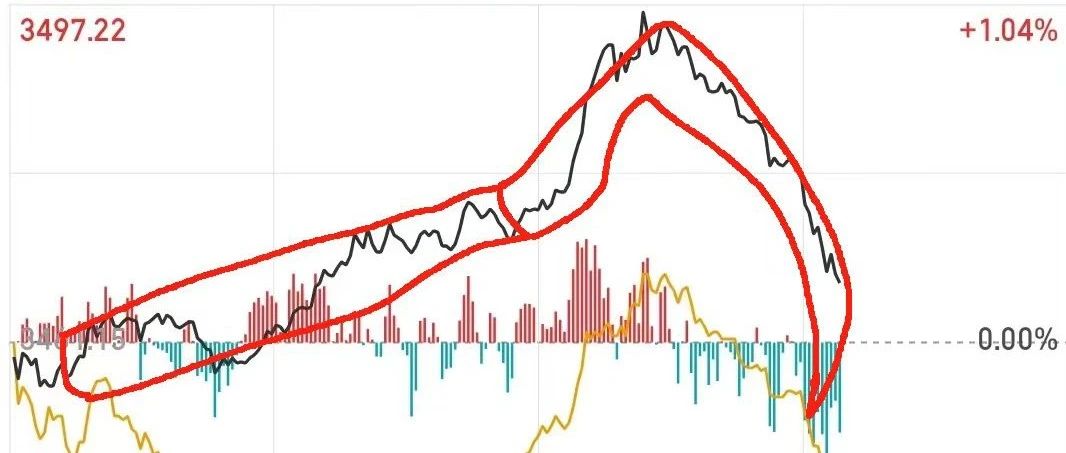
Group 1 - The current A-share market is experiencing increased volatility, with significant fluctuations occurring within short time frames [1] - Historical analysis shows that the average gain during "valuation expansion" phases since 2005 is 21.9%, lasting an average of 53 trading days [1] - Factors leading to the end of valuation expansion include policy tightening, external negative shocks, and excessive valuation and sentiment [1] Group 2 - The recent "Big Beautiful Bill" signed by the US government aims to boost AI subsidies and promote domestic chip manufacturing, with a projected economic growth impact of 0%-0.6% by 2026 [8] - The bill's long-term effects may lead to a decrease in economic growth rates after 2028 [8] Group 3 - The Chinese government is focusing on stabilizing the real estate market by promoting the construction of safe, comfortable, and green housing [16] - Recent data indicates that the maximum electricity load in China reached a historical high of 1.465 billion kilowatts on July 4, 2025, driven by extreme heat [11] Group 4 - The semiconductor industry in Shenzhen is being promoted through ten measures aimed at high-quality development [15] - The aviation sector is seeing regulatory changes with the establishment of a leadership group to develop general aviation and low-altitude economy [12] Group 5 - The food delivery market is witnessing intense competition, with Meituan reporting over 1.2 billion orders in a single day [5][34] - The e-commerce platform Taobao is launching a significant subsidy campaign, aiming for a substantial increase in order volume [34] Group 6 - The latest industry trends indicate that the textile, light manufacturing, and media sectors are in a recession phase, while the computer, communication, and defense industries are expanding [27] - The pharmaceutical and food and beverage sectors are expected to see an increase in their economic outlook, while the construction materials and steel industries may experience a decline [28]