持仓结构

Search documents
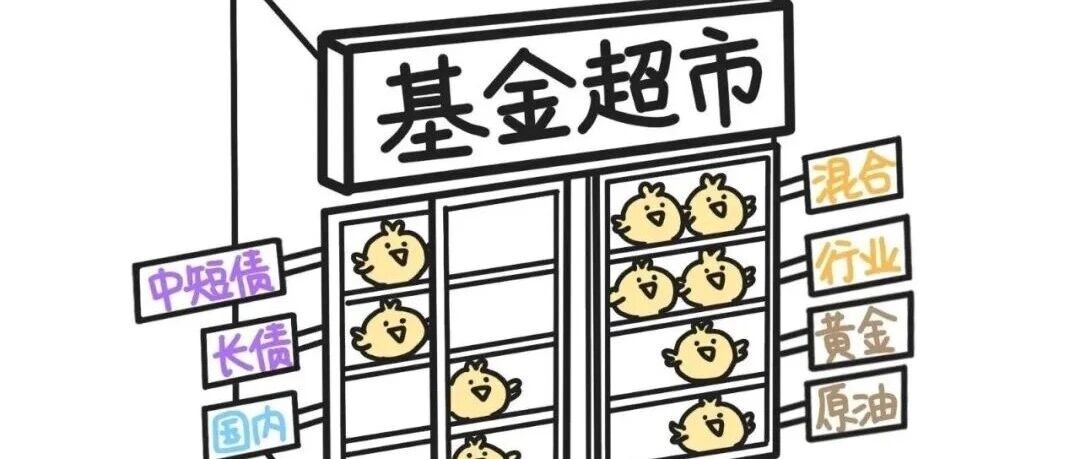
新手养基第一步 关掉你的基金超市
雪球· 2025-12-12 13:00
Core Viewpoint - The article emphasizes the pitfalls of having an excessive number of funds in an investment portfolio, likening it to running a supermarket, which can lead to false diversification and management difficulties [6][17]. Group 1: Reasons for Excessive Fund Holdings - Fear of Missing Out (FOMO) drives investors to buy into new concepts and themes, leading to an overwhelming number of funds [9]. - Misunderstanding the principle of diversification results in investors believing that holding more funds inherently reduces risk [11]. - Decision paralysis occurs when investors are overwhelmed by choices, leading them to buy multiple funds without a clear strategy [13]. Group 2: Problems with Excessive Fund Holdings - False Diversification: Holding many funds does not guarantee risk diversification, as many funds may share the same underlying assets [18]. - Management Overload: Monitoring numerous funds can be time-consuming and impractical, making it difficult to analyze performance and make informed decisions [22]. Group 3: Steps to Optimize Fund Holdings - Step 1: Define a portfolio structure based on individual risk tolerance and investment goals, including allocations to different types of funds [27][30][34]. - Step 2: Tag each fund according to its category to gain clarity on the portfolio composition [37]. - Step 3: Consolidate similar funds by evaluating them based on performance, drawdown history, fund size, fee structure, and manager experience [41][45][49]. Group 4: Tools and Recommendations - The article suggests using fund comparison tools available in various apps to facilitate the selection process and streamline decision-making [50]. - It introduces a three-part asset allocation tool that helps investors avoid common pitfalls by providing a structured framework for fund selection and management [65][66].

多晶硅期货破6万!多头诛杀空头,光伏高管每人赚了几千万!这是一个怎样的资本局?
Ge Long Hui· 2025-12-04 20:47
Core Insights - The price of polysilicon has surpassed 62,000 yuan per ton, reaching a historical high on December 3, 2023, with a significant drop in trading volume, indicating a potential market imbalance [1][2] - The disparity between futures and spot prices has raised concerns, with the futures price being approximately 14.9% higher than the average spot price, suggesting a structural issue in the market [3][4] - The current situation is attributed to a narrow design of deliverable products, concentrated warehouse receipts, and a significant imbalance between positions and deliverable resources, leading to extreme price movements [5][6][7] Market Dynamics - The trading volume for the PS2512 contract on December 3 was only 114 tons, a stark contrast to the 115,200 tons traded on July 31, indicating a drastic reduction in market activity [1] - The price increase of polysilicon futures has resulted in a price return of 87.7% since June 25, with margin trading yielding returns as high as 877% for informed traders [2] - The market has seen a significant concentration of deliverable resources, with only a few companies controlling the majority of the registered brands, raising concerns about market manipulation [9][10] Delivery and Warehouse Issues - The design of the delivery mechanism is overly restrictive, with only a limited number of brands eligible for delivery, which has led to a scarcity of deliverable products [11][12] - The actual volume of standard deliverable products is estimated to be only about 20% of total production, creating a mismatch between market supply and futures contracts [11][12] - Strict time constraints on warehouse receipts, including a 90-day production period and a 6-month validity, exacerbate the delivery challenges, especially during peak trading months [14] Speculative Behavior and Market Manipulation - The market has been influenced by speculative behavior, with some traders profiting significantly from the volatility, while others have faced substantial losses due to a lack of understanding of the delivery rules [17][18] - Reports of coordinated trading activities among industry insiders suggest potential manipulation, with some individuals reportedly making millions from trading polysilicon futures [18][19] - The prevalence of misleading information and rumors in the market has contributed to price volatility, with regulatory scrutiny needed to address these issues [20][21][22] Regulatory Considerations - The current market dynamics highlight the need for regulatory adjustments, including potential modifications to the delivery and warehouse receipt systems to prevent extreme price fluctuations [29][30] - There is a call for thorough investigations into the dissemination of misleading information that has coincided with significant market movements, to restore confidence in the trading environment [31] - The overall goal is to ensure that the polysilicon futures market serves its intended purpose as a risk management tool for the solar industry, rather than becoming a platform for speculative excess [28][30]
机构观点:黄金高位暴跌后险守4000大关,牛市是否已逆转?
Jin Shi Shu Ju· 2025-10-22 06:49
Group 1 - The recent pullback in spot gold is attributed to profit-taking behavior, as algorithmic trading has ceased to chase higher prices [1] - The previous surge in gold prices led to excessive "FOMO" (fear of missing out), with small flash crashes potentially indicating larger volatility ahead [2] - Factors such as the anticipated end of the U.S. government shutdown may drive the gold market to consolidate in the next 2 to 3 weeks [3] - The largest decline in gold prices in a decade may be due to structural issues in holdings and a natural adjustment after nine consecutive weeks of increases [4] - Despite the recent pullback, there is an expectation for gold prices to rise further, as traders view any price drop as a buying opportunity [5] - Extreme daily fluctuations in gold prices suggest a bearish outlook, indicating that the primary bull market may be nearing its peak [6] - It is premature to declare the end of the gold bull market; the recent pullback is natural, and investors who missed the rally may soon enter the market to buy the dip, helping to stabilize sell-offs [7] - The absence of CFTC position data during the U.S. government shutdown has made it easier for speculators to build large positions in one direction, increasing market vulnerability, though underlying buying may limit declines [8] Group 2 - The current market perception of gold as an asset class is shifting, with investors viewing it as a scarce asset amid the rise of "currency devaluation" trades on Wall Street [9]
别人牛市都赚麻了,为什么我的账户还在装死?
雪球· 2025-08-18 13:00
Core Viewpoint - The article discusses the common concerns of investors during a bull market, particularly regarding the performance of their holdings and the need for alignment with their risk preferences [3][4]. Group 1: Portfolio Assessment - Investors should regularly review their portfolio structure to ensure it aligns with their true risk tolerance, especially during significant market changes [4]. - A mismatch between current market conditions and the investor's portfolio style can lead to underperformance, which is normal in a bull market [7][8]. Group 2: Investment Strategy - Investors need to clarify their goals: whether they seek quick profits or stable long-term returns, as this will influence their decision to adjust their holdings [9]. - The article emphasizes the importance of maintaining a clear investment strategy and avoiding emotional trading, especially during volatile market conditions [10][14]. Group 3: Market Dynamics - The article highlights that not all assets will rise during a bull market, and structural market conditions often dictate performance rather than a general uptrend [10][11]. - It is crucial for investors to remain calm and not be swayed by the performance of others, as this can lead to poor decision-making [10][12]. Group 4: Long-term Perspective - The focus should be on avoiding significant losses during bear markets rather than chasing short-term gains in bull markets [11]. - A well-diversified portfolio should be evaluated for its resilience and stability, rather than solely on immediate performance [13][14].