
教育科技人才一体发展

Search documents
用“小切口、大视野”推动解决具体问题
Xin Lang Cai Jing· 2026-02-27 19:29
Core Insights - A recent UN report highlights the onset of a global "water bankruptcy" era, emphasizing the critical nature of water resources for life, production, and ecology [3][4] Group 1: Water Resource Management - The report indicates that water resource issues are a significant concern, prompting discussions on effective management strategies [3] - Recommendations include establishing a groundwater reserve system and ensuring water security through ecological technology to improve rural water environments [5] Group 2: Clean Energy and Biodiversity - The focus on clean energy heating development is crucial, with suggestions for a multi-energy complementary approach and the establishment of smart heating systems to facilitate a green transition [4] - There is a call for a shift from "rescue protection" to "systematic protection" of biodiversity, alongside improved funding and technological support [4] Group 3: Education and Talent Development - Emphasis is placed on integrating education and technology talent development to meet urban development needs, enhancing the capacity of educational institutions to support regional growth [4] - Recommendations include improving labor dispatch systems to ensure equal rights for dispatched personnel in professional development and academic growth [4]

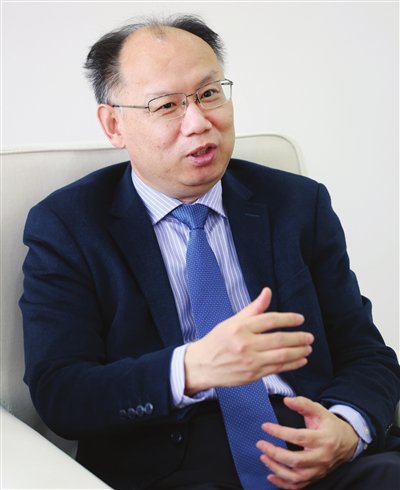
两会前瞻丨科技创新三大关键词
2 1 Shi Ji Jing Ji Bao Dao· 2026-02-27 13:20
Group 1: Core Focus Areas - The upcoming National Two Sessions will emphasize technology innovation, with a focus on achieving high-level technological self-reliance and leading new productive forces [1] - Key topics of interest among representatives include the transformation of scientific achievements, technology empowerment across various sectors, and the role of enterprises as primary innovators [1][9] - In 2025, 176 proposals related to the transformation of scientific achievements were submitted, focusing on enhancing the role of enterprises in technological innovation and reforming the transformation mechanisms [1] Group 2: Transformation of Scientific Achievements - The transformation of scientific achievements is seen as the "last mile" of technological innovation, connecting the innovation chain with the industrial chain [4] - Suggestions include expanding the "Original Exploration Plan" under the scientific fund and establishing technology transfer offices in universities to facilitate smoother transitions from science to market [5] - There is a focus on addressing bottlenecks in the "pilot testing" phase, which involves systemic issues such as approval mechanisms, funding, and policy support [5] Group 3: Technology Empowerment - Technology empowerment in various industries remains a significant focus, with representatives advocating for the integration of technology with real-world applications to meet societal needs [6] - The development of the marine economy and agriculture through technological innovation is highlighted, with calls for enhancing agricultural technology and promoting efficient application of scientific achievements [6][7] - The importance of smart agriculture and the integration of advanced technologies like AI and robotics in farming practices is emphasized to improve productivity and efficiency [7] Group 4: Role of Enterprises - The "14th Five-Year Plan" emphasizes strengthening the position of enterprises as the main body of innovation, with a focus on intellectual property protection and the active participation of private enterprises in national innovation platforms [9][10] - Suggestions include enhancing judicial protection of intellectual property and creating a supportive environment for "specialized, refined, and innovative" enterprises [10] - The integration of industry and research is crucial, with a call for a three-dimensional approach that combines enterprises as research subjects, industry-led innovation, and production line integration [11]

政府发文:力争新设新型研究型大学
Xin Lang Cai Jing· 2026-02-27 10:38
Group 1: Core Objectives of the Plan - The plan aims to optimize the structure of higher education in Hainan Province and promote the classification development of local universities, with the goal of establishing new research-oriented universities [2][12][19] Group 2: Technology Innovation System - The plan includes the construction of a multi-level technology innovation system, establishing a laboratory matrix led by national laboratories and key laboratories, supported by provincial laboratories [4][15] - It emphasizes the development of technology innovation platforms and the establishment of innovation alliances in key industries such as natural rubber, wind power, and biomedicine [4][15] Group 3: Open Innovation Ecosystem - The plan promotes strengthening technological exchanges and cooperation with key countries along the Belt and Road Initiative in fields like aerospace and deep-sea exploration [5][16] - It encourages foreign R&D institutions to set up research centers in Hainan and fosters international scientific collaboration among higher education institutions and research institutes [5][16] Group 4: Integration of Education, Technology, and Talent - The plan focuses on the integration of education, technology, and talent development, establishing a coordinated mechanism for strategic implementation [7][18] - It aims to expand the enrollment of specialized graduate programs and promote the establishment of a high-level research institute in Hainan [7][18] Group 5: Advancement of Higher Education - The plan supports the continuous development of Hainan University and the establishment of first-class local universities, including Hainan Normal University and Hainan Medical University [8][19] - It emphasizes the adjustment and optimization of academic programs to cultivate distinctive and advantageous disciplines [8][19] Group 6: Vocational Education Integration - The plan seeks to optimize the layout of vocational education by integrating various resources and designing a cohesive framework that connects different levels of vocational education [9][20] - It aims to strengthen the construction of high-level vocational education and foster industry-education integration [9][20]

今年山东将实施优势特色学科建设计划,遴选100多个学科重点支持
Qi Lu Wan Bao· 2026-02-26 10:52
Core Viewpoint - The Shandong Provincial Government has introduced a new talent policy aimed at enhancing the integration of education, technology, and industry to support the province's modernization efforts [2]. Group 1: Talent Policy Highlights - The new talent policy focuses on optimizing academic and professional layouts to better align talent supply with industry demand, emphasizing the importance of technology innovation and national strategic needs [4]. - A plan will be implemented to support over 100 advantageous and characteristic disciplines, aiming to create a more rational and distinctive academic matrix that effectively serves industry needs [4]. Group 2: Training Model Reforms - The policy aims to enhance the quality and effectiveness of training for urgently needed talents by promoting innovative talent cultivation models, including the establishment of "order classes" and "special classes" in collaboration with industries [5]. - There will be a focus on integrated training for key fields such as artificial intelligence, integrated circuits, and quantum technology, with a comprehensive approach to talent development across bachelor's, master's, and doctoral levels [5]. Group 3: Strengthening Industry-Education Collaboration - The policy emphasizes the importance of deepening the integration of education and industry, supporting the establishment of modern industry colleges and specialized colleges in collaboration with enterprises [6]. - Initiatives will be launched to facilitate talent exchange between schools and enterprises, including programs that allow university researchers to work part-time in related industries, thereby fostering collaborative innovation [6].
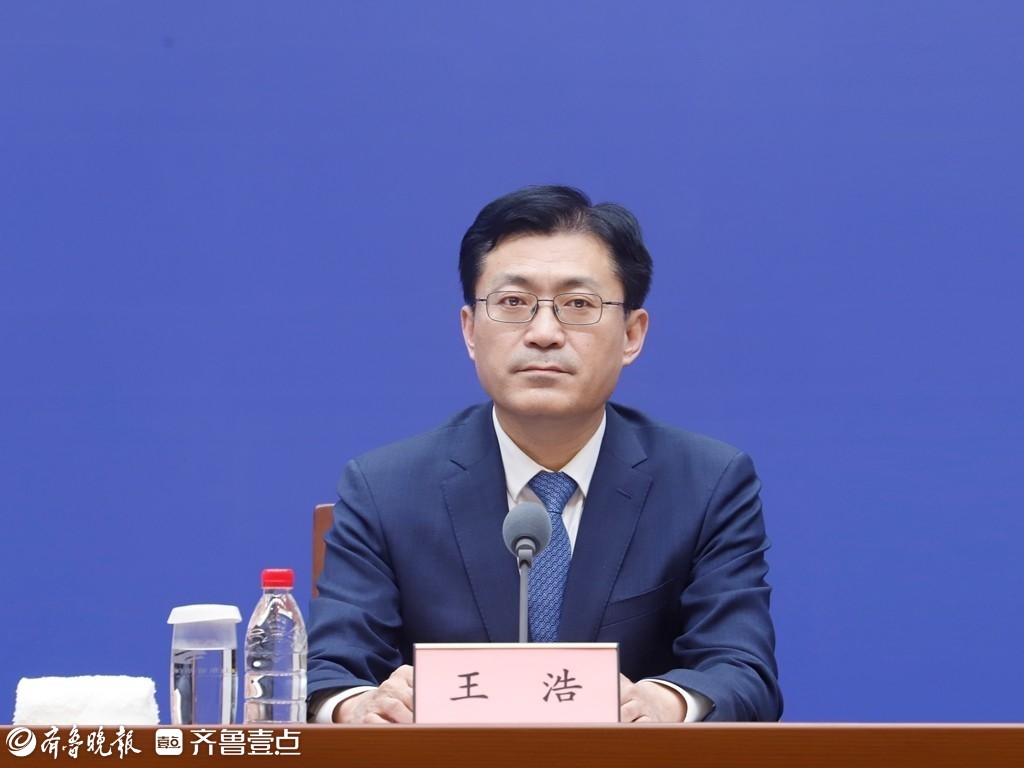
江苏省委科技委员会召开全体会议 加快共建上海(长三角)国际科技创新中心
Xin Lang Cai Jing· 2026-02-25 12:50
Core Insights - The Jiangsu Provincial Science and Technology Committee emphasizes the need for high-quality formulation of the "14th Five-Year" technology innovation plan, focusing on strategic technological strength, applied basic research, and key core technology breakthroughs [1] - The meeting highlights the importance of accelerating the establishment of the Shanghai (Yangtze River Delta) International Technology Innovation Center, with Shanghai playing a leading role in collaboration with Zhejiang and Anhui to enhance technological innovation and high-end industry leadership [1] - There is a strong push for deep integration of technological and industrial innovation, strengthening strategic technological forces like the Suzhou Laboratory, and enhancing the role of enterprises in technological innovation [1] - The meeting also stresses the importance of advancing education and technology talent development, establishing high-quality regional technology transfer centers, and promoting collaborative innovation between higher education and industry [1]
【省科技厅】陕西公开征集实施一批软科学研究课题
Shan Xi Ri Bao· 2026-02-24 00:21
Core Viewpoint - The Shaanxi Provincial Science and Technology Department is publicly soliciting a batch of provincial soft science research topics to enhance the role of high-end think tanks and expert teams in supporting the province's high-quality development through a "ranking and leadership" approach [1][2] Group 1: Research Topics - The list of research topics includes ten key areas such as the integration of education and technology talent development policies, evaluation systems for technology talent, and the service system for technology-based enterprises throughout their lifecycle [1] - Specific topics also focus on the cultivation of advantageous industries and future industries in Shaanxi, as well as the innovation factor aggregation paths in the Qin Chuang Yuan industrial innovation cluster [1] Group 2: Application and Evaluation Process - The application is open to institutions with independent legal status that have been established for over a year, including universities, research institutions, and enterprises [1] - An expert group will be formed by the Provincial Science and Technology Department and the Shaanxi Technology Innovation and New Quality Productivity Research Institute to review qualifications and assess project feasibility [2] - The results of the ranking will be publicly announced, and contracts will be signed between the provincial authorities and the selected applicants [2]
研之有理|以产业为牵引推进教育科技人才一体发展
Xin Lang Cai Jing· 2026-02-23 22:47
Core Viewpoint - The article emphasizes the importance of integrating education, technology, and talent development in Heilongjiang to drive high-quality economic revitalization through a collaborative approach involving various sectors and resources [1]. Group 1: Education and Industry Integration - The integration of education and industry serves as a crucial link between educational supply and industrial demand, facilitating resource complementarity and precise supply-demand matching [2]. - Higher education institutions are encouraged to develop new majors aligned with strategic emerging industries such as aerospace, electronic information, and high-end equipment, while also focusing on talent-scarce areas like cultural tourism and modern services [2][3]. Group 2: Technology and Project Collaboration - The article outlines a framework for technology-driven projects where enterprises identify key technological challenges, and the government selects relevant research topics, creating a dynamic project database [2]. - Collaborative teams formed through education-industry integration are tasked with addressing critical technological challenges, promoting innovation through partnerships among universities, research institutions, and enterprises [2]. Group 3: Talent Development Mechanisms - A "revolving door" mechanism is proposed to facilitate the exchange of personnel between enterprises and educational institutions, allowing experienced professionals to contribute as "industry professors" [3]. - The evaluation system for educators will be reformed to prioritize practical experience and problem-solving capabilities, aligning talent assessment with industry needs [3]. Group 4: Role of Major Projects - Major projects are identified as essential for integrating education, technology, and talent, necessitating systematic support and collaboration among these elements [4]. - Educational institutions are encouraged to align their curriculum and professional training with the talent needs of significant engineering projects, ensuring a comprehensive approach to talent development [4]. Group 5: Innovation through Large Scientific Facilities - Large scientific facilities are highlighted as foundational platforms for innovation, capable of attracting and nurturing top scientific talent while enhancing the synergy between education, technology, and talent [7]. - Collaborative innovation centers involving management entities, universities, research institutes, and enterprises are proposed to leverage shared resources for technological advancements [7]. Group 6: Talent Recruitment and Evaluation - A targeted talent recruitment strategy is suggested to attract top-tier scientists and young talents globally, with a focus on contributions to large scientific facilities [8]. - The evaluation criteria for researchers and engineers involved in these facilities will be revised to emphasize tangible results and contributions [8].
加强科创园区建设 构筑教育科技人才一体发展新高地
Xin Lang Cai Jing· 2026-02-08 21:40
Group 1 - The core viewpoint emphasizes the importance of innovation-driven development in science and technology parks, which are seen as essential for integrating education, technology, and talent to foster new productive forces [2][4] - The "14th Five-Year Plan" outlines major tasks such as promoting the efficient transformation of significant scientific achievements and supporting young scientific talent in innovation and entrepreneurship [2][3] Group 2 - Focus on cutting-edge and disruptive technologies to create a "source of new productive forces" by enhancing original innovation and tackling key core technologies [2][3] - The strategy includes establishing research institutes based on "advantageous disciplines + chief scientists" to cultivate core technologies and entrepreneurial talent [2][3] Group 3 - Emphasizing talent cultivation, the strategy aims to develop a national strategic talent force by identifying and nurturing young talents and creating a collaborative network for innovation [4][5] - The integration of industry and education is highlighted to address talent shortages in key areas, fostering application-oriented and interdisciplinary engineering talent [5] Group 4 - The plan aims to streamline the transformation of scientific achievements by breaking down barriers and establishing a structured approach to facilitate the integration of university research into industry [6][7] - Establishing a "one-stop" innovation and entrepreneurship service platform is crucial for supporting the commercialization of scientific research [6][7] Group 5 - The strategy includes creating regional innovation systems that serve as growth poles, promoting collaboration between universities, parks, and communities to enhance the innovation ecosystem [8] - The development of international innovation nodes is essential for connecting with global innovation networks and attracting global resources to foster new productive forces [8]

赵一德走访慰问正省级老同志在陕院士专家和驻陕部队官兵
Shan Xi Ri Bao· 2026-02-06 00:57
Group 1 - The core message emphasizes the importance of support for retired officials and experts in contributing to the province's development and achieving new progress in the upcoming year [1][2] - The provincial leadership acknowledges the contributions of retired officials and encourages them to continue providing valuable insights for the province's high-quality development [1] - The government aims to enhance the integration of education, technology, and talent development, focusing on strategic and systematic planning for basic research and innovation [2] Group 2 - The provincial leadership expresses gratitude to military personnel for their contributions to the province's development and encourages them to strengthen their capabilities in line with national defense strategies [2] - There is a call for collaboration between military and civilian sectors to promote mutual advancement in economic and national defense construction [2] - The government plans to create a favorable environment for research, entrepreneurship, and living conditions to support innovation and talent cultivation [2]
推进教育科技人才一体发展关键在人
Xin Hua Ri Bao· 2026-02-04 21:55
Core Viewpoint - The article emphasizes the importance of integrating education, technology, and talent development to accelerate high-level technological self-reliance and lead the development of new productive forces [1] Group 1: Coordination and Leadership - It is suggested to strengthen the overall coordination and leadership in the integrated development of education, technology, and talent [1] - The establishment of a "three-in-one" working mechanism is recommended, including detailed work guidelines and key task lists [1] Group 2: Collaborative Talent Development - A multi-party collaborative mechanism for talent cultivation is proposed, focusing on technological innovation, industrial development, and national strategic needs [1] - Encouragement for enterprises to participate deeply in the entire talent cultivation process is highlighted [1] - Support for universities to collaborate with leading enterprises to establish future technology colleges and excellent engineer colleges, as well as joint laboratories and interdisciplinary technology centers [1] Group 3: Talent Development Ecosystem - The article discusses optimizing the talent development ecosystem based on the deep integration of technological and industrial innovation [1] - It mentions the construction of infrastructure and support conditions around the "1650" industrial system, with an emphasis on application scenario development [1] - The promotion of flexible allocation of talent resources through laboratories like Zijinshan and Gusu is noted [1] - Encouragement for leading enterprises to build talent hubs to attract international leading talents and teams is also mentioned [1] Group 4: Talent Evaluation and Incentives - The need to improve the talent evaluation and incentive mechanism in line with high-quality development requirements is addressed [1] - Establishing a talent evaluation system that focuses on actual contributions and implementing classified evaluations is recommended [1] - The creation of a unified evaluation system for talents across various fields to guide long-term and breakthrough contributions is emphasized [1]
