文体商旅融合

Search documents
3-4月核心推荐-文旅-赛事电话会
2026-03-09 05:18
Summary of Conference Call on Cultural Tourism and Sports Events Industry Overview - The conference call focused on the cultural tourism and sports events sectors, highlighting the impact of new government policies on these industries, particularly in 2026 [1][2]. Key Points and Arguments Government Policies - The 2026 government work report emphasizes "high-quality development of the cultural tourism industry" and supports the implementation of paid leave and staggered holidays, which is expected to boost tourism demand significantly [2][3]. - The introduction of "spring and autumn breaks" is anticipated to enhance off-peak capacity utilization in major tourist attractions, improving revenue and profit stability [3]. Company Highlights - **Lijiang Co.**: - The company is set to expand its Yak Niu Ping cableway in March 2026, increasing capacity from 360 to 1,900 passengers per hour, which is expected to alleviate long-standing visitor bottlenecks and enhance profits post-2028 [1][8]. - Post-pandemic, Lijiang's revenue and profits have surpassed pre-pandemic levels, driven by improved transportation infrastructure and increased visitor flow [10]. - **Song City Performance**: - The company anticipates a slight increase in visitor numbers for its "Eternal Love" projects in Q1 2026, supported by new policies that extend travel windows [5]. - The company is also developing a light-asset project in Qingdao and a heavy-asset project in Thailand, which are expected to contribute to growth [5]. - **Jiuhua Tourism**: - The company focuses on cultural tourism with a high repeat visitor rate, driven by its Buddhist cultural experiences. The Lion Peak cableway project is expected to contribute to revenue growth starting in late 2026 [6][7]. - **JunTing Hotels**: - Positioned as a leading domestic high-end hotel brand, benefiting from the growth in high-end demand and the advancement of REITs [4]. - **Lisheng Sports**: - The company plans to enter the golf sector in 2025, maintaining a revenue growth rate of over 10% [1]. Market Dynamics - The sports events economy is highlighted as a new focus area in the government report, with an emphasis on developing more community sports events [2]. - The sports venue operation sector is transitioning to a light-asset model, enhancing operational efficiency and profitability [12][13]. Valuation Insights - Current valuations for tourism and hotel stocks have returned to relatively low levels, suggesting potential for re-evaluation as demand increases [2][4][5]. - Jiuhua Tourism is estimated to have a valuation of around 20 times earnings, which is considered attractive compared to peers [6][7]. Risks and Considerations - The overall performance of Lijiang Co. has been stable, but there is a need for improved visitor growth to enhance profitability further [10]. - The sports industry is still in its early stages of marketization, which may limit immediate profitability for many companies [15][16]. Additional Important Content - The conference highlighted the importance of cultural attributes in driving repeat visits, particularly for Jiuhua Tourism, which differentiates itself from typical tourist attractions [6]. - The potential for increased collaboration between tourism and sports sectors is noted, with companies like Lisheng Sports and JunTing Hotels positioned to benefit from this trend [1][4][12]. This summary encapsulates the key insights from the conference call, focusing on the implications of government policies, company strategies, market dynamics, and valuation considerations within the cultural tourism and sports events sectors.



马年春节假日盘点·消费篇
Xin Lang Cai Jing· 2026-02-24 14:12
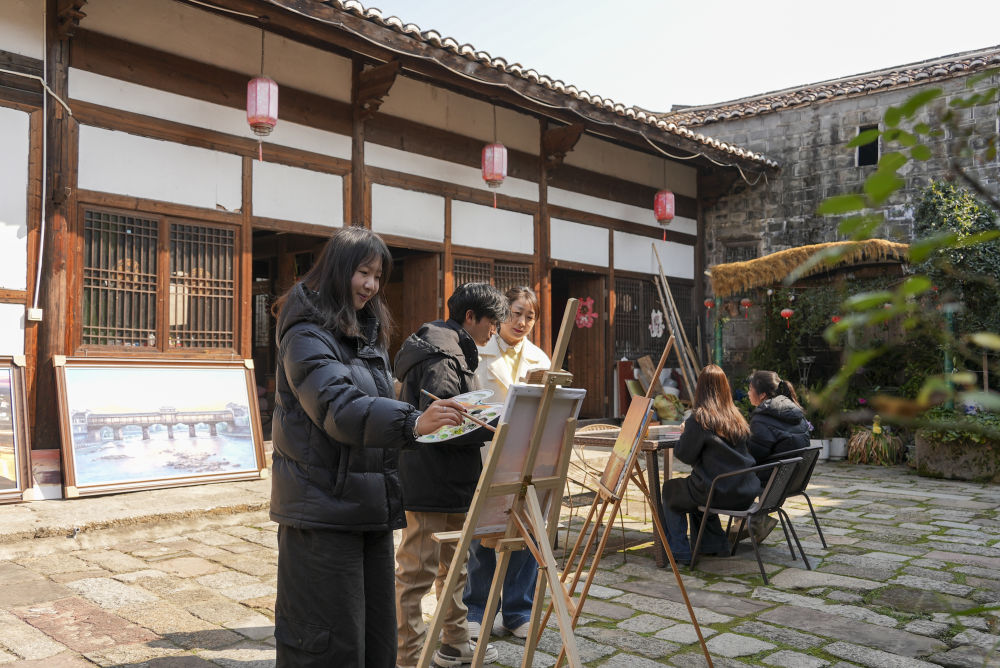
Group 1: New Scenes - The 2026 Spring Festival is characterized by a shift towards "traveling for the New Year" and "vacation-style celebrations," with families increasingly opting for travel experiences over traditional visits [2][4] - In Fuzhou, the ancient city of Lichuan saw a surge in family outings, with fully booked accommodations and popular activities like free oil painting experiences attracting visitors [2][4] - Young consumers are becoming the main force in Spring Festival spending, with unique venues like Yuefang ID MALL in Changsha and the "Future Ocean" exhibition in Tianjin drawing significant crowds [4][6] Group 2: New Trends - There is a noticeable shift from purchasing physical goods to services, with consumers willing to pay for convenience and quality [5][6] - In Chongqing, the rise of home chef services reflects this trend, with families finding value in customized meal preparations [5][6] - Professional cleaning services are also gaining popularity, particularly among younger families, indicating a growing trend of outsourcing household tasks [5] Group 3: New Flow - The Spring Festival has seen a boost in "China Travel" and "China Shopping," with an increase in foreign tourists and a more open approach to international visitors [6][7] - In Hainan, the duty-free shopping experience has become a major attraction, with significant sales figures reported during the holiday period [6][7] - The implementation of visa-free policies for certain countries has further enhanced the appeal of China as a destination for international travelers, with predictions of over 2.05 million travelers entering the country during the holiday [7]

拼挖潜 今年各地促进服务消费这样干
Xin Lang Cai Jing· 2026-02-07 21:54
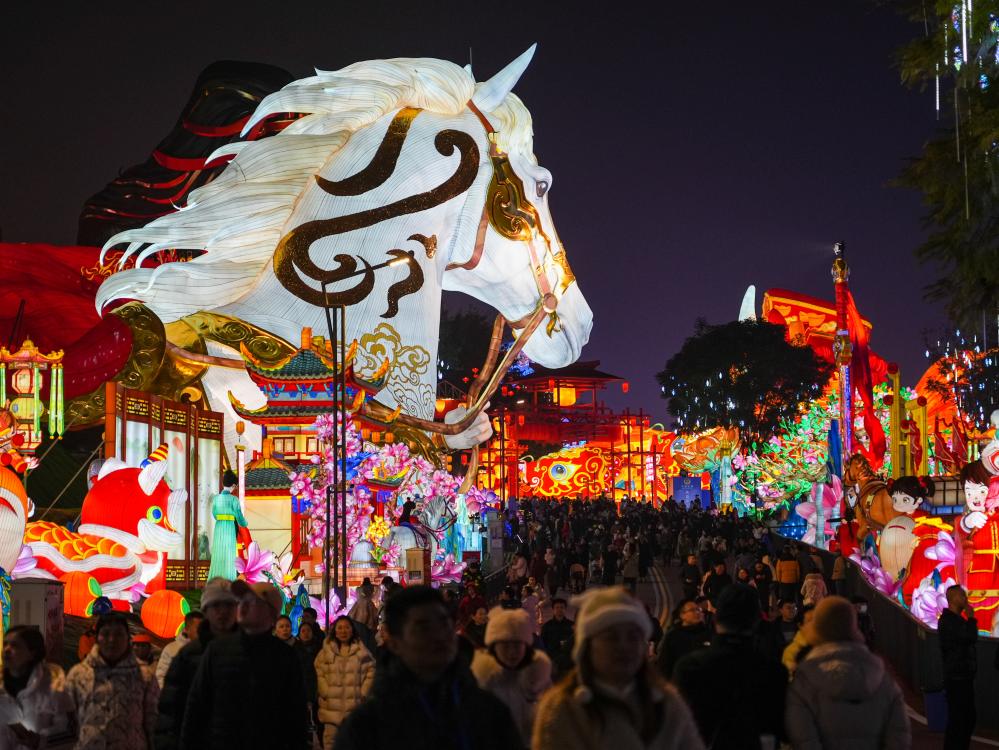
Group 1 - The core focus of local government reports is on promoting service consumption as a key growth area, with various initiatives proposed to stimulate this sector [1][2][4] - By 2025, significant growth in service consumption is anticipated, with cities like Beijing hosting 2,295 large events (up 25.8%), and Chongqing expecting over 500 million tourists, with inbound tourism increasing by 68.2% [1] - Local governments are emphasizing the integration of cultural, sports, and tourism sectors to enhance service consumption, with examples like Jiangsu's "Football+" initiative and Chongqing's "Watch and Tour" plan [2][4] Group 2 - There is a shift in consumer demand from material satisfaction to experiences that provide cultural, social, and emotional value [3][6] - Cities are focusing on enhancing experiential services, with events like the fourth Zhengjia Datang Lantern Festival in Guangzhou driving increased foot traffic and sales through interactive activities [4][5] - The youth demographic is becoming a significant driver of service consumption, with initiatives aimed at engaging this group through events and targeted electronic consumption vouchers [5][6] Group 3 - Technological advancements, including AI and digital platforms, are being leveraged to enhance consumer experiences and improve service delivery [5][6] - Local governments are investing in smart tourism solutions, such as AI-driven platforms for real-time data analysis to optimize visitor experiences and manage traffic [6]
地方两会经济“拼”图丨拼挖潜!2026年各地促进服务消费这样干
Xin Lang Cai Jing· 2026-02-07 12:34
Core Insights - The article discusses the increasing emphasis on "service consumption" in local government work reports across various regions in China, highlighting initiatives to foster new growth points in this sector for 2026 [1] Group 1: Service Consumption Growth - In 2025, significant achievements in service consumption were noted, with Beijing hosting 2,295 large events, a 25.8% increase; Shandong seeing over 10% growth in both tourist numbers and revenue; and Chongqing receiving over 500 million tourists, with inbound tourism increasing by 68.2% [1] - Various regions are focusing on enhancing service consumption by investing in sectors such as elderly care, childcare, health, and home services to meet diverse consumer needs [1] Group 2: Cultural and Experiential Consumption - The shift in consumer demand from material satisfaction to emotional and experiential services is highlighted, with events like the fourth Zhengjia Datang Lantern Festival in Guangzhou enhancing interaction and experience for visitors [4] - Regions like Guangdong and Anhui are expanding service consumption scenarios by promoting event economies and implementing staggered vacation systems to boost tourism [4] Group 3: Technological Integration - The integration of digital technologies and artificial intelligence is reshaping service experiences, with regions like Guizhou and Zhejiang enhancing their smart tourism platforms and promoting AI in consumption [5] - The development of intelligent tourism systems aims to analyze real-time data for better consumer experiences, aligning with the trend of shifting from product purchasing to service enjoyment [6]
财经聚焦·地方两会经济“拼”图 | 拼挖潜!2026年各地促进服务消费这样干
Xin Hua She· 2026-02-07 11:01
Core Insights - The focus on "service consumption" has become a prominent theme in local government work reports, with various regions proposing measures to stimulate new growth points in service consumption for 2026 [1] Group 1: Service Consumption Growth - In 2025, significant achievements in service consumption were noted, including a 25.8% increase in large events in Beijing, over 10% growth in tourist numbers and revenue in Shandong, and a 68.2% increase in inbound tourism in Chongqing [1] - Regions are emphasizing investments in human-oriented services, with Tianjin focusing on expanding services in areas like elderly care and health, while Chongqing aims to upgrade traditional service sectors [1] - Hebei is working on creating a "15-minute convenient living circle" to enhance local service consumption [1] Group 2: Cultural and Tourism Integration - The integration of culture, sports, and tourism is seen as a fertile ground for expanding service consumption, with Jiangsu leveraging "football+" to drive new growth and Chongqing promoting a "watch and tour" initiative linked to local performances [2] - Regions are encouraged to innovate in cultural consumption scenarios, with suggestions for enhancing consumer experiences through events and local products [2] Group 3: Evolving Consumer Preferences - There is a shift in consumer demand from material satisfaction to emotional and experiential fulfillment, highlighting the importance of cultural and social experiences in service offerings [3] Group 4: Experience-Oriented Services - Increasing the supply of emotional, experiential, and self-satisfying services is identified as a key strategy for unlocking new spaces in service consumption, with Guangdong focusing on personalized service scenarios and Anhui proposing staggered vacation schedules to enhance travel experiences [4] Group 5: Youth Engagement - The youth demographic is recognized as both participants and trendsetters in the service consumption market, with suggestions for targeted initiatives like electronic consumption vouchers to enhance social experiences for young people [5][7] - The integration of digital technology and AI is reshaping service scenarios, with various regions enhancing smart tourism platforms and promoting AI-driven consumer experiences [7]
财经聚焦·地方两会经济“拼”图|拼挖潜!2026年各地促进服务消费这样干
Xin Hua She· 2026-02-07 05:49
Group 1 - The core focus of local government reports is on "service consumption" as a key growth area, with various initiatives proposed to accelerate its development [2][3] - By 2025, significant growth in service consumption is expected, with Beijing's performing arts economy seeing a 25.8% increase in large events, Shandong's tourism revenue growing over 10%, and Chongqing's inbound tourism rising by 68.2% [2] - Local governments are emphasizing the importance of enhancing service offerings in areas such as elderly care, childcare, health, and home services to meet diverse consumer demands [3] Group 2 - The integration of culture, sports, and tourism is identified as a fertile ground for expanding service consumption, with initiatives like Jiangsu's "football+" and Chongqing's "watching drama and touring" plans driving new consumer growth [4] - By 2026, localities are expected to continue innovating in the integration of culture and tourism, with Zhejiang focusing on developing popular "cultural tourism + consumption" IPs and enhancing consumer experiences in various sectors [4] - New business models such as low-altitude tourism and aviation sports are emerging, with suggestions for regulatory reforms to foster low-altitude economic development [6] Group 3 - The shift in consumer demand from material satisfaction to emotional and experiential fulfillment is driving the need for more engaging service offerings [6] - Local governments are encouraged to enhance service consumption scenarios by developing event-driven economies and promoting personalized service experiences [6][7] - The youth demographic is becoming a significant driver of service consumption trends, with recommendations for targeted initiatives to engage this group through social and entertainment activities [7] Group 4 - Digital technologies and artificial intelligence are reshaping service landscapes, with local governments focusing on tech-enabled solutions to enhance consumer experiences [8] - Initiatives include the development of smart tourism platforms and AI-driven consumer services to improve operational efficiency and customer engagement [8] - The overall goal is to cultivate new growth points in service consumption, aligning with the trend of consumers prioritizing experiences over products [8]
拼挖潜!2026年各地促进服务消费这样干
Xin Hua Wang· 2026-02-07 03:29
Group 1 - The core focus of local government reports is on "service consumption," with various initiatives proposed to accelerate the growth of this sector by 2025 [1] - Significant achievements in service consumption by 2025 include Beijing hosting 2,295 large events (up 25.8%), Shandong seeing over 10% growth in tourist numbers and revenue, and Chongqing receiving over 500 million tourists with inbound tourism increasing by 68.2% [1] - By 2026, local governments plan to enhance service consumption through investments in diverse sectors such as elderly care, health, and cultural services, with specific initiatives like creating convenient living circles and upgrading traditional service sectors [1][2] Group 2 - The integration of culture, sports, and tourism is seen as a fertile ground for expanding service consumption, with various regions reporting successful initiatives [2] - Jiangsu's "football+" initiative and Chongqing's "viewing and touring" plan are examples of how localities are leveraging cultural events to drive consumer traffic [2] - By 2026, regions like Zhejiang and Tianjin aim to innovate in the cultural and tourism sectors to enhance consumer experiences and expand service offerings [2] Group 3 - New business models such as low-altitude tourism and aviation sports are emerging, with suggestions for regulatory reforms to foster these sectors [3] - There is a shift in consumer demand from material satisfaction to experiences that offer cultural and social value [3] Group 4 - Enhancing emotional, experiential, and self-satisfying service offerings is a key strategy for expanding service consumption [4] - Events like the fourth Zhengjia Datang Lantern Festival in Guangzhou are designed to boost interaction and experience for visitors, leading to increased foot traffic and sales [4] - Various regions are focusing on personalized service offerings and expanding event-driven economies to stimulate consumer spending [4] Group 5 - The youth demographic is becoming a significant force in the service consumption market, driving trends through events like drama, anime, and music festivals [5] - Recommendations include collaboration between business and cultural sectors to enhance consumer experiences and introduce new consumption formats [5] Group 6 - The concept of "youth economy" has been officially recognized in government reports, with proposals for targeted electronic consumption vouchers for young people to stimulate engagement in various social and cultural activities [6] Group 7 - Digital technologies and artificial intelligence are reshaping service consumption landscapes, with local governments emphasizing tech-driven enhancements to improve consumer experiences [7] - Initiatives include the development of smart tourism platforms and AI-driven data analysis to optimize consumer interactions and service delivery [7] - The focus is on transitioning consumer behavior from purchasing goods to enjoying services and experiences, which is expected to invigorate the economy [7]
财经聚焦·地方两会经济“拼”图丨拼挖潜!2026年各地促进服务消费这样干
Xin Hua Wang· 2026-02-07 03:09
Core Insights - The article emphasizes the importance of promoting service consumption as a new growth point for local economies in 2026, with various regions proposing specific measures to enhance service offerings and consumer experiences [2][4][11] Group 1: Service Consumption Growth Strategies - Local governments are focusing on enhancing service consumption by investing in sectors such as elderly care, childcare, health services, and home services to meet diverse consumer needs [2] - Regions like Tianjin and Chongqing are upgrading traditional service sectors, including dining, accommodation, and tourism, to attract more consumers [2][4] - Hebei is working on creating convenient living circles to facilitate easier access to services [2] Group 2: Cultural and Recreational Integration - The integration of cultural, sports, and tourism sectors is seen as a fertile ground for expanding service consumption, with successful examples from Jiangsu and Chongqing demonstrating the potential for cross-promotional strategies [3][4] - Local governments are encouraged to innovate in cultural consumption scenarios, enhancing the appeal of surrounding products and experiences [4] Group 3: Youth Engagement and New Consumption Trends - The youth demographic is identified as a key driver of service consumption, with suggestions for targeted initiatives like social electronic vouchers to enhance engagement in various entertainment and cultural activities [10] - Events such as drama festivals and music festivals are increasingly popular among young consumers, prompting local authorities to enhance the overall experience through collaboration across sectors [9] Group 4: Technological Empowerment in Service Consumption - The integration of digital technologies and AI is reshaping service consumption landscapes, with local governments emphasizing the development of smart tourism platforms and AI-driven consumer experiences [11] - Regions like Guizhou and Zhejiang are focusing on enhancing their technological capabilities to improve service quality and consumer engagement [11]
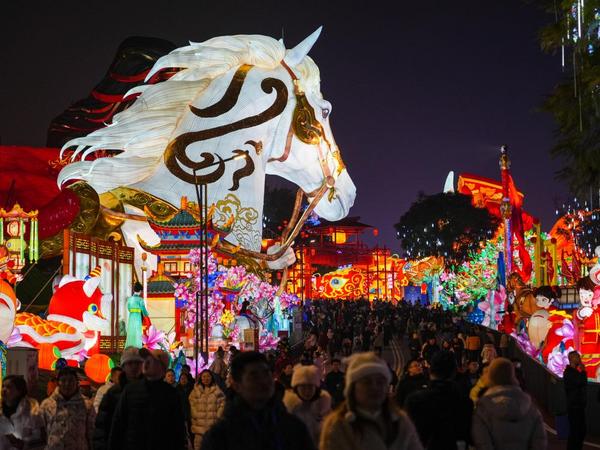
体育盛会加速三地融通 ——来自第十五届全国运动会的报道
Jing Ji Ri Bao· 2025-11-13 22:27
Core Viewpoint - The 15th National Games serves as a significant platform for showcasing the collaborative development of the Guangdong-Hong Kong-Macao Greater Bay Area, utilizing sports as a medium to enhance cultural integration and economic growth [1][2]. Group 1: Event Impact and Economic Growth - The cross-border cycling event marked a historic moment as the first competition to take place across borders, showcasing innovative practices in "no-sense" customs clearance, which sets a foundation for future cross-border cultural and commercial activities [2][3]. - During the event, hotel bookings in cities along the route surged, particularly in Zhuhai and Hong Kong, indicating a significant increase in tourism and consumer spending, with many spectators choosing to extend their stay for leisure activities [2][3]. - Major shopping malls and dining areas in core cities of the Greater Bay Area experienced an average foot traffic increase of over 20% on weekends and event days, highlighting the event's role in stimulating local economies [3][4]. Group 2: Cultural and Tourism Integration - The event has catalyzed the integration of culture, sports, commerce, and tourism in the Greater Bay Area, with many attendees opting for cross-border day trips that exemplify the region's vibrant tourism model [4][5]. - Initiatives such as "ticket root discounts" and special offers for visitors from Hong Kong and Macau have been introduced to enhance the tourism experience, showcasing the area's commitment to leveraging the event for economic and social benefits [4][5]. - The introduction of themed cycling routes and comprehensive tourism services during the event reflects a strategic approach to enhance visitor engagement and promote local attractions [5][6]. Group 3: Cultural Identity and Community Engagement - The event has fostered cultural identity and community cohesion, with participants from Guangdong, Hong Kong, and Macau collaborating in performances that symbolize regional unity [7][8]. - The incorporation of cultural elements into the event, such as mascots and awards that reflect local heritage, has strengthened emotional connections among residents and participants [7][8]. - The 15th National Games serves as a platform for cultural exchange and innovation, promoting a shared vision for the Greater Bay Area's future [7][8]. Group 4: Commercial Opportunities and Brand Development - The event has attracted numerous enterprises to engage in sponsorship and marketing, enhancing the commercial value of the games and promoting regional cultural industries [8]. - The integration of local cultural symbols into official merchandise has effectively contributed to the promotion of the region's image and stimulated consumer interest [8]. - The collaborative efforts during the event have created a reusable framework for cultural and economic development, showcasing the potential for sustained growth in the Greater Bay Area [8].
2025CFC国民体能赛巡回赛上海站收官
Zhong Guo Xin Wen Wang· 2025-10-14 06:23
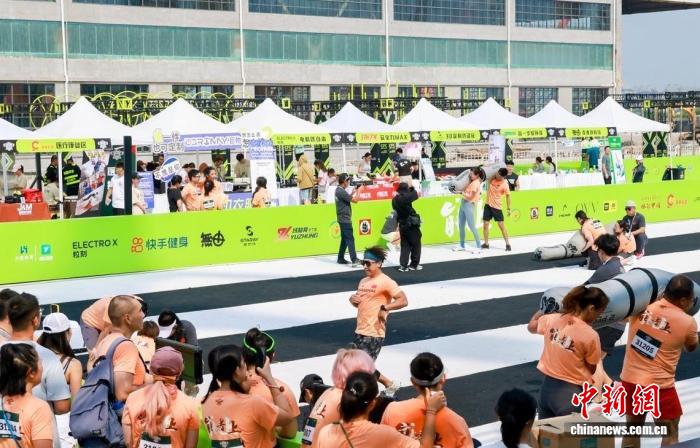
Core Insights - The 2025 CFC National Fitness Competition concluded its Shanghai leg, attracting fitness elites and enthusiasts from across the country, resulting in multiple award winners across various categories [1][2] Group 1: Event Overview - The CFC National Fitness Competition combines fitness training with outdoor scenarios, targeting the "Z generation" social lifestyle and aiming to engage a new generation of young people [1] - The event featured individual competitions in women's and men's open and elite categories, as well as mixed doubles team competitions, with the "Wanshi Qingsong" team winning the championship [2] Group 2: Innovation and Engagement - A participant noted that the CFC National Fitness Competition is not just a competitive event but also emphasizes innovative formats and diverse project designs, promoting "national fitness" as a sustainable lifestyle [4] - This year's competition introduced a "cultural, sports, and tourism integration" model, featuring interactive exhibition areas and experience zones for participants and spectators to engage with professional sports equipment and trendy fitness products [4] Group 3: Future Development - The organizers plan to continue promoting national fitness events across the country, fostering the integration of sports with culture, tourism, and consumption, thereby supporting the development of national fitness and health [4]