
新保守主义

Search documents
明尼阿波利斯枪声背后:美国保守主义谱系与特朗普的执政理念
Xin Lang Cai Jing· 2026-01-27 00:11
Core Viewpoint - The article discusses the resurgence of protests in Minneapolis following immigration enforcement shootings, highlighting the controversial nature of Trump's immigration policies and the broader implications for American political dynamics [2][6]. Group 1: Immigration Policy and Public Response - The shooting of Alex Preti on January 24 and the earlier death of Reign Nicole Good on January 7 by ICE agents sparked nationwide protests against Trump's immigration policies, marking the third major anti-government demonstration since his presidency began [2]. - The protests were characterized by the slogan "No King," reflecting a historical resistance to authority and a critique of Trump's governance style [2]. Group 2: Historical Context of American Conservatism - American conservatism has evolved through various phases, with anti-communism becoming a key pillar during the Cold War, emphasizing free market economics, traditional values, and opposition to communism [3][4]. - William Buckley, a significant figure in modern conservatism, integrated these elements into a cohesive ideology, which faced challenges during the 1960s and 70s due to social upheaval and the civil rights movement [3][4]. Group 3: The Rise of Neoconservatism - The emergence of neoconservatism in the 1970s, characterized by a reaction against liberal welfare policies and radical civil rights stances, marked a shift in conservative thought, leading to a more interventionist foreign policy under George W. Bush [5][6]. - Bush's administration emphasized unilateral military action and government intervention, contrasting with earlier conservative approaches that favored limited government [5]. Group 4: Trump's Unique Position in Conservatism - Trump represents a departure from traditional conservatism, embodying a populist approach that prioritizes domestic interests and challenges established political norms [6][7]. - His administration's policies, including strict immigration enforcement and trade protectionism, reflect a shift towards a more nationalist and pragmatic form of governance, diverging from the idealistic tenets of neoconservatism [7][8]. Group 5: The Impact of Trump's Governance - Trump's presidency has seen an unprecedented expansion of executive power, undermining traditional checks and balances and altering the landscape of American conservatism [9][10]. - The article posits that Trump's influence will leave a lasting mark on American politics, raising questions about the future trajectory of the nation amidst rising populism and nationalism [10].

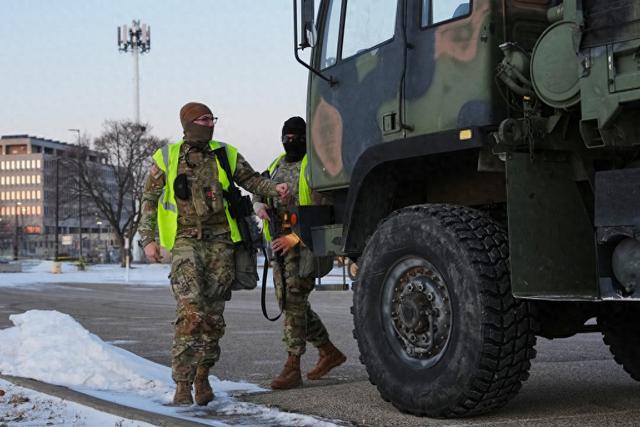
学者解读委内瑞拉事件:门罗主义的回归和变异丨晚点周末
晚点LatePost· 2026-01-11 15:02
Core Viewpoint - The article discusses the shift in U.S. foreign policy under President Trump, emphasizing a return to a 19th-century doctrine of American dominance in the Western Hemisphere, termed "Donroe Doctrine" [5][10][20]. Group 1: U.S. Foreign Policy and Monroe Doctrine - Trump's actions in Venezuela reflect a revival of the Monroe Doctrine, focusing on U.S. interests and power rather than promoting democracy [4][5]. - The U.S. military's approach to Venezuela involved a significant naval presence and legal preparations, indicating a strategic shift towards direct intervention [9][10]. - The new U.S. National Security Strategy prioritizes the Western Hemisphere, marking a clear focus on regional dominance [10][11]. Group 2: Economic and Political Implications - The U.S. aims to regain economic benefits from Latin America, viewing it as a critical area for resource extraction and geopolitical influence [12][14]. - Trump's policies are seen as a response to perceived threats from China and other global powers, aiming to consolidate U.S. control in the region [12][14]. - The potential for U.S. intervention in other regions, such as Greenland and Iran, is discussed, highlighting the broader implications of Trump's foreign policy [39][40]. Group 3: Impact on China and Latin America - The article suggests that Trump's "New Monroe Doctrine" could complicate China's growing influence in Latin America, as the U.S. seeks to limit Chinese investments [40][41]. - Despite U.S. efforts, China's role as a major trade partner for many Latin American countries remains significant, indicating a complex economic landscape [41][42]. - The potential for increased caution among Latin American nations in their dealings with China is noted, as they navigate U.S. pressures [41].

最难开学季:赴美留学是镀金还是历险?
虎嗅APP· 2025-06-22 03:06
Core Viewpoint - The article discusses the challenges faced by Chinese students planning to study in the United States due to changing visa policies and the impact of the Trump administration's immigration stance on global education trends. It highlights a significant decline in Chinese students studying in the U.S., with many considering alternatives in Singapore and Hong Kong due to concerns over visa risks and costs [1][11]. Group 1: Visa Policy Changes - On May 27, 2025, the Trump administration announced a pause on new student visa appointments and expanded social media scrutiny for international students [1][5]. - On June 18, 2025, the administration resumed processing foreign student visas but required applicants to disclose their social media accounts, leading to concerns about privacy and the potential for visa denial based on social media activity [2][4]. - The F1 visa application process has become highly competitive, with students resorting to paying thousands for appointment slots due to limited availability [3][4]. Group 2: Decline in Chinese Students - Data shows that the number of Chinese students studying in the U.S. has significantly decreased, with India surpassing China as the largest source of international students in the U.S. [1][11]. - A survey indicated that the percentage of families reconsidering plans to study in the U.S. rose from 18% to 51.9% within a few months, reflecting growing concerns over U.S.-China relations and visa policies [11]. Group 3: Alternative Study Destinations - Many students, like Li Li, are considering universities in Singapore and Hong Kong as viable alternatives to U.S. institutions due to lower costs and fewer visa complications [8][10]. - The cost of studying at Harvard is significantly higher compared to institutions in Hong Kong and Singapore, prompting students to weigh their options carefully [10]. Group 4: Impact on Employment Opportunities - The Optional Practical Training (OPT) program, which allows international students to work in the U.S. post-graduation, remains uncertain, with fears that future policy changes could further diminish its value [9]. - The approval rate for H-1B work visas has become increasingly competitive, with only 11.7% of approved applicants being Chinese, compared to 72.3% from India [9]. Group 5: Broader Implications of Immigration Policies - The article suggests that the Trump administration's immigration policies may lead to a net outflow of immigrants from the U.S. for the first time in half a century, which could have profound effects on the labor market [13]. - The tightening of immigration policies has created a climate of fear among international students, affecting their daily lives and decisions regarding their studies and future in the U.S. [14].
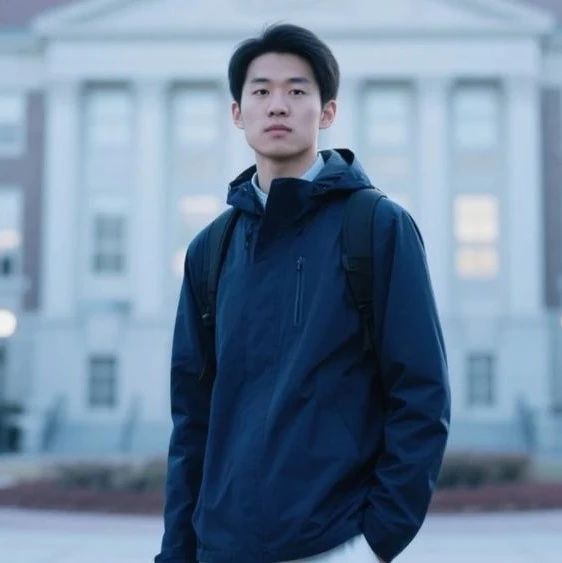
最难开学季:赴美留学是镀金还是历险?
Hu Xiu· 2025-06-21 04:02
Core Viewpoint - The article discusses the challenges and uncertainties faced by Chinese students planning to study in the United States, particularly in light of recent changes in U.S. visa policies and the declining attractiveness of U.S. institutions compared to alternatives in Singapore and Hong Kong [1][3][23]. Group 1: Visa Policy Changes - On May 27, the Trump administration announced a suspension of new student visa interview appointments and considered expanding social media scrutiny for international students [2][9]. - On June 18, the administration resumed processing foreign student visas but required applicants to disclose their social media accounts, leading to concerns about privacy and the implications of such scrutiny [4][5]. - The F1 visa application process has become increasingly competitive, with reports of students paying thousands for appointment slots due to high demand and limited availability [6][8]. Group 2: Declining Interest in U.S. Education - Data indicates a significant decline in the number of Chinese students studying in the U.S., with numbers dropping below 300,000 for the first time in 2022, and India surpassing China as the largest source of international students in the U.S. [23]. - A survey revealed that the percentage of families reconsidering plans to study in the U.S. rose from 18% to 51.9% within a few months, driven by concerns over U.S.-China relations, safety, and visa policies [24]. - The cost of studying in the U.S. has also increased, with average annual expenses rising by $10,000, making alternatives in Hong Kong and Singapore more appealing due to lower costs [21][23]. Group 3: Student Sentiments and Alternatives - Students like Liu Xi and Li Li express mixed feelings about their future in the U.S., with some considering alternatives like universities in Singapore and Hong Kong due to the uncertainties surrounding U.S. visa policies [3][14][18]. - The Optional Practical Training (OPT) program, which allows international students to work in the U.S. post-graduation, remains a significant factor in students' decisions, although concerns about the H-1B visa process have increased [19][20]. - Many students are now referring to themselves as "Harvard refugees," indicating a shift in sentiment and a growing trend towards seeking education in other countries [20][21].