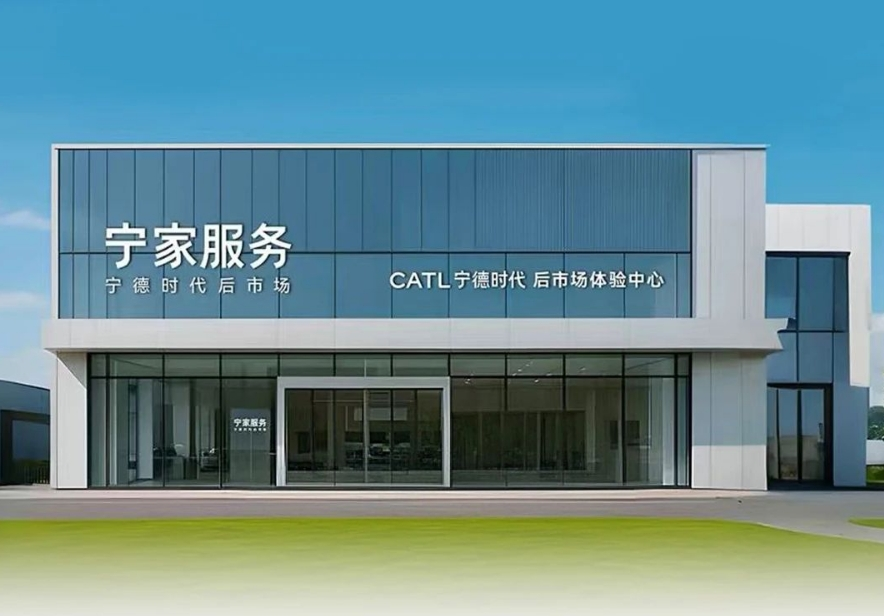
新能源汽车后市场

Search documents
新能源后市场:以融合创新和生态重构驱动价值跃升
Zhong Guo Qi Che Bao Wang· 2026-02-09 03:59
Core Insights - The automotive market in China is transitioning from a growth phase to a saturation phase, with a projected vehicle ownership of 366 million by 2025, including 43.97 million new energy vehicles [1] - The rise of the automotive aftermarket is supported by this transition, as evidenced by discussions at the 2026 New Energy Aftermarket New Ecology Conference in Chongqing [1] Group 1: Market Dynamics - The shift in focus from manufacturing to the aftermarket services is evident as the automotive market matures, particularly in Chongqing, which is positioning itself as a hub for smart connected new energy vehicles [3] - Chongqing's government is actively developing a modern manufacturing system and integrating the automotive supply chain, including components, vehicles, and aftermarket services [3][4] - The city is enhancing its vehicle maintenance and service capabilities, encouraging the establishment of service networks and improving digital service offerings [4] Group 2: Industry Opportunities - The expected increase in new energy vehicle ownership to over 120 million by the end of the 14th Five-Year Plan presents significant market opportunities, with the service industry projected to grow from 1.9 trillion yuan in 2024 to 5 trillion yuan by 2030 [6] - The automotive aftermarket is evolving to emphasize diverse revenue models, including maintenance and ancillary services, driven by consumer demand for cost-effective and convenient solutions [7][9] Group 3: Technological Integration - AI technology is anticipated to play a crucial role in transforming the automotive aftermarket, enabling smarter service delivery and operational efficiencies [8] - The integration of AI will facilitate the development of algorithm-driven services, enhancing user experience and operational capabilities in the aftermarket [8] Group 4: Regulatory and Policy Framework - The automotive modification industry is gaining traction, supported by evolving policies that shift from restrictive to supportive frameworks, thus fostering high-quality development [9][11] - The industry is expected to undergo significant restructuring in terms of policies, technology, and ecosystem collaboration to adapt to new market demands and technological advancements [11]

难、贵、乱,新能源车购车易养车烦
Xin Hua Wang· 2025-12-30 02:47
Core Insights - The penetration rate of new energy vehicles (NEVs) in China's passenger car market has exceeded 50% since March, with retail sales expected to reach approximately 1.38 million units in December, potentially surpassing a 60% penetration rate for the first time [1] - The rapid growth in NEV ownership is driving demand in the after-market sectors, including maintenance, charging, second-hand sales, insurance, and recycling, with projections indicating the after-market size could exceed 3.9 trillion yuan by 2027, growing at an average annual rate of 25% [1] - Despite the growth, challenges such as high maintenance costs, increasing insurance premiums, and inadequate after-market infrastructure are emerging as significant barriers to consumer satisfaction and industry development [1][2] After-Market Challenges - Consumers are facing high repair costs, with minor damages often leading to expenses exceeding 1,000 yuan, and core component repairs costing as much as half the price of a vehicle [1][2] - Insurance premiums for NEVs are rising, with estimates suggesting that the total insurance premium for NEVs will reach 200 billion yuan this year, a year-on-year increase of over 30% [2] - The lack of standardized battery health assessments and a fragmented recycling system are contributing to low acceptance rates for second-hand NEVs, with many consumers concerned about long-term asset value [3][4] Industry Transition and Opportunities - The transition from a policy-driven to a market-driven model in the NEV sector is creating a need for improved service standards and talent development in the after-market [4][5] - The industry is experiencing three main contradictions: the difficulty and high costs of repairs, the disparity between high insurance costs and low profitability for insurers, and the challenges in battery recycling [6][9] - The after-market for NEVs is characterized by a lack of integration between traditional repair services and the new technology-driven requirements of NEVs, leading to a need for collaboration and innovation among industry players [11][12] Future Directions - Experts suggest that the future repair market must be open and competitive, with manufacturers taking on the role of technology enablers and ecosystem leaders [12] - There is a call for the establishment of transparent regulatory frameworks and local standards for battery health assessments to enhance consumer trust and streamline after-market services [13] - The growth of NEVs is seen as a critical step for China in transitioning from a major automotive market to a strong automotive nation, with after-market reforms being essential for both industry growth and consumer satisfaction [13]
特斯拉国产Model Y长续航后驱版开售;本田下调电动车销售占比目标
Mei Ri Jing Ji Xin Wen· 2025-11-09 23:05
Group 1 - Tuhu Car is collaborating with Huawei to explore "automatic car washing," allowing vehicles to autonomously drive to wash stations without owner intervention, enhancing service automation and digitalization in the automotive aftermarket [1] - Honda has lowered its electric vehicle sales target for 2030 from 30% to 20% and is pausing the development of certain EV models, indicating a shift in strategy amid a global market adjustment [2] - Tesla has launched the long-range rear-wheel-drive version of Model Y in China, priced at 288,500 yuan, which is expected to enhance its market competitiveness and challenge rivals in the 250,000 to 300,000 yuan segment [3] Group 2 - The auction volume of new energy vehicles in China increased by 52.6% in the first three quarters of the year, driven by strong sales and trade-in policies, indicating a growing second-hand market and improved lifecycle value for EVs [4] - The rapid growth of the second-hand EV auction market reflects the maturation of the entire lifecycle value system for new energy vehicles, with implications for brand value and opportunities in battery recycling and certification services [4]


8月新能源渗透率创年内新高 龙头企业抢滩万亿后市场蓝海
Zhong Guo Jing Ying Bao· 2025-09-28 02:45
Core Insights - The automotive aftermarket in China is experiencing significant changes due to the increasing penetration of new energy vehicles (NEVs), with a retail penetration rate of 55.2% in August, up 1.5 percentage points year-on-year, marking a new high for the year [1] - The total scale of China's automotive aftermarket is projected to reach 1.9 trillion yuan by 2025, with an average compound annual growth rate of 5% from 2022 to 2025 [2] - The market for NEV aftermarket services is expected to grow rapidly, with the maintenance and repair service sector projected to reach 229.3 billion yuan in 2024, reflecting a year-on-year growth of 25.1% [3] Industry Trends - The number of NEVs in China has surpassed 36 million and continues to grow, indicating a forthcoming explosion in the NEV aftermarket [1] - The average age of passenger vehicles in China has reached 6.8 years, with a high willingness among owners of vehicles aged 4-9 years to enter the independent aftermarket [3] - The user base for NEV transactions on platforms like Tuhu has grown significantly, with a reported 340 million users in the previous year, representing an 83.5% increase [3] Challenges in the Market - The automotive maintenance and repair industry faces challenges such as insufficient price transparency, additional charges, and a need for improved digital service experiences [4] - There is a significant talent gap in the industry, particularly regarding the professional skills required for NEV after-sales services [4] - The industry is experiencing issues with service quality, including unclear service project communication and price transparency, which negatively impacts consumer trust [4] Company Strategies - Tuhu is focusing on digitalization and standardization to address industry challenges and is replicating its successful operational model from the fuel vehicle market to the NEV sector [4][5] - Tuhu has established a closed-loop service model for NEVs, covering detection, repair, and ancillary services, and has partnered with 16 battery manufacturers for warranty and out-of-warranty repairs [5] - Tuhu's franchise model offers a net profit-sharing approach, reducing financial pressure on new stores during their initial operating period [5]
2000万辆新能源车,将带动3.9万亿元后市场?多方混战!|人民智行
Zheng Quan Shi Bao Wang· 2025-09-25 02:46
Core Insights - The core viewpoint of the articles is that the after-market for electric vehicles (EVs) is rapidly emerging as a significant growth area, driven by increasing vehicle ownership and evolving consumer demands for maintenance and services related to the "three electric systems" [1][5][7]. Group 1: Market Dynamics - The after-market for EVs is characterized by a shift from traditional fuel vehicle maintenance, focusing on the "three electric systems" (battery, motor, and electronic control) [1][3]. - The number of electric vehicles in China has surpassed 20 million, creating a robust demand for after-market services [5]. - The after-market is expected to grow significantly, with projections indicating a total market size exceeding 1.9 trillion yuan by 2024 and potentially reaching 3.9 trillion yuan by 2027, with an average annual growth rate of 25% [5][6]. Group 2: Industry Participants - Various participants are entering the EV after-market, including parts suppliers, repair service providers, and battery manufacturers, with a notable trend towards direct sales and service models from new car manufacturers [2][3]. - Major manufacturers like Tesla are establishing direct service centers to provide comprehensive maintenance services, reflecting a shift in consumer expectations for timely and specialized repairs [3][4]. - Battery manufacturers are increasingly involved in after-market services, offering battery maintenance, recycling, and second-life applications, which are critical given the high value and technical complexity of battery systems [3][4]. Group 3: Challenges and Opportunities - The EV after-market remains fragmented, with low industry concentration and varying service quality, leading to challenges for consumers in accessing reliable and transparent repair options [7][8]. - There is a growing need for skilled technicians in the EV sector, particularly those trained in the maintenance of the "three electric systems" and related technologies [8][9]. - Industry experts suggest that establishing standards and improving data access for independent repair shops could enhance service quality and consumer choice in the EV after-market [8][9].
多方混战新能源汽车后市场 配件流通网络亟待完善
Zheng Quan Shi Bao· 2025-09-24 19:16
Core Insights - The core viewpoint of the articles is that the after-market for electric vehicles (EVs) is rapidly emerging as a significant growth area, driven by increasing vehicle ownership and evolving consumer demands for maintenance and services related to the "three electric systems" [1][5][6]. Group 1: Market Dynamics - The number of electric vehicles in China has surpassed 20 million, creating a robust demand for after-market services [5]. - The after-market for EVs is characterized by a diverse range of participants, including traditional repair shops, dealerships, and new direct sales models introduced by emerging car manufacturers [2][3]. - The after-market is expected to grow significantly, with projections indicating a total market size exceeding 1.9 trillion yuan by 2024 and potentially reaching 3.9 trillion yuan by 2027, with an average annual growth rate of 25% [5][6]. Group 2: Key Players and Services - Major manufacturers, such as Tesla, are establishing direct service centers to provide comprehensive maintenance services, including battery repairs and bodywork [3][4]. - Battery manufacturers are also entering the after-market space, offering services like battery testing, maintenance, and recycling, which are critical given that batteries account for approximately 40% of the vehicle's value [3][4]. - The after-market is increasingly focusing on high-value services related to the three electric systems, with a growing emphasis on the need for specialized skills and technology [8]. Group 3: Challenges and Opportunities - The current after-market landscape is fragmented, with low industry concentration and varying service quality, leading to challenges for consumers in accessing reliable and cost-effective services [7][8]. - There is a notable skills gap in the workforce, as the demand for technicians with expertise in electric systems and digital services is rising, necessitating collaboration between manufacturers and educational institutions to develop specialized training programs [8][9]. - The government is actively promoting policies to support the development of the after-market, including initiatives to enhance recycling and the overall lifecycle management of vehicles [5][6].

多方混战新能源汽车后市场配件流通网络亟待完善
Zheng Quan Shi Bao· 2025-09-24 18:09
Core Insights - The core viewpoint of the articles is that the after-market for electric vehicles (EVs) is rapidly emerging as a significant growth area, driven by increasing vehicle ownership, policy support, and evolving consumer demands for maintenance and services related to the "three electric systems" [1][4][5]. Market Dynamics - The after-market for EVs is characterized by a shift from traditional fuel vehicle maintenance, focusing on the "three electric systems" (battery, motor, and electronic control) [1][3]. - The number of electric vehicles in China has surpassed 20 million, creating a robust demand for after-market services [4]. - The after-market is becoming increasingly competitive, with various players including manufacturers, battery companies, and third-party service providers entering the space [1][2]. Policy and Growth Projections - The Ministry of Commerce is working to eliminate restrictive measures in the after-market, which is expected to unleash consumer potential [1][4]. - According to a report by CCID Consulting, the total scale of China's EV after-market is projected to exceed 1.9 trillion yuan (approximately 290 billion USD) by 2024, with a forecasted growth rate of 25% annually, potentially reaching 3.9 trillion yuan (approximately 580 billion USD) by 2027 [4][5]. Service and Technology Trends - New energy vehicle manufacturers are increasingly focusing on after-market services, including battery maintenance and repair, to lock in customers and create additional revenue streams [2][3]. - The complexity of the "three electric systems" requires specialized knowledge and technology, leading to a demand for skilled technicians in the after-market [6][7]. Challenges and Recommendations - The after-market remains fragmented with low industry concentration, and many independent service providers struggle to access critical data and technology from manufacturers [6][7]. - There is a need for industry standards to facilitate data sharing and improve service quality, as well as collaboration between manufacturers and educational institutions to address the skills gap [7][8].
途虎(09690)养车参加泰达论坛:新能源用户增超80% 领跑汽车后市场
智通财经网· 2025-09-12 14:31
Group 1 - The core viewpoint of the article highlights the growth and strategic positioning of Tuhu Car Maintenance in the new energy vehicle (NEV) aftermarket, emphasizing its innovative service offerings and market leadership [1][3]. - As of June 2025, Tuhu Car Maintenance has established over 7,200 service centers and has 150 million registered users, with 3.4 million users specifically for NEV transactions, reflecting an 83.5% year-on-year growth [3]. - Tuhu Car Maintenance is focusing on developing specialized products for NEV owners, including exclusive tires for electric vehicles, dedicated engine oil for extended-range hybrid vehicles, and high-signal penetration films to address smart driving signal interference [3]. Group 2 - The automotive repair industry faces a significant talent gap, with 80% of the shortage attributed to the need for NEV after-sales personnel. Tuhu Car Maintenance has established a comprehensive training system for NEV technicians, combining online and offline training [4]. - Tuhu Car Maintenance aims to enhance collaboration across the entire industry chain, positioning itself as an independent third-party service platform that complements the after-sales capabilities of vehicle and battery manufacturers [4]. - The continuous increase in NEV ownership presents new opportunities for Tuhu Car Maintenance, which is working to provide replicable service models to address supply-demand matching challenges in the burgeoning aftermarket [4].
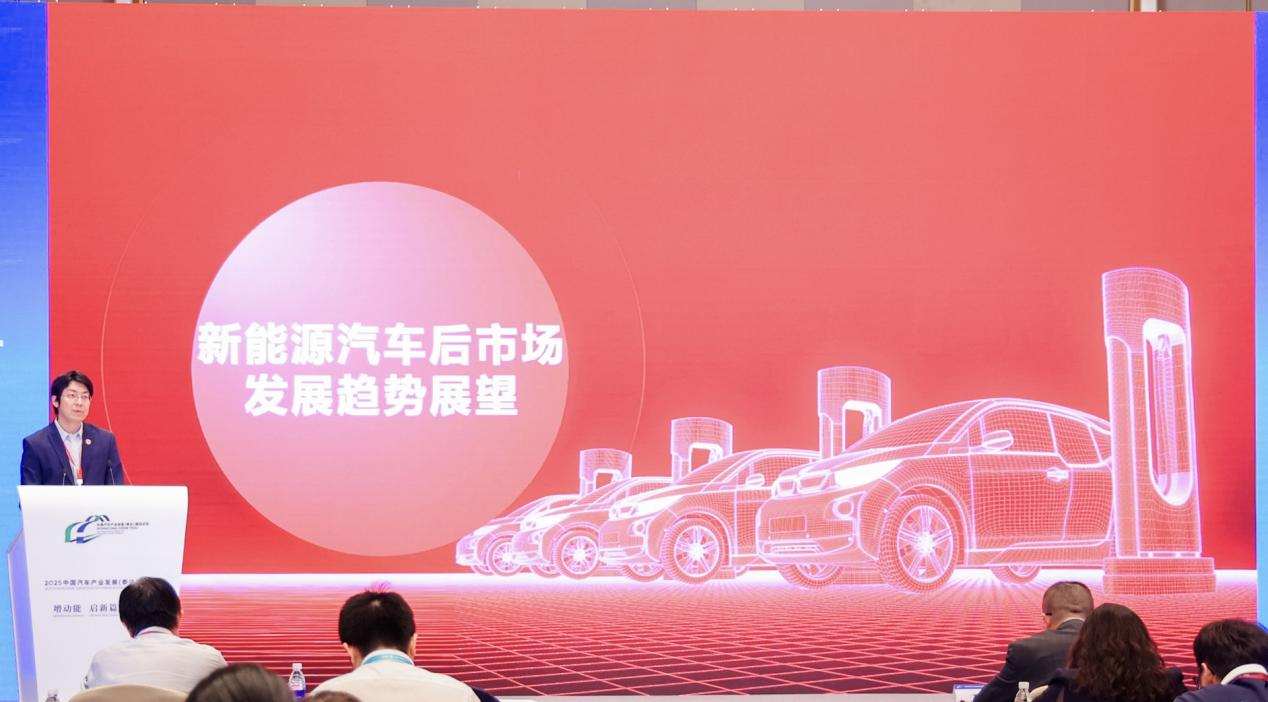
途虎养车参加泰达论坛:新能源用户增超80% 领跑汽车后市场
Zhi Tong Cai Jing· 2025-09-12 14:30
Core Insights - The forum highlighted the growth and transformation of the automotive aftermarket, particularly in the context of new energy vehicles (NEVs) [1] - Tuhu Car Service is positioning itself as a leader in the NEV aftermarket by enhancing its service capabilities and product offerings [3][4] Group 1: Industry Overview - The number of NEVs in China has surpassed 36 million, indicating a significant growth opportunity in the NEV aftermarket [3] - Tuhu Car Service has established over 7,200 service centers and has 150 million registered users, with 3.4 million users specifically for NEV transactions, reflecting an 83.5% year-on-year growth [3] Group 2: Product Development and Innovation - Tuhu Car Service is focusing on developing specialized products for NEV owners, including exclusive tires designed for electric vehicles and dedicated engine oils for hybrid vehicles [3] - The company is also collaborating with well-known brands to create solutions that address specific challenges faced by NEV users, such as signal interference for smart driving [3] Group 3: Talent Development and Training - There is a significant talent gap in the automotive repair industry, with 80% of the shortage being in NEV after-sales service personnel [4] - Tuhu Car Service has implemented a comprehensive training system for NEV technicians, with over 800 certified low-voltage electricians and more than 4,000 technicians receiving NEV technology training [4] Group 4: Strategic Positioning and Market Opportunities - Tuhu Car Service aims to enhance collaboration across the entire industry chain, positioning itself as an independent third-party service platform to support automakers and battery companies in after-sales service [4] - The company's full-chain layout is designed to provide replicable service models, addressing the supply-demand mismatch in the rapidly growing NEV aftermarket [4]
换电池比买车贵?“宁德时代们”下场寻突破,新能源后市场开启万亿蛋糕争夺战
Mei Ri Jing Ji Xin Wen· 2025-08-14 03:33
Core Insights - The rising costs of battery replacement for electric vehicles (EVs) are becoming a significant concern, with reports indicating that battery replacement can exceed the cost of the vehicle itself [1][2] - The complexity of battery technology and the high costs associated with production and repair are key factors driving these expenses [2][5] - The aftermarket for EVs is seen as a new blue ocean market, with various players, including battery manufacturers and third-party service providers, vying for market share [1][12] Group 1: Battery Replacement Costs - The average replacement cost for a battery pack in a 200,000 yuan EV can exceed 100,000 yuan, representing a significant portion of the vehicle's value [1] - The production cost for after-sales battery packs can be three times higher than normal production costs due to the need for specialized production lines [2] - The trend towards higher energy density in batteries complicates repairs, often leading to a "replace rather than repair" mentality [2][5] Group 2: Aftermarket Services - Many manufacturers offer extended warranty services, but these often come with limitations and are primarily available to the first owner of the vehicle [3][12] - Ningde Times has launched its own aftermarket brand, Ningjia Service, to address repair needs outside of warranty coverage, offering services such as battery testing and recycling [3][4] - The company is also working on standardizing repair processes and collaborating with insurance companies to develop tailored insurance products for EVs [14] Group 3: Market Dynamics - The Chinese EV aftermarket is projected to exceed 1.9 trillion yuan in 2024, with an expected annual growth rate of 25% [13] - New regulations are set to enhance the safety and maintenance standards for EVs, which will likely increase demand for battery repair services [13] - The competitive landscape is evolving, with various stakeholders, including manufacturers and service providers, seeking to establish a foothold in this rapidly growing market [12][14]