新能源汽车安全标准

Search documents
标准升级促汽车安全与质量提升
Jing Ji Ri Bao· 2026-02-13 22:01
Group 1 - The Ministry of Industry and Information Technology has released a mandatory national standard for automotive door handle safety, which will take effect on January 1, 2027. This is the world's first mandatory safety standard specifically for automotive door handles, aimed at addressing issues such as difficulty in operating external door handles and failures in certain scenarios [1] - The automotive industry in China has shown strong resilience and vitality, with production and sales expected to reach new highs in 2025, achieving 34.53 million and 34.40 million units respectively. Notably, the production and sales of new energy vehicles (NEVs) have exceeded 16 million, with a domestic market penetration rate of 50.8% [2] - The newly revised mandatory standard for electric vehicle power batteries will be implemented on July 1, 2026. This standard includes enhanced safety requirements and testing scenarios, which will compel companies to upgrade their technology comprehensively [3] Group 2 - The implementation and upgrading of a series of mandatory national standards will enhance the safety and quality levels of China's new energy vehicles, solidifying the competitive advantage of the industry. In the era of traditional fuel vehicles, China was a follower, but in the era of smart electric vehicles, it aims to be a leader in setting new automotive technology regulatory rules [4]
雷军称新SU7门把手符合新国标!解决低温失灵、故障率高等问题!
Sou Hu Cai Jing· 2026-02-11 10:39
Group 1 - The core point of the article highlights the significance of Xiaomi's new generation SU7 door handle design, which is expected to set a new safety standard in the electric vehicle industry [1][3] - Xiaomi's founder Lei Jun demonstrated the new door handle design during a live stream, emphasizing that it has been developed to meet the national mandatory standards that will be implemented in 2027 [3][7] - The new national standard, announced by the Ministry of Industry and Information Technology, mandates that every car door must have at least one mechanical release handle to ensure safety in extreme conditions [5][9] Group 2 - The new design of the SU7 door handle includes a mechanical redundancy structure to address issues such as failure in low-temperature environments, which have raised consumer concerns [7][9] - The standard specifies that the external door handle must provide approximately 30 cubic centimeters of hand operation space, and the internal handle must be clearly marked and positioned [7] - The modification of the door handle design is extensive, affecting the entire locking module and requiring significant testing, reflecting Xiaomi's commitment to consumer safety [11]


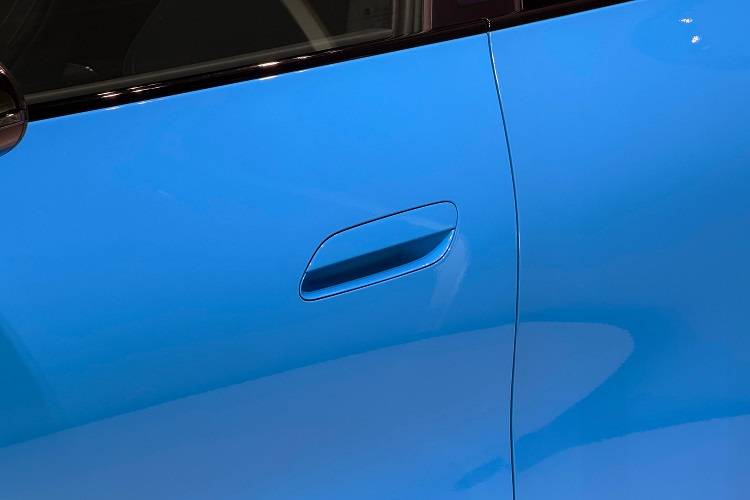
雷军直播称新SU7门把手符合新国标!解决低温失灵、故障率高等问题!
Xin Lang Cai Jing· 2026-02-11 10:16
Core Viewpoint - The new generation of Xiaomi SU7's door handle design, which includes a mechanical redundancy feature, is set to comply with the upcoming national safety standards effective from January 1, 2027, marking a significant milestone in automotive safety standards for electric vehicles [1][2][3]. Group 1: New Generation SU7 Features - The new SU7 features a hidden door handle design with an added mechanical redundancy structure to address issues of failure in low-temperature environments [2][3]. - This design change is described as a comprehensive upgrade, indicating a significant evolution in the vehicle's overall design and functionality [1][2]. Group 2: National Standards and Industry Impact - The Ministry of Industry and Information Technology announced that the mandatory national standard for automotive door handle safety will be implemented in 2027, which will phase out fully hidden door handles in China, making it the first country to do so [3]. - The new standard requires each car door to have at least one mechanical release handle to ensure manual operation in case of power failure, thus enhancing safety [3][4]. Group 3: Consumer Concerns and Company Responsibility - There have been consumer concerns regarding hidden door handles freezing in cold weather, leading to difficulties in opening the doors, which this new design aims to mitigate [4]. - The modification involves significant changes to the door locking mechanism and the overall door design, reflecting the company's commitment to addressing safety concerns and being responsible to consumers [4].
筑牢安全标准基石,护航新能源汽车高质量“出海”
Xin Hua Cai Jing· 2025-12-30 01:11
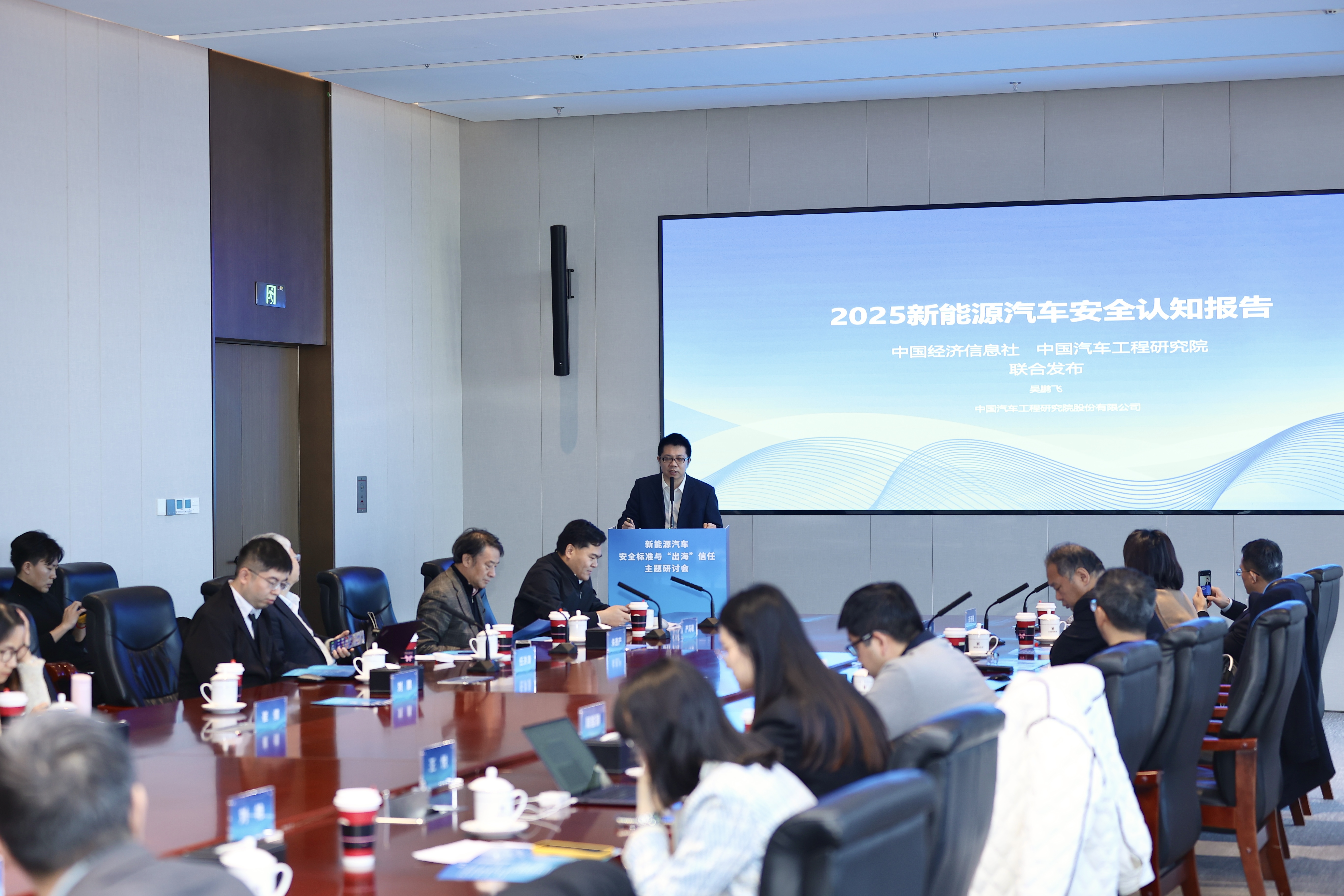
Core Insights - The Chinese electric vehicle (EV) industry is experiencing rapid growth, leading the global market in production and sales, while facing new challenges related to vehicle safety and international expansion [1] - Safety is identified as the fundamental basis for establishing long-term trust in both domestic and international markets, necessitating the development of a comprehensive safety standard system [1][2] Group 1: Safety Standards and Innovations - The urgency for innovation in safety standards is emphasized, particularly in response to new risks such as vehicle fires, autonomous driving failures, and data security issues [2] - By 2025, over ten technical safety standards covering areas like battery safety, vehicle safety, and intelligent connectivity are expected to be proposed [2] - Experts stress the need for a legal and regulatory framework that keeps pace with technological advancements, particularly in areas like software updates and cybersecurity [2][3] Group 2: Consumer Awareness and Trust - Consumer safety perception is a critical factor influencing trust and brand reputation, with safety incidents potentially damaging market sales [4] - The need to address information asymmetry between manufacturers and consumers is highlighted, advocating for greater transparency in communication regarding safety features [4] - Experts recommend that manufacturers update their messaging to focus on new safety concerns relevant to the electric and intelligent vehicle era, such as battery safety and software reliability [4] Group 3: International Expansion and Collaboration - The international expansion of the Chinese EV industry is seen as a vital growth area, with experts suggesting strategies for enhancing overseas operations and local compliance [5] - Recommendations include embedding international standards into the design phase of vehicles and promoting mutual recognition of standards to enhance the global influence of Chinese automotive standards [5] - The importance of collaboration among government and industry stakeholders to protect overseas interests and improve service capabilities in the aftermarket is emphasized [5][6]
筑牢安全标准基石 护航新能源汽车高质量“出海”
Xin Hua Cai Jing· 2025-12-29 15:38
Core Viewpoint - The Chinese electric vehicle (EV) industry is experiencing rapid growth, leading the global market in production and sales, while facing new challenges related to vehicle safety and international expansion [1][5]. Group 1: Safety Standards and Innovations - The safety of electric vehicles is a critical issue affecting consumer trust and corporate viability, with new risks such as vehicle fires, autonomous driving failures, and data security gaining public attention [5][6]. - A comprehensive safety standard system is being developed, with over ten technical safety standards expected to be released by 2025, covering areas such as power batteries, vehicle safety, and intelligent connectivity [5][6]. - Experts emphasize the urgency of innovating safety standards to address new risks, particularly in software updates and cybersecurity, advocating for a legal framework that keeps pace with technological advancements [5][6]. Group 2: Consumer Trust and Information Transparency - A report indicates that consumer safety perception significantly impacts brand reputation and sales, highlighting the need for a robust quality safety system that requires societal collaboration [7]. - Experts suggest that the current public safety concerns stem from information asymmetry between manufacturers and consumers, advocating for enhanced transparency and consumer rights [7]. - The communication strategy of automotive companies should evolve to emphasize battery safety, software functionality, and data security, reflecting the shift towards intelligent electric vehicles [7]. Group 3: International Expansion and Local Adaptation - The international expansion of the Chinese EV industry is seen as a crucial growth area, necessitating a complete supply chain approach, particularly in after-sales service [8][9]. - Experts recommend integrating global standards and regulations into the design phase of EVs to enhance adaptability for different markets, including safety and environmental standards [8][9]. - The conference featured discussions on battery safety management and the adaptation of communication networks for overseas operations, with industry leaders sharing insights on their international experiences [9].
新能源车销量占比首次过半,传递三个信息
Ren Min Ri Bao· 2025-11-26 01:35
Core Insights - In October, China's new energy vehicle (NEV) sales reached 1.715 million units, marking a 20% year-on-year increase, with NEVs accounting for 51.6% of total monthly car sales, surpassing 50% for the first time [1] Group 1: NEV Market Dynamics - The continuous supply of new passenger car models and ongoing technological upgrades are driving NEV sales [1] - The rapid increase in NEV sales is supported by a robust R&D, supply chain, and smart manufacturing system, enabling a significant number of new model launches [1] - In October, the market share of new energy passenger vehicles rose to 54.9% [1] Group 2: Commercial Vehicle Electrification - The market share of new energy commercial vehicles is projected to be 14.9% in 2024, with a current share of 20.7% from January to October this year [2] - The popularity of new energy commercial vehicles is bolstered by expanded subsidies for scrapping old diesel trucks and advancements in battery technology [2] - The ongoing development of charging infrastructure supports the growth of new energy commercial vehicles [2] Group 3: Industry Transformation and Safety Standards - The surpassing of fuel vehicle sales by NEVs presents new challenges for the automotive industry's electrification and intelligent transformation [3] - The industry is encouraged to innovate in product forms, manufacturing processes, and operational models to maintain its global leading position [3] - There is an urgent need to enhance safety standards as over half of new vehicles are electrified, with new national standards being developed to address safety concerns [4] - The focus is shifting towards safety, technology, value, and experience in competition, moving away from mere acceleration and cost-cutting [4]
以严格标准为新能源汽车设定更高“安全阀”
Di Yi Cai Jing Zi Xun· 2025-11-14 02:21
Core Viewpoint - The Ministry of Public Security has drafted the "Technical Conditions for Motor Vehicle Operation Safety (Draft for Comments)" to replace the existing 2017 GB 7258 national standard, aiming to enhance safety standards for new energy vehicles (NEVs) in response to their rapid growth and associated safety concerns [2][3]. Group 1: New Regulations and Safety Standards - The draft includes new regulations addressing critical issues such as speed limits, battery protection, intelligent driving standards, and emergency escape designs, reflecting public demand and industry focus [3][4]. - The transition period before the draft's official implementation allows automotive companies to adapt their technical designs to meet the updated standards, which are mandatory for vehicle safety inspections [3][5]. Group 2: Addressing Safety Hazards - Companies are urged to take immediate remedial actions for existing and potential safety hazards in their products, as recent recalls highlight the need for improved safety responsibility among manufacturers [5][6]. - The revision of the "Defective Automobile Product Recall Management Regulations" aims to enhance monitoring and compel companies to self-audit for safety compliance [5]. Group 3: Marketing and Public Perception - There is a call for stricter regulation of exaggerated marketing claims in the NEV sector, as misleading advertisements can contribute to safety risks [5][6]. - The industry is encouraged to prioritize safety as the best technology and adhere to high standards to ensure quality, with the draft serving as a framework for establishing a higher safety threshold for NEVs [6].
以严格标准为新能源汽车设定更高“安全阀”
第一财经· 2025-11-14 02:08
Core Viewpoint - The article discusses the release of the draft "Technical Conditions for Motor Vehicle Operation Safety" by the Ministry of Public Security, which aims to replace the outdated 2017 GB 7258 standard, particularly in light of the rapid development of new energy vehicles (NEVs) and the associated safety concerns [3][4]. Group 1: New Regulations and Safety Standards - The draft proposes new regulations addressing critical issues such as speed limits, battery protection, intelligent driving standards, and emergency exit designs, reflecting public demand and industry needs [4]. - The current GB 7258 standard is deemed inadequate for the evolving landscape of NEVs, necessitating an upgrade to enhance safety standards and public confidence [3][6]. Group 2: Industry Response and Responsibilities - Automotive companies are given a "buffer period" to adapt to the new standards before they are officially implemented, emphasizing the need for proactive measures [5]. - Companies must address existing and potential safety hazards in their products promptly, as the revised standards highlight current shortcomings in NEV technology [8][7]. Group 3: Recall Management and Accountability - The article mentions the need for improved recall management regulations to enhance monitoring and compel companies to self-audit, thereby ensuring consumer safety [9]. - There is an emphasis on the importance of responsible corporate behavior, urging companies to take corrective actions rather than deflecting blame in the event of accidents [9]. Group 4: Marketing and Communication Standards - The article calls for the cessation of exaggerated claims in NEV marketing, which can mislead consumers and pose safety risks [10][11]. - Strengthening oversight of advertising and promotional activities is essential to prevent misleading information and ensure consumer safety [12].
壹快评|以严格标准为新能源汽车设定更高“安全阀”
Di Yi Cai Jing· 2025-11-14 01:09
Core Viewpoint - The Ministry of Public Security has drafted the "Technical Conditions for Motor Vehicle Operation Safety (Draft for Comments)" to replace the existing 2017 GB 7258 national standard, aiming to enhance safety requirements for new energy vehicles (NEVs) in response to their rapid growth and associated safety concerns [1][2]. Group 1: New Regulations and Industry Response - The draft includes new regulations addressing critical issues such as speed limits, battery protection, intelligent driving standards, and emergency exit designs, reflecting public demand and industry focus [2]. - There is a "buffer period" for automotive companies to adapt to the new standards before they are officially implemented, allowing time for necessary adjustments [2]. Group 2: Technical Design and Compliance - Companies must promptly improve their technical designs in accordance with the new standards outlined in the draft, as GB 7258 is a crucial part of China's mandatory safety standards for motor vehicles [3]. - The new standards highlight existing shortcomings in the technical design of NEVs, necessitating swift action from manufacturers to align with these updates [3]. Group 3: Addressing Safety Hazards - Companies are urged to take immediate remedial actions for existing and potential safety hazards in their products, as recent recalls indicate a growing awareness of safety responsibilities among manufacturers [4]. - The revision of the "Defective Automobile Product Recall Management Regulations" aims to enhance monitoring and compel companies to self-inspect, thereby creating a safety net for NEVs [4]. Group 4: Marketing and Advertising Practices - There is a need to curb exaggerated claims in the NEV sector, as some manufacturers make unrealistic promises that could compromise safety [5]. - Strengthening oversight of advertising and promotional activities is essential to prevent misleading information that could exacerbate safety risks in the industry [5]. Group 5: Industry Principles and Standards - The automotive industry is becoming a pillar of the Chinese economy, with NEVs playing an increasingly significant role, emphasizing that safety is paramount and standards dictate quality [6]. - The draft reflects these principles by setting higher safety thresholds for NEVs through stringent standards [6].
为何要求百公里加速不小于5秒,影响哪些车?五问机动车新国标
Xin Jing Bao· 2025-11-14 01:06
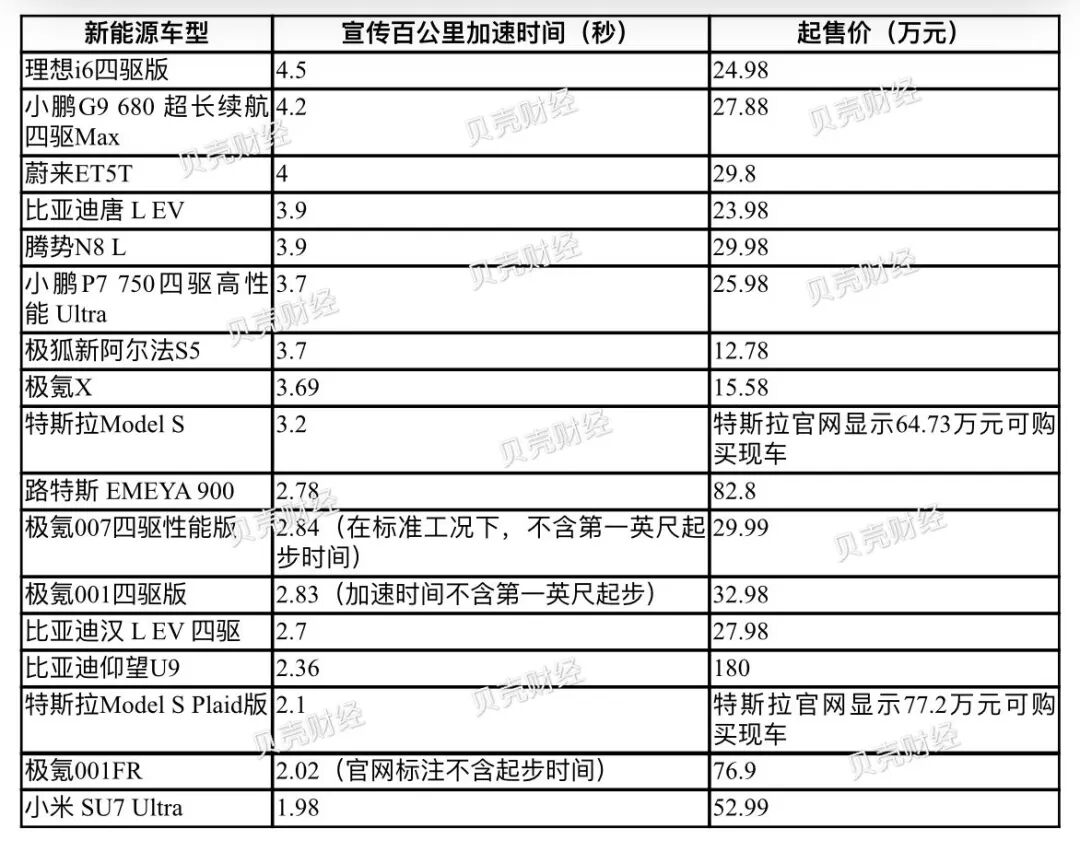
Core Viewpoint - The new national standard for automotive safety, particularly for electric and hybrid vehicles, aims to address acceleration control issues by mandating a default acceleration time of no less than 5 seconds for passenger cars, thereby enhancing safety and reducing the risk of loss of control during operation [1][2][8]. Group 1: New Regulations - The draft standard proposes that passenger vehicles should have a default state where the acceleration time to 100 km/h is no less than 5 seconds after each ignition [1][2]. - Electric and plug-in hybrid vehicles must include a pedal misapplication suppression feature to detect and limit power output during stationary or crawling conditions [1][2]. - The design of car door handles is also addressed, requiring mechanical release functionality to ensure doors can be opened without tools in emergencies [1]. Group 2: Rationale Behind the Regulations - The requirement for a minimum acceleration time of 5 seconds is based on the observation that many drivers, especially inexperienced ones, may struggle with high acceleration modes, leading to accidents [2][8]. - The standard aims to ensure that vehicles start with a lower acceleration performance, making it easier for new drivers to adapt and reducing the likelihood of accidents due to misoperation [8]. Group 3: Current Market Situation - In the current market, most fuel vehicles in the 100,000 to 200,000 yuan price range have acceleration times between 7 to 10 seconds, while high-performance models can achieve significantly lower times [3][4]. - Many electric vehicles, such as the Tesla Model S and others, boast acceleration times under 4 seconds, indicating a shift in performance expectations [4][5]. Group 4: Impact on Manufacturers - The new regulations primarily affect high-performance four-wheel drive vehicles, while most two-wheel drive models are unlikely to require significant adjustments [9][10]. - Manufacturers can meet the new standards through software adjustments, such as modifying default power output and pedal response logic, rather than extensive hardware changes [9][10]. Group 5: Regulatory Context - The recent regulatory measures reflect a broader trend of increasing oversight in the electric vehicle market, aiming to ensure safety and quality as technology evolves [11][12]. - The new regulations are seen as a necessary step towards high-quality development in the automotive industry, promoting safety and user experience while addressing the rapid technological advancements in electric vehicles [12].